Black Pepper Oil
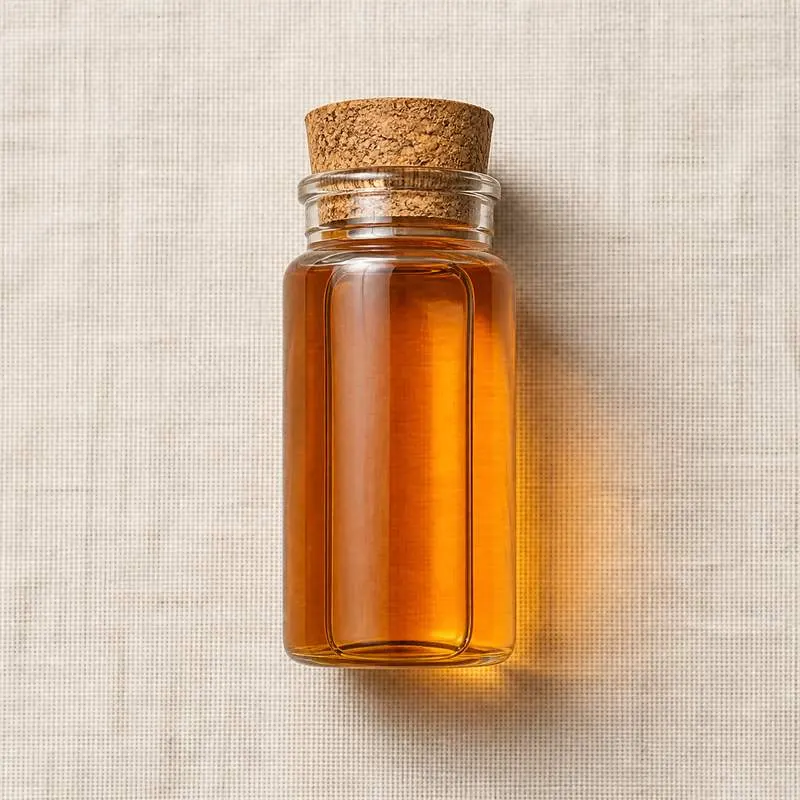
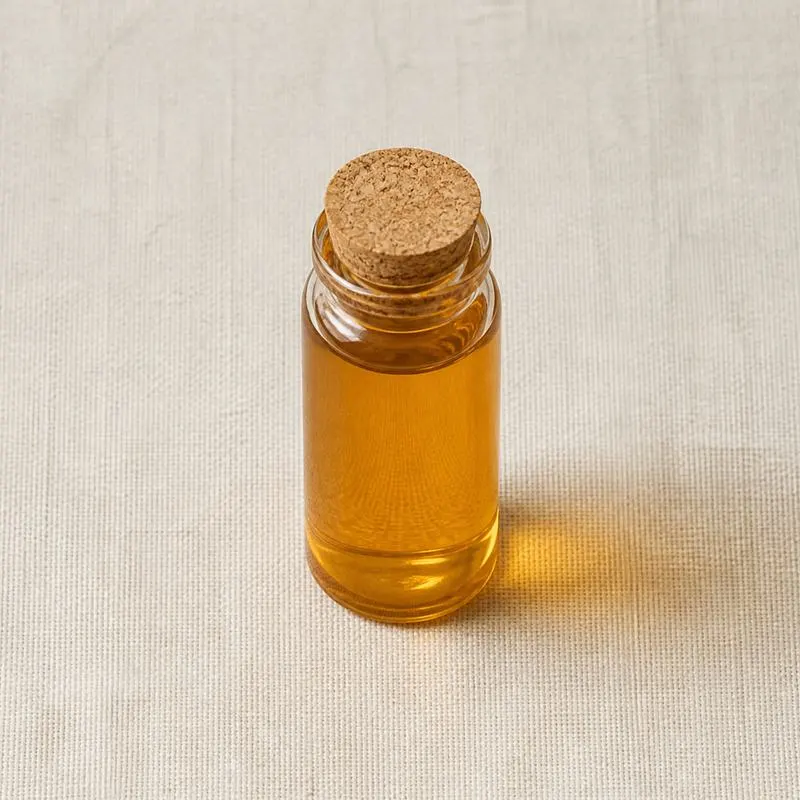
Black pepper oil is the steam-distilled essential oil of the dried immature fruit of Piper nigrum. It is a pale yellow to greenish mobile liquid with a fresh, dry, woody and warmly spicy odour that smells of freshly cracked peppercorns without their bite.
The absence of bite is the defining commercial fact about this oil. Piperine, the alkylamide responsible for the pungency of the spice, is non-volatile and does not distil over, so the oil carries aroma alone. Heat has to come instead from black pepper oleoresin, made by solvent or carbon dioxide extraction of the same berry, which carries both the volatile oil and the piperine and is specified on piperine assay.
The composition is dominated by hydrocarbons. Beta-caryophyllene is usually the largest single component, with limonene, sabinene, alpha-pinene, beta-pinene, delta-3-carene and myrcene making up most of the rest, and only a small oxygenated fraction. That hydrocarbon character makes the oil poorly soluble in dilute alcohol and prone to oxidation, so it is stored cold in filled containers and terpeneless fractions are used for beverage work.
We source bulk Black Pepper Oil from top China manufacturers for our partners. The manufacturers are in Shandong. A smaller requirement can ship in a combined container with other ingredients.
Please send the grade you need, the volume and your destination port, and we will come back with a solution and a price.
or call +86-21-6858 0751
- Function
- Flavours and Aromas
Specifications
| Item | Specification |
|---|---|
| Appearance | Clear pale yellow to greenish mobile liquid |
| Odour | Fresh, dry, woody and spicy, characteristic of black pepper |
| Beta-Caryophyllene | 15.0 to 35.0 percent by GC |
| Limonene | 10.0 to 25.0 percent by GC |
| Delta-3-Carene | 3.0 to 20.0 percent by GC |
| Relative Density (20°C) | 0.864 to 0.884 |
| Refractive Index (20°C) | 1.479 to 1.492 |
| Optical Rotation (20°C) | -23° to +2° |
| Solubility | Soluble in 3 volumes of 95 percent ethanol, insoluble in water |
| Acid Value | Not more than 2.0 mg KOH/g |
| Peroxide Value | Not more than 10 meq/kg |
| Heavy Metals (as Pb) | Not more than 10 mg/kg |
| Lead | Not more than 2 mg/kg |
| Arsenic | Not more than 1 mg/kg |
Common Markets Grades
Origin sets the first distinction, since Indian, Indonesian, Malaysian, Vietnamese and Brazilian peppers give measurably different profiles, with the balance of beta-caryophyllene against the pinenes and delta-3-carene the usual origin marker. Oils are bought against a gas chromatography profile rather than a single assay figure.
Beyond origin, the trade divides between crude distilled oil, rectified oil that has been redistilled under vacuum to lighten colour and remove heavy tails, and terpeneless or sesquiterpeneless fractions in which the hydrocarbons are stripped to give a concentrated, more soluble material for clear beverages and aqueous systems. Carbon dioxide extracted grades sit alongside these and carry a fuller, more true-to-spice profile because they include semi-volatile components that steam distillation leaves behind, though they still contain little or no piperine unless the extraction is run at conditions designed to capture it. Standardised dilutions in propylene glycol or triethyl citrate are the normal presentation for flavour dosing, and oleoresin is bought separately where pungency is required.
Applications
- Sausage, salami and emulsified meat products, giving even pepper aroma without visible specks
- Injection brines and marinades, where the oil disperses in the fat phase
- Sauces, gravies and dressings, particularly pale sauces where ground spice would be visible
- Snack seasoning, applied through an oil slurry during tumbling
- Instant noodle and convenience meal seasoning oil sachets
- Compound seasoning blends, plated onto salt or maltodextrin as a carrier
- Soft drinks, bitters and spiced beverages, using terpeneless fractions
- Gin and flavoured spirits, added to the botanical charge or post-distillation
- Fine fragrance and personal care, in spicy and woody accords
- Aromatherapy and massage blends at low dilution
Brands Using Black Pepper Oil
Widely-distributed consumer products that list Black Pepper Oil on the ingredient label.
Brand names, product names and logos are the property of their owners. They appear here as published evidence that the ingredient is used, taken from the brand's own label or website. Their appearance is not an endorsement, and it does not mean the brand buys from us or from any manufacturer listed on this site.
China Manufacturers of Black Pepper Oil
Top Black Pepper Oil manufacturers in China.
 Jinan Aorun Technology Co., Ltd.9 ingredients in the directory
 Lihe Flavor (Qingdao) Food Co., Ltd.1 ingredient in the directory
Company names and logos are the property of the manufacturers themselves. They are listed here because our own directory records them as producing this ingredient. A listing is not an endorsement by them, and we do not represent them or speak on their behalf.
Regulatory Status
In the United States 21 CFR 182.10 lists black pepper among the spices generally recognised as safe for their intended use in food, and black pepper oil and oleoresin appear on the corresponding list of essential oils, oleoresins and natural extractives under 21 CFR 182.20. The oil also holds FEMA GRAS status as a flavouring substance, and no separate food additive petition applies.
In the European Union the oil is a natural flavouring preparation under Regulation (EC) No 1334/2008, so it carries no E number and does not appear in the food additive lists. Where it goes into fragrance or personal care use, the IFRA standards apply, along with the allergen declaration requirements of the EU Cosmetics Regulation for constituents such as limonene and linalool, and peroxide value limits are recommended for hydrocarbon-rich oils on sensitisation grounds. Residual solvent limits apply to solvent-extracted oleoresins made on the same site but not to the distilled oil. Codex addresses the underlying spice through its commodity standard for black, white and green pepper and its code of hygienic practice for spices and dried aromatic herbs, and commercial quality for the oil is normally referenced to an ISO composition standard.
Manufacturing Process
Dried black peppercorns, and in many plants the light berries and pinheads screened out of the spice trade, are cleaned and coarsely milled immediately before charging so that the oil cells are opened without giving the volatiles time to escape. The milled material is often steeped briefly in water to soften the pericarp and improve steam penetration.
Distillation is carried out with low pressure steam in stainless steel vessels over six to twelve hours, and the yield is around one and a half to three and a half percent on dried spice. The condensed vapour separates in a Florentine flask with the oil floating above the distillation water, and the aqueous layer is usually recycled back through the charge to recover dissolved oxygenated components. Crude oil is dried over anhydrous sodium sulphate, settled and passed through a polishing filter, then profiled by gas chromatography and blended across lots to a fixed specification. Rectified and terpeneless grades are made by a further vacuum fractional distillation at low temperature. The spent spice is not wasted, since it still holds the piperine and is commonly passed to a solvent or carbon dioxide extraction line to recover oleoresin.