Black Soybean Seed Coat Extract
Black soybean seed coat extract is an anthocyanin concentrate prepared from the hull of pigmented cultivars of Glycine max. The seed coat is the only part of the bean carrying the pigment, so the extract is made from hulls separated during dehulling rather than from the whole bean, which makes it a by product stream of soy processing.
The pigment fraction is dominated by cyanidin 3 O glucoside, typically accounting for three quarters or more of the total anthocyanin, with delphinidin 3 O glucoside and petunidin 3 O glucoside making up most of the remainder. Alongside the anthocyanins the hull carries procyanidins, isoflavones carried over from the bean, and a substantial insoluble fibre fraction that is removed during purification.
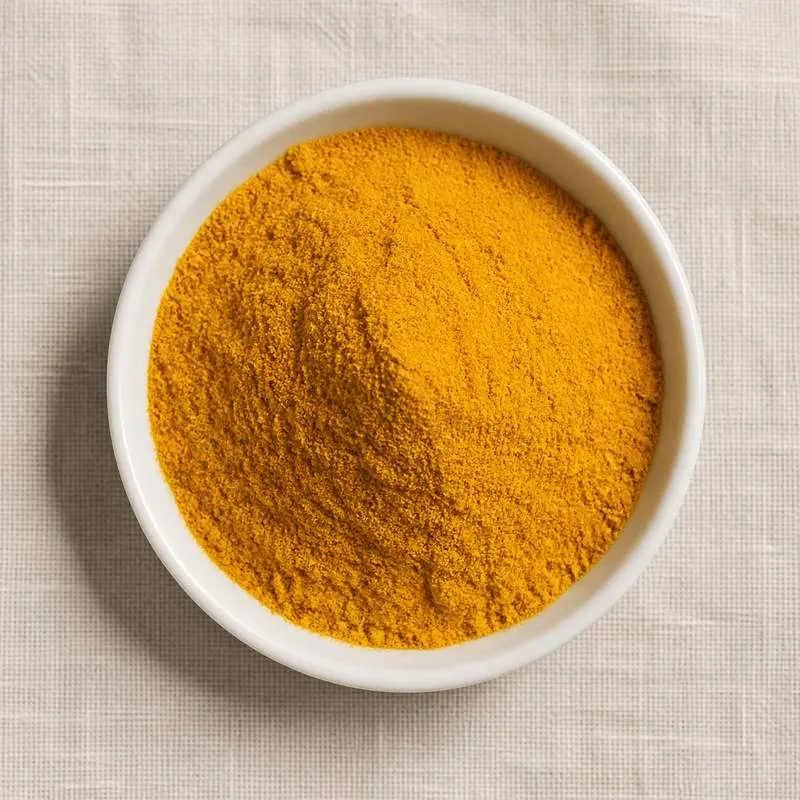
The extract is a purple to reddish purple powder, freely soluble in water and in dilute ethanol, giving a red solution under acid conditions. Its behaviour is controlled entirely by the anthocyanin chemistry: colour is red below about pH 3, shifts to purple and then blue grey as pH rises through neutrality, and the pigment degrades progressively with heat, light and in the presence of ascorbic acid, sulphite or metal ions. Formulation is therefore confined to acidic systems with metal chelation and light protection.
We source bulk Black Soybean Seed Coat Extract from top China manufacturers for our partners. The manufacturer is in Shaanxi. A smaller requirement can ship in a combined container with other ingredients.
Please send the grade you need, the volume and your destination port, and we will come back with a solution and a price.
or call +86-21-6858 0751
- Function
- Plant extract
Specifications
| Item | Specification |
|---|---|
| Appearance | Purple to reddish purple fine powder |
| Botanical Source | Seed coat of black Glycine max |
| Odour and Taste | Slight characteristic odour, faintly astringent |
| Identification | HPLC profile dominated by cyanidin 3 glucoside |
| Total Anthocyanins | ≥ 25.0% (UV, as cyanidin 3 glucoside) |
| Colour Value (E1%1cm, 520 nm) | ≥ 200 |
| Particle Size | ≥ 95% through 80 mesh |
| Loss on Drying | ≤ 5.0% |
| Total Ash | ≤ 5.0% |
| pH (1% solution) | 2.5 to 4.0 |
| Residual Ethanol | ≤ 0.5% |
| Lead | ≤ 2.0 mg/kg |
| Arsenic | ≤ 1.0 mg/kg |
| Total Plate Count | ≤ 5,000 cfu/g |
| Yeast and Mould | ≤ 100 cfu/g |
| Escherichia coli | Negative in 1 g |
| Salmonella | Negative in 25 g |
Common Markets Grades
The trade quotes total anthocyanins by the pH differential ultraviolet method, expressed as cyanidin 3 glucoside. Standard grades run at 5, 10, 25 and 36 percent, with the higher figures requiring resin purification, and a lower assay grade around 1 to 3 percent used where the whole hull extract rather than a concentrated colour is wanted. Colour value, measured as absorbance of a defined solution, is quoted alongside the assay for buyers using the material as a colourant rather than as a supplement active.
Beyond assay, lots divide on carrier and solubility. Carrier free spray dried powder and maltodextrin carried powder are both traded, along with a water soluble grade with added acid to hold the pH of the reconstituted solution and an oil dispersible grade for fat containing systems. Suppliers mill the powders to 80 mesh and offer a granulated version for tabletting. Organic certified material is available from certified soy supply chains. Because the source is a soy derived material, the specification states the residual protein figure and allergen status, which are the main issues for buyers outside the colour trade.
Applications
- Capsule and tablet supplements, positioned on anthocyanin content in eye health and antioxidant formulations
- Acidic beverages and fruit drinks, where the extract colours the product red to purple and stays stable below pH 3.5
- Confectionery such as jellies, gummies and hard boiled sweets, added after the cook to limit thermal loss of the pigment
- Dairy and yoghurt preparations, formulated in the fruit layer where the pH is low enough to hold the colour
- Powdered drink mixes and effervescent products, which dissolve to a red solution on reconstitution
- Bakery fillings and icings, where the acid environment suits the pigment and the colour is stable through short bakes
- Nutrition bars and chews, dosed for both colour and the anthocyanin claim
- Skin care serums and masks, added to the water phase at acidic pH
- Animal feed premixes, applied as a plant derived antioxidant in pigmented feeds
China Manufacturers of Black Soybean Seed Coat Extract
Top Black Soybean Seed Coat Extract manufacturers in China.

Company names and logos are the property of the manufacturers themselves. They are listed here because our own directory records them as producing this ingredient. A listing is not an endorsement by them, and we do not represent them or speak on their behalf.
Regulatory Status
In the United States, anthocyanin preparations from black soybean hull are used as dietary ingredients under the Dietary Supplement Health and Education Act, with finished products made under 21 CFR Part 111. Their use as a colour is a separate question: 21 CFR Part 73 lists anthocyanin containing vegetable juice and fruit juice colours as colour additives exempt from certification, and a soybean hull derived pigment does not fall within those listings, so material sold into the United States for colouring purposes needs careful checking against the colour additive rules. Because the source is soy, the material is subject to the major food allergen labelling requirements unless it is shown to be free of the allergenic protein.
In the European Union anthocyanins are authorised as a food colour under E 163, and the specification for E 163 defines the permitted source materials, which centre on edible fruit and vegetables. A preparation intended for use as the additive must conform to that specification, while an extract used as a food supplement ingredient rather than a colour is outside the additive framework and carries no E number. Soy derived material is subject to the Union allergen labelling rules. Codex covers anthocyanins as a colour in its general standard for food additives and JECFA has issued a specification for grape skin extract and related anthocyanin colours rather than one specific to soybean hull.
Manufacturing Process
Black soybeans are cleaned, conditioned and dehulled on an abrasive or impact dehuller, and the hulls are separated from the cotyledons by aspiration. The separated hulls are milled and extracted with water acidified with citric or a food grade mineral acid, or with acidified aqueous ethanol, at a controlled temperature that recovers the anthocyanins without accelerating their degradation. Extraction is run at low pH throughout because the pigment is most stable in its red flavylium form.
The liquor is separated from the spent hull by pressing and decanting, clarified by centrifugation and membrane filtration, and loaded onto a macroporous adsorption resin. Sugars, salts, free amino acids and residual protein pass through in the acidified water wash, and the anthocyanins are eluted with acidified ethanol. The eluate is concentrated under vacuum at low temperature with ethanol recovery, standardised to the target assay and spray dried at a low inlet temperature, alone or onto maltodextrin. The powder is sieved, blended across sub lots to a uniform anthocyanin figure, and packed in aluminium foil laminate bags inside fibre drums, protected from light and moisture.