Bovine Bone Marrow Peptide
Bovine bone marrow peptide is an enzymatic hydrolysate of cattle bone and the marrow it contains, dried to a powder of short peptides. It differs from a bone collagen peptide in raw material rather than in process concept: a collagen peptide is made from demineralised bone matrix alone, while a marrow peptide is made from bone that has been processed with its marrow, so the protein pool includes marrow proteins alongside the collagen of the bone itself.
The composition is therefore mixed rather than a single defined protein. Collagen derived peptides, rich in glycine, proline and hydroxyproline, form the bulk, with globular marrow proteins contributing a broader amino acid spread including the aromatic and sulphur amino acids that collagen lacks. Small amounts of bone mineral, principally calcium and phosphorus, and residual phospholipid are usually present and are declared.
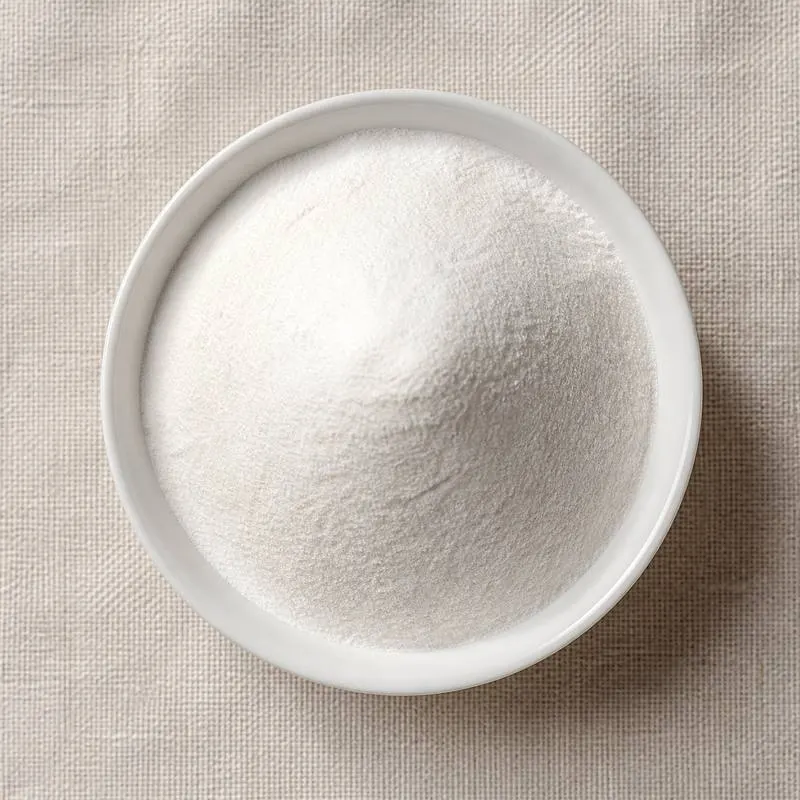
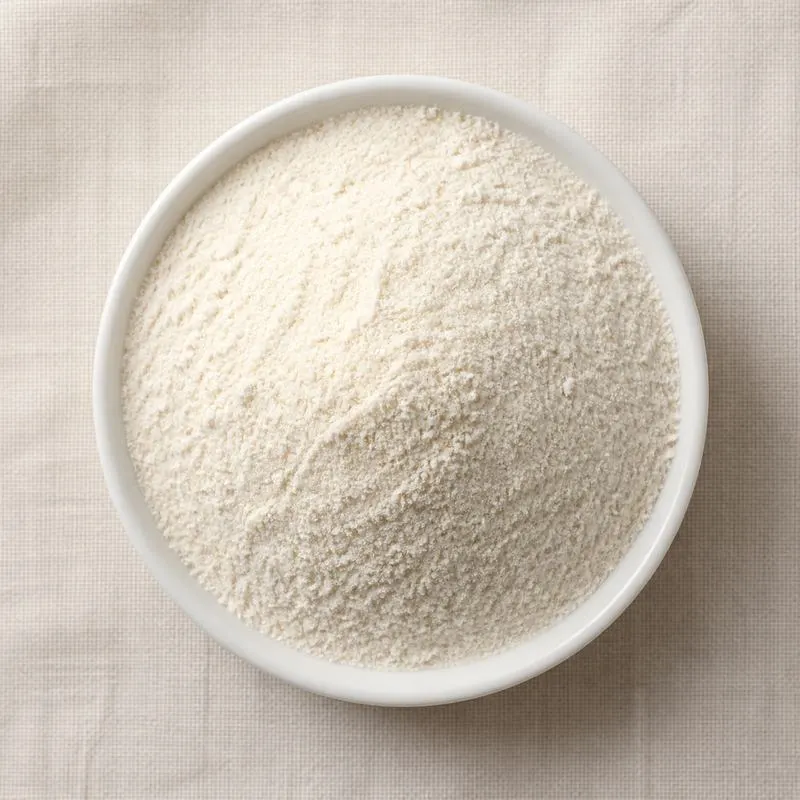
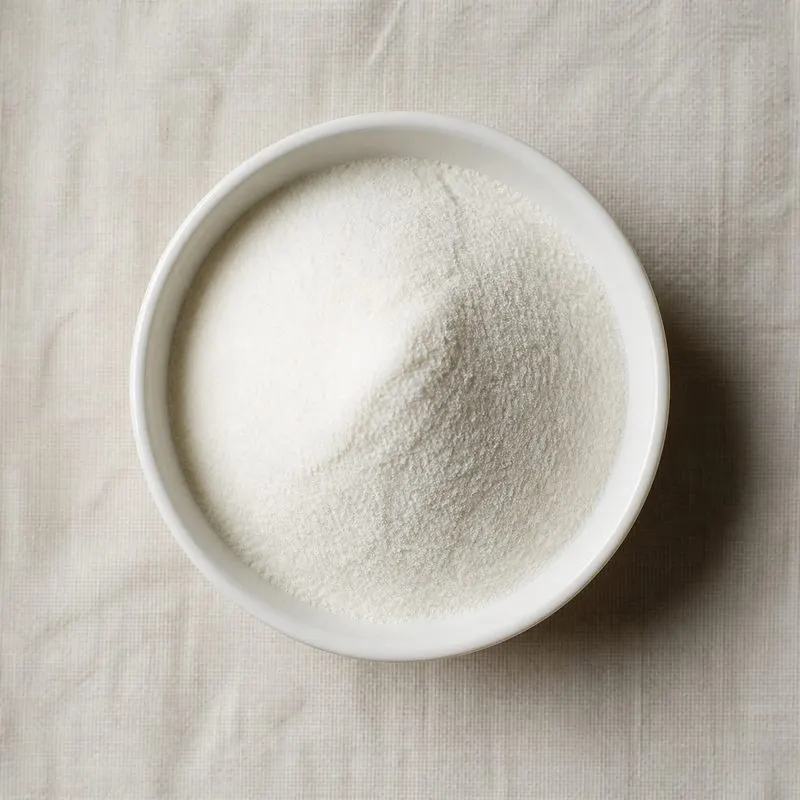
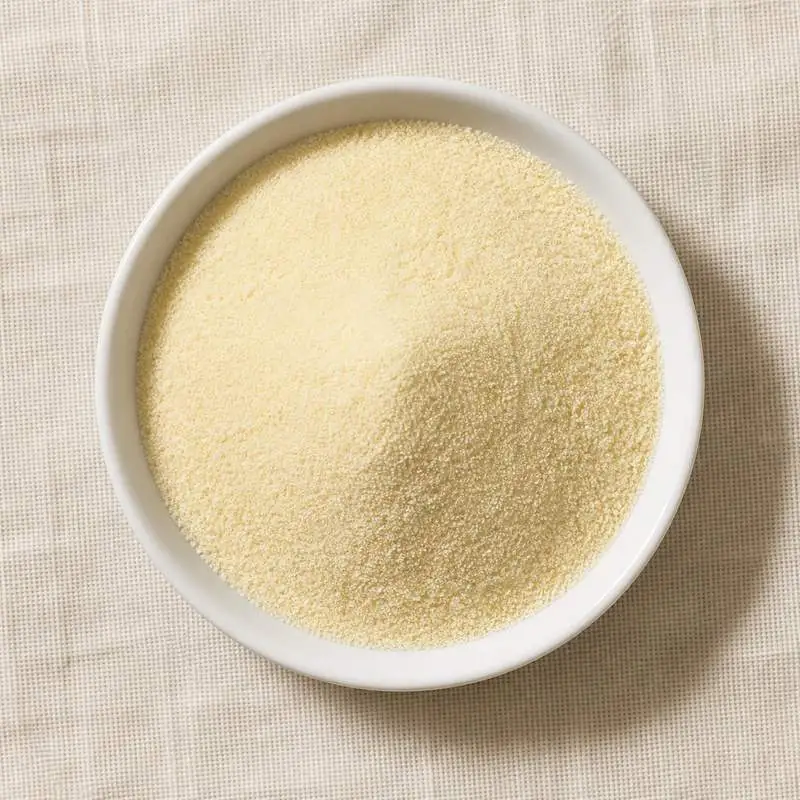
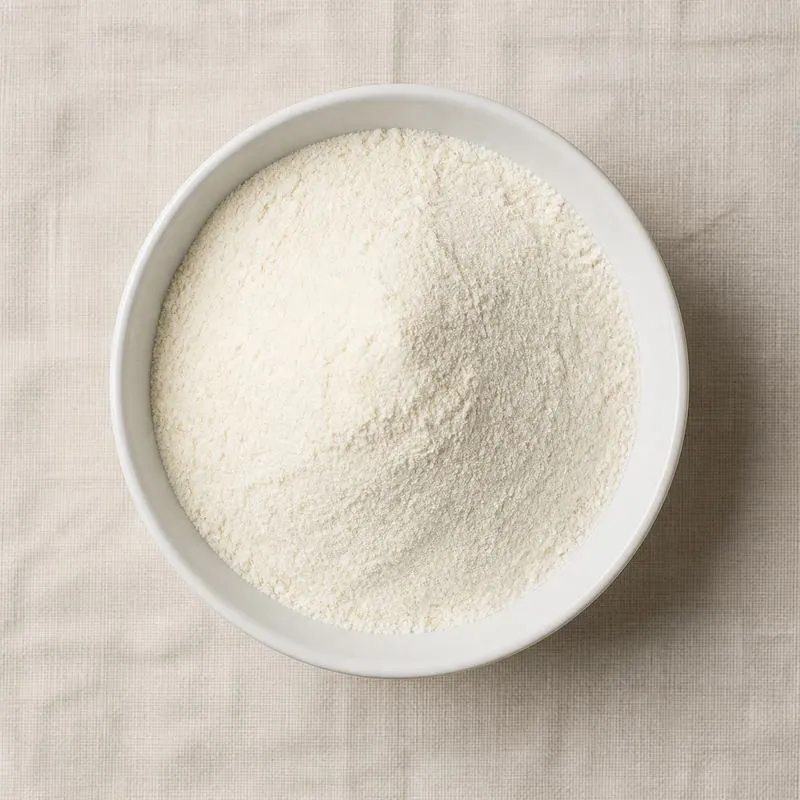
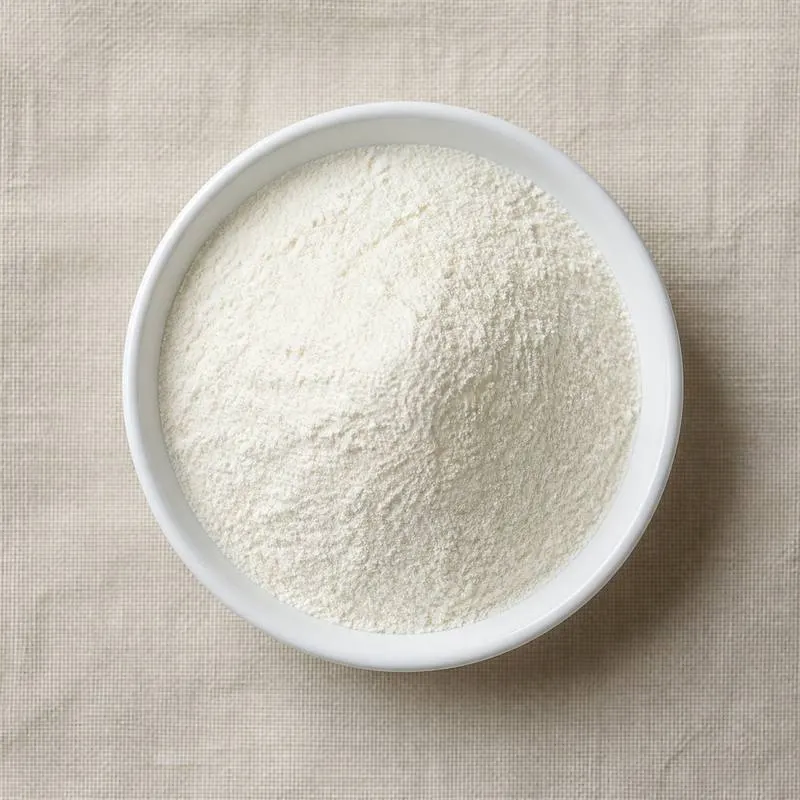
Because marrow is largely fat, defatting is the step that decides product quality: lipid left in the hydrolysate oxidises in storage and gives the powder a rancid odour that no amount of masking will remove. Well made material is a light cream to pale beige free flowing powder at 5 to 7 percent moisture with a mild, faintly savoury odour. It dissolves in cold water to a slightly hazy solution and, like other hydrolysates, is stable to heat and across a wide pH range without gelling or building viscosity.
We source bulk Bovine Bone Marrow Peptide from top China manufacturers for our partners. The manufacturers are in Inner Mongolia and Guangdong. A smaller requirement can ship in a combined container with other ingredients.
Please send the grade you need, the volume and your destination port, and we will come back with a solution and a price.
or call +86-21-6858 0751
- Function
- Protein
Specifications
| Item | Specification |
|---|---|
| Appearance | Light cream to pale beige free flowing powder |
| Odour and Taste | Mild, faintly savoury, free from rancid notes |
| Protein, N x 6.25, dry basis | ≥ 80.0% |
| Peptides below 5000 Da | ≥ 80%, per declared grade |
| Hydroxyproline | Per declared grade, confirming collagen fraction |
| Residual Fat | ≤ 1.0% |
| Peroxide Value | ≤ 5 meq/kg of fat |
| Moisture | ≤ 7.0% |
| Ash | ≤ 6.0% |
| Calcium | Per declared grade |
| pH, 10% solution | 5.5 to 7.5 |
| Lead | ≤ 0.5 mg/kg |
| Arsenic | ≤ 1.0 mg/kg |
| Total Plate Count | ≤ 10,000 CFU/g |
| Yeast and Mould | ≤ 100 CFU/g |
| E. coli | Absent in 1 g |
| Salmonella | Absent in 25 g |
Common Markets Grades
Grading is set by molecular weight distribution, protein content and residual fat. Molecular weight is declared as an average or as the proportion of peptides below a stated cut-off, with grades from below 1,000 to around 5,000 daltons traded. Protein is generally declared at a minimum of 80 to 90 percent on the dry basis, lower than a pure collagen peptide because of the mineral and lipid the marrow contributes.
Residual fat and peroxide value are the two specifications that separate a well made product from a poor one, and a low fat, low peroxide grade commands a clear premium. Ash and calcium content are declared where the mineral fraction is deliberately retained as part of the proposition, and a demineralised grade with ash below 2 percent is offered where clarity in solution matters.
Halal and kosher certified grades processed on segregated lines are traded, and every lot carries country of origin and transmissible spongiform encephalopathy documentation, since the raw material is bovine. Instantised agglomerated versions are used for beverage powders.
Applications
- Bone and joint health supplements, where the marrow origin is part of the product positioning
- Combination bone formulations with calcium, vitamin D and vitamin K
- Sports and recovery nutrition powders, contributing readily absorbed peptides
- Clinical and convalescent nutrition, where rapidly absorbed protein suits compromised digestion
- Elderly nutrition products aimed at maintaining muscle and bone
- Traditional tonic and restorative formulations, in which bone and marrow preparations have a long history of use
- Bone broth style powders and savoury nutrition products, where the mild meaty note is an advantage
- Nutrition bars and gummies, adding protein without viscosity build
- Pet supplements for joint, mobility and senior positioning
China Manufacturers of Bovine Bone Marrow Peptide
Top Bovine Bone Marrow Peptide manufacturers in China.
 Inner Mongolia Taihao Biological Products Co., Ltd.6 ingredients in the directory
 Shenzhen Empirewarm Biotechnology Co., Ltd.3 ingredients in the directory
Company names and logos are the property of the manufacturers themselves. They are listed here because our own directory records them as producing this ingredient. A listing is not an endorsement by them, and we do not represent them or speak on their behalf.
Regulatory Status
In the United States hydrolysates of edible bovine tissue are used as food ingredients and as dietary ingredients under the dietary supplement framework, and the enzymes used must be permitted food processing aids. The controlling additional requirement is the Food and Drug Administration's prohibition on the use of certain cattle material in human food, which restricts the tissues that may be used and the origin and age of the animals in order to manage the risk of bovine spongiform encephalopathy. Statements about bone, joint or recovery benefit are structure and function claims rather than authorised health claims.
In the European Union the position is more restrictive than for collagen. Products of animal origin intended for human consumption are governed by the hygiene regulation for food of animal origin, which sets the permitted raw materials and the approval requirements for processing establishments, and bovine raw material is additionally subject to the transmissible spongiform encephalopathy regulation, which excludes specified risk material including certain vertebral column and skull tissue. A bone marrow hydrolysate that lacks a documented history of consumption in the Union before May 1997 may also fall within the novel food regulation and require authorisation before being placed on the market, so the specific preparation and its history of use determine the pathway. No E number applies, since the material is a food ingredient rather than an additive. Codex has no specific standard for the product.
Manufacturing Process
Cattle bone with marrow is received from approved abattoirs with documented traceability, sorted, crushed and washed. It is then cooked in hot water or steam, which releases the marrow fat and the soluble protein and allows the fat to be skimmed and centrifugally separated. Defatting is normally taken through more than one stage, since the residual lipid that survives into the hydrolysate is what limits the shelf life of the finished powder.
The defatted bone and marrow slurry is milled and adjusted for solids and pH, then heated to soften the collagen and unfold the globular marrow proteins so that they are accessible to enzyme attack. Hydrolysis is carried out with food grade proteases, generally an endopeptidase to cut the chains internally followed by an exopeptidase to release terminal residues, reduce bitterness and drive the degree of hydrolysis to its target, monitored by free amino nitrogen.
The reaction is stopped by heating to inactivate the enzymes. The hydrolysate is then separated from bone residue and undissolved solids by centrifugation and filtration, and passed through ultrafiltration to control the molecular weight distribution and remove residual lipid and larger fragments. It is decolourised over activated carbon where a light powder is required, sterilised, concentrated under vacuum and spray dried. Instant grades are agglomerated in a fluidised bed. Each lot is released on protein, molecular weight, residual fat and peroxide value.