Bovine Colostrum
Bovine colostrum is the first milk secreted by a cow in the days immediately after calving, collected and spray dried or freeze dried into a powder. It differs from ordinary milk in composition rather than in kind: the first milking is far richer in protein, particularly immunoglobulin, and lower in lactose and fat, and the concentration falls sharply with each subsequent milking, so the milking number from which material is collected is the single most important factor in its quality.
The characterising constituent is immunoglobulin G, which in a first milking can exceed 100 grams per litre and which is the basis on which the ingredient is standardised and sold. Alongside it the material carries lactoferrin, immunoglobulins A and M, growth factors including insulin-like growth factor, proline rich polypeptides, oligosaccharides and the ordinary casein and whey proteins of milk.
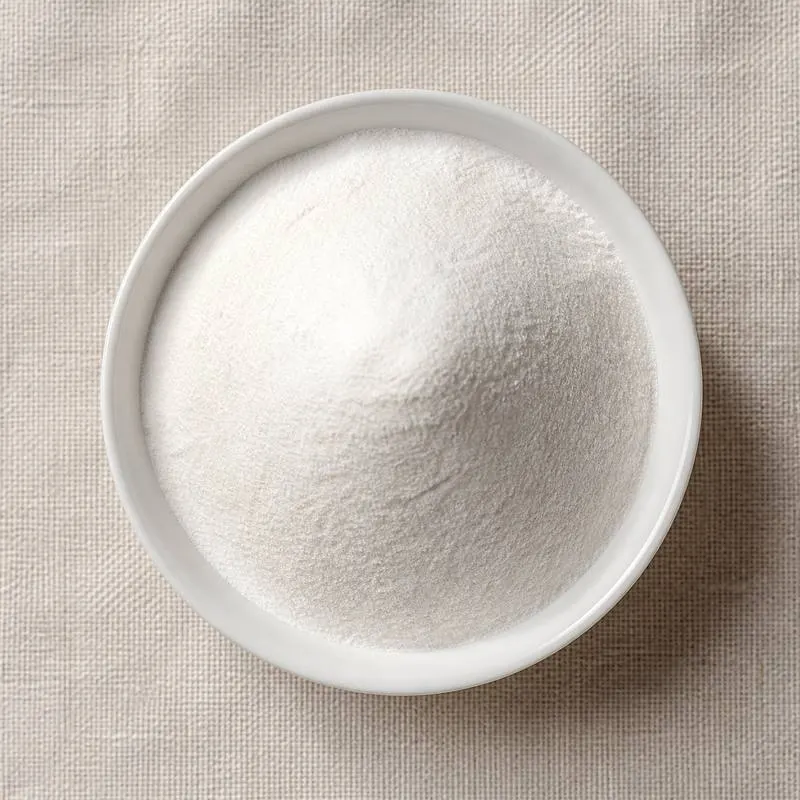
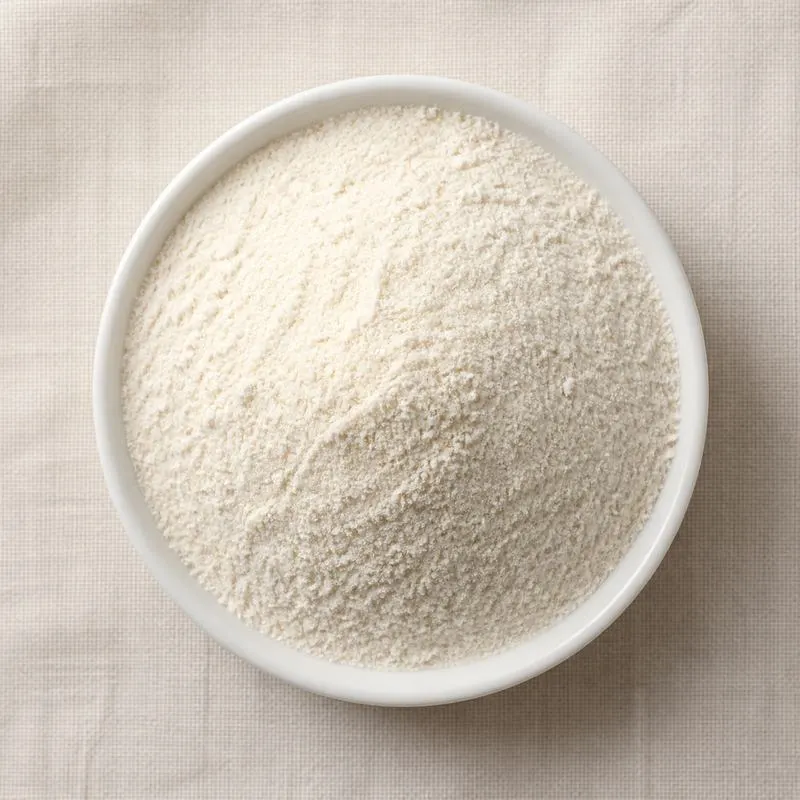
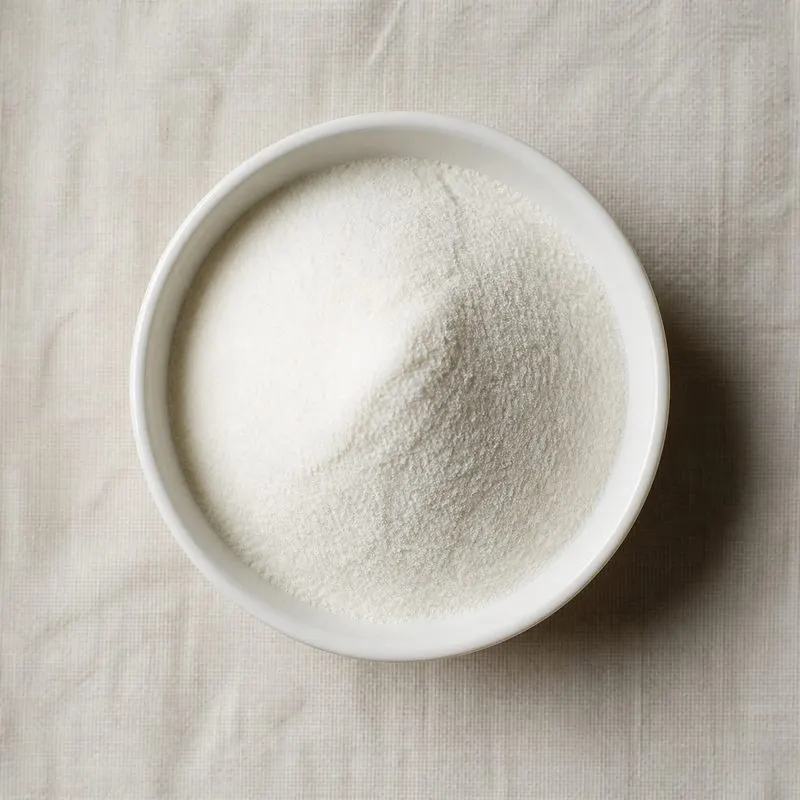
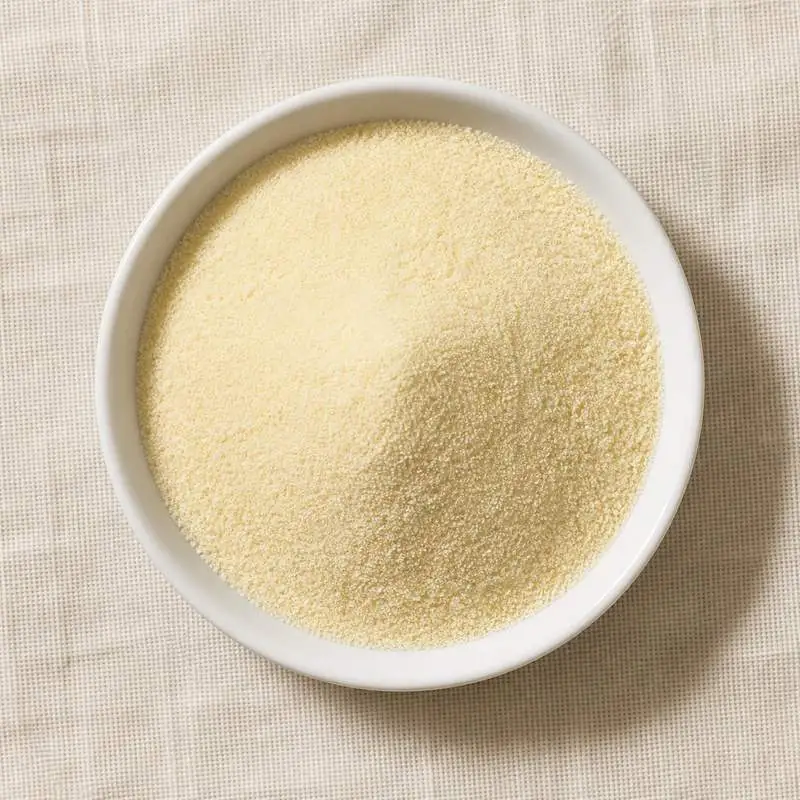
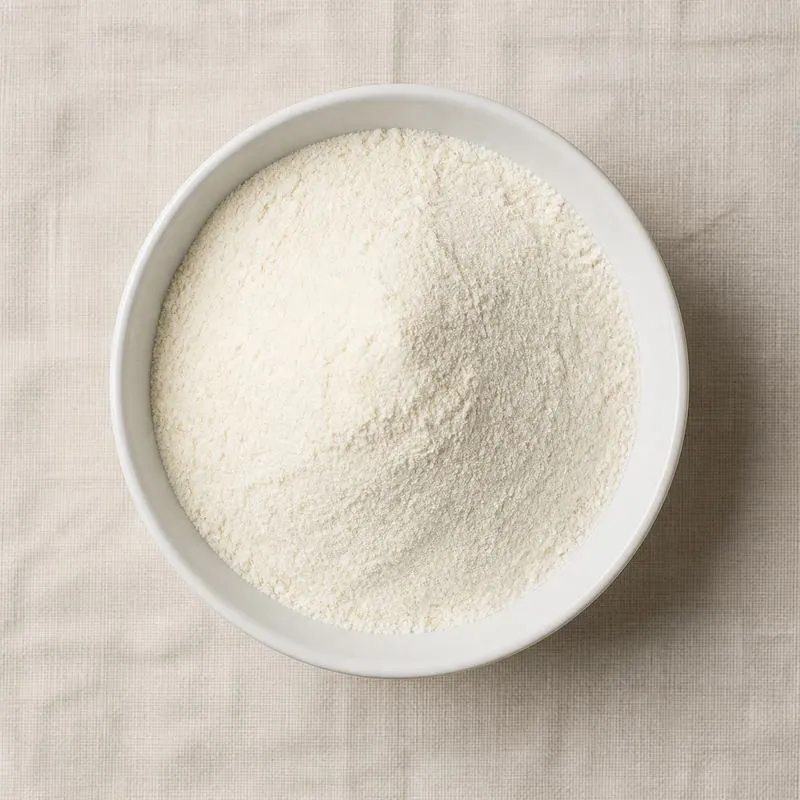
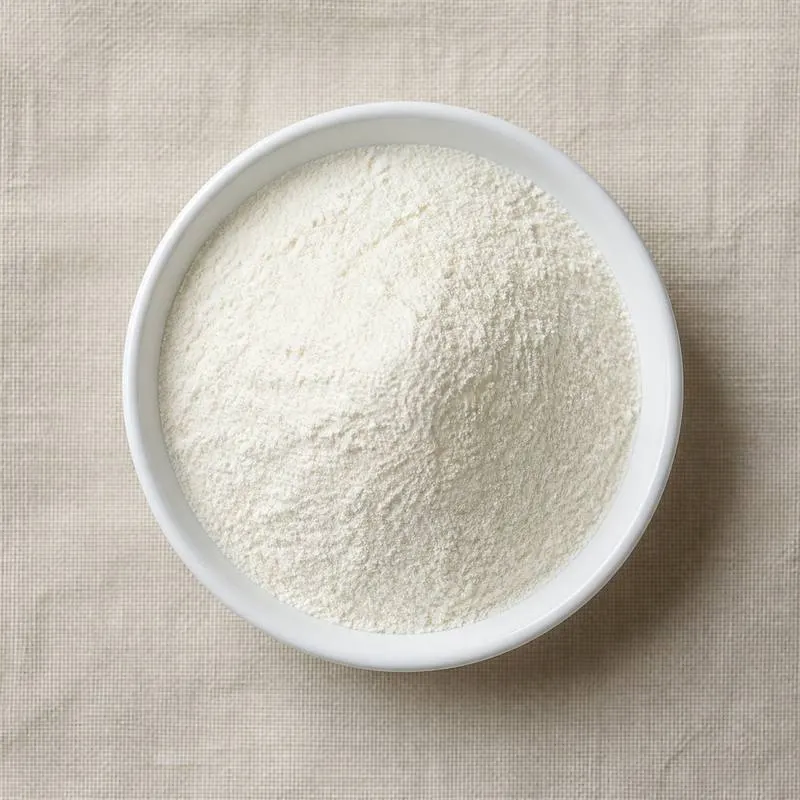
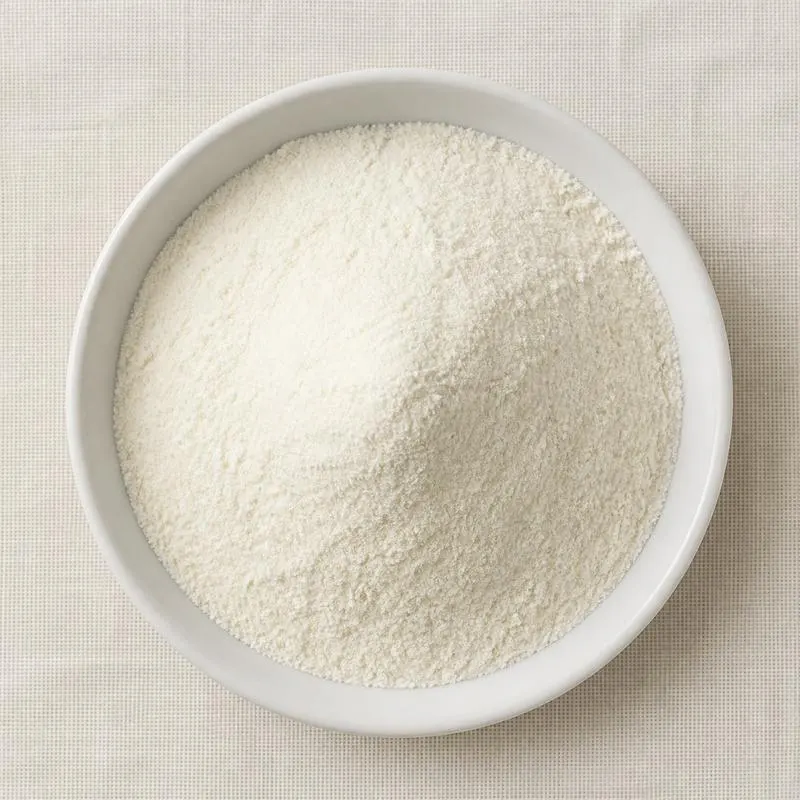
Commercial powder is a light cream to pale yellow free flowing solid at 4 to 6 percent moisture with a mild dairy odour and a faintly sweet, slightly cheesy taste. It disperses in water to a cloudy suspension rather than a clear solution. The immunoglobulin fraction is heat labile, denaturing well below the temperature of ordinary milk pasteurisation, and this decides the whole of the processing: low temperature pasteurisation and low inlet and outlet spray drying temperatures are used because a conventional dairy thermal process would destroy the very fraction the product is sold for.
We source bulk Bovine Colostrum from top China manufacturers for our partners. The manufacturers are in Heilongjiang. A smaller requirement can ship in a combined container with other ingredients.
Please send the grade you need, the volume and your destination port, and we will come back with a solution and a price.
or call +86-21-6858 0751
- Function
- Protein
Specifications
| Item | Specification |
|---|---|
| Appearance | Light cream to pale yellow free flowing powder |
| Odour and Taste | Mild dairy, faintly sweet, free from rancid notes |
| Immunoglobulin G | ≥ 20.0%, per declared grade |
| Protein, N x 6.38, dry basis | ≥ 45.0% |
| Fat | ≤ 15.0%, per grade |
| Lactose | Per declared grade |
| Moisture | ≤ 6.0% |
| Ash | ≤ 10.0% |
| pH, 10% solution | 6.0 to 6.8 |
| Antibiotic Residues | Negative by approved screening method |
| Lead | ≤ 0.5 mg/kg |
| Arsenic | ≤ 0.5 mg/kg |
| Total Plate Count | ≤ 30,000 CFU/g |
| Coliforms | ≤ 10 CFU/g |
| Yeast and Mould | ≤ 100 CFU/g |
| E. coli | Absent in 1 g |
| Salmonella | Absent in 25 g |
Common Markets Grades
The trade standardises on immunoglobulin G content, with 15, 20, 25, 30 and 40 percent the common declared grades. Higher figures are reached either by collecting only the first milking or by membrane concentration of the whey fraction, and the price scales steeply with the declaration.
The second variable is lactose content. Standard whole colostrum powder retains the lactose of the original secretion, while a defatted and delactosed grade, produced by membrane filtration, raises the protein and immunoglobulin figures and suits lactose intolerant positioning. Colostrum whey powder, made from the whey remaining after casein removal, is a further concentrated form.
Beyond composition, grades are distinguished by drying route, spray dried being the standard and freeze dried commanding a premium for better retention of the heat sensitive fraction, and by whether the material is instantised for beverage use. Documentation covering herd health, antibiotic residue testing, collection window and traceability accompanies every lot, and grades certified for the absence of specified pathogens are used where the finished product requires it.
Applications
- Immune support supplements in capsule, tablet and powder form, the largest end use
- Gut health formulations, where the immunoglobulin and oligosaccharide fractions are the basis of the positioning
- Sports nutrition, in products aimed at training load and recovery
- Nutritional powders and meal replacements, blended for protein and functional content
- Ready to mix beverage sachets, using instantised grades
- Chewable tablets and gummies for children's supplement ranges
- Calf milk replacers and colostrum supplements for newborn livestock, the original and still substantial veterinary market
- Pet supplements for digestive and immune support
- Companion products blended with probiotic cultures or prebiotic fibres
- Cosmetic formulations, using colostrum protein as a skin conditioning ingredient
Brands Using Bovine Colostrum
Widely-distributed consumer products that list Bovine Colostrum on the ingredient label.
Brand names, product names and logos are the property of their owners. They appear here as published evidence that the ingredient is used, taken from the brand's own label or website. Their appearance is not an endorsement, and it does not mean the brand buys from us or from any manufacturer listed on this site.
China Manufacturers of Bovine Colostrum
Top Bovine Colostrum manufacturers in China.
- Heilongjiang Kangping Biological Engineering Co., Ltd.2 ingredients in the directory
- Heilongjiang Kanpure Biological Technology Co., Ltd.1 ingredient in the directory
Company names and logos are the property of the manufacturers themselves. They are listed here because our own directory records them as producing this ingredient. A listing is not an endorsement by them, and we do not represent them or speak on their behalf.
Regulatory Status
In the United States bovine colostrum is marketed as a dietary ingredient under the dietary supplement framework and as a food ingredient, with milk derived materials from healthy animals treated as established food substances. Immune and gut statements are structure and function claims rather than authorised health claims, and language implying treatment or prevention of disease would move the product into the drug category. Dairy sourced material is subject to the milk safety framework and to antibiotic residue controls, and milk is a major food allergen requiring plain declaration on the label.
In the European Union colostrum is covered by the hygiene regulation for food of animal origin, which defines colostrum separately from milk and sets specific requirements for its production, collection and treatment, including the health status of the herd and the handling of the raw material. Milk and products thereof appear in the list of substances causing allergies or intolerances that must be emphasised in the ingredient list. Any health claim requires authorisation under the nutrition and health claims regulation, and the ingredient carries no E number since it is a food rather than an additive. Codex has no commodity standard specific to colostrum, so the general standards for milk hygiene, contaminants and labelling apply.
Manufacturing Process
Collection is the defining step. Colostrum is drawn from cows within the first milkings after calving, on farms operating to a documented health, antibiotic and traceability protocol, and the surplus beyond what the calf requires is what enters the supply chain. Because immunoglobulin concentration falls steeply with each milking, the milking window is recorded and material is segregated by it rather than pooled together.
The liquid is chilled immediately on farm and held cold or frozen until it reaches the plant, where it is thawed, screened and tested for antibiotic residues, immunoglobulin content and microbiological status. It is then defatted by centrifugal separation, since the fat would otherwise oxidise in the finished powder.
Pasteurisation follows, at a temperature and hold time deliberately below the ordinary dairy process, typically a low temperature long hold, because immunoglobulin G begins to denature well below normal pasteurisation temperature and a conventional treatment would destroy much of it. Some processes use membrane microfiltration instead of or alongside heat, removing bacteria physically rather than thermally.
Where a concentrated grade is required, the material is passed through ultrafiltration to raise the immunoglobulin proportion and, in delactosed grades, through further membrane stages to strip lactose and minerals. The concentrate is then spray dried in a drier run at reduced inlet and outlet temperatures, or freeze dried where maximum retention justifies the cost. The powder is cooled, sieved, assayed for immunoglobulin G and packed under nitrogen in foil laminate.