Maltol
Maltol is a naturally occurring flavour compound that contributes the warm, sweet, caramel and freshly baked bread character familiar from toasted grain, roasted malt, and oven-browned crust.
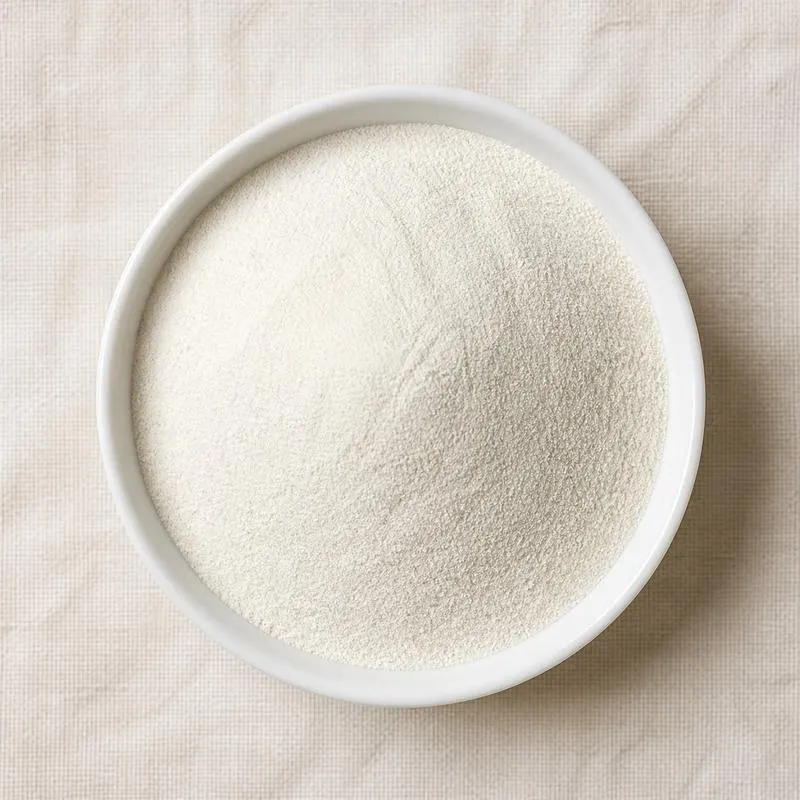
The molecule is 3-hydroxy-2-methyl-4H-pyran-4-one, formula C₆H₆O₃ (molar mass 126.11 g/mol), and presents as fine white to pale cream crystalline powder or needles with a sweet caramelized aroma. It occurs naturally in pine needles, roasted malt, chicory, cocoa, coffee, and many baked and roasted foods.
We source bulk Maltol from top China manufacturers for our partners, working with several of them. The manufacturers are mostly in Anhui, Hebei and Shandong. For this ingredient the minimum order is 500 kg and a 20-foot container takes 15.5 MT, and a smaller requirement can ship in a combined container with other ingredients.
Please send the grade you need, the volume and your destination port, and we will come back with a solution and a price.
or call +86-21-6858 0751
- Minimum order
- 500 kg
- Qty in 20' FCL
- 15.5 MT
- Packaging
- 25 kg kraft paper bag with PE inner liner
- Function
- Flavours and Aromas
- ISO 9001
- HACCP
- Halal
- Kosher
Specifications
| Item | Specification |
|---|---|
| Appearance | White crystalline powder |
| Odor | Sweet, caramel-like |
| Purity | ≥99.0% |
| Melting Point | 160–164°C |
| Loss on Drying | ≤0.5% |
| Residue on Ignition | ≤0.1% |
| Heavy Metals (as Pb) | ≤10 mg/kg |
| Arsenic | ≤3 mg/kg |
| pH (10% solution) | 6.0–7.5 |
| Shelf Life | 24 months |
Common Markets Grades
Maltol is graded by purity, colour, and source designation.
The standard food grade is at minimum 99.0 percent assay as white crystalline powder or fine needles, meeting FCC specifications for melting point, residue on ignition, and heavy metals. A higher purity at 99.5 percent with tighter colour limits is sold to flavour and fragrance houses.
Both synthetic and natural source grades are commercially available. Natural maltol, extracted from steamed pine needles or recovered from larch wood hydrolysis, commands a substantial premium and qualifies for natural flavour labelling. Synthetic maltol from total chemical synthesis dominates supply by volume.
Spray-dried encapsulated grades on maltodextrin carriers and granular grades for improved dust control are produced for industrial dry-mix applications. The majority of global supply originates from Chinese fine chemical producers, with smaller volumes from Japanese and European manufacturers.
Applications
- Bakery: bread, pastry, cake, and cookie flavour systems for warm baked character
- Chocolate and cocoa products to enhance roasted notes and perceived sweetness
- Coffee and coffee beverage flavour systems including ready-to-drink and instant formats
- Brown flavour compounds: butterscotch, caramel, toffee, fudge, and brown sugar
- Beer and malt beverage flavour enhancement and off-note suppression
- Soft drinks: cola, root beer, and cream soda profiles
- Ice cream and frozen desserts in caramel, dulce de leche, and butterscotch flavours
- Tobacco casing for warm sweet topnotes
- Fine fragrance and personal care in gourmand, oriental, and amber accords
- Pharmaceutical syrups and chewables as a sweetness enhancer
- Pet food and treats for palatability enhancement in roasted and brown flavour systems
China Manufacturers of Maltol
Top Maltol manufacturers in China.
 Anhui Jinhe Industrial Co., Ltd.5 ingredients in the directory
 Hebei Tianlihai Flavors&fragrances Co., Ltd.2 ingredients in the directory
 Shandong Huachen Dechuang Chemical Technology Co., Ltd.2 ingredients in the directory
 Wanxiang Technology Group Co., Ltd.7 ingredients in the directory
 Zhaoqing Perfumery Co., Ltd.4 ingredients in the directory
Company names and logos are the property of the manufacturers themselves. They are listed here because our own directory records them as producing this ingredient. A listing is not an endorsement by them, and we do not represent them or speak on their behalf.
How We Help Source Maltol
Direct Factory Sourcing
We run the whole process: selecting the manufacturer from the top Chinese food ingredient producers, negotiating the price, verifying quality, and coordinating the logistics. You deal with us instead of with several factories at once.
Original Packaging and Documents from the Manufacturer
The manufacturer sends your Maltol out of its own factory in the original packing, through to your destination port. The COA, COO, MSDS, TDS and any certifications reach you from the manufacturer as well.
Free Samples and Lead Time
We send 100 to 500 g free for your own laboratory to test and you cover only the courier, usually within 2 to 3 working days. ETD is usually within 7 to 15 days once the order is confirmed, and we check that date against the factory's own manufacturing schedule before we give it to you.
Combined Shipment
We can load Maltol together with other ingredients such as Capsicum Oleoresin, Ethyl Maltol and White Pepper into one 20' FCL. If your quantity is small, we can also ship LCL.
Regulatory Status
Maltol is approved for use as a flavouring substance in the major regulated markets.
In the European Union it is listed in the Union flavouring list under FL number 07.014 and is permitted in food at quantum satis subject to good manufacturing practice. Both natural-source and synthetic-source material qualify under separate labelling categories.
The U.S. Food and Drug Administration recognises maltol as Generally Recognized as Safe under 21 CFR 172.515. FEMA assigns it GRAS number 2656.
JECFA has evaluated maltol and concluded that current intake presents no safety concern at typical food use levels.
The substance has a long history of use in pharmaceutical preparations as a flavour enhancer and as a chelating agent for iron and aluminium. Kosher and Halal certification is routinely available. The substance is not classified as hazardous under standard transport regulations.
Manufacturing Process
Industrial maltol is produced primarily by total chemical synthesis from furfuryl alcohol.
The dominant route condenses furfuryl alcohol with hydrogen chloride in the presence of a chlorinating agent to produce a chloromethyl furan intermediate. The intermediate then undergoes an oxidative ring transformation under controlled conditions, which rearranges the furan into the hydroxymethyl pyranone skeleton and gives maltol after recrystallisation from water or aqueous solvents.
An older industrial route extracted natural maltol from pine needle steam distillate or from larch bark hydrolysis liquor, using maltol's natural occurrence as a degradation product of streptose and related plant sugars. This route now supplies only the small natural-flavour segment of the market.
Maltol is also a recognised non-enzymatic browning product. It forms during the Maillard reaction between reducing sugars and amino acids in bread crust, malted barley kilning, and coffee roasting, which accounts for its strong association with baked and roasted sensory profiles.