Calcium Chloride
Calcium chloride is the ionic salt CaCl2, sold to the food industry as the anhydrous salt, the dihydrate and the hexahydrate, and used as a firming agent, a coagulant, an electrolyte and a source of soluble calcium.
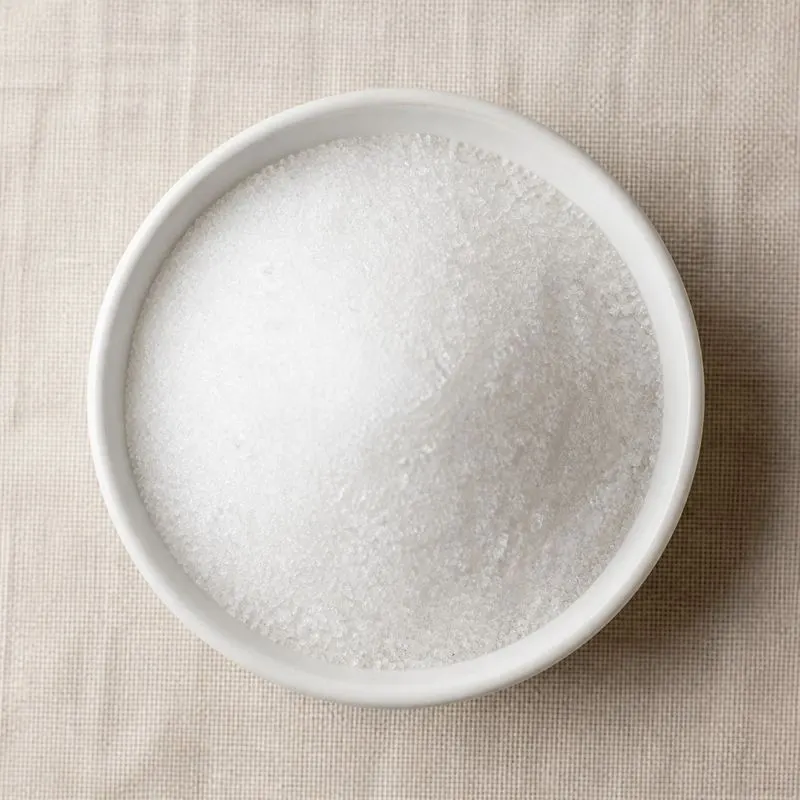
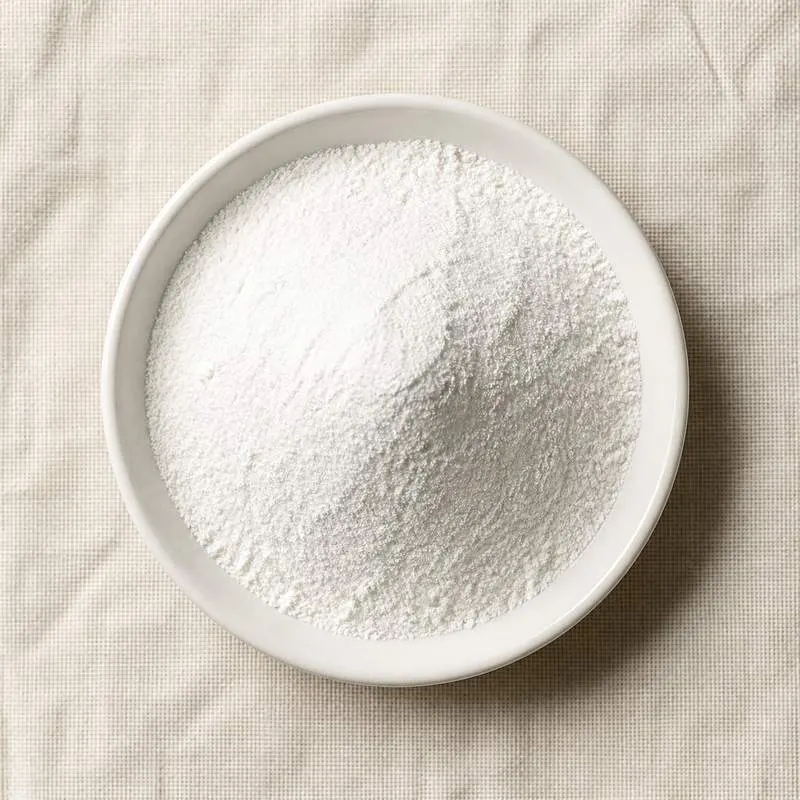
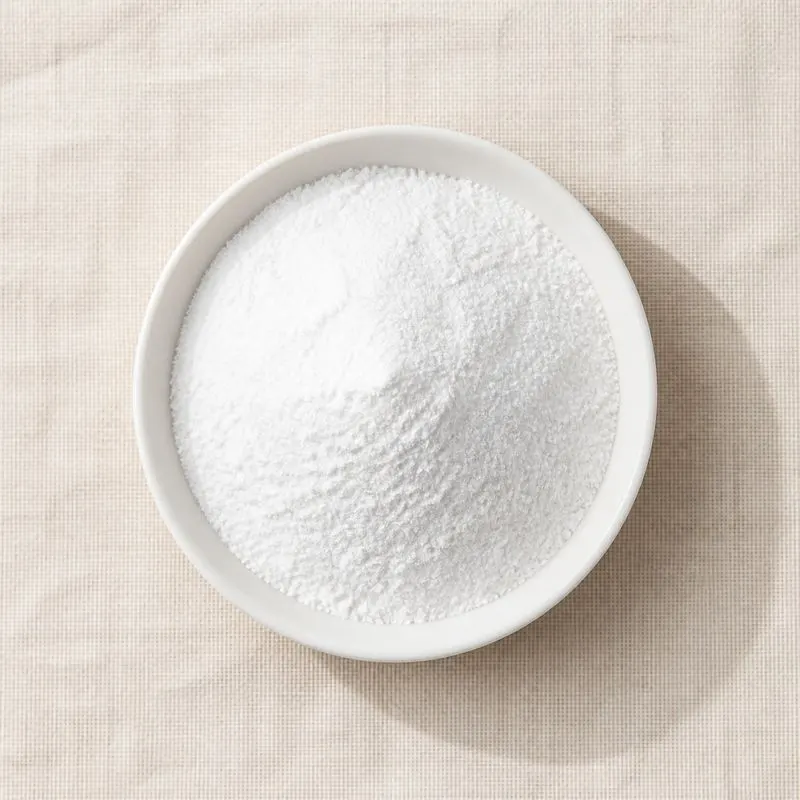
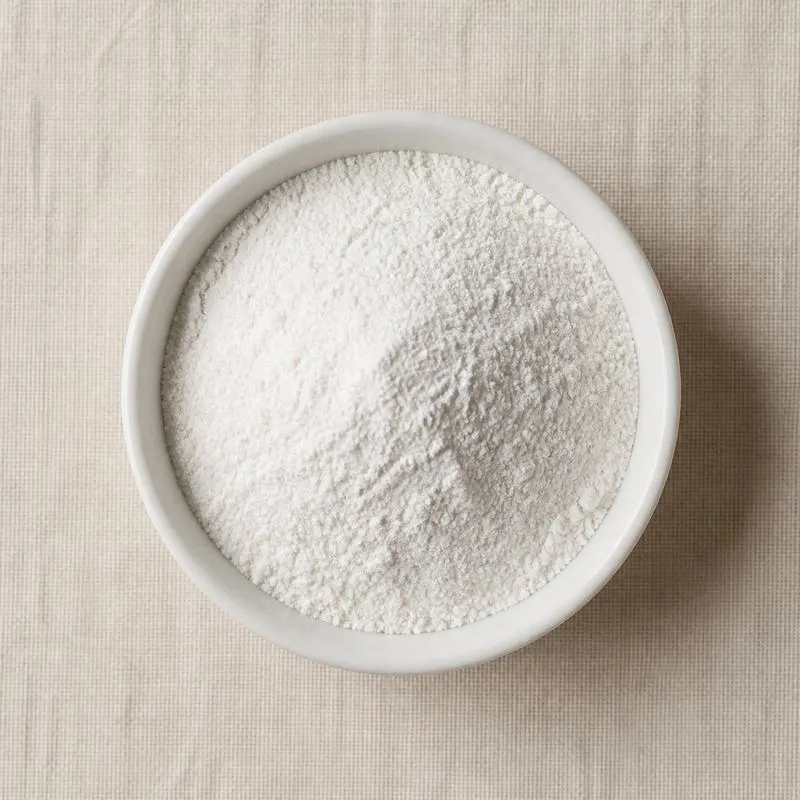
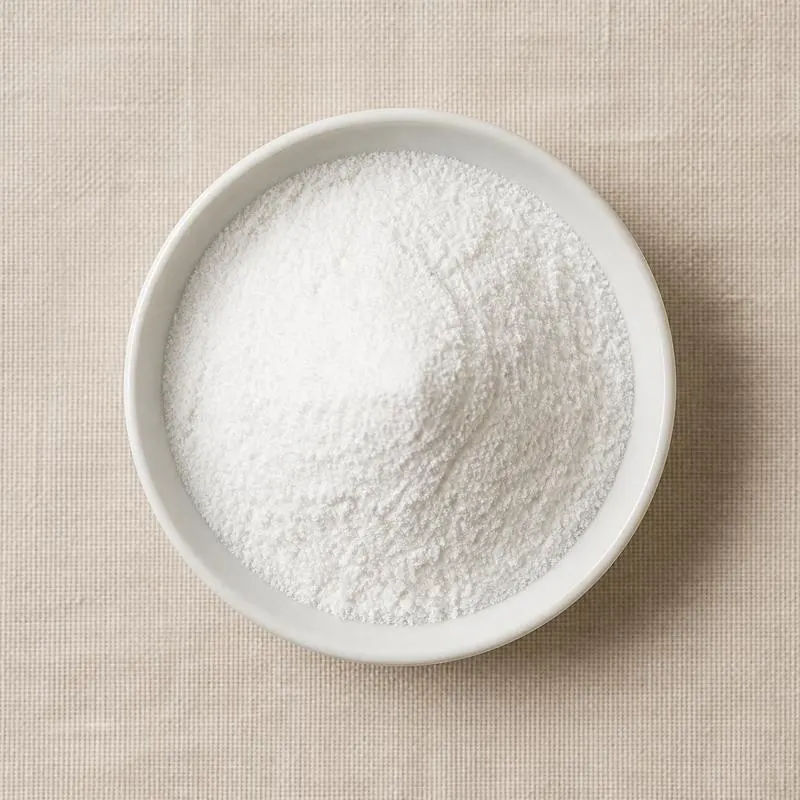
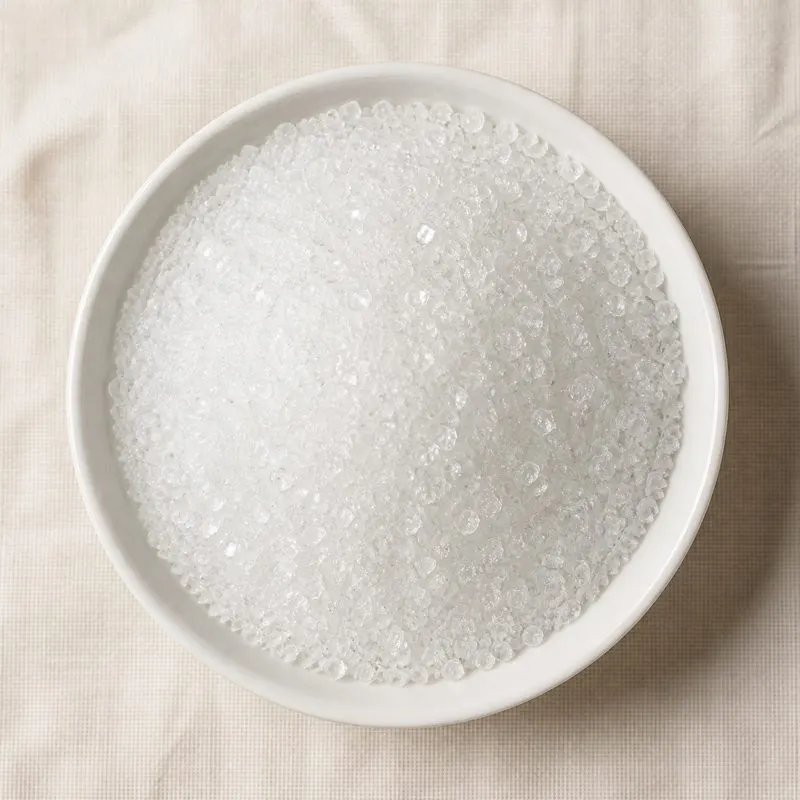
It is a white crystalline solid, sold as prills, flakes, granules or powder, and it is one of the most soluble calcium salts in common use, dissolving freely in water and in ethanol. Dissolution of the anhydrous salt is strongly exothermic, so process solutions are made up with control of temperature and rate of addition. A solution is close to neutral, at about pH eight or below depending on grade, and it carries a distinctly salty and bitter taste which limits how much can be added to a food before the flavour sets the limit.
Its firming action comes from the calcium ion cross linking the de-esterified pectin of plant cell walls, forming a calcium pectate network that holds tissue rigid through blanching, canning and freezing. The same cross linking chemistry sets alginate gels instantly on contact, which is the basis of spherification and of restructured food production, and in cheesemaking the added calcium restores the balance that pasteurisation disturbs so that rennet forms a firm curd. The anhydrous salt is strongly deliquescent and must be kept in sealed moisture barrier packaging.
We source bulk Calcium Chloride from top China manufacturers for our partners. The manufacturer is in Jiangsu. A smaller requirement can ship in a combined container with other ingredients.
Please send the grade you need, the volume and your destination port, and we will come back with a solution and a price.
or call +86-21-6858 0751
- Function
- Mineral salt
Specifications
| Item | Specification |
|---|---|
| Appearance | White prills, flakes, granules or crystalline powder |
| Identification | Positive for calcium and for chloride |
| Assay as CaCl2 | Not less than 93.0% for the anhydrous grade |
| pH of 5% aqueous solution | 4.5 to 9.2 |
| Alkalinity as Ca(OH)2 | Not more than 0.25% |
| Magnesium and alkali salts | Not more than 5.0% |
| Sulphate | Not more than 0.05% |
| Fluoride | Not more than 40 mg/kg |
| Iron | Not more than 20 mg/kg |
| Heavy metals as lead | Not more than 10 mg/kg |
| Lead | Not more than 2.0 mg/kg |
| Arsenic | Not more than 3.0 mg/kg |
| Water insoluble matter | Not more than 0.1% |
| Particle size | Prill 1 to 4 mm, or milled as specified |
Common Markets Grades
Food grade calcium chloride is made to a food chemicals codex or equivalent monograph and is traded in three hydration states. The anhydrous grade assays at ninety three percent or above and is the most concentrated and the most hygroscopic, the dihydrate is the general purpose form at around seventy seven percent, and the hexahydrate is used where a lower concentration solution is convenient. Ready made brine solutions at thirty to thirty five percent are also sold to plants that would rather not handle a deliquescent solid.
Physical form is chosen for handling rather than for chemistry: prills and pellets dissolve without dusting and are preferred for making up brine, flakes and granules for dry addition, and milled powder for dry blending into premixes. Pharmaceutical grade meets a pharmacopoeial monograph and is used in infusion and dialysis solutions, and technical grade, which is the largest volume by far, goes to road de-icing, dust control, concrete acceleration and oilfield brines and is not interchangeable with food grade.
Applications
- Cheesemaking, restoring the calcium balance of pasteurised milk so that rennet forms a firm curd
- Canned tomatoes, peppers and other vegetables, firming the tissue so it survives thermal processing
- Pickles and fermented vegetables, maintaining crispness as a partial replacement for sodium chloride
- Tofu and soy protein coagulation, as an alternative coagulant to the magnesium salts
- Alginate spherification and restructured foods, setting the gel instantly on contact
- Sports and electrolyte drinks, contributing calcium and adjusting mineral profile
- Brewing, correcting water hardness and supporting enzyme activity and yeast flocculation
- Bottled and treated water, as part of a mineral adjustment blend
- Freezing brines and refrigeration systems, using the low freezing point of concentrated solutions
Brands Using Calcium Chloride
Widely-distributed consumer products that list Calcium Chloride on the ingredient label.
- Muir GlenOrganic Diced Tomatoes ↗Calcium chloride closes the ingredient list and is used as a firming agent that keeps the tomato dice intact in the can.Label verified 2026-08-31
- Muir GlenOrganic Whole Peeled Tomatoes ↗The ingredient list is organic whole tomatoes, organic tomato juice, sea salt, citric acid and calcium chloride.Label verified 2026-08-31
Brand names, product names and logos are the property of their owners. They appear here as published evidence that the ingredient is used, taken from the brand's own label or website. Their appearance is not an endorsement, and it does not mean the brand buys from us or from any manufacturer listed on this site.
China Manufacturers of Calcium Chloride
Top Calcium Chloride manufacturers in China.

Company names and logos are the property of the manufacturers themselves. They are listed here because our own directory records them as producing this ingredient. A listing is not an endorsement by them, and we do not represent them or speak on their behalf.
Regulatory Status
In the United States 21 CFR Part 184 affirms calcium chloride as generally recognised as safe and lists it among the direct food substances so affirmed, for use as an anticaking agent, antimicrobial agent, curing and pickling agent, firming agent, humectant, nutrient supplement, pH control agent, processing aid, stabiliser and texturiser. Specific permissions also appear within standards of identity, notably in the cheese standards of 21 CFR Part 133, which name calcium chloride among the optional ingredients and cap the quantity that may be added to the milk. It is declared in the ingredient statement by name, and a pharmacopoeial monograph covers pharmaceutical use.
In the European Union calcium chloride is an authorised food additive under the E number E509, listed in Regulation (EC) No 1333/2008 for use according to good manufacturing practice across a broad range of categories, with purity criteria in Regulation (EU) No 231/2012. The annexes to Regulation (EC) No 1925/2006 and to the food supplements directive separately authorise it as a source of calcium for nutritional purposes, and the sectoral rules for winemaking and cheese cover its use in those products. Codex includes calcium chloride in its general standard for food additives, and the Joint FAO WHO Expert Committee on Food Additives has published a specification for it and has evaluated it without raising a safety concern at the levels used in food.
Manufacturing Process
Two industrial routes dominate. Most technical calcium chloride is recovered as a by product of the Solvay soda ash process, in which the ammonia is regenerated from ammonium chloride with lime and calcium chloride liquor is left behind; that liquor is purified and concentrated but is not the usual starting point for a food grade product. Food grade material is more often made deliberately by neutralising hydrochloric acid with high purity limestone or with milk of lime in an agitated reactor, a reaction that gives off carbon dioxide and a lot of heat, both of which are managed by controlled acid addition and cooling.
The resulting liquor is neutralised to a slight excess of calcium, then treated to precipitate iron, magnesium, sulphate and heavy metals, which are removed by settling and filtration, sometimes with a carbon polish. The clarified brine is concentrated in a multiple effect evaporator, and how it is finished determines the hydration state of the product: crystallising and centrifuging from a cooled liquor gives the hexahydrate or dihydrate, while spray drying or prilling a hot concentrated melt gives the anhydrous salt as beads. Flakes are produced by running the concentrated melt onto a chilled drum and scraping off the solidified sheet. The dried product is screened, sampled for assay, alkalinity, sulphate and heavy metals, and packed immediately into moisture barrier lined bags or sealed drums, since it absorbs water rapidly from the air.