Alginate
Alginate is a family of anionic polysaccharides extracted from the cell walls of brown seaweed in the order Laminariales. Commercial sources include Laminaria, Macrocystis, Ascophyllum, and Lessonia species.
The polymer is a linear copolymer of β-D-mannuronate (M) and α-L-guluronate (G) residues. The ratio and block sequence of M and G determine gelling strength and viscosity.
We source bulk Alginate from top China manufacturers for our partners. The manufacturers are in Shandong. A smaller requirement can ship in a combined container with other ingredients.
Please send the grade you need, the volume and your destination port, and we will come back with a solution and a price.
or call +86-21-6858 0751
- Packaging
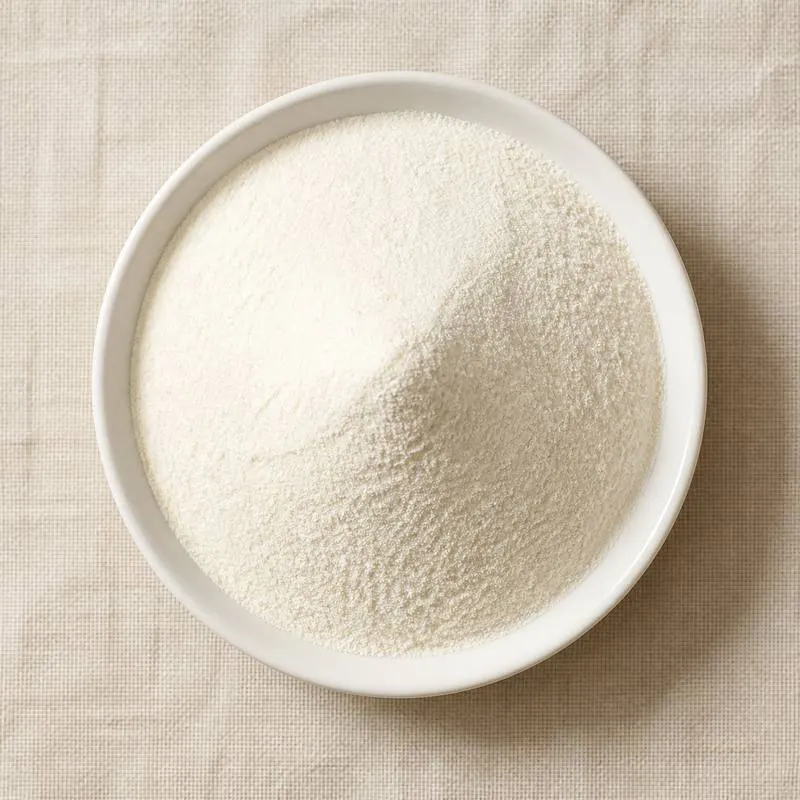
- 25 kg kraft paper bag with PE inner liner
- ISO 9001
- HACCP
- Halal
- Kosher
Specifications
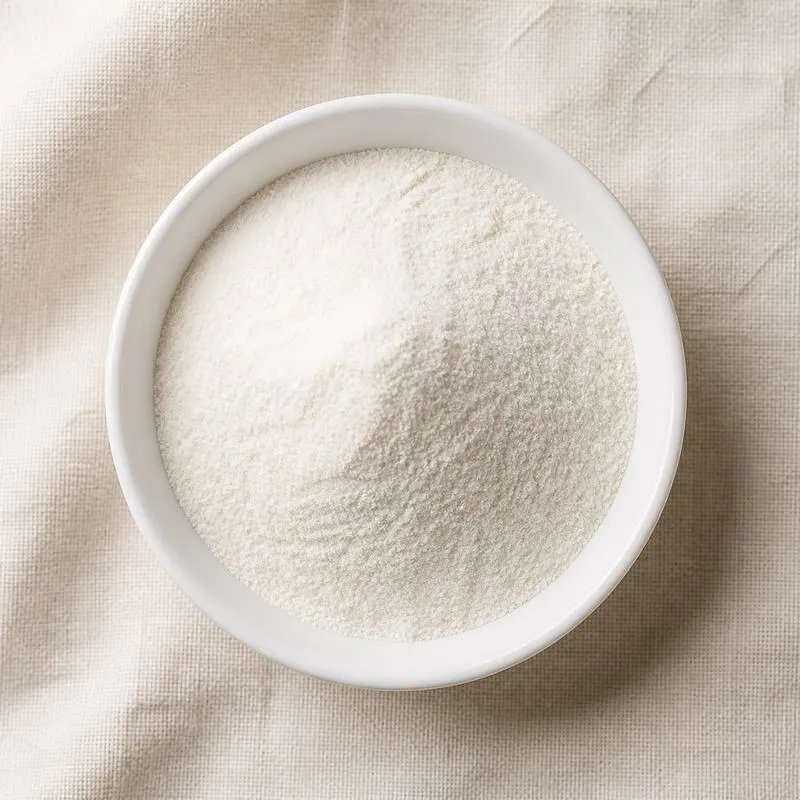
Grades / Types Available: Food grade sodium alginate, Industrial grade sodium alginate, Low molecular weight alginate
| Item | Specification |
|---|---|
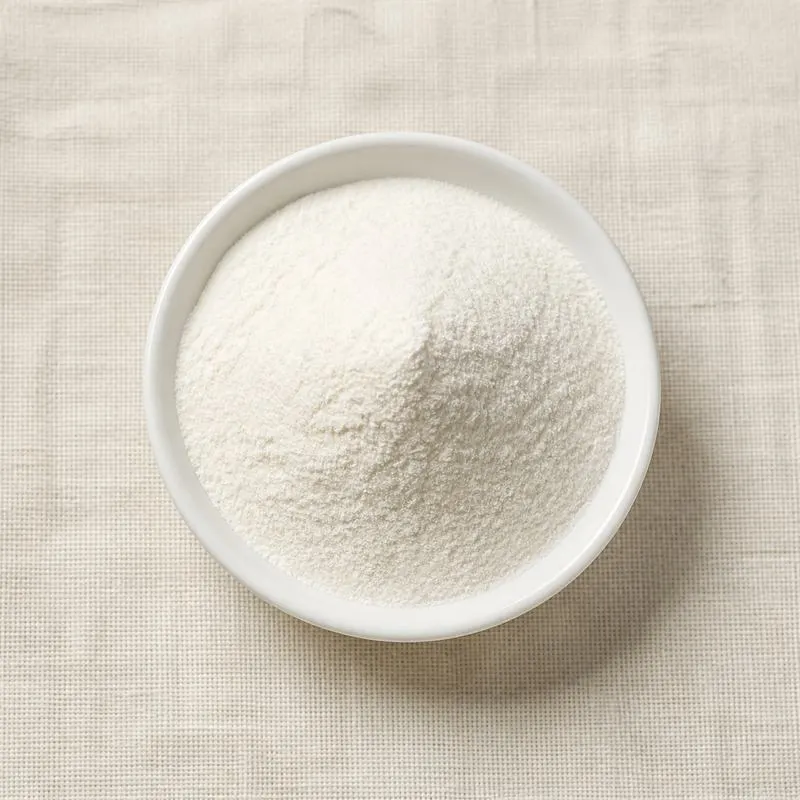
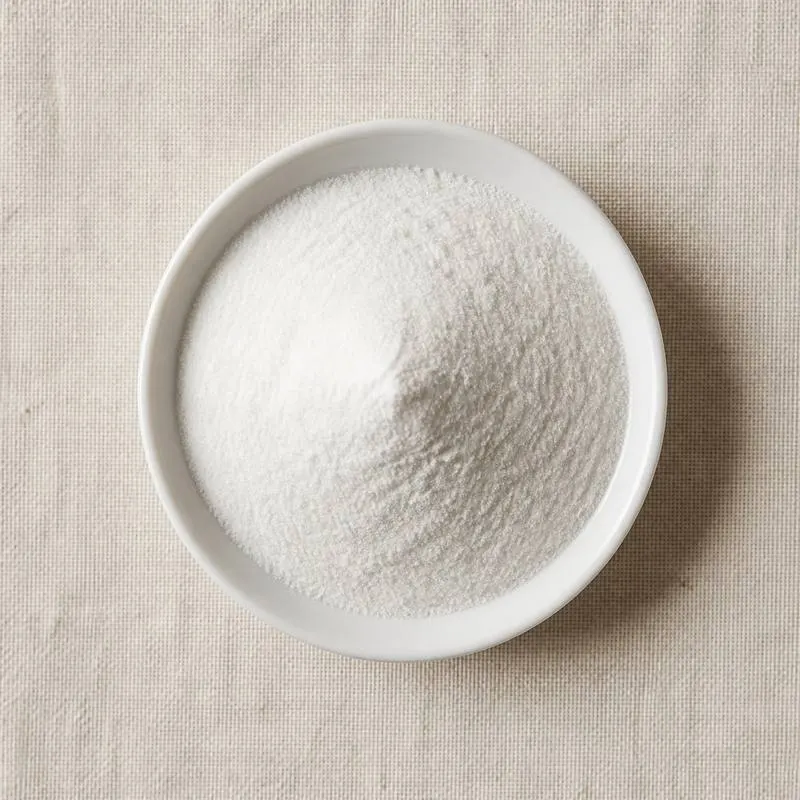
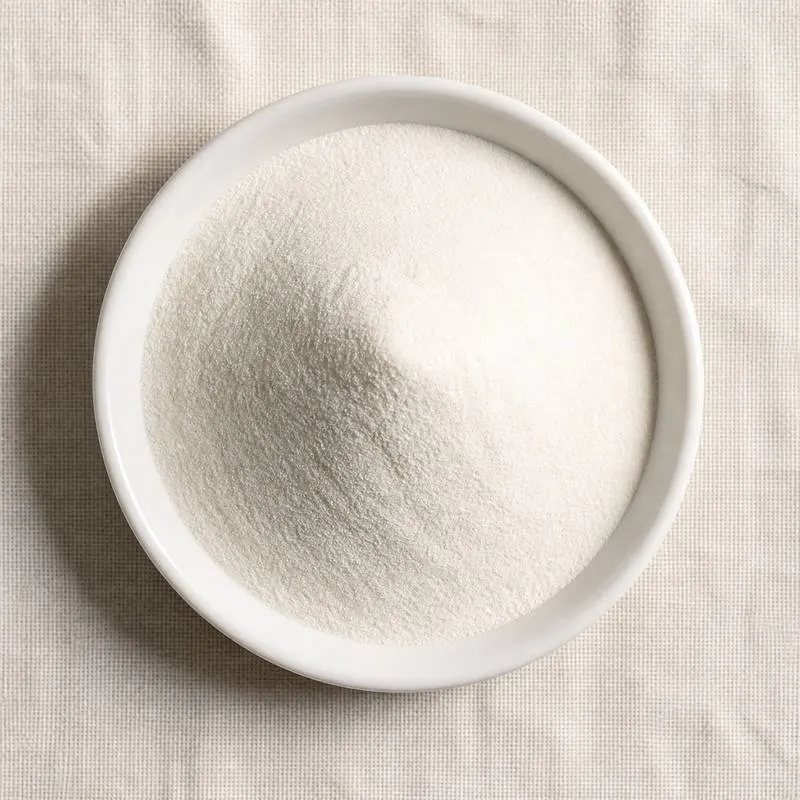
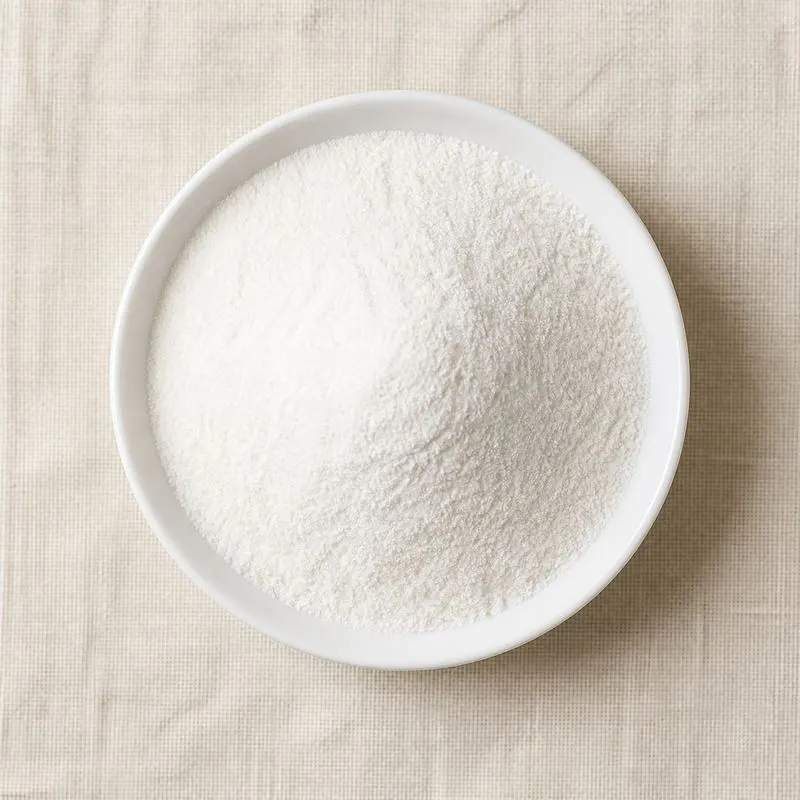
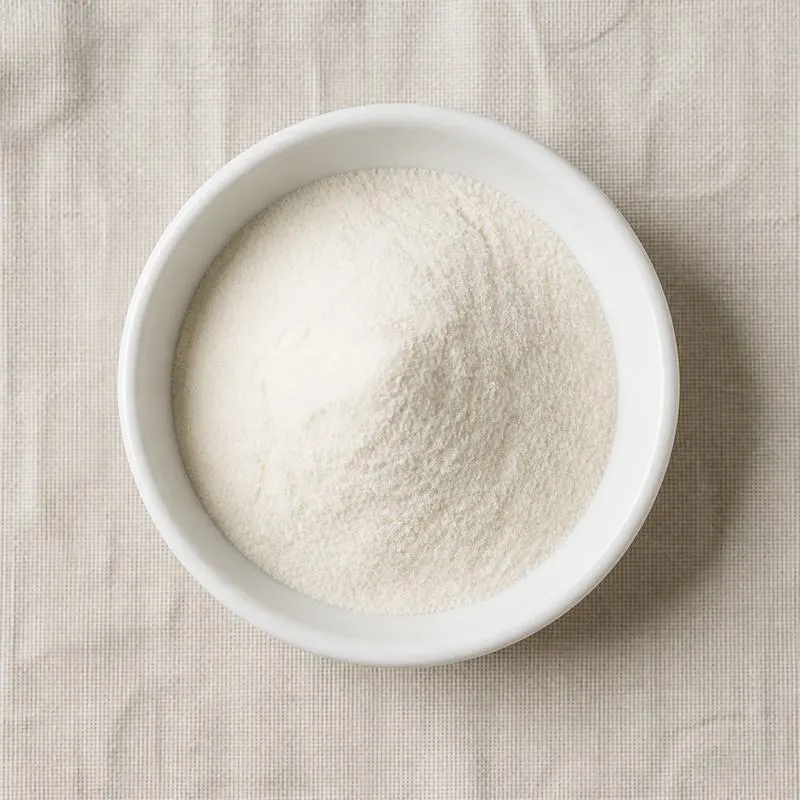
| Appearance | White to yellowish-brown powder |
| Assay (as Sodium Alginate, dry basis) | ≥ 90.8% |
| Loss on Drying | ≤ 15.0% |
| pH (1% solution) | 6.0–8.0 |
| Viscosity (1% solution, 25°C) | 100–1500 mPa·s (various grades) |
| Arsenic (as As) | ≤ 3 ppm |
| Lead (as Pb) | ≤ 4 ppm |
| Heavy Metals | ≤ 20 ppm |
| Total Plate Count | ≤ 5,000 CFU/g |
| Yeast & Mold | ≤ 500 CFU/g |
| Moisture/Loss on Drying | 10% |
| Particle Size/Mesh | 30/60/80/100/120/170/200目 |
Common Markets Grades
Alginate trades as a series of salts and as the free acid.
Sodium alginate (E401) is the standard water-soluble form for thickening, film forming, and reaction-set gels with calcium. It dominates by volume.
Potassium alginate (E402) and ammonium alginate (E403) are used where sodium content is restricted or where specific cation balance is preferred.
Calcium alginate (E404) comes as pre-formed insoluble fibres and beads for restructured foods and biomedical scaffolds.
Propylene glycol alginate (E405) is an acid-stable ester used in beer foam stabilisation, salad dressings, and low-pH beverages.
Each salt spans low, medium, and high viscosity, and high-G or high-M block ratios depending on application.
Applications
- Restructured meat, seafood analogues, and structured pimento for olives via calcium gelation
- Bakery glazes, fruit fillings, and pie glazes that need bake stability
- Cold-set fruit preparations and dessert gels
- Beer foam stabilisation, typically with propylene glycol alginate
- Pharmaceutical wound dressings and haemostatic fibres
- Dental impression materials as fast-setting calcium-reacted gels
- Encapsulation of probiotics, flavours, and active ingredients
- Textile printing pastes for reactive-dye fixation
- Aquaculture feed binders and pellet integrity
- Molecular gastronomy spherification and reverse spherification
Brands Using Alginate
Widely-distributed consumer products that list Alginate on the ingredient label.
- Modernist PantrySodium Alginate ↗100% Pure Food Grade Sodium Alginate Powder (E401) for spherification and molecular gastronomyLabel verified 2026-05-25
- Cape Crystal BrandsSpherification Kit (Sodium Alginate + Calcium Chloride) ↗Kit includes 8 oz pure Sodium Alginate and 8 oz Calcium ChlorideLabel verified 2026-05-25
- Genestra BrandsSodium Alginate ↗Active ingredients: Sodium Alginate 400 mg (from Laminaria hyperborea seaweed), Vitamin C 2 mgLabel verified 2026-05-25
- RX VitaminsAlginate Plus Detox Supplement ↗Each capsule contains Alginate (sodium alginate) 400 mg and Milk Thistle 40 mgLabel verified 2026-05-25
- Impossible FoodsImpossible Sausage Links ↗Edible casing made with sodium alginate, konjac gum, and guar gumLabel verified 2026-05-25
- Beyond MeatBeyond Sausage Hot Italian ↗Ingredients list ends with 'Sodium Alginate Casing'Label verified 2026-05-25
Brand names, product names and logos are the property of their owners. They appear here as published evidence that the ingredient is used, taken from the brand's own label or website. Their appearance is not an endorsement, and it does not mean the brand buys from us or from any manufacturer listed on this site.
China Manufacturers of Alginate
Top Alginate manufacturers in China.
 Qingdao Bright Moon Seaweed Group Co., Ltd.7 ingredients in the directory
 Qingdao Hyzlin Biology Development Co., Ltd.1 ingredient in the directory
Company names and logos are the property of the manufacturers themselves. They are listed here because our own directory records them as producing this ingredient. A listing is not an endorsement by them, and we do not represent them or speak on their behalf.
How We Help Source Alginate
Direct Factory Sourcing
We run the whole process: selecting the manufacturer from the top Chinese food ingredient producers, negotiating the price, verifying quality, and coordinating the logistics. You deal with us instead of with several factories at once.
Original Packaging and Documents from the Manufacturer
The manufacturer sends your Alginate out of its own factory in the original packing, through to your destination port. The COA, COO, MSDS, TDS and any certifications reach you from the manufacturer as well.
Free Samples and Lead Time
We send 100 to 500 g free for your own laboratory to test and you cover only the courier, usually within 2 to 3 working days. ETD is usually within 7 to 15 days once the order is confirmed, and we check that date against the factory's own manufacturing schedule before we give it to you.
Combined Shipment
We can load Alginate together with other ingredients such as Carrageenan, Sodium Carboxymethyl Cellulose and Agar Agar into one 20' FCL. If your quantity is small, we can also ship LCL.
Regulatory Status
The alginate family is approved as food additives in essentially all regulated markets.
The European Union lists E401 sodium, E402 potassium, E403 ammonium, E404 calcium alginate, and E405 propylene glycol alginate under Regulation (EC) No 1333/2008. The U.S. FDA permits the salts under 21 CFR 184.1187 through 184.1724 and PGA under 21 CFR 172.858.
JECFA has reviewed the family and assigned ADI not specified for the salts and a defined ADI for propylene glycol alginate.
Halal, Kosher, vegan, and non-GMO certifications are routinely available.
Manufacturing Process
Brown seaweed is harvested or cut from natural beds, principally in Chile, Peru, Norway, France, China, and along the U.S. west coast.
The dried weed is treated with sodium carbonate solution, which converts the alginic acid in the cell walls into soluble sodium alginate. Cellulose and other insoluble matter are filtered out.
The clarified extract is acidified to precipitate alginic acid, which is then converted back to the chosen salt form by reaction with the appropriate base. The resulting paste is dewatered, dried, and milled to specification.
Propylene glycol alginate is made by reacting moist alginic acid with propylene oxide under pressure, esterifying the carboxyl groups.