Calcium Citrate Malate
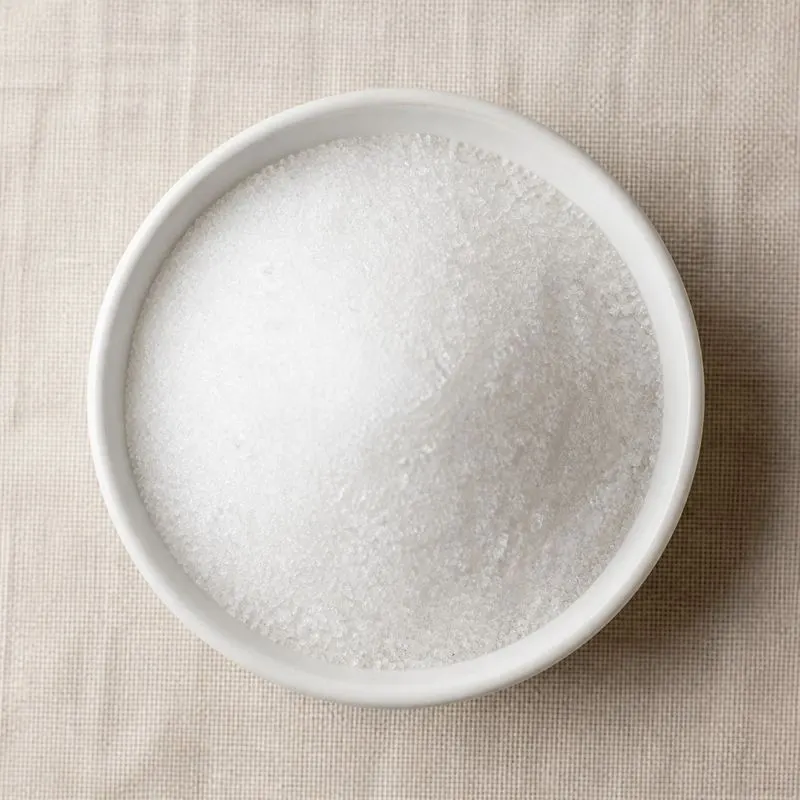
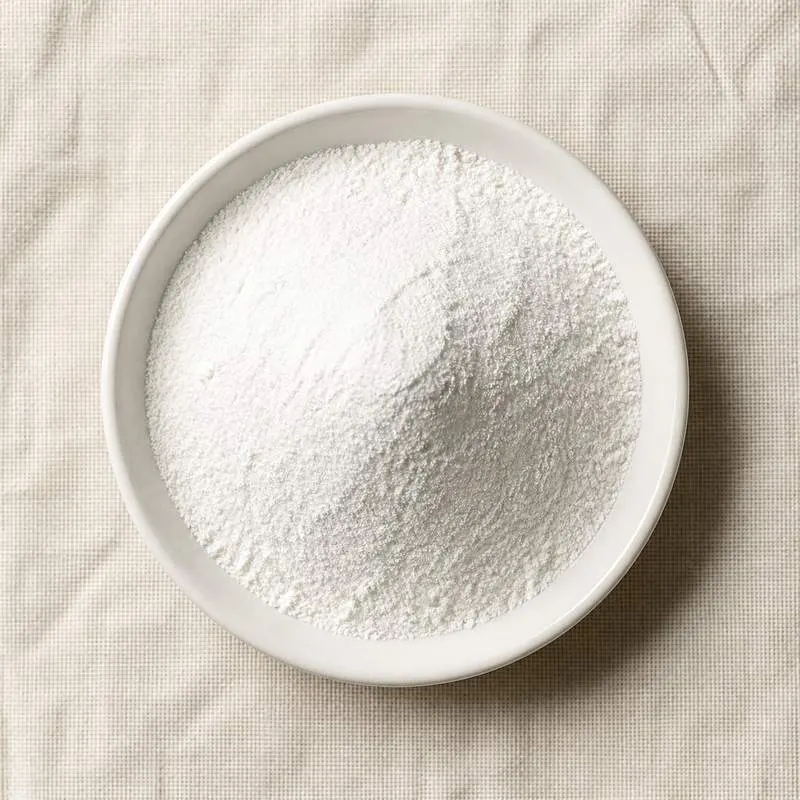
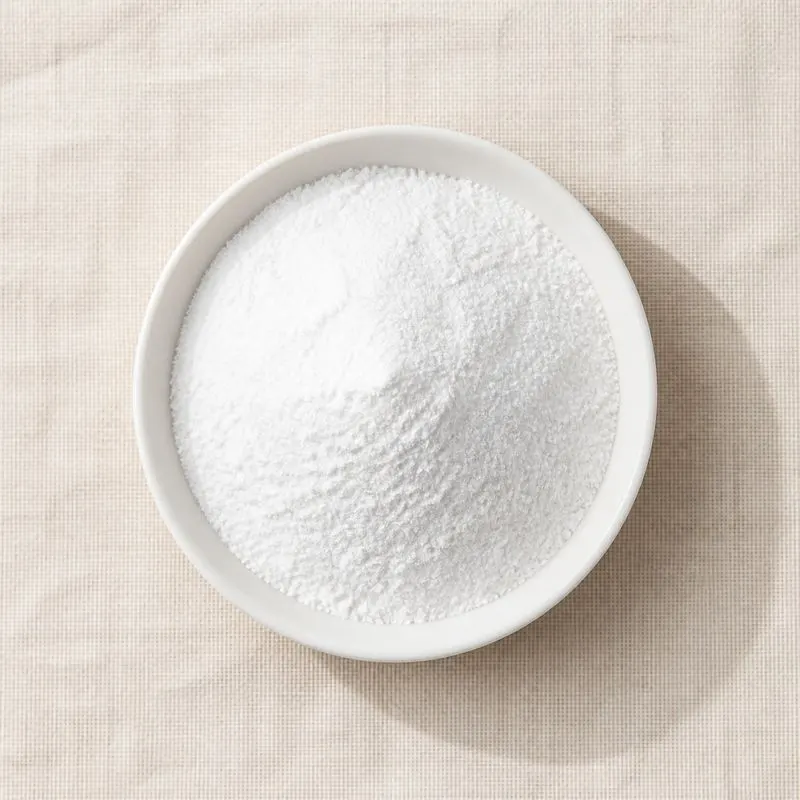
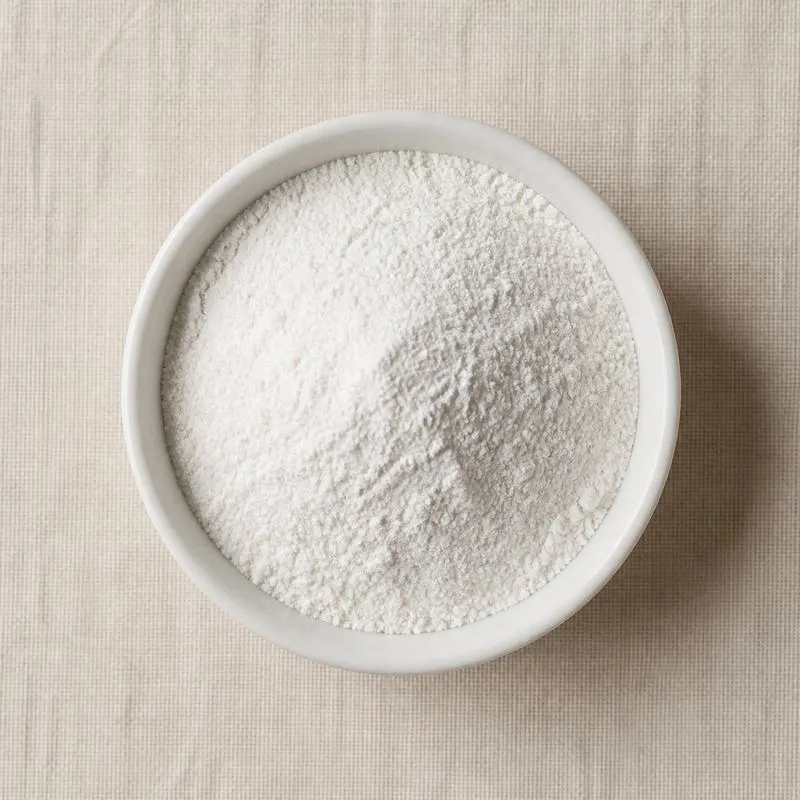
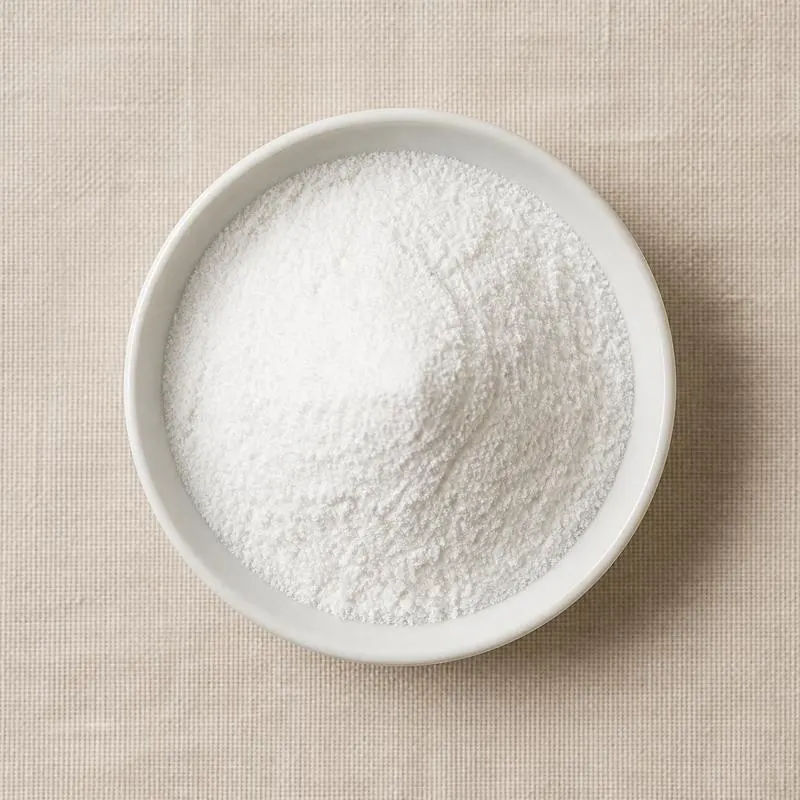
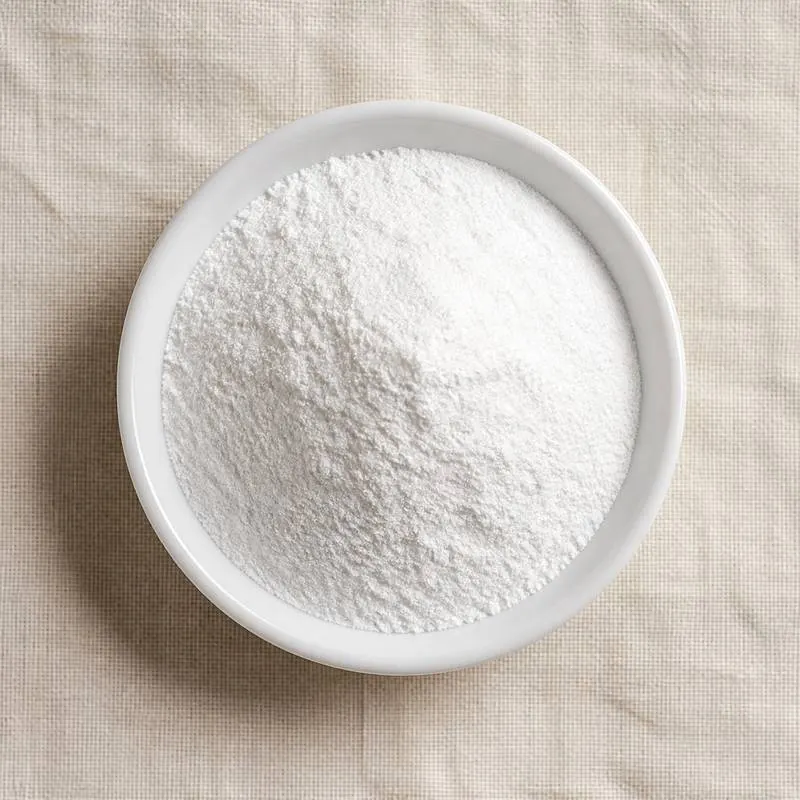
Calcium Citrate Malate, commonly abbreviated CCM, is a mixed calcium salt of citric and malic acids that delivers calcium in a highly bioavailable form for nutritional fortification.
The compound is not a simple stoichiometric salt but a mixed-anion complex, typically formulated with a calcium-to-citrate-to-malate molar ratio chosen for solubility and absorption performance. It carries a calcium content in the 18 to 22 percent range depending on the specific composition.
We source bulk Calcium Citrate Malate from top China manufacturers for our partners. The manufacturers are in Hebei and Henan. A smaller requirement can ship in a combined container with other ingredients.
Please send the grade you need, the volume and your destination port, and we will come back with a solution and a price.
or call +86-21-6858 0751
- Packaging
- 25 kg kraft paper bag with PE inner liner
- ISO 9001
- HACCP
- Halal
- Kosher
Specifications
Grades / Types Available: Food Grade, Pharmaceutical Grade
| Item | Specification |
|---|---|
| Appearance | White to off-white powder |
| Calcium Content | 20-24% |
| Citric Acid | 45-55% |
| Malic Acid | 10-15% |
| pH (1% solution) | 3.5-5.0 |
| Moisture | ≤ 10.0% |
| Heavy Metals (as Pb) | ≤ 10 mg/kg |
| Arsenic | ≤ 3 mg/kg |
| Solubility | Water-soluble |
| Citric Acid Content | Integral part of calcium citrate malate |
| Malic Acid Content | Contributes to bioavailability of calcium |
| Bioavailability | High bioavailability due to chelation |
| Stability | Generally stable under normal storage conditions |
Common Markets Grades
CCM is produced almost exclusively for nutritional fortification, and grade selection depends on the application format rather than on a purity tier.
The standard beverage-fortification grade is a fine white to off-white powder optimised for dispersion in juice, plant milk, and functional drink bases. It carries a controlled particle size to minimise sedimentation in low-viscosity drink bases.
A direct-compression grade is granulated for use in chewable calcium tablets and multivitamin supplements where flow and tableting behaviour matter.
A high-clarity grade is sold to manufacturers of clear fortified beverages, where any haze in the finished product is unacceptable. Particle size and the citrate-to-malate ratio are tuned to maximise solubility at the use level.
All commercial grades meet FCC purity specifications. Stated calcium content is the primary commercial specification, alongside heavy-metal limits.
Applications
- Calcium fortification of orange juice and other citrus beverages, the original launch application
- Plant-based milks: soy, almond, oat, rice, and coconut for calcium claims comparable to dairy
- Functional and sports beverages positioned on bone-health benefits
- Chewable calcium tablets and multivitamin supplements
- Bar and snack fortification, including protein bars and meal-replacement bars
- Powdered nutritional beverages and meal-replacement drink mixes
- Infant and toddler nutritional products as a readily soluble calcium source
- Clinical nutrition formulas for elderly and post-menopausal bone-health programs
- Effervescent calcium tablets where solubility and palatability are required
- Fortified yogurts and dairy analogues that carry absorption claims
Brands Using Calcium Citrate Malate
Widely-distributed consumer products that list Calcium Citrate Malate on the ingredient label.
- GNCGNC Calcimate Plus 800 with Magnesium & Vitamin D-3 ↗Four tablets supply calcium citrate malate 800 mg, magnesium 100 mg and vitamin D3 50 mcg.Label verified 2026-05-24
- Pure EncapsulationsPure Encapsulations Calcium Magnesium (citrate/malate) ↗Pure Encapsulations Calcium Magnesium (citrate/malate) supplement label lists Calcium (as calcium citrate/malate) 75 mg and Magnesium (as magnesium citrate/malate) 75 mg per capsule, plus ascorbyl palmitate.Label verified 2026-05-24
- Tropicana (historical, FruitCal program)Tropicana Pure Premium Orange Juice with Calcium (FruitCal era) ↗Tropicana Pure Premium with Calcium was fortified with the FruitCal source, calcium citrate malate, from August 1997. Current stock has reformulated to calcium hydroxide with citric and malic acids.Label verified 2026-05-24
Brand names, product names and logos are the property of their owners. They appear here as published evidence that the ingredient is used, taken from the brand's own label or website. Their appearance is not an endorsement, and it does not mean the brand buys from us or from any manufacturer listed on this site.
China Manufacturers of Calcium Citrate Malate
Top Calcium Citrate Malate manufacturers in China.
 The Greatwall Bio-chemical Engineering Co., Ltd.5 ingredients in the directory
 Zhengzhou Ruipu Biological Engineering Co., Ltd.7 ingredients in the directory
Company names and logos are the property of the manufacturers themselves. They are listed here because our own directory records them as producing this ingredient. A listing is not an endorsement by them, and we do not represent them or speak on their behalf.
How We Help Source Calcium Citrate Malate
Direct Factory Sourcing
We run the whole process: selecting the manufacturer from the top Chinese food ingredient producers, negotiating the price, verifying quality, and coordinating the logistics. You deal with us instead of with several factories at once.
Original Packaging and Documents from the Manufacturer
The manufacturer sends your Calcium Citrate Malate out of its own factory in the original packing, through to your destination port. The COA, COO, MSDS, TDS and any certifications reach you from the manufacturer as well.
Free Samples and Lead Time
We send 100 to 500 g free for your own laboratory to test and you cover only the courier, usually within 2 to 3 working days. ETD is usually within 7 to 15 days once the order is confirmed, and we check that date against the factory's own manufacturing schedule before we give it to you.
Combined Shipment
We can load Calcium Citrate Malate together with other ingredients such as Sodium Acetate, Calcium Citrate and Sodium Lactate into one 20' FCL. If your quantity is small, we can also ship LCL.
Regulatory Status
Calcium Citrate Malate is approved for use as a nutrient source in major regulated markets.
The U.S. Food and Drug Administration affirmed CCM as GRAS following a 1990s notification covering its use as a calcium fortifier in fruit juices and other beverages. The compound is listed in the Code of Federal Regulations within the calcium-supplement category.
In the European Union, Directive 2002/46/EC and Regulation (EC) 1925/2006 on the addition of vitamins and minerals individually permit calcium salts of citric acid and of malic acid as sources of calcium in food supplements. The combined CCM is treated as a mixed salt of these permitted anions.
JECFA has evaluated calcium citrate and calcium malate separately, and both are accepted for use as nutrient sources.
Pharmacopoeial monographs cover calcium citrate (USP) and calcium malate (some national pharmacopoeias). Halal and Kosher certifications are widely available given the mineral-and-fermentation origin of all inputs.
Manufacturing Process
CCM is produced by reacting a calcium source with a controlled blend of citric and malic acids in aqueous solution.
Calcium hydroxide or calcium carbonate is added to a stirred reactor containing citric and malic acids dissolved in water. The molar ratio of the two acids is set to deliver the target functional profile, and the reaction runs until carbon dioxide from the carbonate, or water from the hydroxide, shows that it is complete.
The resulting solution is filtered to remove any insoluble residue, then spray-dried to give the characteristic fine white powder. Spray-drying conditions are tuned to deliver the particle shape and bulk density wanted.
An alternative wet-precipitation route is used when a coarser, denser product is needed. In this version the reaction mixture is concentrated by evaporation until the CCM precipitates, then the solid is filtered, washed, and dried.
The starting acids are both produced industrially by fermentation: citric acid from Aspergillus niger on sugar substrates, and malic acid either by fermentation or by hydration of fumaric acid. The calcium source is mineral-origin lime or limestone.