Calcium Cyclamate
Calcium Cyclamate is a non-nutritive sweetener and the calcium counterpart of sodium cyclamate. Both salts deliver the same active cyclohexanesulfamate anion and the same sweetness intensity, approximately 30 to 50 times that of sucrose.
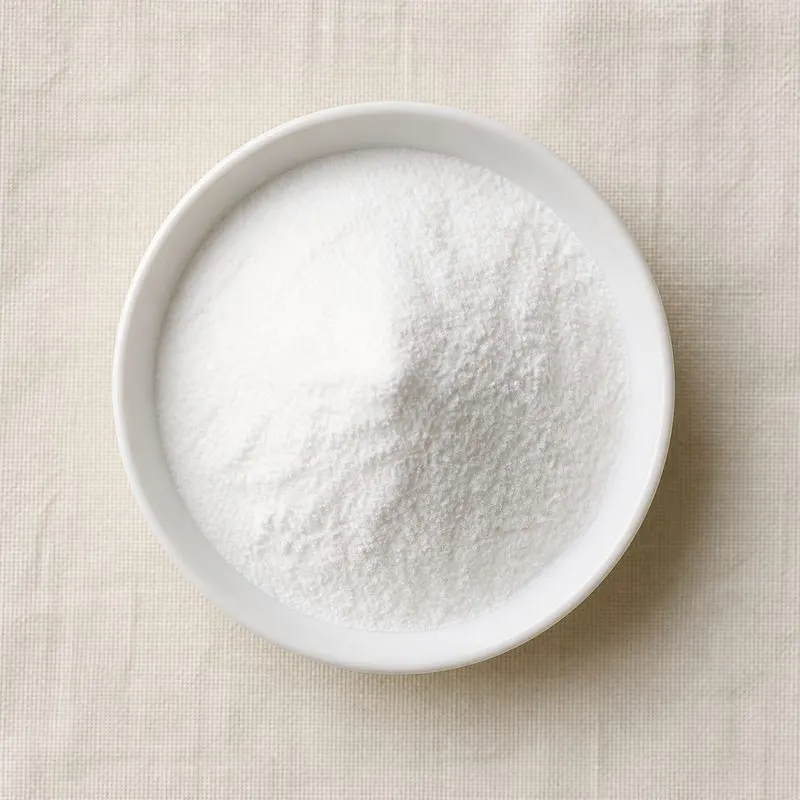
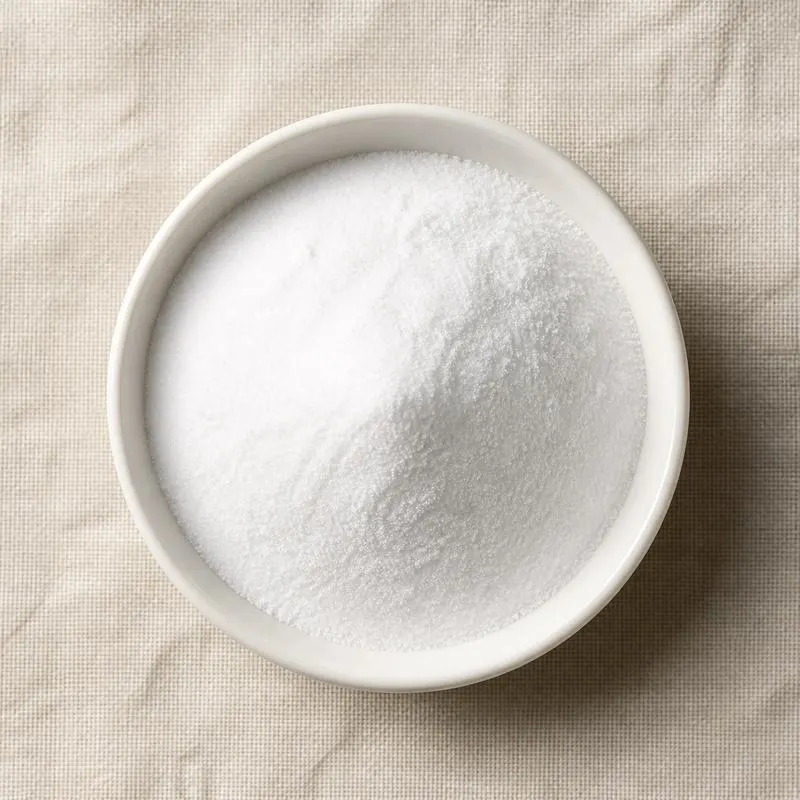
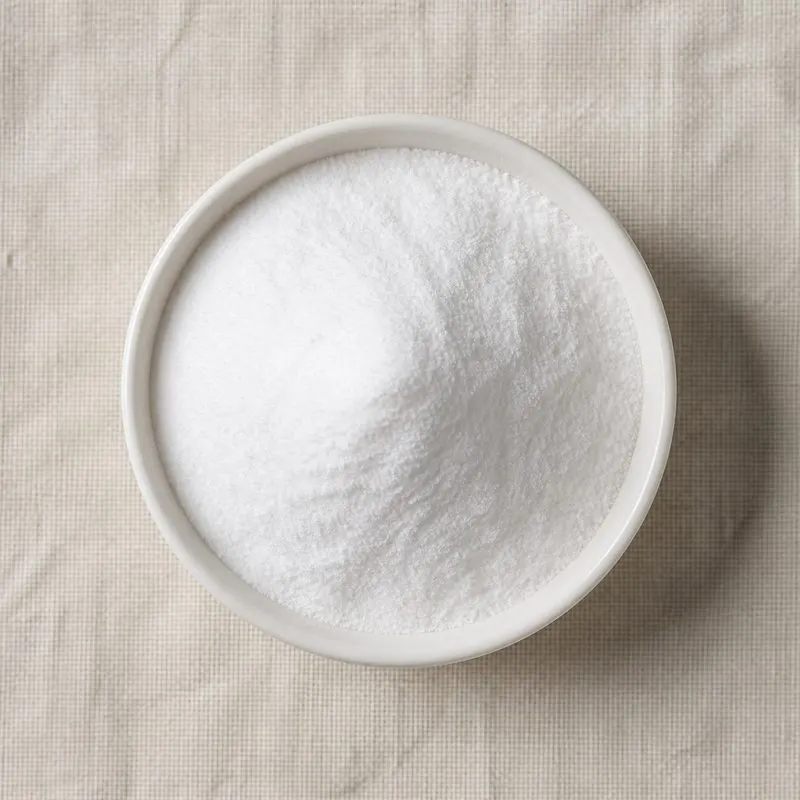
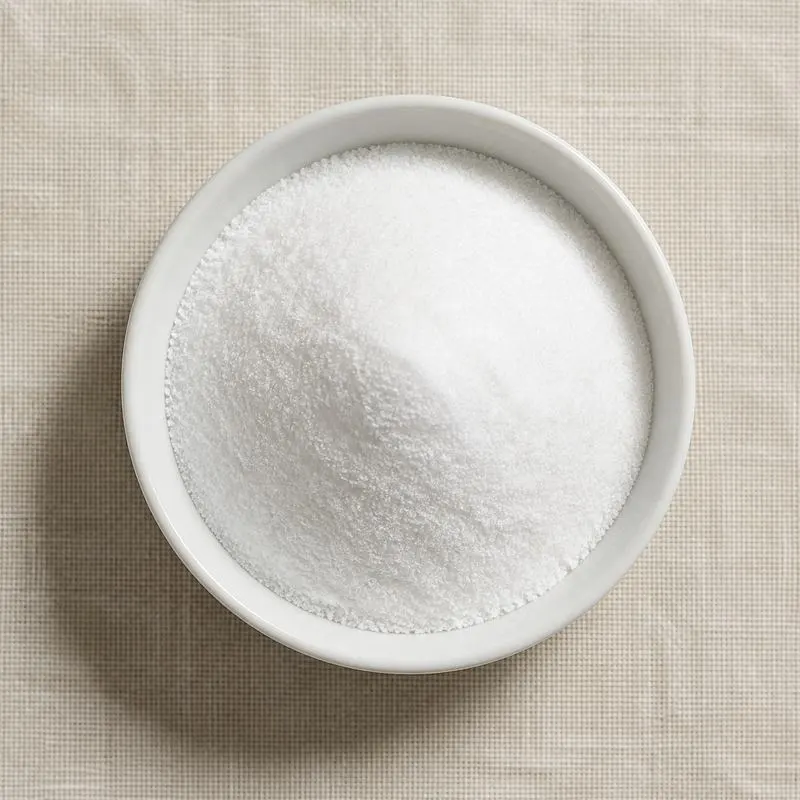
The compound has the formula C₁₂H₂₄CaN₂O₆S₂ and a molar mass of 396.54 g/mol (anhydrous basis). The dihydrate form is more common in commerce. It is a white, odourless crystalline powder that is freely soluble in water.
The calcium salt is preferred over the sodium salt in low-sodium and sodium-restricted formulations, including dietetic products intended for hypertensive consumers and certain clinical-nutrition applications. The sweetness profile is otherwise indistinguishable from sodium cyclamate.
We source bulk Calcium Cyclamate from top China manufacturers for our partners. The manufacturer is in Shanxi. A smaller requirement can ship in a combined container with other ingredients.
Please send the grade you need, the volume and your destination port, and we will come back with a solution and a price.
or call +86-21-6858 0751
- Packaging
- 25 kg kraft paper bag with PE inner liner
- ISO 9001
- HACCP
- Halal
- Kosher
Specifications
| Item | Specification |
|---|---|
| Appearance | White crystalline powder |
| Assay (dry basis) | 98.0% to 101.0% |
| Loss on drying | ≤ 9.0% |
| pH (10% solution) | 5.5 to 7.5 |
| Cyclohexylamine | ≤ 10 mg/kg |
| Dicyclohexylamine | ≤ 1 mg/kg |
| Aniline | ≤ 1 mg/kg |
| Heavy metals (as Pb) | ≤ 10 mg/kg |
| Arsenic | ≤ 3 mg/kg |
| Selenium | ≤ 30 mg/kg |
Common Markets Grades
There are two grades of calcium cyclamate: food and pharmaceutical. Both assay at 98 percent minimum on the dried basis, the pharmaceutical grade to the tighter pharmacopoeial specification.
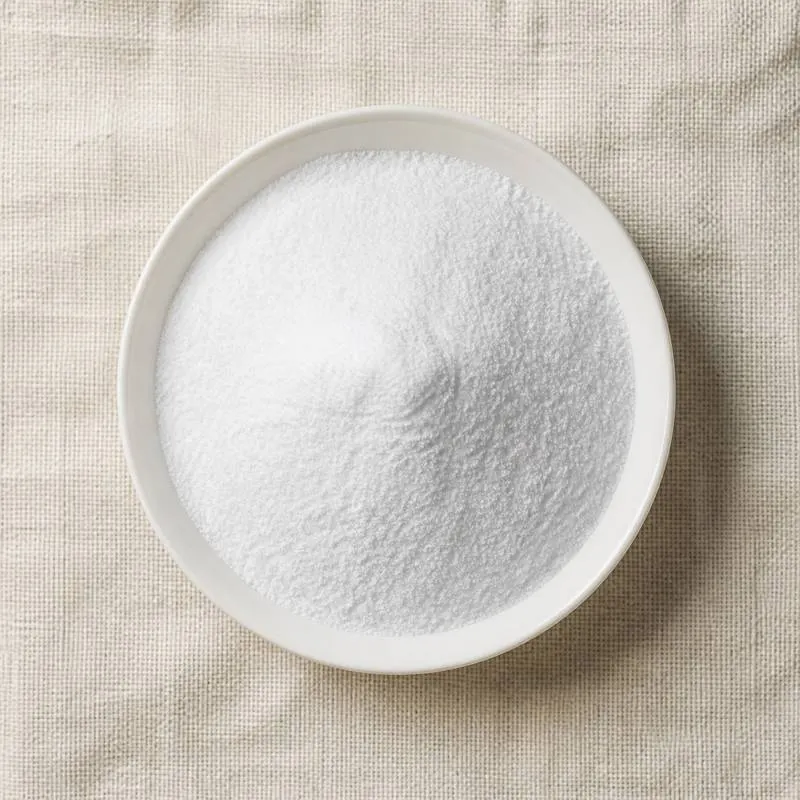
The standard commercial form is the dihydrate, a crystalline powder. A coarser crystalline grade is preferred for tabletop tablets and direct dissolution into syrups, where it disperses cleanly.
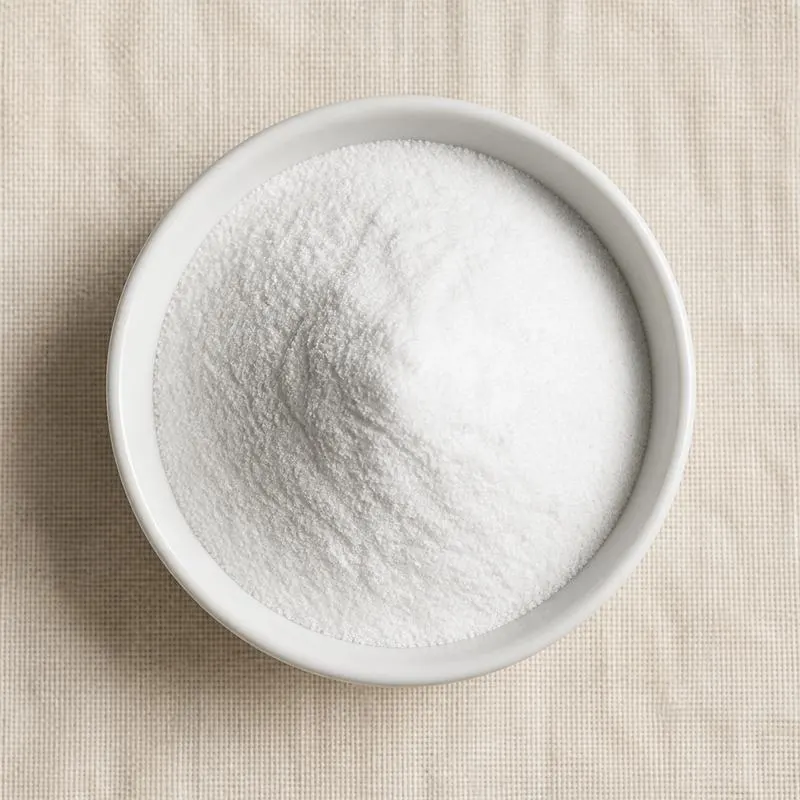
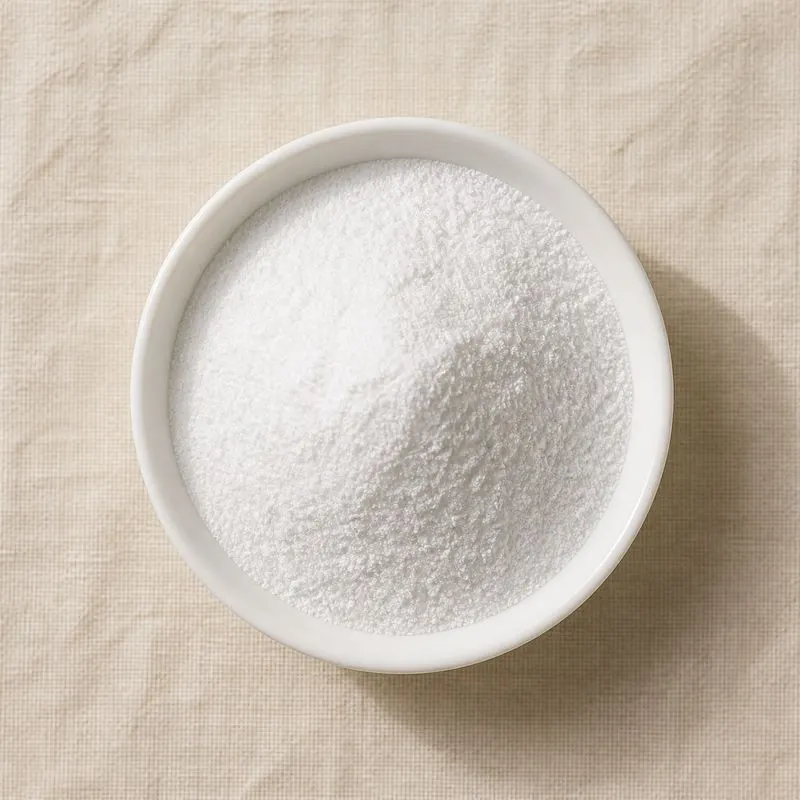
A finer milled grade is used in dry beverage mixes and tablet manufacture, where small particle size supports rapid dissolution and uniform low-dose distribution. Pharmaceutical-grade material complies with the European Pharmacopoeia (Ph. Eur.) and the British Pharmacopoeia (BP), with tight limits on residual cyclohexylamine.
Applications
- Tabletop sweeteners specifically formulated for sodium-restricted diets
- Diet beverages and powdered drink mixes positioned for low-sodium consumers
- Pharmaceutical syrups and pediatric oral suspensions where sodium load matters
- Clinical-nutrition products and meal-replacement formulas for hypertensive or renal patients
- Sugar-free dairy products: yogurt drinks, flavoured milks, and dessert mixes
- Sugar-free jams, jellies, and fruit preserves in low-sodium product lines
- Reduced-sugar canned fruits, fruit cocktails, and dessert toppings
- Sugar-free hard candies, chewing gum, and breath mints
- Sauces, dressings, and condiments in low-sodium formulations
- Chewable vitamin tablets and effervescent supplement tablets
- Toothpaste and mouthwash, where the calcium ion fits the rest of the formulation
- Multi-sweetener blends with calcium saccharin for fully sodium-free intense-sweetener systems
China Manufacturers of Calcium Cyclamate
Top Calcium Cyclamate manufacturers in China.

Company names and logos are the property of the manufacturers themselves. They are listed here because our own directory records them as producing this ingredient. A listing is not an endorsement by them, and we do not represent them or speak on their behalf.
How We Help Source Calcium Cyclamate
Direct Factory Sourcing
We run the whole process: selecting the manufacturer from the top Chinese food ingredient producers, negotiating the price, verifying quality, and coordinating the logistics. You deal with us instead of with several factories at once.
Original Packaging and Documents from the Manufacturer
The manufacturer sends your Calcium Cyclamate out of its own factory in the original packing, through to your destination port. The COA, COO, MSDS, TDS and any certifications reach you from the manufacturer as well.
Free Samples and Lead Time
We send 100 to 500 g free for your own laboratory to test and you cover only the courier, usually within 2 to 3 working days. ETD is usually within 7 to 15 days once the order is confirmed, and we check that date against the factory's own manufacturing schedule before we give it to you.
Combined Shipment
We can load Calcium Cyclamate together with other ingredients such as Stevia, Erythritol and Maltitol into one 20' FCL. If your quantity is small, we can also ship LCL.
Regulatory Status
Calcium cyclamate shares the regulatory framework of sodium cyclamate, including the same E number designation and the same restrictions.
The United States Food and Drug Administration banned both sodium and calcium cyclamate for use in food on October 18, 1969, following studies that linked a cyclamate-saccharin mixture to bladder tumors in rats. The ban remains in force today. Petitions for reinstatement filed by Abbott Laboratories and the Calorie Control Council in 1973 and 1982 have not been formally denied, but approval has not been restored.
In the European Union Regulation (EC) No 1333/2008 approves calcium cyclamate under E number E952 alongside sodium cyclamate and cyclamic acid. Health Canada permits both calcium and sodium cyclamate for use as tabletop sweeteners and pharmaceutical sweetening agents. China permits cyclamate salts as sweeteners. More than 50 other countries permit its use in foods and beverages.
Pharmacopoeial monographs for calcium cyclamate appear in the European Pharmacopoeia (Ph. Eur.) and the British Pharmacopoeia (BP). Halal and Kosher certifications are commonly available because the manufacturing process uses no animal-derived inputs.
Manufacturing Process
The industrial synthesis of calcium cyclamate parallels that of the sodium salt and differs only in the neutralisation step.
Cyclohexylamine is sulfonated with sulphur trioxide, chlorosulfonic acid, or sulfamic acid to give cyclohexanesulfamic acid as the key intermediate. The reaction conditions are identical to those used for the sodium-salt route.
The free acid is neutralised with calcium hydroxide or calcium carbonate, producing the calcium salt in stoichiometric ratio. The crude product is crystallised from water, treated with activated carbon for decolorisation, and recrystallised to specification purity. The dihydrate typically forms during the final crystallisation stage.
Dried crystals are milled to the target particle size and screened. As with the sodium salt, process control focuses on minimising residual cyclohexylamine.