Sodium Cyclamate
Sodium Cyclamate is a non-nutritive sweetener belonging to the cyclic sulfamate family. It is the sodium salt of cyclohexanesulfamic acid and delivers a sweetness intensity of roughly 30 to 50 times that of sucrose, the lowest potency among the widely used intense sweeteners.
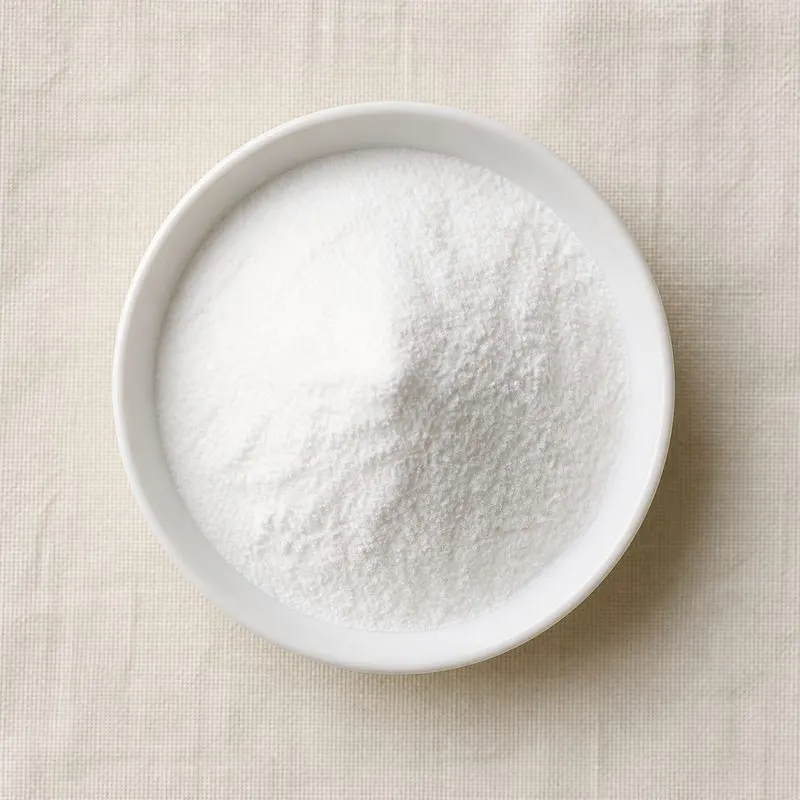
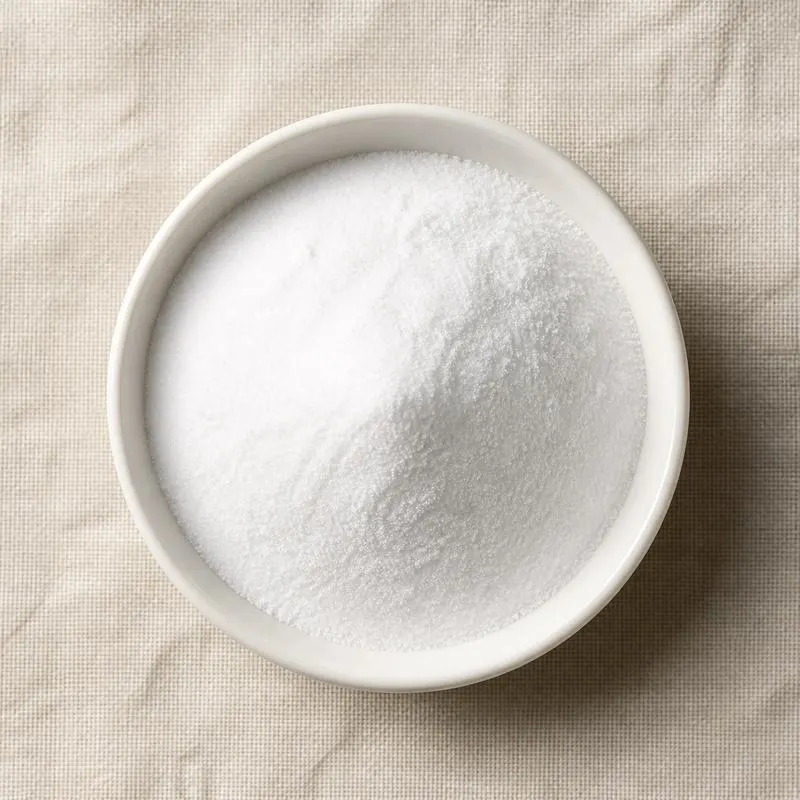
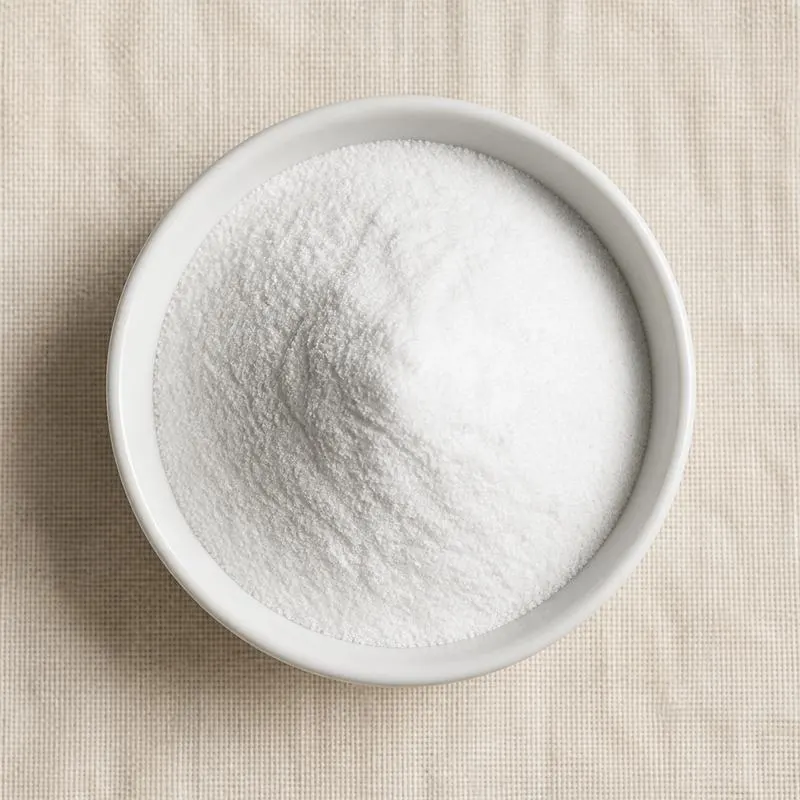
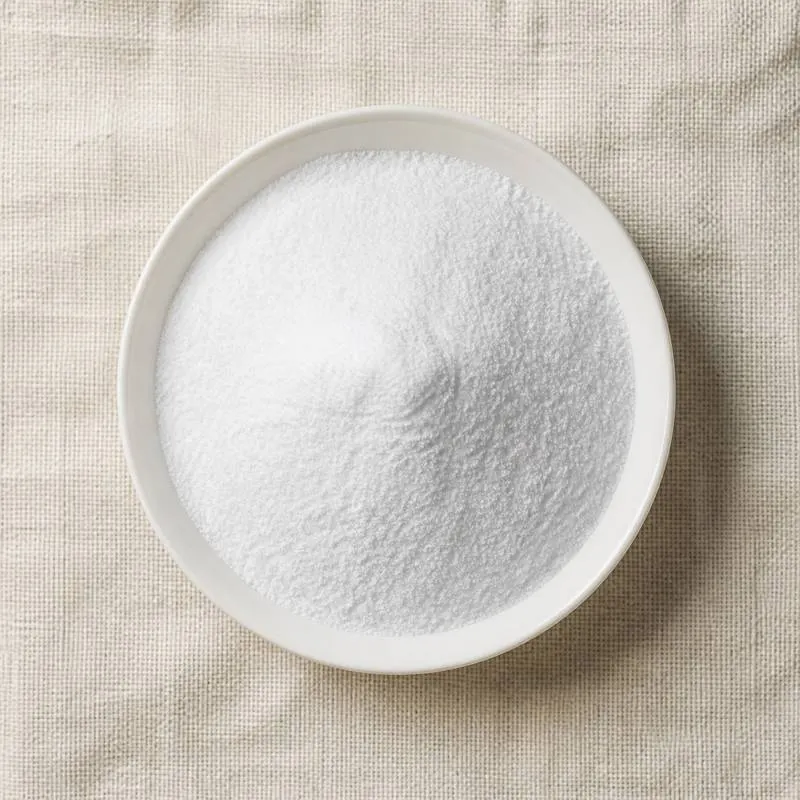
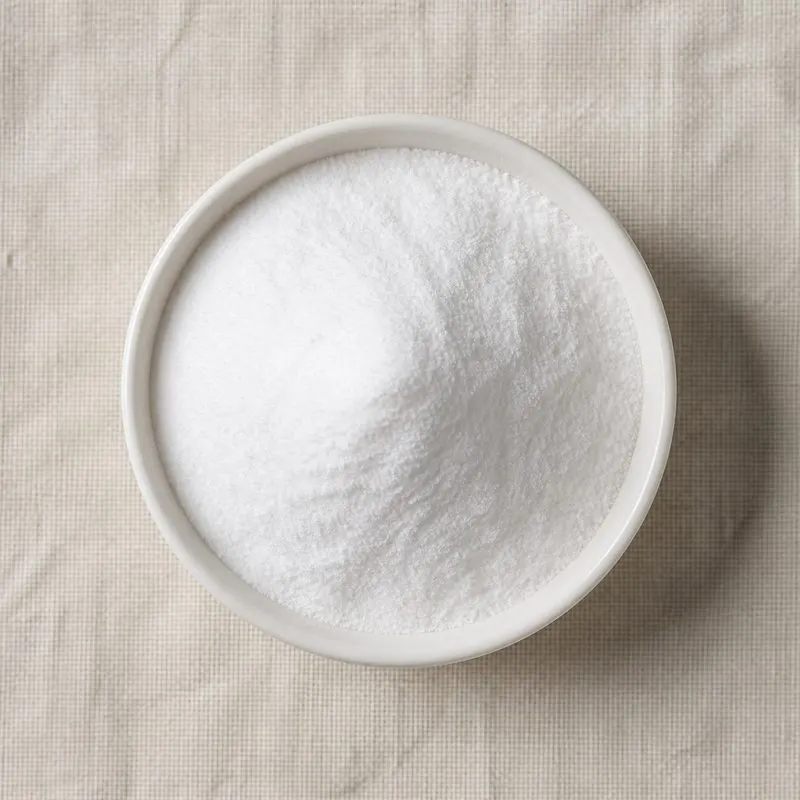
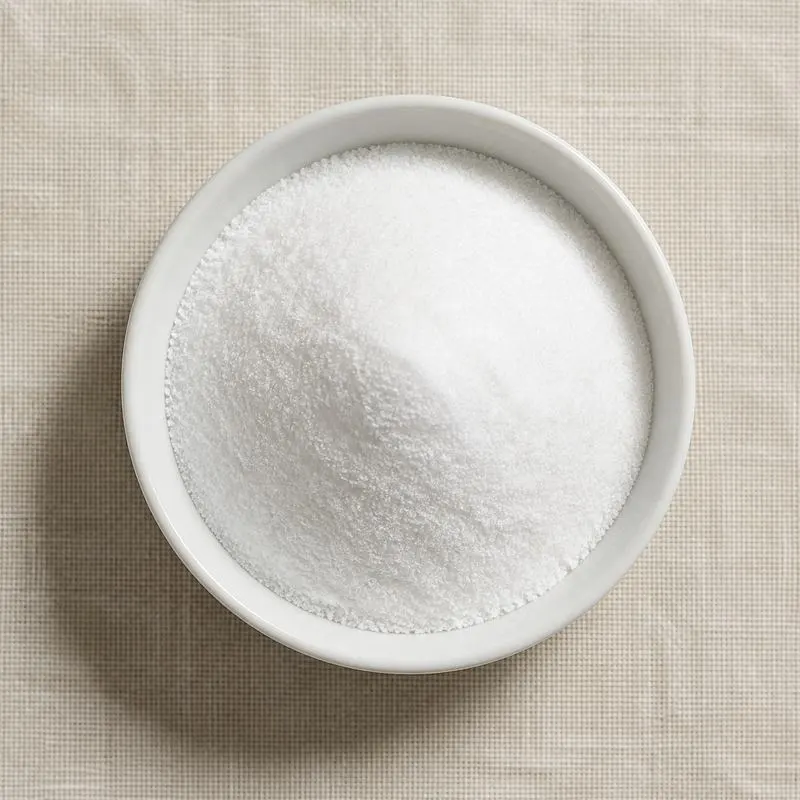
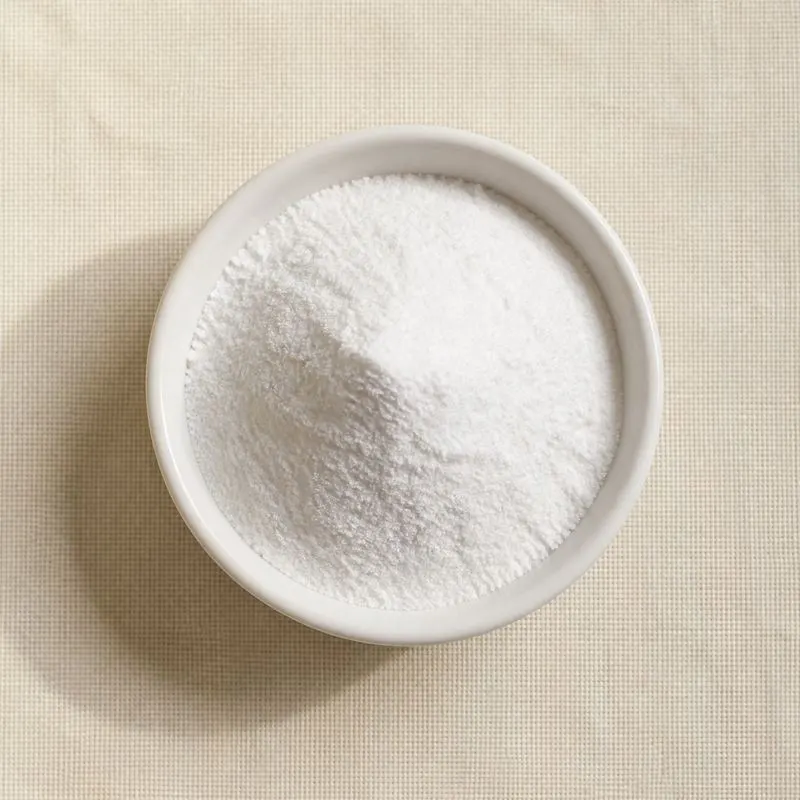
The compound has the formula C₆H₁₂NNaO₃S and a molar mass of 201.22 g/mol. It is a white, odourless crystalline powder, freely soluble in water and slightly soluble in ethanol.
The sweetness profile is slow-onset with a clean, sucrose-like taste and a lingering finish. Because the potency is modest by intense-sweetener standards, sodium cyclamate is almost always used in synergistic blends with saccharin (typically 10 parts cyclamate to 1 part saccharin), where it masks the metallic edge of saccharin and rounds out the overall sweetness.
We source bulk Sodium Cyclamate from top China manufacturers for our partners, working with several of them. The manufacturers are mostly in Jiangsu, Hebei and Tianjin. For this ingredient the minimum order is 1,000 kg and a 20-foot container takes 20 MT, and a smaller requirement can ship in a combined container with other ingredients.
Please send the grade you need, the volume and your destination port, and we will come back with a solution and a price.
or call +86-21-6858 0751
- Minimum order
- 1,000 kg
- Qty in 20' FCL
- 20 MT
- Packaging
- 25 kg kraft paper bag with PE inner liner
- ISO 9001
- HACCP
- Halal
- Kosher
Specifications
| Item | Specification |
|---|---|
| Appearance | White crystalline powder or granules |
| Assay (dry basis) | 98.0% to 101.0% |
| Loss on drying | ≤ 1.0% |
| pH (10% solution) | 5.5 to 7.5 |
| Cyclohexylamine | ≤ 10 mg/kg |
| Dicyclohexylamine | ≤ 1 mg/kg |
| Aniline | ≤ 1 mg/kg |
| Heavy metals (as Pb) | ≤ 10 mg/kg |
| Arsenic | ≤ 3 mg/kg |
| Selenium | ≤ 30 mg/kg |
| Particle size | CP95 granular, NF14 needle, or per customer specification |
Common Markets Grades
There are two grades of sodium cyclamate: food and pharmaceutical. Both assay at 98 percent minimum on the dried basis, the pharmaceutical grade to the tighter pharmacopoeial specification.
The standard physical form is a crystalline powder. Several particle-size distributions are produced for different end uses. A coarser grade is preferred for tabletop tablets and direct addition to syrups, while a finer milled grade is used in dry beverage mixes and pharmaceutical tablet manufacture.
Pharmaceutical-grade material complies with the European Pharmacopoeia (Ph. Eur.) and the British Pharmacopoeia (BP) monographs. The specification includes tight limits on residual cyclohexylamine, the principal impurity of regulatory concern.
Applications
- Tabletop sweeteners in tablet, liquid, and granular formats, commonly blended with sodium saccharin
- Diet carbonated soft drinks, flavoured waters, and powdered drink mixes (in markets where approved)
- Sugar-free fruit nectars, juices, and reduced-calorie beverages
- Low-calorie dairy products: yogurt drinks, flavoured milks, and chocolate milk
- Sugar-free jams, jellies, fruit preserves, and marmalades
- Canned fruits in light syrup and reduced-sugar fruit cocktails
- Sugar-free chewing gum, hard candies, and confectionery
- Reduced-sugar bakery products and breakfast cereals
- Sauces, dressings, marinades, and pickled vegetables
- Pharmaceutical syrups, chewable tablets, and oral suspensions
- Toothpaste and mouthwash in regulated markets
- Multi-sweetener blends for sugar-reduced foods in Europe, Canada, and Latin America
Brands Using Sodium Cyclamate
Widely-distributed consumer products that list Sodium Cyclamate on the ingredient label.
- Sweet'N Low Canada (Cumberland Packing / Multi-Marques)Sweet'N Low Calorie-Free Sweetener Packets (Canada) ↗Canadian formulation differs from the US version (which uses saccharin). Per multiple Canadian retailer ingredient panels, Sweet'N Low Canada contains dextrose, sodium cyclamate (~34%), and silicon dioxide.Label verified 2026-05-24
- Sugar Twin (Alberto-Culver Canada)Sugar Twin Original Calorie-Free Sweetener Packets (Canada) ↗Canadian Sugar Twin sachets list ingredients: dextrose (~66%), sodium cyclamate (~33%), silicon dioxide. Canadian formulation uses cyclamate (US version uses saccharin).Label verified 2026-05-24
- Hermesetas (Hermes Sweeteners Ltd., Switzerland)Hermesetas Granulated Sweetener ↗Ingredients per Hermesetas UK product page and retailer panels: maltodextrin, sweeteners (sodium cyclamate and sodium saccharin), acidity regulator (sodium citrate), acid (citric acid).Label verified 2026-05-24
- Hermesetas (Hermes Sweeteners Ltd., Switzerland)Hermesetas Liquid Sweetener ↗Liquid formulation lists demineralised water, sweeteners (sodium cyclamate and sodium saccharin), preservative (sorbic acid).Label verified 2026-05-24
- Assugrin (MCM Klosterfrau, Switzerland)Assugrin Classic Sweetener Tablets ↗Per Coop Switzerland product listing, each Assugrin Classic tablet contains 24 mg sodium cyclamate (E952) plus 6 mg sodium saccharin (E954), with sodium carbonate and sodium citrate as carriers.Label verified 2026-05-24
- Natreen (Sugro / European)Natreen Classic Tablets ↗European Natreen Classic tablets list sodium cyclamate and sodium saccharin (with sodium hydrogen carbonate and sodium citrate as carriers) per PharmaMarket EU product page.Label verified 2026-05-24
Brand names, product names and logos are the property of their owners. They appear here as published evidence that the ingredient is used, taken from the brand's own label or website. Their appearance is not an endorsement, and it does not mean the brand buys from us or from any manufacturer listed on this site.
China Manufacturers of Sodium Cyclamate
Top Sodium Cyclamate manufacturers in China.
 Golden Time Chemical (Jiangsu) Co., Ltd.1 ingredient in the directory
- Hebei Yunsheng Biotechnology Co., Ltd.4 ingredients in the directory
 Jiangsu Winshine Food Industrial Co., Ltd.1 ingredient in the directory
 Tianjin Northfood Co., Ltd.2 ingredients in the directory
 Zhong Hua Fang Da (Int’l) Investment Development Ltd.2 ingredients in the directory
Company names and logos are the property of the manufacturers themselves. They are listed here because our own directory records them as producing this ingredient. A listing is not an endorsement by them, and we do not represent them or speak on their behalf.
How We Help Source Sodium Cyclamate
Direct Factory Sourcing
We run the whole process: selecting the manufacturer from the top Chinese food ingredient producers, negotiating the price, verifying quality, and coordinating the logistics. You deal with us instead of with several factories at once.
Original Packaging and Documents from the Manufacturer
The manufacturer sends your Sodium Cyclamate out of its own factory in the original packing, through to your destination port. The COA, COO, MSDS, TDS and any certifications reach you from the manufacturer as well.
Free Samples and Lead Time
We send 100 to 500 g free for your own laboratory to test and you cover only the courier, usually within 2 to 3 working days. ETD is usually within 7 to 15 days once the order is confirmed, and we check that date against the factory's own manufacturing schedule before we give it to you.
Combined Shipment
We can load Sodium Cyclamate together with other ingredients such as Stevia, Erythritol and Maltitol into one 20' FCL. If your quantity is small, we can also ship LCL.
Regulatory Status
Sodium cyclamate has one of the most complex regulatory histories of any food additive.
The United States Food and Drug Administration approved cyclamate in 1958 and added it to the GRAS list. Following a 1969 study reporting bladder tumors in rats fed a 10:1 cyclamate-saccharin mixture, the FDA banned cyclamate for use in food on October 18, 1969. The ban remains in force today, although Abbott Laboratories and the Calorie Control Council have repeatedly petitioned for reinstatement based on subsequent toxicology data, with petitions filed in 1973 and again in 1982. The FDA has not formally denied the most recent petition but has not approved reinstatement either.
In the European Union Regulation (EC) No 1333/2008 approves sodium cyclamate under E number E952 and defines the use levels per food category. Health Canada permits cyclamate as a tabletop sweetener and in pharmaceutical preparations. China permits cyclamate as a sweetener. More than 50 other countries permit its use in foods and beverages.
Pharmacopoeial monographs for sodium cyclamate appear in the European Pharmacopoeia (Ph. Eur.) and the British Pharmacopoeia (BP). Halal and Kosher certifications are commonly available because the manufacturing process uses no animal-derived inputs.
Manufacturing Process
The industrial synthesis of sodium cyclamate is straightforward and has changed little since the 1950s.
Cyclohexylamine is sulfonated with sulphur trioxide, chlorosulfonic acid, or sulfamic acid in a suitable solvent system. The reaction yields cyclohexanesulfamic acid, the free acid form of the sweetener.
The crude acid is neutralised with sodium hydroxide or sodium carbonate to form the sodium salt. The salt is recovered by crystallisation from water or aqueous ethanol, treated with activated carbon for decolorisation, and recrystallised to specification purity.
The dried crystals are milled to the target particle size and screened. Process control focuses on minimising residual cyclohexylamine, which is the principal regulated impurity and a degradation product of cyclamate metabolism in some individuals.