Camellia Oil Diglyceride
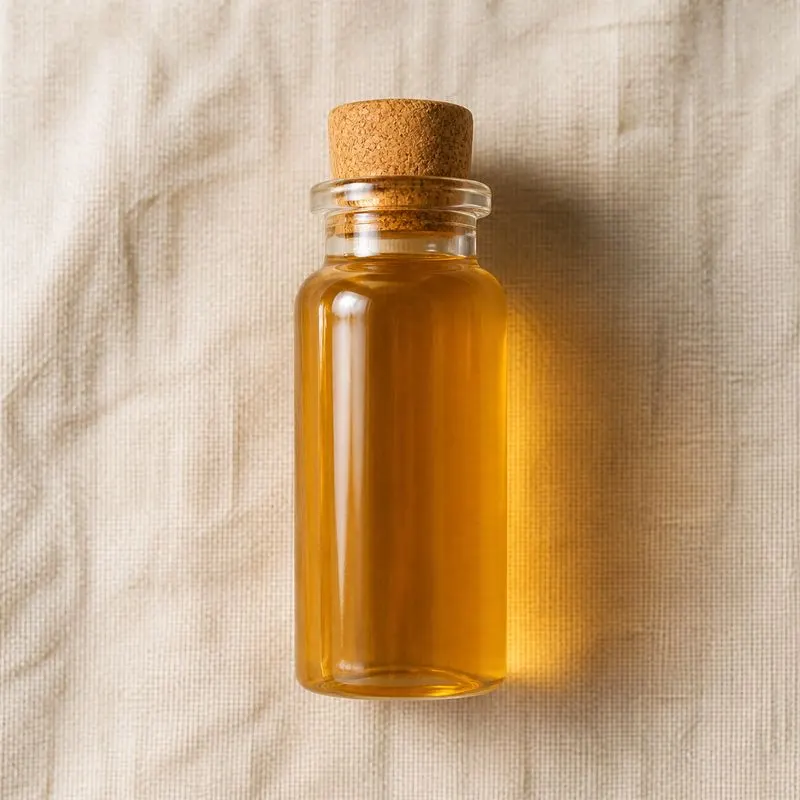
Camellia Oil Diglyceride is a specialty diglyceride emulsifier and structured lipid produced from the seed oil of Camellia oleifera, the tea seed tree native to southern China. The product carries the diacylglycerol structure of the parent oil concentrated to high purity through enzymatic or molecular distillation routes.
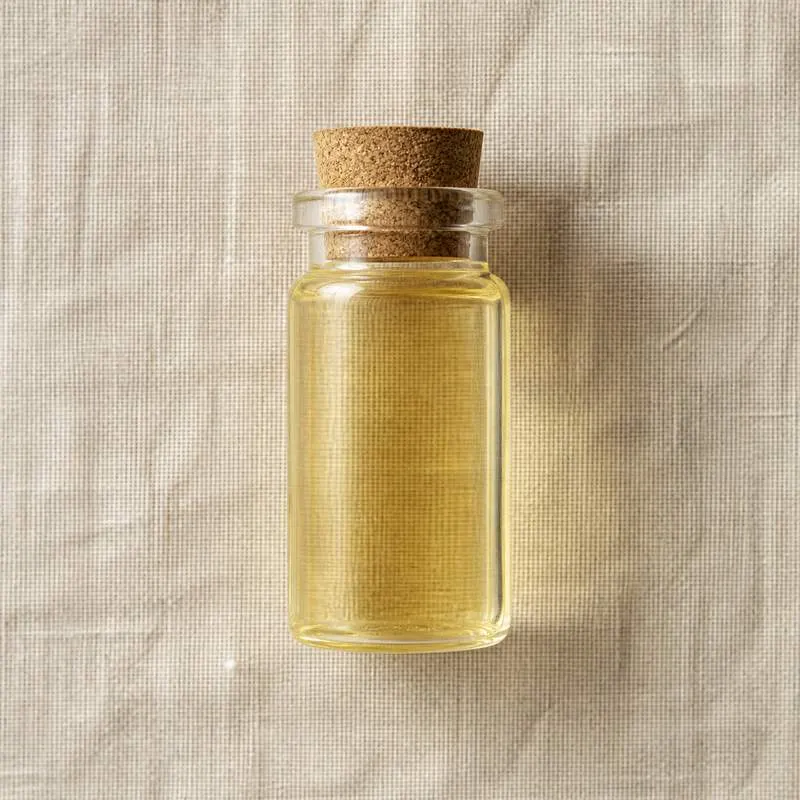
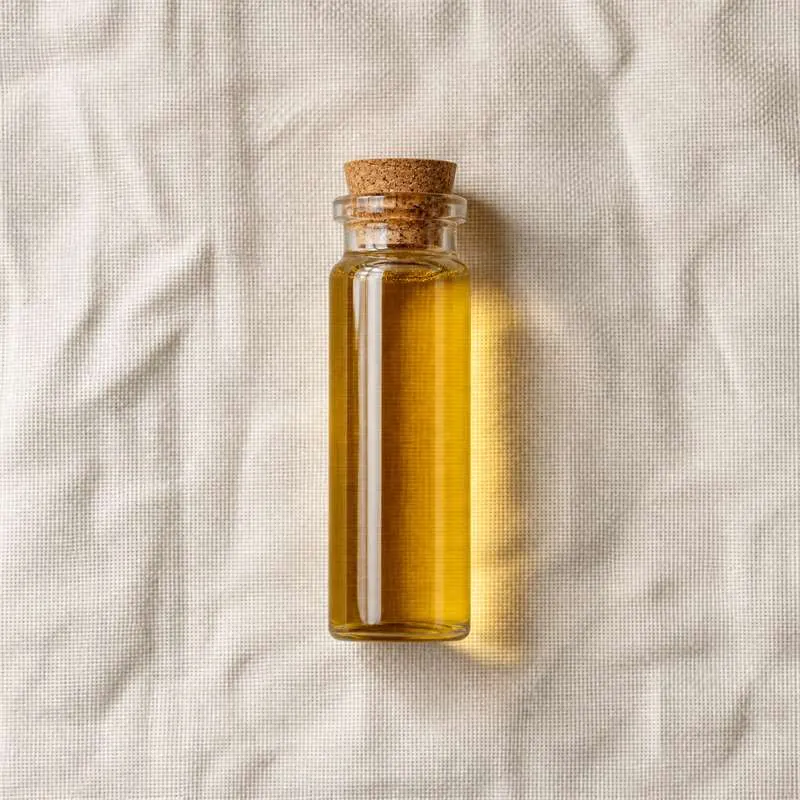
The oil is clear and pale yellow, with the mild aroma and high oleic acid profile characteristic of camellia oil. Diacylglycerol content typically falls between 60 and 85 percent depending on the production route.
We source bulk Camellia Oil Diglyceride from top China manufacturers for our partners. The manufacturer is in Shandong. A smaller requirement can ship in a combined container with other ingredients.
Please send the grade you need, the volume and your destination port, and we will come back with a solution and a price.
or call +86-21-6858 0751
- Packaging
- 190 kg steel drum or 25 kg jerrican
- ISO 9001
- HACCP
- Halal
- Kosher
Specifications
| Item | Specification |
|---|---|
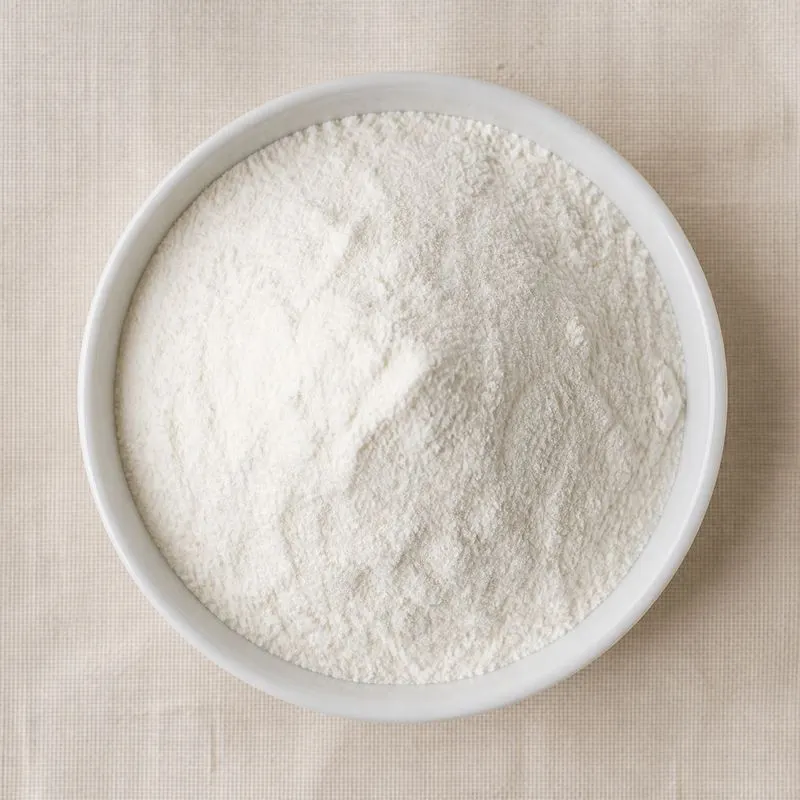
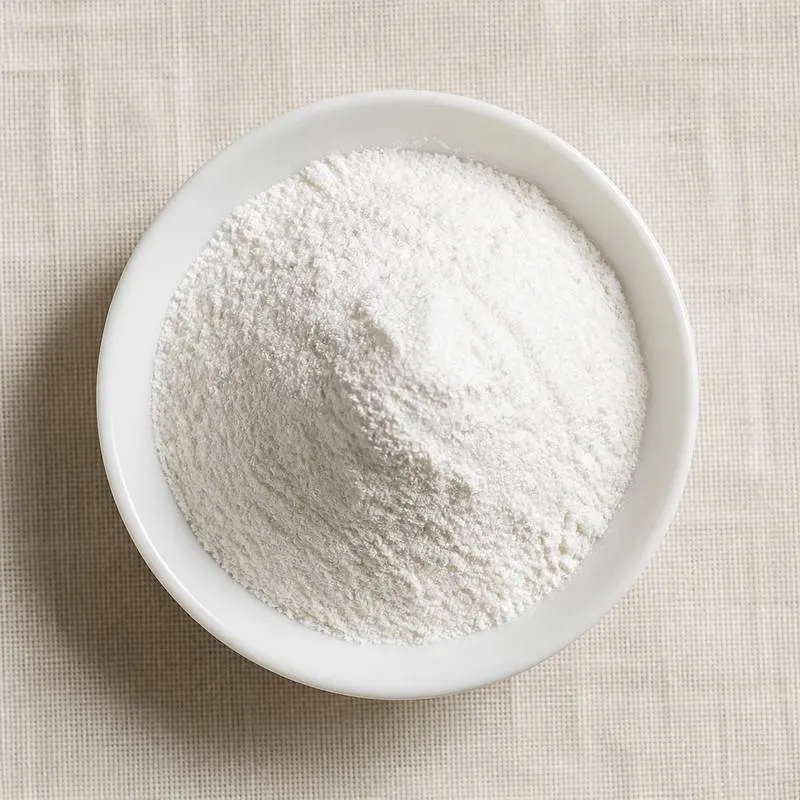
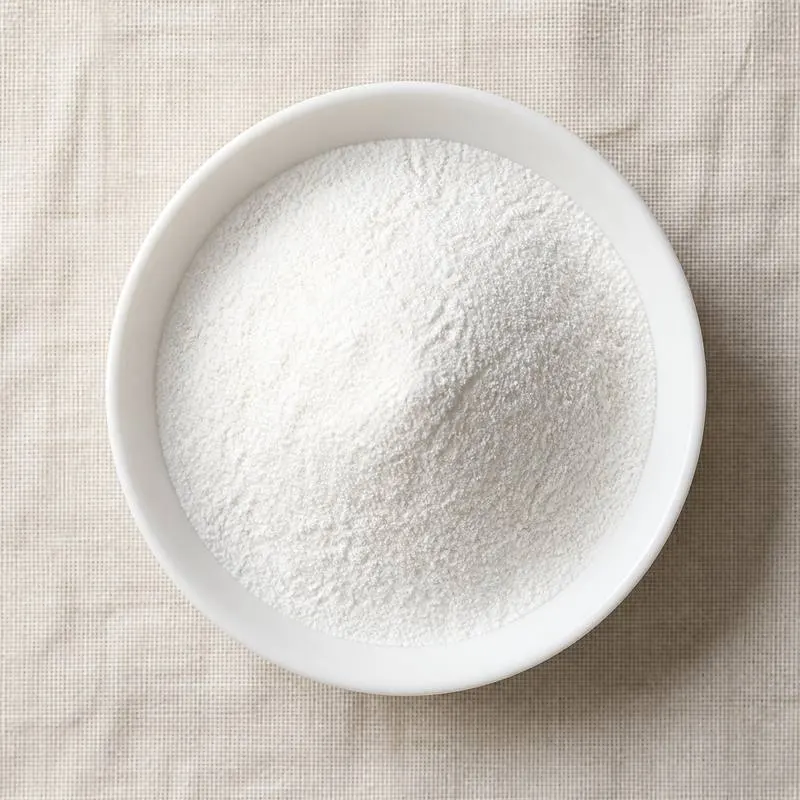
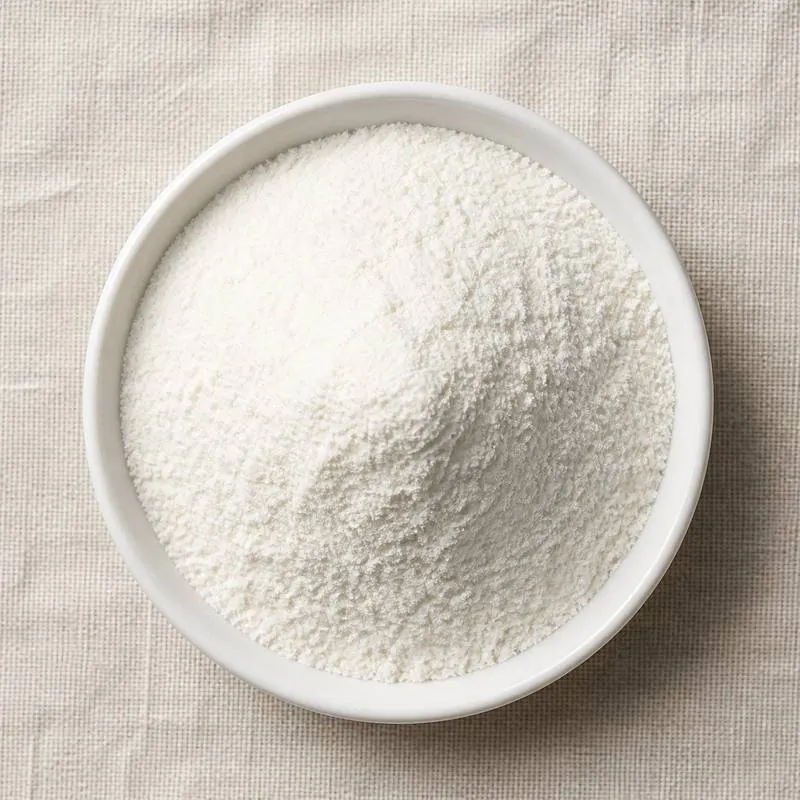
| Appearance | Pale yellow to off-white free-flowing powder |
| Oil load | 50% to 70% |
| Oleic acid (% of fatty acids) | 75% to 85% |
| Linoleic acid (% of fatty acids) | 5% to 10% |
| Palmitic acid (% of fatty acids) | 7% to 10% |
| Stearic acid (% of fatty acids) | 1.5% to 3% |
| DAG content (% of lipids) | ≥ 40% (customizable to 70%) |
| Peroxide value (extracted oil) | ≤ 5.0 meq/kg |
| Acid value (extracted oil) | ≤ 1.0 mg KOH/g |
| Moisture | ≤ 4.0% |
| Heavy metals (as Pb) | ≤ 0.5 mg/kg |
| Source | Camellia oleifera cold-pressed seed oil, enzymatically interesterified and microencapsulated |
Common Markets Grades
Camellia Oil Diglyceride is graded by diacylglycerol content, sn-isomer distribution, and oleic acid fraction.
Standard culinary grades carry diacylglycerol content between 60 and 75 percent and serve cooking oil and dietary supplement applications. Premium grades reach 80 percent or higher diacylglycerol content for structured lipid and clinical nutrition use.
Sn-1,3 diacylglycerol-enriched grades are produced by selective enzymatic synthesis. These grades concentrate the metabolically distinct sn-1,3 isomer that is reported to follow a different absorption pathway than triglycerides.
All commercial grades retain the high oleic acid profile of camellia oil, with typical oleic acid content between 75 and 85 percent of total fatty acids.
Applications
- Premium culinary cooking oil for stir-frying and sauteing
- Salad dressings and culinary sauces
- Functional food ingredients in clinical and dietary positioning
- Sports nutrition oils and supplement bases
- Bakery shortening and pastry fats
- Plant-based meat fat binding
- Cosmetic skincare oils and emollient bases
- Hair care and scalp treatment oils
- Pharmaceutical lipid carrier systems
- Infant nutrition and follow-on formula fat blends
- Confectionery praline and filling fats
- Margarine and spread structured lipid formulations
China Manufacturers of Camellia Oil Diglyceride
Top Camellia Oil Diglyceride manufacturers in China.

Company names and logos are the property of the manufacturers themselves. They are listed here because our own directory records them as producing this ingredient. A listing is not an endorsement by them, and we do not represent them or speak on their behalf.
How We Help Source Camellia Oil Diglyceride
Direct Factory Sourcing
We run the whole process: selecting the manufacturer from the top Chinese food ingredient producers, negotiating the price, verifying quality, and coordinating the logistics. You deal with us instead of with several factories at once.
Original Packaging and Documents from the Manufacturer
The manufacturer sends your Camellia Oil Diglyceride out of its own factory in the original packing, through to your destination port. The COA, COO, MSDS, TDS and any certifications reach you from the manufacturer as well.
Free Samples and Lead Time
We send 100 to 500 g free for your own laboratory to test and you cover only the courier, usually within 2 to 3 working days. ETD is usually within 7 to 15 days once the order is confirmed, and we check that date against the factory's own manufacturing schedule before we give it to you.
Combined Shipment
We can load Camellia Oil Diglyceride together with other ingredients such as Polyglycerol Esters of Fatty Acids, Non-Dairy Creamer and Mono- and Diglycerides of Fatty Acids into one 20' FCL. If your quantity is small, we can also ship LCL.
Regulatory Status
Camellia Oil Diglyceride is permitted as a food ingredient under the general food regulations that cover edible diacylglycerol products in most major markets.
The United States Food and Drug Administration has accepted diacylglycerol oil under formal GRAS notifications submitted for similar products, with defined composition specifications. The European Food Safety Authority has reviewed diacylglycerol oils on similar terms.
JECFA reviewed mono and diglycerides as a class and concluded that an intake limit was not required, and the same evaluation framework applies to diglyceride-enriched edible oils.
Camellia oil itself is recognised as a traditional edible oil in China, Japan, and several Southeast Asian markets, with national food standards covering identity and purity. Kosher, Halal, vegan, and non-GMO certifications are widely available, with organic options for selected source farms.
Manufacturing Process
Camellia Oil Diglyceride is produced from refined Camellia oleifera seed oil through enzymatic synthesis or molecular distillation.
The enzymatic route uses a 1,3-specific lipase such as Lipozyme to catalyse the glycerolysis of camellia oil with food-grade glycerol. The reaction is carried out in a stirred reactor at 50 to 70 degrees Celsius under reduced pressure to remove the water byproduct.
The reaction mixture is filtered to recover the immobilized enzyme for reuse. The crude diacylglycerol fraction is then enriched by molecular distillation under high vacuum to separate it from residual monoglycerides, triglycerides, and free glycerol.
The final product is bleached, deodorised, and standardised for diacylglycerol content, sn-isomer distribution, and fatty acid profile. Packaging under nitrogen is standard to preserve the sensory profile through shelf life.