Carthamus Yellow
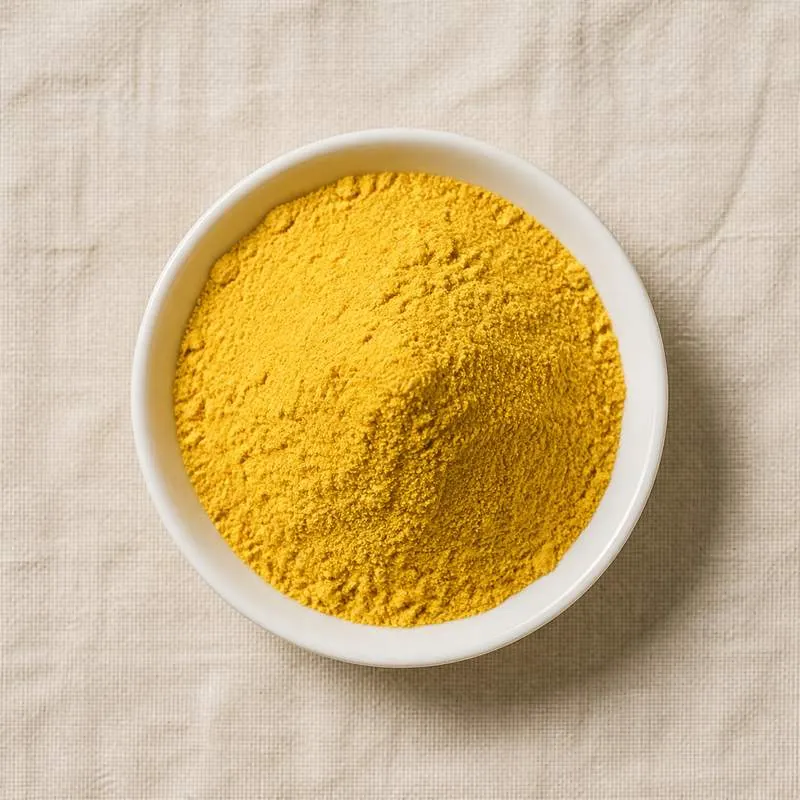
Carthamus Yellow is a water-soluble flavonoid pigment extracted from the dried florets of safflower, Carthamus tinctorius, and used as a natural yellow colourant in beverages, confectionery, and traditional Asian foods.
The main pigment is safflor yellow A, a quinochalcone C-glycoside with the molecular formula C27H30O15. Minor amounts of safflor yellow B and a small red carthamin fraction may be carried over depending on the extraction method.
The colour is bright lemon yellow at neutral pH, shifts toward greenish-yellow under alkaline conditions, and is clearly more stable to light than turmeric-based yellows in aqueous systems.
We source bulk Carthamus Yellow from top China manufacturers for our partners. The manufacturer is in Yunnan. A smaller requirement can ship in a combined container with other ingredients.
Please send the grade you need, the volume and your destination port, and we will come back with a solution and a price.
or call +86-21-6858 0751
- Packaging
- 25 kg kraft paper bag with PE inner liner
- ISO 9001
- HACCP
- Halal
- Kosher
Specifications
| Item | Specification |
|---|---|
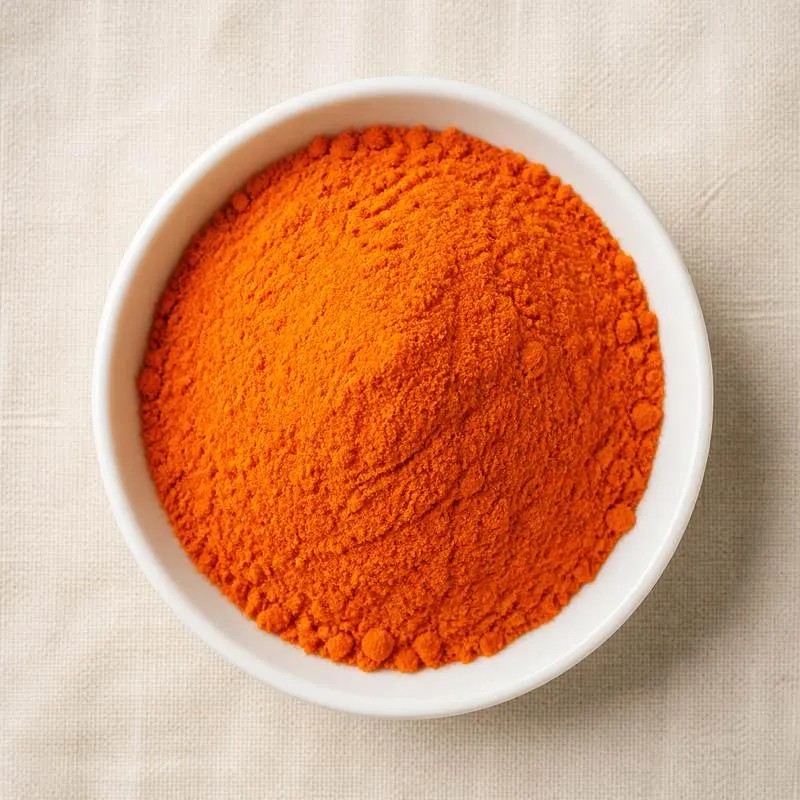
| Appearance | Yellow to orange-yellow fine powder |
| Colour Value (E1%1cm) | 150 - 500 (grade-dependent) |
| Absorption Maximum | 401 ± 2 nm |
| Safflor Yellow A | ≥ 3.0% (purified grade ≥ 30.0%) |
| Solubility | Freely soluble in water |
| pH (1% solution) | 5.0 - 7.0 |
| Moisture | ≤ 6.0% |
| Sulphated Ash | ≤ 5.0% |
| Residual Ethanol | ≤ 50 mg/kg |
| Heavy Metals (as Pb) | ≤ 10 mg/kg |
| Lead | ≤ 2 mg/kg |
| Arsenic | ≤ 2 mg/kg |
| Total Plate Count | ≤ 1,000 cfu/g |
| Yeast & Mould | ≤ 100 cfu/g |
| Salmonella | Negative/25g |
Common Markets Grades
Carthamus Yellow is graded by colour value, expressed as E1%/1cm at the absorption maximum near 401 nm.
The commodity liquid concentrate carries colour values of 100, 150, and 250, dissolved in a propylene-glycol or glycerol carrier with a citric acid pH buffer.
Spray-dried powder grades sit at colour values of 150, 300, and 500, carried on maltodextrin and standardised for moisture below 6 percent. The 500-grade is the standard for hard candy and confectionery dosing.
A purified pharmaceutical-style grade with safflor yellow A content above 30 percent on a dry basis is produced for analytical reference and for the standardisation of traditional Chinese medicine extracts where Honghua activity markers must be quantified.
Applications
- Soft drinks, fruit juices, and ready-to-drink teas for clear lemon-yellow tinting
- Hard candy, jellies, and gummy confections
- Bakery glazes, sponge cakes, and sugar-paste decorations
- Traditional Asian noodles and steamed buns
- Pickles, sauces, and condiment bases
- Frozen desserts and ice popsicles
- Sake, plum wines, and lightly coloured aperitifs in Japan
- Dairy beverages and yogurt drinks
- Functional supplements positioned on safflower botanical heritage
- Cosmetic toners, sheet masks, and bath products
- Traditional Chinese medicine preparations referencing Honghua
Brands Using Carthamus Yellow
Widely-distributed consumer products that list Carthamus Yellow on the ingredient label.
- LotteBIGスイカバー (BIG Watermelon Bar) ↗原材料:...着色料(野菜色素、紅花黄、紅麹、クチナシ), 紅花黄 is the Japanese label for carthamus/safflower yellowLabel verified 2026-05-24
- Lotteスイカ&メロンバー (Watermelon & Melon Bar) ↗原材料: ...着色料(紅花黄、紅麹、クチナシ)Label verified 2026-05-24
Brand names, product names and logos are the property of their owners. They appear here as published evidence that the ingredient is used, taken from the brand's own label or website. Their appearance is not an endorsement, and it does not mean the brand buys from us or from any manufacturer listed on this site.
China Manufacturers of Carthamus Yellow
Top Carthamus Yellow manufacturers in China.
Company names and logos are the property of the manufacturers themselves. They are listed here because our own directory records them as producing this ingredient. A listing is not an endorsement by them, and we do not represent them or speak on their behalf.
How We Help Source Carthamus Yellow
Direct Factory Sourcing
We run the whole process: selecting the manufacturer from the top Chinese food ingredient producers, negotiating the price, verifying quality, and coordinating the logistics. You deal with us instead of with several factories at once.
Original Packaging and Documents from the Manufacturer
The manufacturer sends your Carthamus Yellow out of its own factory in the original packing, through to your destination port. The COA, COO, MSDS, TDS and any certifications reach you from the manufacturer as well.
Free Samples and Lead Time
We send 100 to 500 g free for your own laboratory to test and you cover only the courier, usually within 2 to 3 working days. ETD is usually within 7 to 15 days once the order is confirmed, and we check that date against the factory's own manufacturing schedule before we give it to you.
Combined Shipment
We can load Carthamus Yellow together with other ingredients such as Beta Carotene, Caramel Colour and Lycopene into one 20' FCL. If your quantity is small, we can also ship LCL.
Regulatory Status
Carthamus Yellow is listed in Japan's List of Existing Food Additives as a natural colour of long-established use, where it is one of the most widely used natural yellows in beverages and confectionery.
In South Korea it is permitted as a natural food colour under the Korean Food Additives Code with no quantitative restriction beyond good manufacturing practice.
It is not listed as an authorised food colour in the European Union under the E-number system. In the United States it has no separate FDA colour-additive listing and is used only as a colouring foodstuff in juice and botanical-extract form, subject to GRAS self-assessment where applicable.
The pigment is widely accepted in Halal and Kosher schemes, and safflower extracts have a long pharmacopoeial history under Carthami Flos in the Chinese, Japanese, and Korean herbal pharmacopoeias.
Manufacturing Process
Production begins with safflower florets harvested at full bloom from Carthamus tinctorius cultivation in Xinjiang, Yunnan, and Inner Mongolia, with parallel supply from Egypt and India.
The dried florets contain roughly 20 to 30 percent water-soluble yellow pigment and 0.3 to 0.6 percent water-insoluble red carthamin. Extraction with warm water at slightly acidic pH selectively dissolves the yellow fraction while leaving the red pigment in the spent florets.
The aqueous extract is clarified by filtration, stripped of phenolic by-products on adsorbent resin, and concentrated under vacuum. The concentrate is either standardised as a liquid colour or spray-dried on a maltodextrin carrier to give a free-flowing powder.
For high-purity grades the safflor yellow A peak is isolated by preparative chromatography on a styrene-divinylbenzene resin, eluted with ethanol-water, and freeze-dried to give a pale yellow crystalline powder.