Chicken Flavoring
Chicken flavouring is a savoury flavour material that reproduces the taste and aroma of cooked chicken, produced mainly as a thermal process flavour rather than by simple compounding. The core of the product is a Maillard reaction between a source of amino acids, usually a hydrolysed vegetable or animal protein or a yeast extract, a reducing sugar, and a sulphur donor such as cysteine or thiamine, heated together under controlled conditions.
That reaction generates the compounds responsible for chicken character: sulphur heterocycles including 2 methyl 3 furanthiol and its disulphide, which carry the meaty note, pyrazines that carry the roasted note, and aldehydes derived from chicken fat that carry the species specific fatty character. Chicken fat is central rather than incidental, since the difference between chicken, pork and beef aroma lies largely in the lipid derived fraction, and many products are built on a rendered chicken fat base.
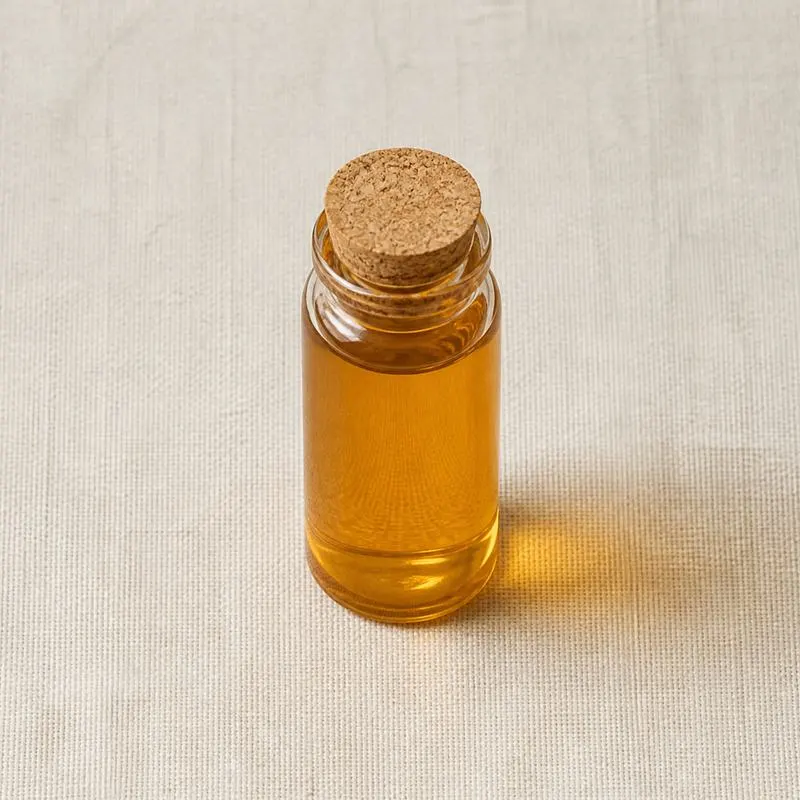
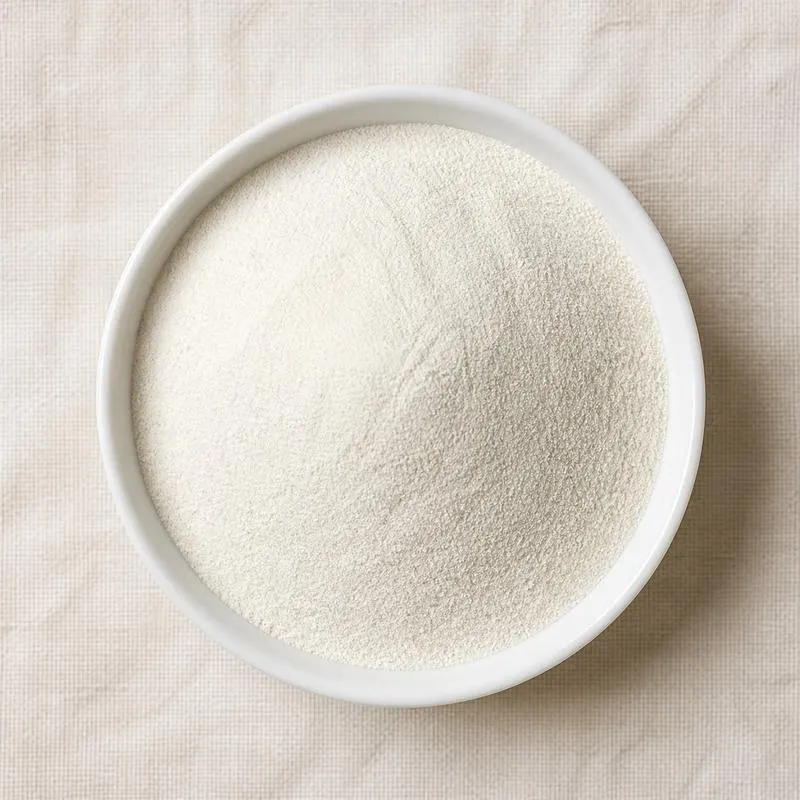
Commercial forms cover a reacted paste at high solids, a liquid in an oil or water miscible carrier, and a spray dried powder on maltodextrin or salt. Paste and powder grades disperse in hot water, oil borne grades partition into the fat phase of a formulation. Dose rates run from a fraction of a percent for a powder in a seasoning blend to parts per million for a concentrated top note flavour.
We source bulk Chicken Flavoring from top China manufacturers for our partners. The manufacturer is in Guangdong. A smaller requirement can ship in a combined container with other ingredients.
Please send the grade you need, the volume and your destination port, and we will come back with a solution and a price.
or call +86-21-6858 0751

- Function
- Flavours and Aromas
Specifications
| Item | Specification |
|---|---|
| Appearance | Light to dark brown paste, liquid or free flowing powder according to grade |
| Odour and taste | Characteristic cooked chicken, matching retained sensory standard |
| Moisture, powder grade | 5.0 percent maximum |
| Total solids, paste grade | 60 to 80 percent |
| Salt as sodium chloride | To declared value |
| Total nitrogen, dry basis | 3.0 percent minimum |
| Fat | To declared value according to chicken fat inclusion |
| pH, 10 percent solution | 5.0 to 6.5 |
| Solubility in hot water | Complete dispersion within 2 minutes |
| Lead | 1 mg per kg maximum |
| Arsenic | 0.5 mg per kg maximum |
| Total plate count | 10000 cfu per gram maximum |
| Yeast and mould | 100 cfu per gram maximum |
| E. coli | Absent in 1 gram |
| Salmonella | Absent in 25 grams |
Common Markets Grades
Grades separate by physical form and by how the flavour is built. Reaction flavour grades are sold on their reacted base and carry the fullest cooked chicken character, extract grades are made by concentrating a genuine chicken broth and are milder but support a natural label, and compounded top note grades are blends of aroma chemicals used at very low dose to lift a base. Most industrial products combine the three.
Beyond that, the market divides on labelling and dietary status. Natural grades restrict the reactants to natural sources such as chicken extract, yeast extract and natural sugars, while standard grades use hydrolysed vegetable protein and synthesised aroma chemicals. Clean label lines avoid hydrolysed vegetable protein and added flavour enhancers entirely. Vegetarian and vegan chicken flavours are a substantial category, built from plant protein hydrolysate and vegetable fat with no poultry derived component. Halal and kosher certified lines are produced on segregated equipment, and allergen free grades avoid soy and wheat derived hydrolysates.
Applications
- Instant noodle soup sachets, one of the largest volume outlets for the powdered form
- Bouillon cubes, granules and powdered stock, blended with salt, fat and flavour enhancers
- Soup bases and sauce concentrates for foodservice and retail
- Savoury snack seasonings applied topically to crisps and extruded snacks
- Ready meals and retort dishes, where the reacted profile survives sterilisation
- Meat marinades and injection brines, reinforcing the poultry character of the finished product
- Plant based meat analogues, supplying the chicken profile that the protein base lacks
- Rice, pasta and instant side dish seasonings
- Coating and breading systems for fried chicken products
- Pet food palatants, a large outlet for poultry derived savoury materials
China Manufacturers of Chicken Flavoring
Top Chicken Flavoring manufacturers in China.
Company names and logos are the property of the manufacturers themselves. They are listed here because our own directory records them as producing this ingredient. A listing is not an endorsement by them, and we do not represent them or speak on their behalf.
Regulatory Status
In the United States chicken flavouring is regulated as a flavouring. Its components must be generally recognised as safe or listed among the synthetic flavouring substances in 21 CFR 172.515, and the label term follows the natural and artificial flavour definitions in 21 CFR 101.22, under which a reaction flavour made entirely from natural reactants may be declared as natural flavour. Products containing chicken or chicken fat above the relevant threshold fall under Food Safety and Inspection Service jurisdiction and labelling. Soy and wheat present through a hydrolysed vegetable protein component are major allergens requiring declaration.
In the European Union thermally produced process flavourings of this kind are covered by a dedicated part of the flavourings regulation, which sets conditions on the reactants that may be used and on the temperature and time of the reaction, and which limits certain process contaminants formed during heating. Flavourings carry no E number, but carriers and any additives present must be permitted for the food category. Where poultry derived material is used, the supplying establishment must be approved for products of animal origin. Soybeans and cereals containing gluten are declarable allergens. Codex addresses flavourings through its guidelines on their use, resting on evaluations by the Joint Expert Committee on Food Additives.
Manufacturing Process
Manufacture centres on a controlled thermal reaction. A protein hydrolysate or yeast extract supplying free amino acids, a reducing sugar such as xylose or glucose, cysteine or thiamine as the sulphur donor, and rendered chicken fat are charged to a jacketed pressure reactor with water. The batch is heated, commonly to between one hundred and one hundred and forty degrees, at a controlled pH and held for a defined time, during which Maillard reaction and Strecker degradation generate the furanthiols, pyrazines and carbonyls that make up the flavour. Time, temperature and pH are the control variables, since small changes shift the balance between roasted, boiled and fatty character.
The reacted mass is cooled to stop the chemistry, then standardised for salt, solids and sensory profile against a retained standard, with compounded top notes and chicken extract blended in at this stage to complete the profile. Paste grades are pasteurised or sterilised and filled hot into pails and drums. Powder grades are diluted, emulsified with a carrier such as maltodextrin, modified starch or salt, homogenised and spray dried in a tower with the inlet temperature kept as low as the drying will allow, since the aroma actives are volatile. The powder is cooled, sieved, checked for moisture, salt, flavour load and microbiology, and packed in foil lined bags.