Chili Red
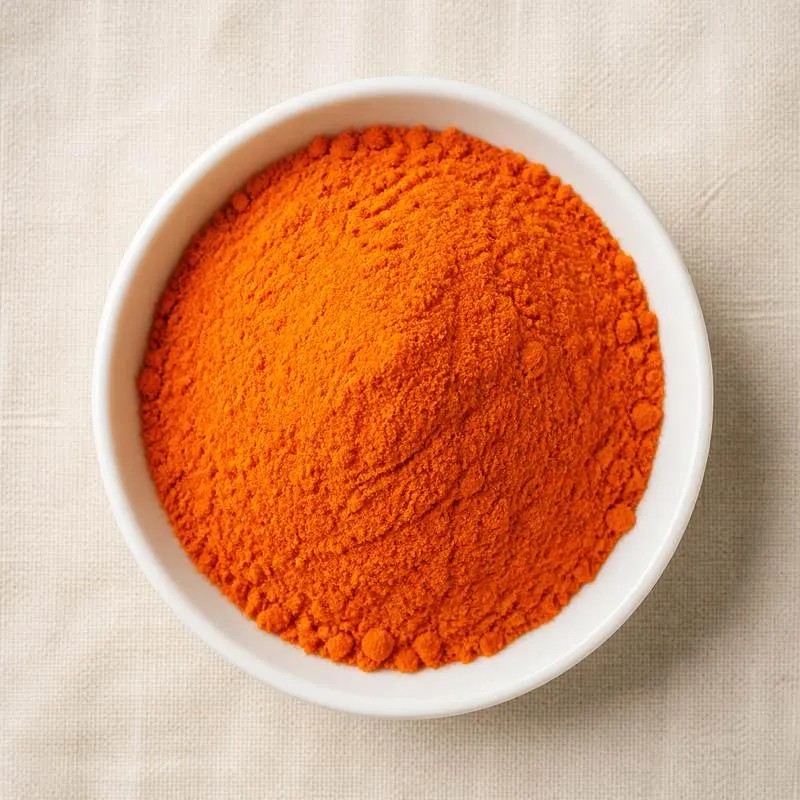
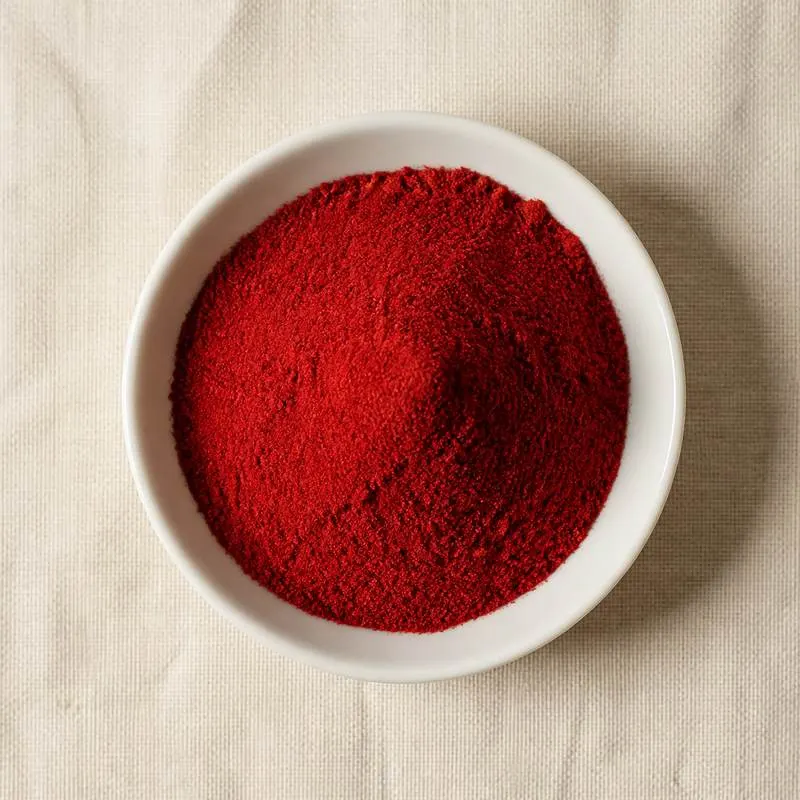
Chilli red is the oil soluble red colour extracted from the ripe fruit of Capsicum annuum, sold in the Chinese trade as chilli red pigment and known elsewhere as paprika extract or capsanthin colour. The colour comes from the xanthophylls capsanthin and capsorubin, which give the characteristic orange red, together with beta-carotene, zeaxanthin and cryptoxanthin. In the fruit these carotenoids are largely esterified with fatty acids, and the esters are carried through into the finished extract.
The colour is separated from the pungency during manufacture. Capsaicinoids, which are responsible for heat, are removed or reduced to a specified low level so that the pigment can be dosed at high rates without contributing flavour, and the residual capsaicin figure is one of the key items on the specification. Non pungent capsicum varieties are grown specifically for this purpose.
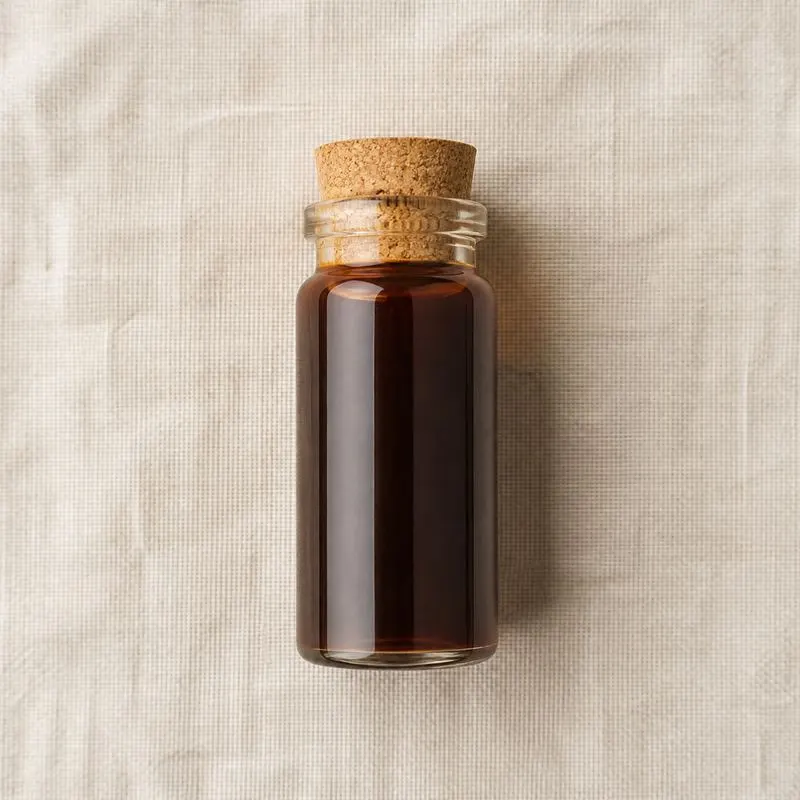
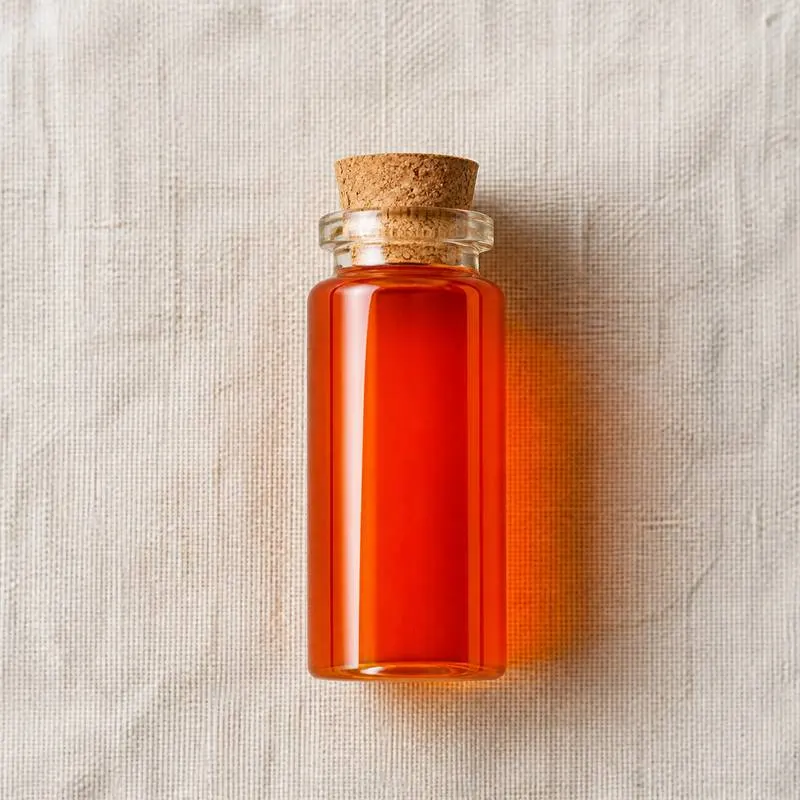
The base product is a dark red viscous oleoresin, freely miscible with fats and oils and insoluble in water. It gives a warm orange red that is stable to acid and to pH change but sensitive to light and to oxidation, since the polyene chain is vulnerable in the same way as other carotenoids. Water dispersible forms are made by emulsifying the oleoresin with polysorbates or gum acacia, or by spray drying it into a starch matrix, which extends its use into aqueous products.
We source bulk Chili Red from top China manufacturers for our partners. The manufacturer is in Jiangxi. A smaller requirement can ship in a combined container with other ingredients.
Please send the grade you need, the volume and your destination port, and we will come back with a solution and a price.
or call +86-21-6858 0751
- Function
- Colorant
Specifications
| Item | Specification |
|---|---|
| Appearance | Dark red viscous oleoresin |
| Odour | Characteristic of paprika, free from off notes |
| Colour Value | 60,000 colour units minimum |
| Identification | Absorption maximum at 460 to 470 nm in acetone |
| Capsanthin and Capsorubin as share of total carotenoids | 30% minimum |
| Capsaicin | Not more than 5 mg/kg, non pungent |
| Residual Solvent, hexane | 25 mg/kg maximum |
| Peroxide Value | 10 meq/kg maximum |
| Acid Value | 10 mg KOH/g maximum |
| Sulphated Ash | 0.5% maximum |
| Lead | 2 mg/kg maximum |
| Arsenic | 1 mg/kg maximum |
| Total Plate Count | 1000 cfu/g maximum |
| Salmonella | Absent in 25 g |
Common Markets Grades
Grades are defined by colour value expressed in colour units, most often measured as the ASTA value or as E1% 1cm near 460 nm. Oil soluble oleoresins are traded at 10,000, 40,000, 60,000, 100,000 and 150,000 colour units, and the higher figures are achieved by molecular distillation of the crude oleoresin. Water dispersible liquids run from 5,000 to 40,000 colour units, and spray dried powders on maltodextrin from 5,000 to 20,000.
The second grading basis is pungency. Standard colour grades carry a capsaicin limit low enough that the pigment contributes no perceptible heat, while a separate line of pungent oleoresins is sold on Scoville value for flavour rather than colour and should not be substituted. Beyond these, the practical distinctions are the carrier and emulsifier system, which must match the destination product, and the antioxidant used, normally tocopherols with rosemary extract or ascorbyl palmitate. The last distinction is whether the grade is solvent extracted or produced by supercritical carbon dioxide, and the supercritical grade is specified where residual solvent must be nil.
Applications
- Sausage, cured meat and processed poultry, giving the warm red associated with paprika seasoning
- Instant noodle seasoning sachets and oil packets, where the oleoresin dissolves directly in the fat phase
- Chilli oil, hotpot base and Sichuan style condiments, providing colour independent of the pungency level
- Snack seasonings and coated nuts, applied in the oil slurry
- Salad dressings, mayonnaise and emulsified sauces
- Processed cheese and cheese analogues in orange and red shades
- Surimi and imitation crab stick, colouring the surface layer
- Soups, bouillon and retorted ready meals, where its acid stability holds through processing
- Poultry feed, where the xanthophylls deposit in yolk and skin
- Aquaculture and ornamental fish feed as a supporting pigment
China Manufacturers of Chili Red
Top Chili Red manufacturers in China.
Company names and logos are the property of the manufacturers themselves. They are listed here because our own directory records them as producing this ingredient. A listing is not an endorsement by them, and we do not represent them or speak on their behalf.
Regulatory Status
In the United States, 21 CFR Part 73 lists paprika and paprika oleoresin as colour additives exempt from certification, with separate entries for the ground spice and for the oleoresin, and allows their use in food generally in amounts consistent with good manufacturing practice subject to those listings. The material also functions as a spice when it is used for flavour, and the distinction between the spice use and the colour use follows the function claimed on the label.
In the European Union the colour is paprika extract, capsanthin, capsorubin, designated E 160c and authorised under Regulation (EC) No 1333/2008 for defined food categories, with identity and purity criteria in Regulation (EU) No 231/2012 that set the carotenoid content, the capsanthin and capsorubin share and the residual solvent and capsaicin limits. The European Food Safety Authority has re-evaluated the colour and it remains authorised. JECFA has adopted specifications for paprika oleoresin and provisions appear in the Codex General Standard for Food Additives.
Manufacturing Process
Ripe capsicum pods of a low pungency variety are dried, destemmed and milled to a coarse meal. The meal is extracted with a permitted solvent, typically hexane or ethanol, in a countercurrent percolation battery, or with supercritical carbon dioxide where a solvent free product is required. The miscella is concentrated under vacuum and the solvent recovered and recycled, leaving a crude oleoresin that carries both the carotenoid esters and the capsaicinoids.
Removal of the capsaicinoids follows, usually by molecular or short path distillation, which strips the capsaicinoids and part of the volatile fraction overhead while the high boiling pigment stays in the residue. The same step raises the colour value, so the strongest grades are the most heavily distilled. The purified oleoresin is standardised to the declared colour units with refined vegetable oil, stabilised with tocopherols and rosemary extract, and filled under nitrogen. Water dispersible grades are made by emulsifying the standardised oleoresin into an aqueous phase with polysorbate or gum acacia and homogenising to a fine droplet size; powder grades take that emulsion and spray dry it onto a starch carrier.