Chocolate Flavour
Chocolate flavour is a compounded flavouring that reproduces the aroma of cocoa and chocolate, built from the volatile compounds generated during the fermentation, drying, roasting and conching of the cocoa bean rather than from cocoa solids themselves. Its backbone is a group of pyrazines produced by Maillard reaction during roasting, supported by aldehydes from Strecker degradation, esters and alcohols carried through from fermentation, and small amounts of sulphur and phenolic compounds.
It is used where cocoa alone cannot deliver the required intensity, colour or cost position: alkalised cocoa powder loses aroma during processing, low fat systems lack the cocoa butter that carries the volatile fraction, and heat processes such as baking and extrusion strip the top notes. A flavour restores the aroma without adding the fat, colour and bitterness that more cocoa would bring.
Commercial forms cover oil soluble liquids in a vegetable oil or triacetin carrier, water miscible liquids in propylene glycol, emulsions, and spray dried or encapsulated powders on maltodextrin. Dose rates run from parts per million for a top note concentrate to a fraction of a percent for a ready to use dilution. Solubility decides the choice, since an oil soluble flavour will sit in the cocoa butter phase of a chocolate while a water soluble one is needed for a beverage or a gelled dessert.
We source bulk Chocolate Flavour from top China manufacturers for our partners. The manufacturer is in Fujian. A smaller requirement can ship in a combined container with other ingredients.
Please send the grade you need, the volume and your destination port, and we will come back with a solution and a price.
or call +86-21-6858 0751
- Function
- Flavours and Aromas
Specifications
| Item | Specification |
|---|---|
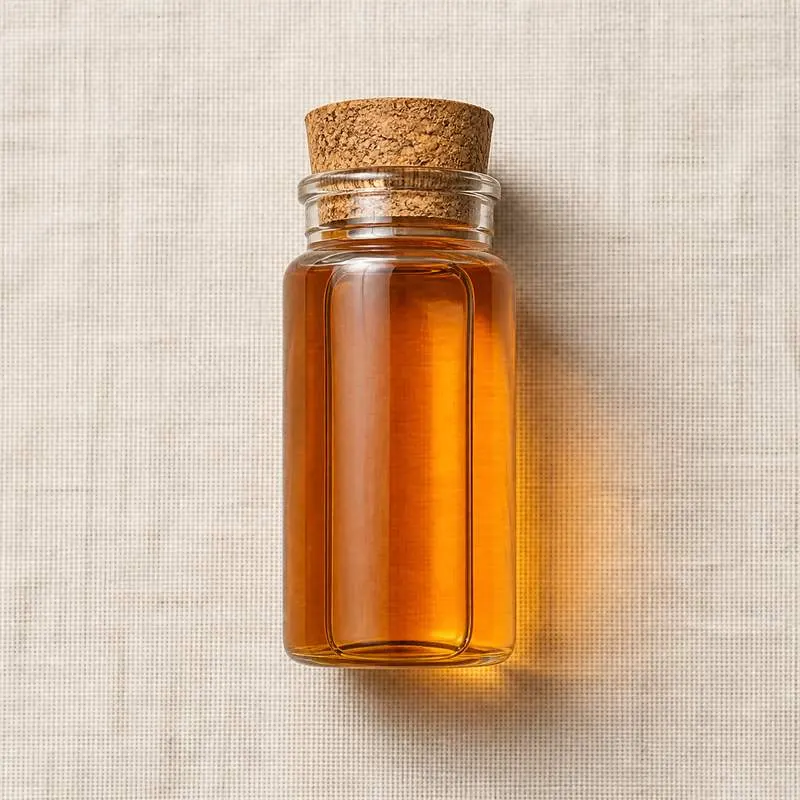
| Appearance | Brown to dark brown liquid, or free flowing powder for dried grades |
| Odour and taste | Characteristic cocoa and chocolate, matching retained sensory standard |
| Solubility | Miscible with the declared carrier phase, oil or water according to grade |
| Specific gravity at 25 degrees Celsius | Within agreed range for the grade |
| Refractive index at 20 degrees Celsius | Within agreed range for the grade |
| Heat stability | Retains profile after standard baking test for encapsulated grades |
| Moisture, powder grades | 5.0 percent maximum |
| Flavour load, powder grades | To declared value, typically 10 to 20 percent |
| Cadmium, cocoa containing grades | 0.5 mg per kg maximum |
| Lead | 1 mg per kg maximum |
| Arsenic | 1 mg per kg maximum |
| Total plate count | 1000 cfu per gram maximum |
| Yeast and mould | 100 cfu per gram maximum |
| Salmonella | Absent in 25 grams |
Common Markets Grades
Grades separate first by labelling status. Natural grades are built from cocoa extracts, cocoa distillates and natural flavouring substances, and are used where a clean declaration is required, while artificial and nature identical grades are compounded from synthesised pyrazines, aldehydes and vanillin, which are stronger, cheaper and more reproducible between lots. Cocoa extract and cocoa reaction flavour bases sit between the two, produced by extracting or reacting genuine cocoa material.
Flavour direction gives the second axis, with lines built towards dark chocolate, milk chocolate, cocoa powder, white chocolate and roasted cocoa nib profiles, each achieved by shifting the ratio of pyrazines to dairy lactones and vanillin. Physical form is the third: oil soluble and water soluble liquids, emulsions, spray dried powders that release on wetting, and fat encapsulated powders that hold the volatiles through baking and extrusion. Cocoa free lines avoid all cocoa derived material, which matters where cadmium limits or supply constraints apply, and kosher, halal, organic and allergen free versions are offered where the carrier and starting materials permit.
Applications
- Compound coatings and chocolate flavoured coatings made with vegetable fat rather than cocoa butter
- Bakery products, biscuits and cakes, using encapsulated grades that survive the oven
- Ice cream and frozen desserts, in the base and in the ripple sauce
- Dairy drinks, flavoured milk and chocolate beverages
- Breakfast cereals and extruded snacks, where the extruder strips the aroma of the cocoa in the recipe
- Confectionery fillings, wafers and creams
- Nutritional and protein products, where the flavour also masks protein and vitamin off notes
- Instant drink powders and vending mixes
- Dessert powders, mousses and puddings
- Reduced fat and reduced sugar products, restoring the aroma delivery lost with the fat phase
China Manufacturers of Chocolate Flavour
Top Chocolate Flavour manufacturers in China.
Company names and logos are the property of the manufacturers themselves. They are listed here because our own directory records them as producing this ingredient. A listing is not an endorsement by them, and we do not represent them or speak on their behalf.
Regulatory Status
In the United States chocolate flavour counts as a flavouring, and its components must be generally recognised as safe or listed among the synthetic flavouring substances in 21 CFR 172.515. Vanillin and the common cocoa pyrazines are permitted flavouring substances. The label term natural flavour or artificial flavour follows 21 CFR 101.22 according to the origin of the flavouring components. A separate constraint applies to naming: standards of identity for chocolate and cocoa products govern what may be called chocolate, so a product flavoured rather than made with cocoa must generally be described as chocolate flavoured.
In the European Union flavourings fall under the flavourings regulation and every flavouring substance used must appear on the Union list of authorised flavouring substances. Flavourings carry no E number, but carriers, solvents and additives in the preparation must be permitted for the food category. Where the flavour is built on a thermally reacted base made from sugars and amino acids, the process flavouring provisions of the same regulation apply, setting conditions on reaction temperature and time. Cocoa and chocolate products are separately governed by a directive setting compositional and naming requirements, which restricts use of the sales name chocolate. Codex covers flavourings through its guidelines on their use and cocoa products through its own standards.
Manufacturing Process
Where a natural base is used, it is prepared first. Cocoa beans, nibs or powder are extracted with water, ethanol or supercritical carbon dioxide to give a cocoa extract, or the aroma fraction is recovered as a distillate by steam stripping cocoa liquor under vacuum, which captures the volatile compounds without the fat and solids. Reaction flavour bases are made separately by heating a sugar with an amino acid source under controlled temperature, time and pH so that the pyrazine and aldehyde profile of roasting is generated directly.
Compounding follows at ambient temperature in a stainless steel vessel. Aroma chemicals, vanillin, any natural extract or distillate and the reacted base are weighed to formula and blended into the carrier, with the potent minor components diluted into a premix first. The batch is agitated gently, matured so that the profile settles, filtered and released against a retained sensory standard together with specific gravity, refractive index and gas chromatographic profile. Liquid grades are filled under nitrogen into lined drums or bottles. Powder grades are made by emulsifying the flavour into a maltodextrin and modified starch solution and spray drying it, or by dispersing it into molten hardened fat and spray chilling into free flowing beads, then sieving, testing flavour load and packing in foil lined bags.