Cinnamon Bark Oleoresin
Cinnamon Bark Oleoresin is a viscous solvent-extracted concentrate of the dried inner bark of Cinnamomum cassia or Cinnamomum verum that carries both the volatile essential oil and the non-volatile resinous fraction in a single matrix.
Compared with the steam-distilled oil, the oleoresin delivers a fuller, rounder, and more bark-like flavour profile because mucilages, tannins, and heavier sesquiterpenes remain in the product.
The material is a dark brown to reddish brown semi-fluid paste at room temperature, becoming pourable on gentle warming.
We source bulk Cinnamon Bark Oleoresin from top China manufacturers for our partners. The manufacturer is in Shaanxi. A smaller requirement can ship in a combined container with other ingredients.
Please send the grade you need, the volume and your destination port, and we will come back with a solution and a price.
or call +86-21-6858 0751
- Packaging
- 25 kg galvanised drum, nitrogen blanketed
- ISO 9001
- HACCP
- Halal
- Kosher
Specifications
| Item | Specification |
|---|---|
| Appearance | Dark brown to reddish brown viscous liquid |
| Odour and Flavour | Characteristic warm sweet spicy cinnamon bark |
| Volatile Oil Content | 50 - 65 mL/100 g |
| Cinnamaldehyde (GC, in volatile fraction) | 70.0 - 85.0% |
| Coumarin | ≤ 0.5% |
| Moisture | ≤ 2.0% |
| Specific Gravity (25°C) | 1.030 - 1.070 |
| Refractive Index (20°C) | 1.570 - 1.600 |
| Solubility | Soluble in ethanol, dispersible in edible oil |
| Residual Solvent (Hexane) | ≤ 25 mg/kg |
| Heavy Metals (as Pb) | ≤ 10 mg/kg |
| Arsenic (as As) | ≤ 3 mg/kg |
| Total Plate Count | ≤ 1,000 cfu/g |
| Yeast and Mould | ≤ 100 cfu/g |
| Salmonella | Negative/25g |
Common Markets Grades
Cinnamon Bark Oleoresin is graded by volatile oil content and by botanical source.
The standard cassia oleoresin specification is 50 to 65 percent volatile oil by hydrodistillation, with cinnamaldehyde inside the volatile fraction at 70 to 85 percent by GC.
A higher-strength grade reaches 70 to 80 percent volatile oil for processors who blend back into a base. A lower-strength grade at 30 to 40 percent volatile oil suits direct seasoning use without further dilution.
Ceylon-source oleoresin is a separate item, with a softer, eugenol-balanced profile and lower coumarin.
Dispersed and emulsion forms are produced for beverage and dairy formulators. Plated grades on salt, dextrose, or rusk are made for dry seasoning blends.
Solvents in commercial use include ethanol, acetone, hexane, and supercritical CO2. Residual solvent is controlled to category limits and declared on the certificate.
Applications
- Savory seasoning blends, curry pastes, and Mexican mole bases needing both aroma and body
- Sausage and meat-product spice blends where the full bark profile is wanted
- Bakery applications including cinnamon buns, cookies, and quick breads
- Confectionery: cinnamon hard candies, syrups, and gum bases
- Liqueur and bitters production as a single concentrated flavour input
- Mulled wine and chai concentrate bases for ready-to-drink beverages
- Sauces, marinades, and pickling brines for an integrated cinnamon note
- Plated dry seasoning systems for snacks and instant noodles
- Pharmaceutical syrups and chewable tablets requiring rounded cinnamon flavour
- Oral care pastes and gels where the resinous fraction aids cling
- Functional and herbal supplement masking systems
- Aromatherapy resin blends and incense compounds
Brands Using Cinnamon Bark Oleoresin
Widely-distributed consumer products that list Cinnamon Bark Oleoresin on the ingredient label.
- Ferrara Candy (Red Hots)Red Hots Cinnamon Flavored Candy ↗Ferrara Red Hots is a panned cinnamon candy whose heat comes from full-spectrum cinnamon bark flavour, the cinnamaldehyde-carrying oil and oleoresin.Label verified 2026-05-24
- Just Born (Hot Tamales)Hot Tamales Fierce Cinnamon Chewy Candy ↗Just Born's Hot Tamales Fierce Cinnamon is a chewy candy whose intense cinnamon flavour is built on cinnamon bark oil/oleoresin as the dominant flavour system.Label verified 2026-05-24
- Ferrara Candy (Atomic Fireball)Atomic Fireball Cinnamon Jawbreakers ↗Ferrara Atomic Fireball is a hot cinnamon jawbreaker flavoured with cinnamaldehyde-rich cinnamon bark oil and oleoresin.Label verified 2026-05-24
- Jelly BellySizzling Cinnamon Jelly Beans ↗Jelly Belly's Sizzling Cinnamon jelly beans (and Cinnamon Lovers Hearts) are flavoured with real cinnamon oil/oleoresin, delivering full-spectrum cinnamon bark character in a panned candy.Label verified 2026-05-24
Brand names, product names and logos are the property of their owners. They appear here as published evidence that the ingredient is used, taken from the brand's own label or website. Their appearance is not an endorsement, and it does not mean the brand buys from us or from any manufacturer listed on this site.
China Manufacturers of Cinnamon Bark Oleoresin
Top Cinnamon Bark Oleoresin manufacturers in China.
Company names and logos are the property of the manufacturers themselves. They are listed here because our own directory records them as producing this ingredient. A listing is not an endorsement by them, and we do not represent them or speak on their behalf.
How We Help Source Cinnamon Bark Oleoresin
Direct Factory Sourcing
We run the whole process: selecting the manufacturer from the top Chinese food ingredient producers, negotiating the price, verifying quality, and coordinating the logistics. You deal with us instead of with several factories at once.
Original Packaging and Documents from the Manufacturer
The manufacturer sends your Cinnamon Bark Oleoresin out of its own factory in the original packing, through to your destination port. The COA, COO, MSDS, TDS and any certifications reach you from the manufacturer as well.
Free Samples and Lead Time
We send 100 to 500 g free for your own laboratory to test and you cover only the courier, usually within 2 to 3 working days. ETD is usually within 7 to 15 days once the order is confirmed, and we check that date against the factory's own manufacturing schedule before we give it to you.
Combined Shipment
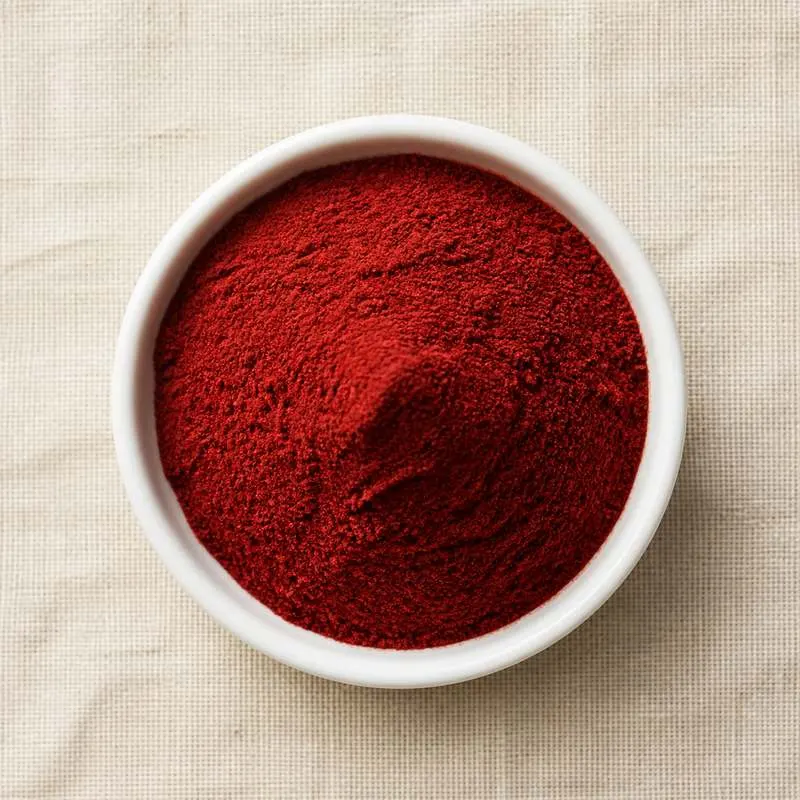
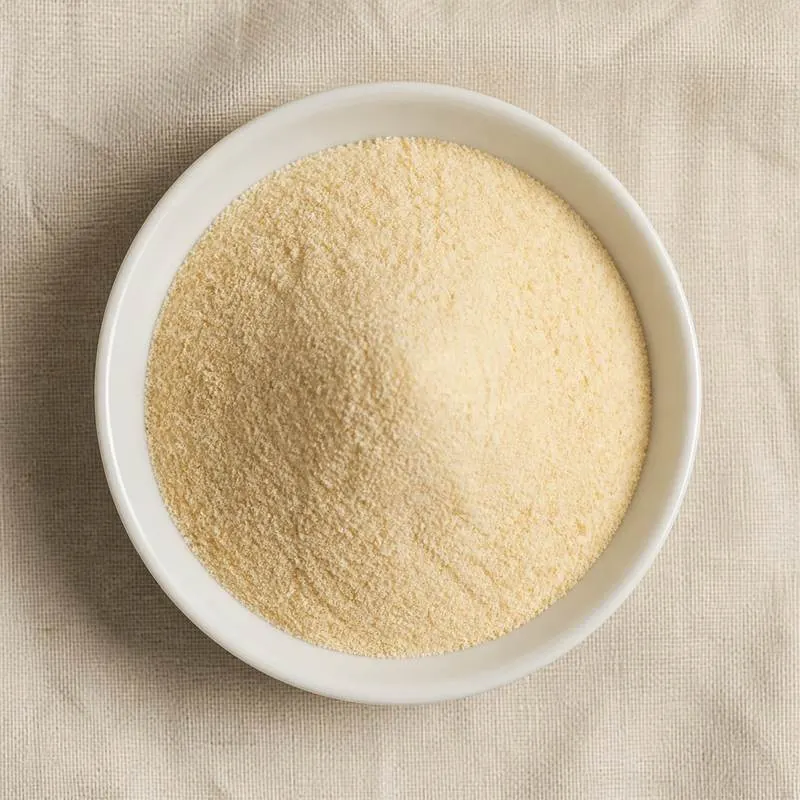
We can load Cinnamon Bark Oleoresin together with other ingredients such as Astaxanthin, Dehydrated Garlic and Lutein into one 20' FCL. If your quantity is small, we can also ship LCL.
Regulatory Status
Cinnamon bark oleoresin is recognised as a flavouring ingredient in major jurisdictions and is treated as a natural flavouring complex.
In the European Union the material is captured under Regulation (EC) No 1334/2008 on flavourings. The Annex III maximum levels for coumarin and methyleugenol apply at the finished-food level when cassia-derived material is used.
In the United States the oleoresin is generally recognized as safe for flavouring under 21 CFR 182.20. FEMA lists cassia oleoresin as FEMA 2259 and Ceylon cinnamon oleoresin as FEMA 2292.
Residual solvent is controlled by ICH Q3C for pharmaceutical applications and by national food-additive regulations for food use. Hexane is typically held below 25 ppm in food-grade oleoresin and ethanol or acetone are restricted to single-digit percentages.
Halal, Kosher, and organic certifications exist from contracted manufacturers in India, Vietnam, and Sri Lanka.
Manufacturing Process
Selected cassia or Ceylon bark is milled to a defined particle size that balances solvent contact with downstream filtration. Grind that is too fine compacts in the percolator and slows extraction.
The milled bark is loaded into stainless or carbon-steel percolators and washed with solvent in a counter-current cascade. Ethanol and acetone are common food-grade choices. Hexane is used where downstream stripping is rigorous. Supercritical carbon dioxide is used for premium solvent-free grades.
The miscella is concentrated in falling-film or wiped-film evaporators under vacuum to protect the volatile oil. Solvent is recovered and recycled.
The crude oleoresin is standardised to target volatile oil content, often by blending high-strength and low-strength batches or by back-adding distilled cinnamon bark oil. Carriers such as polysorbate or vegetable oil may be added to set viscosity and dispersibility.
Final material is filtered through plate-and-frame or bag filters and packed under nitrogen in lined steel drums or HDPE pails to slow oxidative darkening.