Coarse Cheese
Coarse Cheese is an industrial cut specification rather than a cheese variety, describing natural cheese reduced to coarse shreds, strands or granules for use as an ingredient. The cut is typically 4 to 6 millimetres across and 25 to 40 millimetres long, noticeably heavier than fine shred, and it is produced from pressed cow milk cheese such as mozzarella, cheddar, gouda or a blend of these.
The reason for specifying a coarse cut is functional. A heavier strand carries a lower surface area for its weight, so it takes up less anticaking agent, resists matting in the bag, and holds its shape longer under heat before flowing. On a baked surface it gives a visible mottled melt with defined browning rather than the uniform sheet produced by fine shred, and in a mixed product it survives tumbling and conveying without breaking down into fines.
The material ships chilled under modified atmosphere or individually quick frozen, dusted with a starch or cellulose anticaking agent. It is not water soluble and softens progressively above about 30 degrees Celsius, with melt and stretch behaviour set by the base cheese rather than by the cut.
We source bulk Coarse Cheese from top China manufacturers for our partners. The manufacturer is in Guangdong. A smaller requirement can ship in a combined container with other ingredients.
Please send the grade you need, the volume and your destination port, and we will come back with a solution and a price.
or call +86-21-6858 0751
- Function
- Protein
Specifications
| Item | Specification |
|---|---|
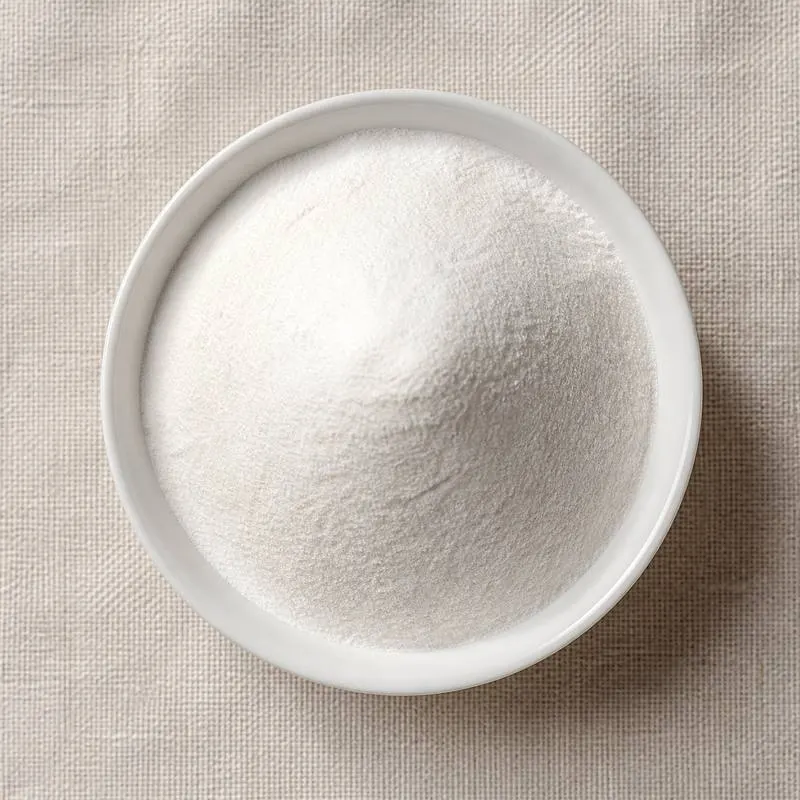
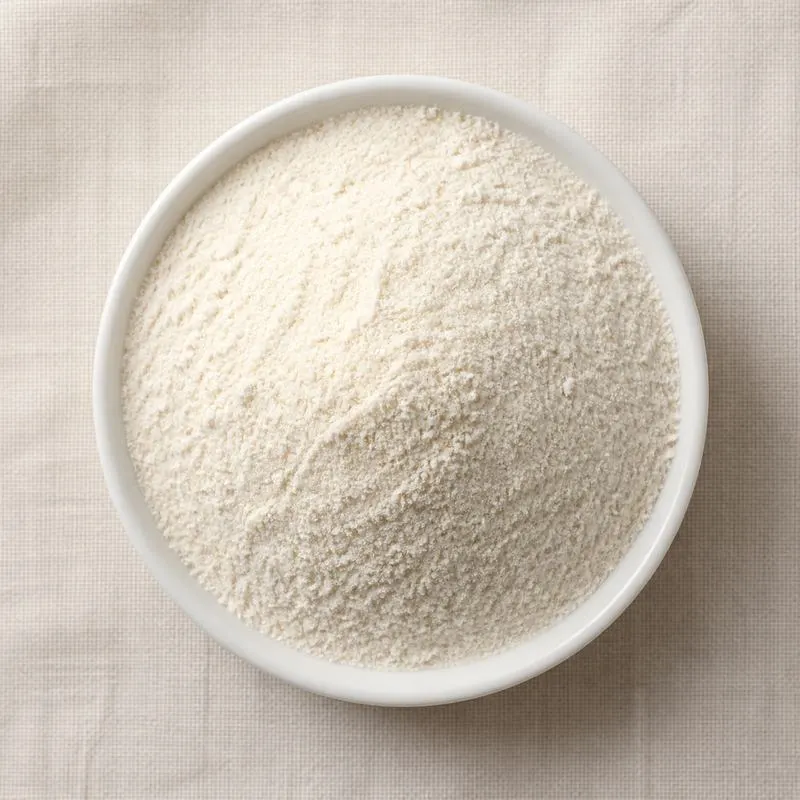
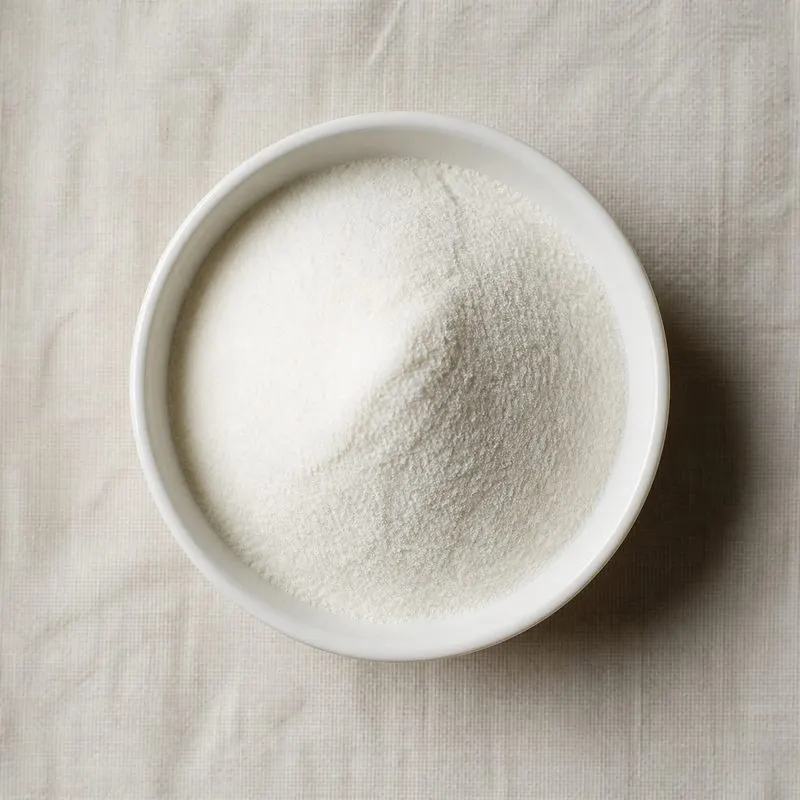
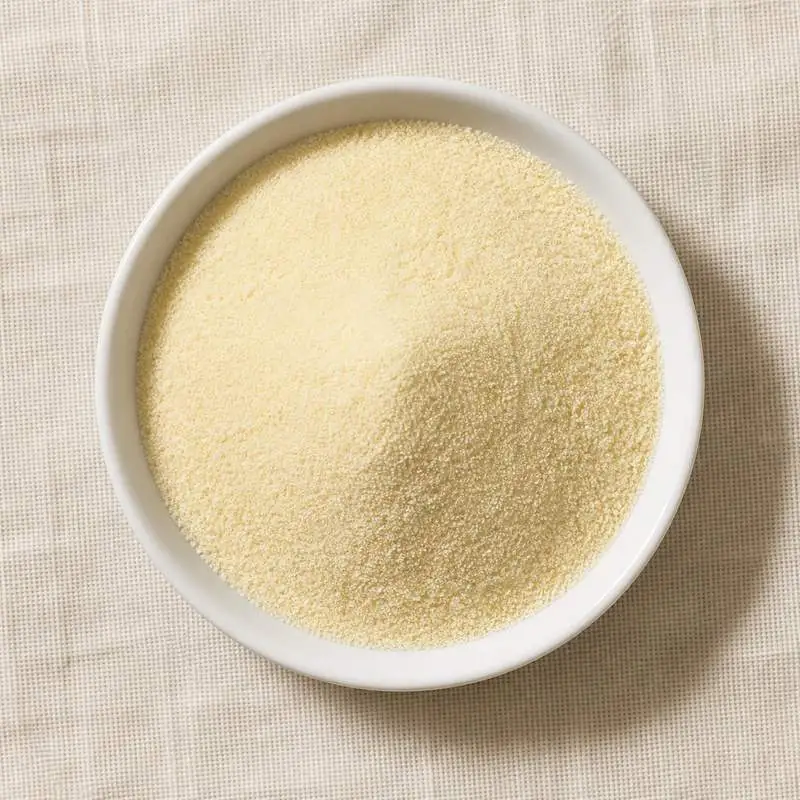
| Appearance | Free-flowing coarse strands, uniform colour, free from clumping |
| Nominal cut size | 5 x 5 mm cross-section, 25 to 40 mm length |
| Flavour and odour | Clean, characteristic of the declared base cheese |
| Moisture | Maximum 46.0 percent for part-skim mozzarella base |
| Milkfat in dry matter | Minimum 40.0 percent |
| Protein | 22.0 to 26.0 percent |
| Salt | 1.2 to 1.8 percent |
| pH | 5.1 to 5.5 |
| Fines and undersize | Maximum 4.0 percent by weight |
| Anticaking agent | Maximum 2.0 percent, starch or cellulose |
| Lead | Maximum 0.1 mg per kg |
| Listeria monocytogenes | Negative per 25 gram |
| Salmonella | Negative per 25 gram |
| E. coli | Maximum 10 CFU per gram |
| Yeast and mould | Maximum 500 CFU per gram |
Common Markets Grades
Two independent specifications define a grade. The first is the base cheese, which fixes flavour, colour, melt and how much oil is released on baking. Low moisture part-skim mozzarella is the volume choice for baked applications, cheddar for flavour-led products, and two or three way blends are common where both melt and flavour are required. Age of the base cheese is specified alongside, since young cheese flows and older cheese browns.
The second is the physical cut and finish. Coarse shred is traded against a nominal strand cross-section, most often 4 by 4, 5 by 5 or 6 by 6 millimetres, with an agreed maximum for fines and undersize. Anticaking agent is declared by type and by addition rate, typically potato or maize starch, or microcrystalline cellulose where a starch-free label is needed, and a natamycin surface treatment is available in markets that permit it. Chilled and individually quick frozen streams are quoted separately, and the frozen material is specified for long distribution chains and for automated dosing onto frozen ready meal lines.
Applications
- Pizza toppings, where a coarse strand gives the mottled browning and defined melt pattern expected on a baked base
- Frozen ready meals and pasta bakes, where individually quick frozen shred is dosed by weight onto the line
- Gratin and oven-baked vegetable products, where the strand holds shape before flowing
- Filled and topped savoury bakery, including cheese breads, pastries and stuffed crusts
- Burritos, tacos and other assembled hot snacks, where the cut resists compaction during folding
- Salads and cold assembled products, where a heavier shred stays separate in the pack
- Sauce and soup manufacture, where coarse cheese is used as melting feedstock that doses more consistently than block
- Food service catering packs, where the format removes shredding labour in the kitchen
China Manufacturers of Coarse Cheese
Top Coarse Cheese manufacturers in China.

Company names and logos are the property of the manufacturers themselves. They are listed here because our own directory records them as producing this ingredient. A listing is not an endorsement by them, and we do not represent them or speak on their behalf.
Regulatory Status
In the United States, the base cheese is subject to the standard of identity for its named variety in Title 21 of the Code of Federal Regulations Part 133, which limits moisture and milkfat and lists the ingredients permitted, including the anticaking agents applied to shredded cheese. Milk must be pasteurised or the cheese aged for at least sixty days. Cheese is a milk-derived major food allergen and must be declared under the Food Allergen Labelling and Consumer Protection Act, and any starch or cellulose anticaking agent appears in the ingredient statement.
In the European Union, shredded natural cheese is a foodstuff and carries no E number, although the anticaking agent is an additive that must be declared and natamycin surface treatment is permitted only for the specified cheese categories and only at the rind. Hygiene requirements follow Regulation EC 853/2004 for products of animal origin, and milk is a mandatory allergen under Annex II of Regulation EU 1169/2011. Codex Alimentarius covers the base cheese under its general standard for cheese and the associated variety standards.
Manufacturing Process
The base cheese is made by the standard pressed cheese route. Pasteurised milk is standardised, inoculated with lactic starter, coagulated with chymosin, and the curd is cut, scalded and drained. Depending on variety the curd is cheddared and milled or, for pasta filata cheese, stretched in hot water before moulding. The cheese is salted, pressed into rindless blocks, vacuum packed and held under temperature control until the target age.
For the coarse cut, blocks are tempered to about 2 to 6 degrees Celsius so the body is firm enough to shear cleanly without smearing. The block passes through a shredder fitted with a coarse cutting head, and the strands drop onto a vibrating screen that removes fines and undersize. Anticaking agent is metered into a dusting drum and tumbled onto the strands, after which the product is either gas flushed and packed chilled or carried through a fluidised bed or spiral freezer for individually quick frozen packing. Metal detection and checkweighing complete the line.