Natamycin
Natamycin is a tetraene macrolide antifungal compound used as a surface preservative on cheese rinds and dried, cured sausages. It is produced by submerged fermentation of the soil bacterium Streptomyces natalensis.
The molecule carries the formula C₃₃H₄₇NO₁₃ with a CAS number of 7681-93-8. It binds ergosterol in fungal cell membranes and acts against a broad range of yeasts and moulds without affecting bacteria, so it leaves desirable lactic and ripening cultures intact.
We source bulk Natamycin from top China manufacturers for our partners, working with several of them. The manufacturers are mostly in Henan, Shandong and Jiangsu. A smaller requirement can ship in a combined container with other ingredients.
Please send the grade you need, the volume and your destination port, and we will come back with a solution and a price.
or call +86-21-6858 0751
- Packaging
- 20 kg fibre drum with double PE liner
- ISO 9001
- HACCP
- Halal
- Kosher
Specifications
| Item | Specification |
|---|---|
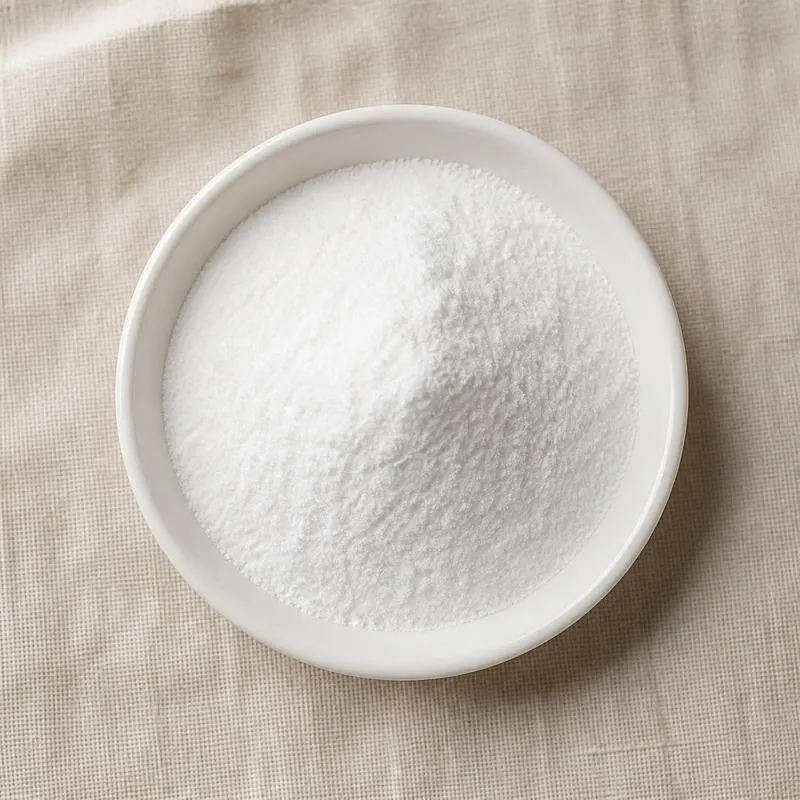
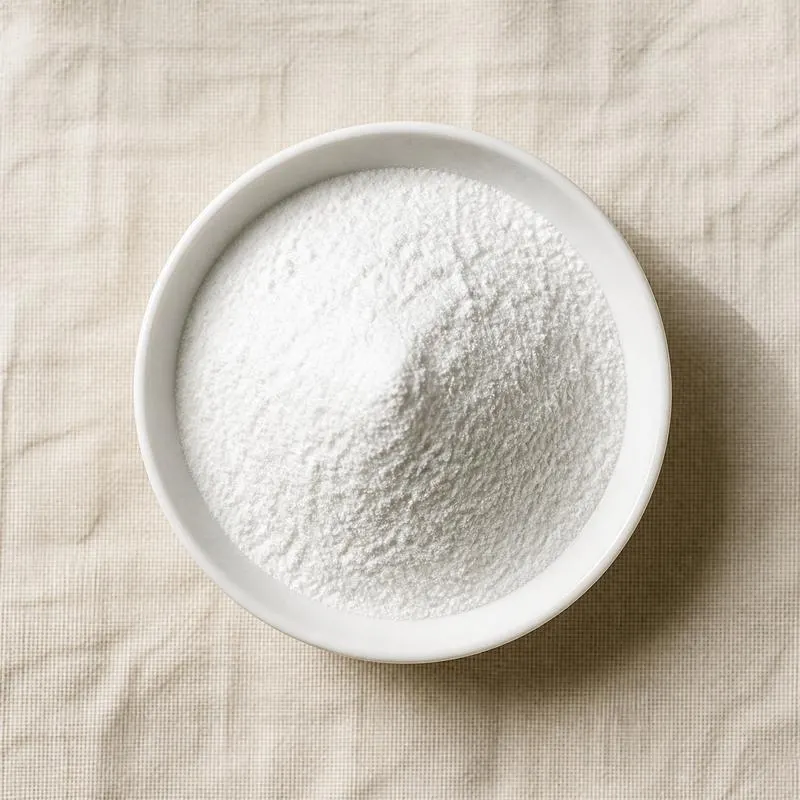
| Appearance | Pale yellow crystalline powder |
| Assay (HPLC, dry basis) | ≥ 95.0% |
| Loss on drying | ≤ 8.0% |
| Residue on ignition | ≤ 0.5% |
| pH (1% suspension) | 5.5 to 7.5 |
| Heavy metals (as Pb) | ≤ 20 mg/kg |
| Arsenic | ≤ 3 mg/kg |
| Total plate count | ≤ 100 cfu/g |
| Yeast and mold | ≤ 100 cfu/g |
Common Markets Grades
Five common formats of natamycin reach the trade, sorted by active content and carrier.
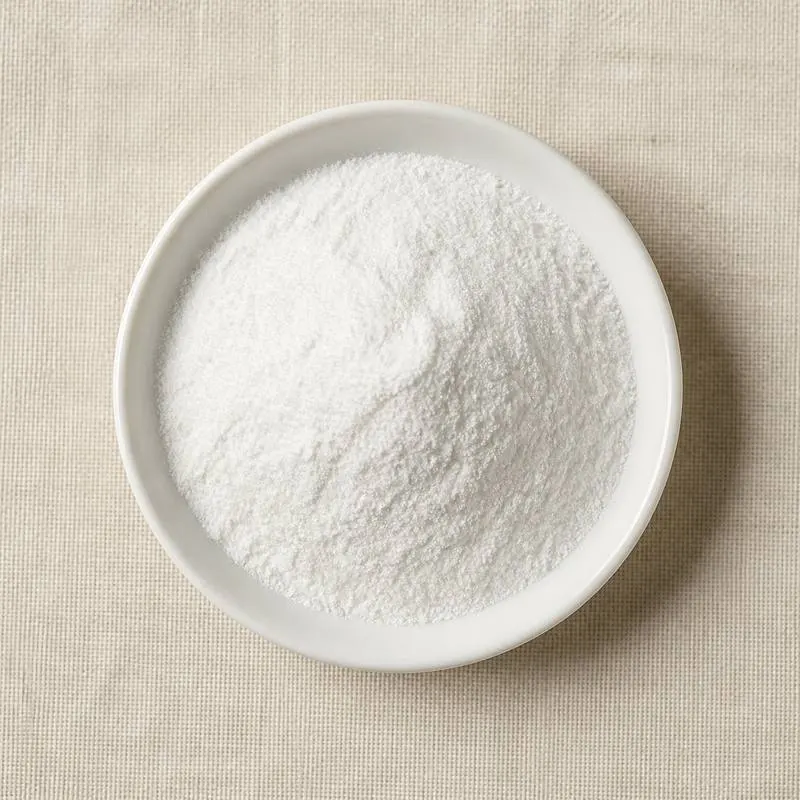
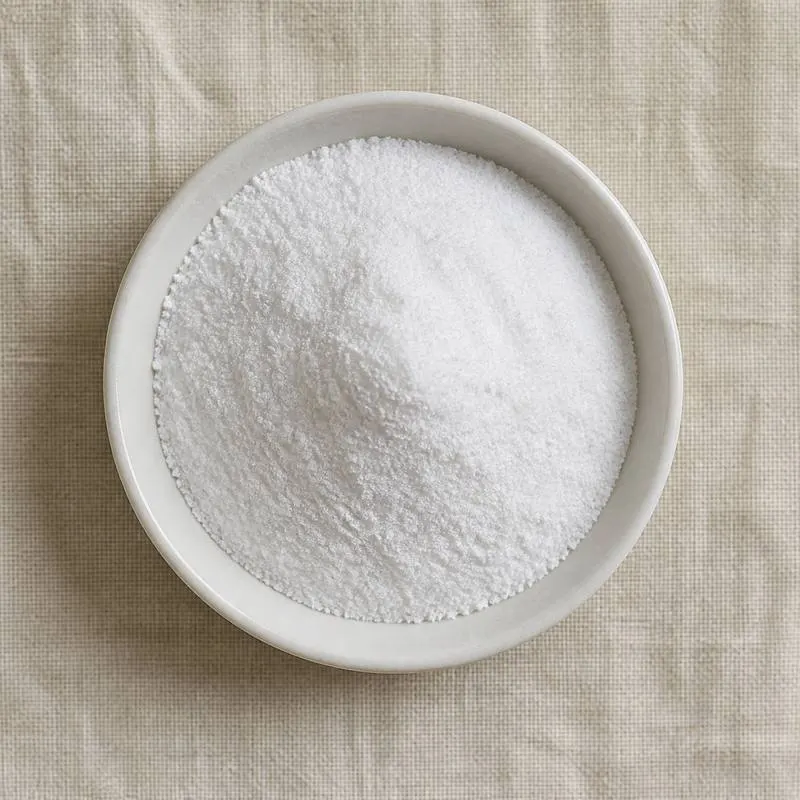
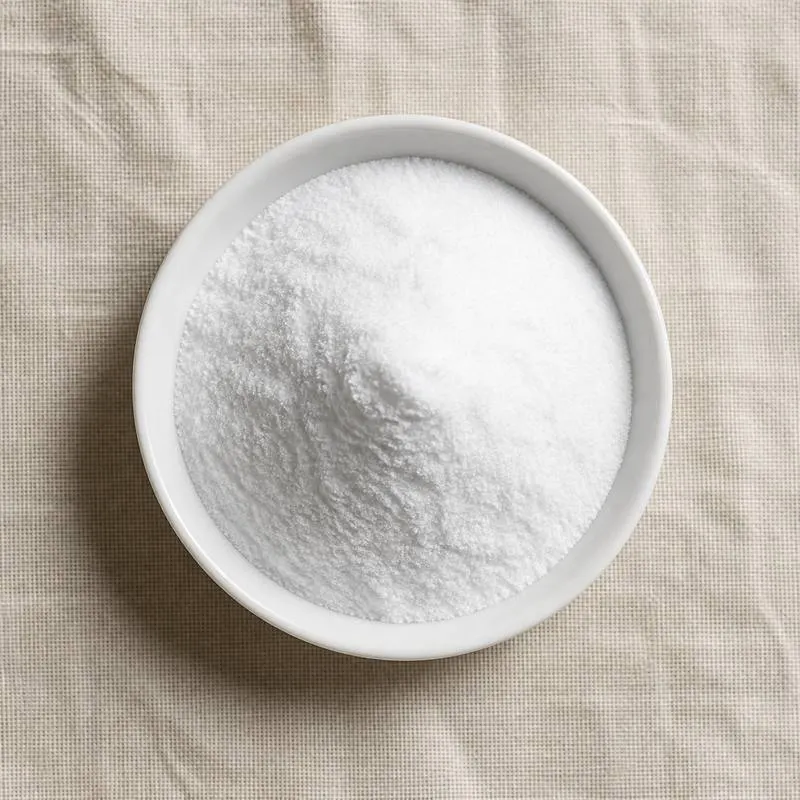
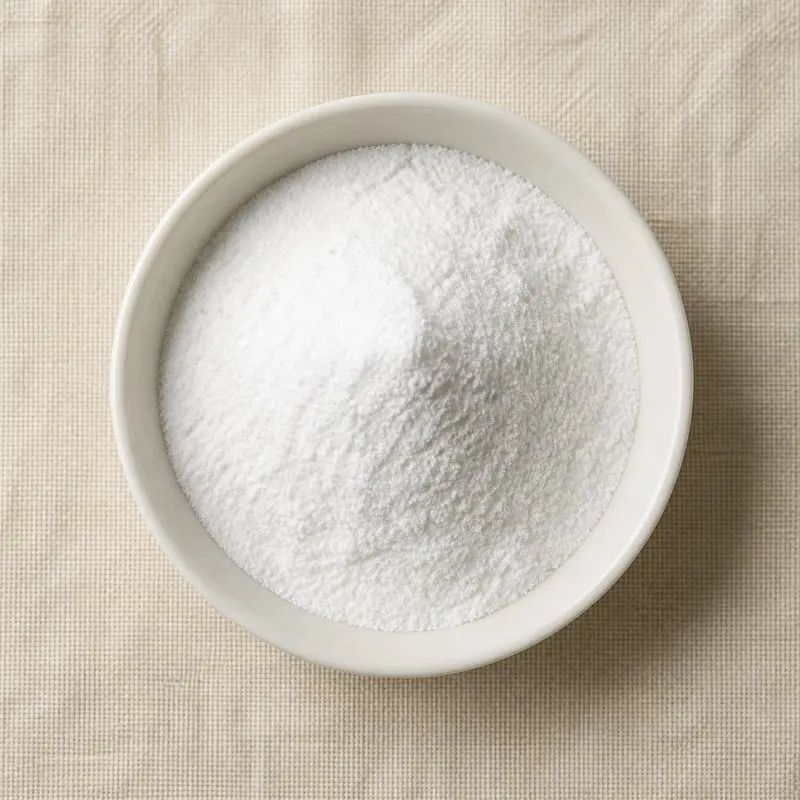
The high-purity 95 percent crystalline grade carries no carrier and is reserved for pharmaceutical formulation and aqueous suspension dips. The 50 percent grades use food-compatible carriers chosen to suit the matrix the preservative will enter.
The glucose-carrier grade is the standard grade for dry blends in bakery and confectionery dosing. The lactose-carrier grade is favoured for cheese plants where lactose blends into the dairy matrix without flavour change. The sodium-chloride carrier grade is matched to cured-meat brines and cure mixes.
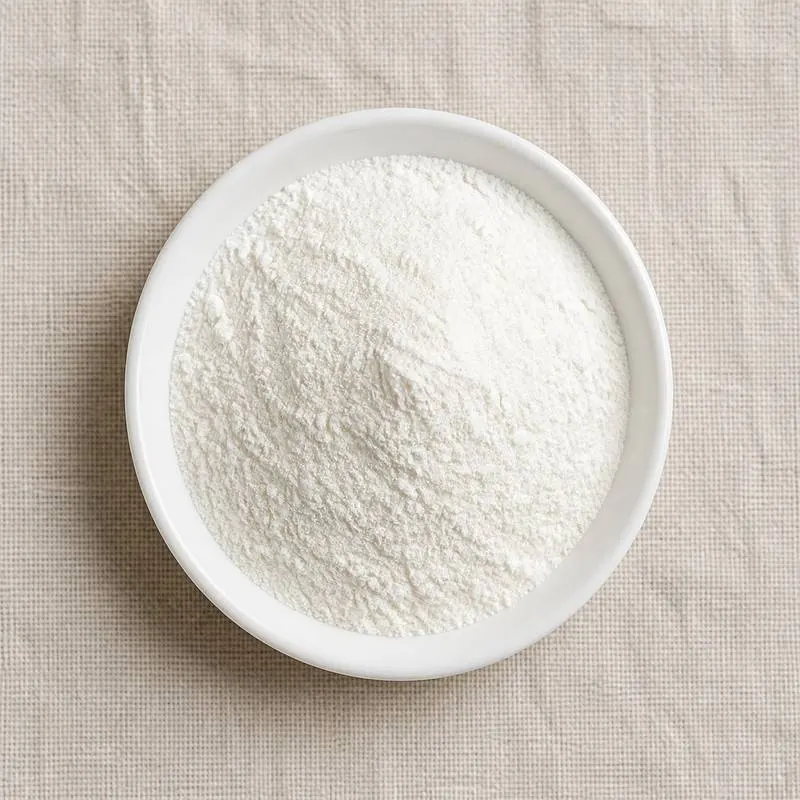
All commercial grades are pale cream to off-white powders with low water solubility, typically 30 to 50 ppm at neutral pH.
Applications
- Surface treatment of hard and semi-hard cheese rinds by dipping or spraying to suppress mould growth during ripening
- Coating of dried, cured, and fermented sausages such as salami and chorizo casings
- Yogurt and fresh cheese surfaces in markets where in-product use is permitted
- Cottage cheese, sour cream, and cream cheese as a yeast-spoilage barrier
- Bakery fillings, frostings, and tortillas in markets that permit broader use
- Fruit juice and wine processing in jurisdictions that allow oenological use
- Pharmaceutical eye drops for fungal keratitis (5 percent ophthalmic suspension)
- Topical antifungal creams and lotions
- Salad dressings and dips with low-acid yeast challenge
- Cured fish surface treatment in some markets
- Pet treats and semi-moist pet foods to control surface mould
- Animal feed silage and forage preservation
Brands Using Natamycin
Widely-distributed consumer products that list Natamycin on the ingredient label.
- SargentoSargento Shredded Sharp Natural Cheddar Cheese (Traditional Cut) ↗Brand product page ingredient panel: 'Cheddar Cheese [Pasteurized Milk, Cheese Culture, Salt, Enzymes, Annatto (Vegetable Color)], Potato Starch and Powdered Cellulose (to prevent caking), Natamycin (a natural mold inhibitor).'Label verified 2026-05-24
- SargentoSargento Sliced Provolone Natural Cheese (with Natural Smoke Flavor) ↗Brand product page lists Pasteurized Milk, Cheese Culture, Salt, Enzymes, Natural Smoke Flavor, and Natamycin (a natural mold inhibitor).Label verified 2026-05-24
- Kraft (Kraft Heinz)Kraft Natural Cheese Shredded Mozzarella (Low-Moisture Part-Skim) ↗Brand product page ingredient list: 'Low-Moisture Part-Skim Mozzarella Cheese (Pasteurized Part-Skim Milk, Cheese Culture, Salt, Enzymes), Modified Cornstarch Added To Prevent Caking, Natamycin (A Natural Mold Inhibitor).'Label verified 2026-05-24
- TillamookTillamook Sharp Cheddar Shredded Cheese ↗Brand product page ingredient list: 'Sharp Cheddar Cheese (Cultured Milk, Salt, Enzymes, Annatto [color]), Potato Starch, Natamycin.'Label verified 2026-05-24
- TillamookTillamook Mozzarella Farmstyle Shredded Cheese ↗Brand page lists Low Moisture Part-Skim Mozzarella, Potato Starch, and Natamycin.Label verified 2026-05-24
- Crystal FarmsCrystal Farms Shredded Cheddar Cheese ↗Crystal Farms shredded cheddar contains Cheddar Cheese (Pasteurized Milk, Cheese Culture, Salt, Enzymes and Annatto [Color]), Potato Starch, Dextrose, Powdered Cellulose, Enzyme, and Natamycin (Mold Inhibitor).Label verified 2026-05-24
- Cabot CreameryCabot Sharp Cheddar Shredded Cheese ↗Cabot shredded cheddar ingredient list includes pasteurised milk, cheese cultures, salt, enzymes, annatto (colour), potato starch, corn starch, calcium sulphate (to prevent caking), and natamycin (natural mold inhibitor).Label verified 2026-05-24
- KrogerKroger Sharp Cheddar Shredded Cheese, 8 oz ↗Kroger private-label sharp cheddar shreds: Pasteurized Milk, Cheese Culture, Salt, Enzymes, Color Added, Potato Starch, Tapioca Starch, Dextrose and Calcium Sulfate (anticaking), and Natamycin (a natural mold inhibitor).Label verified 2026-05-24
- BelGioiosoBelGioioso Four Cheeses Freshly Shredded Blend ↗BelGioioso Four Cheeses blend (Asiago, Parmesan, Fontina, Mild Provolone): cultured milk/pasteurised milk, enzymes, salt, cellulose (to prevent caking), and natamycin (to protect flavour).Label verified 2026-05-24
- BelGioiosoBelGioioso American Grana Freshly Shredded Extra Aged Parmesan ↗Brand spec sheet for freshly shredded American Grana lists cellulose (anticaking) and natamycin (to protect flavour) along with the cheese components.Label verified 2026-05-24
- Stella (Saputo)Stella Shredded Parmesan Cheese Cup, 5 oz ↗Stella shredded Parmesan ingredients: Parmesan Cheese (Pasteurized Part-Skim Milk, Cheese Cultures, Salt, Enzymes), Powdered Cellulose (to prevent caking), Natamycin (to protect flavour).Label verified 2026-05-24
- Polly-O (BelGioioso/Lactalis)Polly-O Low Moisture Mozzarella and Provolone Shredded Blend, 8 oz ↗Polly-O shredded mozzarella/provolone blend brand page: Cultured pasteurised milk, salt, enzymes, cellulose (anticaking), natamycin (to protect flavour).Label verified 2026-05-24
- Galbani (Lactalis)Galbani Professionale Whole Milk Mozzarella Cheese, 5 lb ↗Galbani Professionale Whole Milk Mozzarella ingredient list: Pasteurized Milk, Cheese Cultures, Sea Salt, Enzymes, and Natamycin (to protect flavour).Label verified 2026-05-24
- Frico (FrieslandCampina)Frico Gouda Wax Wheel (Holland Gouda imported to Japan) ↗Japanese importer (Nosawa & Co.) lists ingredients for Frico Gouda as raw milk, salt, carotenoid colour, preservative (natamycin), natamycin is used on the wax surface coating.Label verified 2026-05-24
Brand names, product names and logos are the property of their owners. They appear here as published evidence that the ingredient is used, taken from the brand's own label or website. Their appearance is not an endorsement, and it does not mean the brand buys from us or from any manufacturer listed on this site.
China Manufacturers of Natamycin
Top Natamycin manufacturers in China.
 Chihon Biotechnology Co., Ltd.8 ingredients in the directory
 Jiangsu TUA LLC6 ingredients in the directory
 Shandong Freda Biotechnology Co., Ltd.8 ingredients in the directory
 Weiri (Shandong) Bio-Tech Co., Ltd.7 ingredients in the directory
- Xinxiang Tianyi Biotechnology Co., Ltd.10 ingredients in the directory
 Yota Bio-engineering Co., Ltd.10 ingredients in the directory
 Zhejiang Silver Elephant Bioengineering Co., Ltd.12 ingredients in the directory
 Zhengzhou Bainafo Bioengineering Co., Ltd.8 ingredients in the directory
Company names and logos are the property of the manufacturers themselves. They are listed here because our own directory records them as producing this ingredient. A listing is not an endorsement by them, and we do not represent them or speak on their behalf.
How We Help Source Natamycin
Direct Factory Sourcing
We run the whole process: selecting the manufacturer from the top Chinese food ingredient producers, negotiating the price, verifying quality, and coordinating the logistics. You deal with us instead of with several factories at once.
Original Packaging and Documents from the Manufacturer
The manufacturer sends your Natamycin out of its own factory in the original packing, through to your destination port. The COA, COO, MSDS, TDS and any certifications reach you from the manufacturer as well.
Free Samples and Lead Time
We send 100 to 500 g free for your own laboratory to test and you cover only the courier, usually within 2 to 3 working days. ETD is usually within 7 to 15 days once the order is confirmed, and we check that date against the factory's own manufacturing schedule before we give it to you.
Combined Shipment
We can load Natamycin together with other ingredients such as Calcium Propionate, Sodium Diacetate and Sodium Propionate into one 20' FCL. If your quantity is small, we can also ship LCL.
Regulatory Status
Natamycin is approved as a food preservative under tight matrix restrictions in most markets.
In the European Union it carries the number E235 and is permitted under Annex II of Regulation 1333/2008 only as a surface treatment of hard, semi-hard, and semi-soft cheese and of dried, cured sausage. The maximum residue limit is 1 mg per dm² of surface area, with no detectable residue more than 5 mm deep.
The U.S. Food and Drug Administration regulates natamycin as a food additive under 21 CFR 172.155, permitted as an antimycotic on the surface of cuts and slices of cheese at up to 20 mg per kg. The substance is also approved for ophthalmic use as Natamycin Ophthalmic Suspension USP.
JECFA has evaluated natamycin as a veterinary and food substance. Pharmacopoeial monographs appear in the United States Pharmacopeia, the European Pharmacopoeia, and the British Pharmacopoeia.
Manufacturing Process
Natamycin is produced industrially by aerobic submerged fermentation of Streptomyces natalensis on a glucose, soy, and yeast-extract medium.
The bacterium was isolated in 1955 from soil collected near Pietermaritzburg in the Natal province of South Africa, which gave the molecule its name. Fermentation typically runs four to seven days at controlled pH and dissolved oxygen.
After fermentation the broth is filtered to remove biomass. The antifungal partitions into a polar solvent such as methanol, then crystallises out on cooling and pH adjustment.
The crude crystals are washed and recrystallised to reach pharmacopoeia-grade purity. Food-grade material is then standardised by blending with a chosen carrier such as glucose, lactose, or sodium chloride to reach 50 percent activity.