Cold Pressed Peanut Oil
Cold pressed peanut oil is the edible oil obtained from the kernels of Arachis hypogaea by mechanical expression at controlled temperature, without solvent extraction and without the alkali refining, bleaching and deodorising train applied to conventional peanut oil.
The fatty acid profile is dominated by oleic acid at roughly 40 to 55 percent and linoleic acid at 25 to 35 percent, with palmitic acid making up most of the saturated fraction and small proportions of the very long chain arachidic, behenic and lignoceric acids that are characteristic of the species and are used to authenticate it.
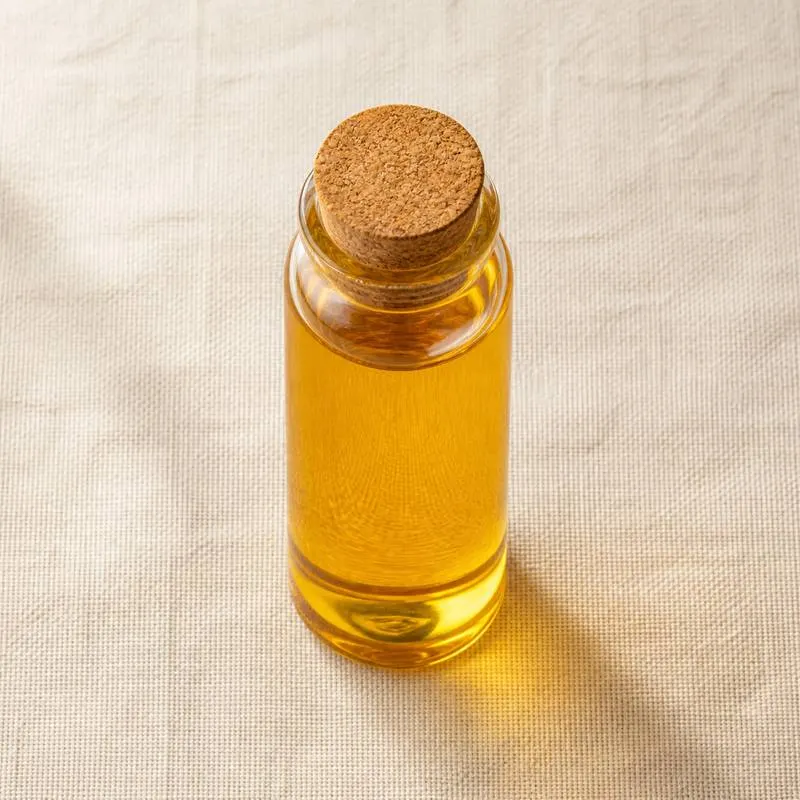
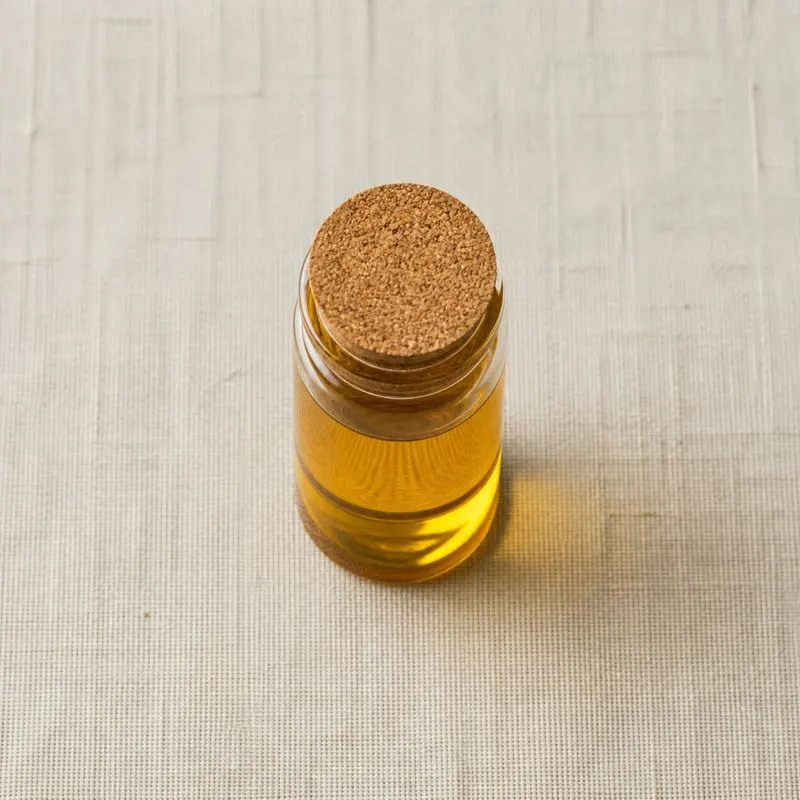
Because the oil is only settled and filtered rather than refined, it retains the roasted or nutty aroma of the kernel, a deeper yellow to amber colour, and its natural tocopherols, phytosterols and phospholipids. Those minor components give reasonable oxidative stability for an unrefined oil, but the retained phospholipids and free fatty acids lower the smoke point relative to refined peanut oil, so it is treated as a flavour oil and a moderate heat cooking oil rather than a deep frying medium. It clouds and partially solidifies under refrigeration and returns to clarity on warming.
We source bulk Cold Pressed Peanut Oil from top China manufacturers for our partners. The manufacturer is in Shandong. A smaller requirement can ship in a combined container with other ingredients.
Please send the grade you need, the volume and your destination port, and we will come back with a solution and a price.
or call +86-21-6858 0751
- Function
- Nutraceutical
Specifications
| Item | Specification |
|---|---|
| Appearance | Clear yellow to amber oil at 20 C |
| Odour and Taste | Characteristic roasted peanut, free from rancid notes |
| Identification | Fatty acid profile conforms to arachis oil ranges |
| Oleic Acid | 40.0% to 55.0% of total fatty acids |
| Linoleic Acid | 25.0% to 35.0% of total fatty acids |
| Acid Value | Not more than 3.0 mg KOH/g |
| Peroxide Value | Not more than 7.5 meq/kg |
| Moisture and Volatiles | Not more than 0.2% |
| Insoluble Impurities | Not more than 0.05% |
| Unsaponifiable Matter | Not more than 10 g/kg |
| Total Aflatoxin | Not more than 4 ug/kg |
| Benzo(a)pyrene | Not more than 2 ug/kg |
| Lead | Not more than 0.1 mg/kg |
| Arsenic | Not more than 0.1 mg/kg |
Common Markets Grades
The principal distinction is between the aromatic and the mild grade. Aromatic cold pressed oil is expressed from kernels that have been roasted before pressing, which builds the strong toasted character used as a finishing and seasoning oil. Mild cold pressed oil is expressed from unroasted or lightly conditioned kernels and is pale, quiet in flavour and used for salad dressing and general cooking. Both are sold as unrefined, with only settling, filtration or winterisation applied.
Beyond that split, lots are graded on acid value, peroxide value and colour, which together describe how fresh the oil is and how carefully the kernels were stored, and on the aflatoxin result, which is the critical safety parameter for any peanut product. Organic certified oil is a separate stream. A filtered clear grade and an unfiltered naturally cloudy grade are both traded, and winterised oil, chilled and filtered to remove the higher melting fraction, is specified where the bottle must stay clear in cold storage.
Applications
- Chinese and Southeast Asian cooking, where the aromatic grade is used for stir frying and as a finishing oil
- Cold dressings, dipping sauces and marinades, where the roasted note is the point of the ingredient
- Chilli oil and infused condiment manufacture, as the carrier base for aromatics and spices
- Sesame and blended seasoning oils, where peanut oil dilutes and carries a stronger flavour oil
- Bakery and confectionery, where it contributes a nutty background to biscuits and pastry
- Peanut butter and nut paste production, added back to control consistency and prevent separation
- Retail bottled oil in the natural and traditional cooking oil segment
- Cosmetic and massage preparations, where the unrefined oil is used for its emollient sterol fraction
Brands Using Cold Pressed Peanut Oil
Widely-distributed consumer products that list Cold Pressed Peanut Oil on the ingredient label.
- Harvest OilsCold-Pressed Peanut Oil ↗Cooking oil listing 100 percent cold-pressed peanuts as its only ingredient, with no additives or preservatives, sold in 250 ml, 500 ml and 750 ml bottles.Label verified 2026-08-31
- Rani BrandRani Peanut Oil 16.9 Ounce (500 ml) Cold Pressed ↗Single-ingredient peanut oil, with the page stating the oil is made by a cold pressed process.Label verified 2026-08-31
Brand names, product names and logos are the property of their owners. They appear here as published evidence that the ingredient is used, taken from the brand's own label or website. Their appearance is not an endorsement, and it does not mean the brand buys from us or from any manufacturer listed on this site.
China Manufacturers of Cold Pressed Peanut Oil
Top Cold Pressed Peanut Oil manufacturers in China.

Company names and logos are the property of the manufacturers themselves. They are listed here because our own directory records them as producing this ingredient. A listing is not an endorsement by them, and we do not represent them or speak on their behalf.
Regulatory Status
In the United States, peanut oil is a conventional food regulated under the Food Safety Modernization Act preventive controls, with peanut named as a major allergen under the Food Allergen Labelling and Consumer Protection Act. Highly refined peanut oil is exempt from that allergen declaration, but cold pressed oil is not refined and retains protein traces, so it must be declared as a peanut allergen. FDA action levels for aflatoxin apply to peanut products, and imported lots are subject to sampling at entry.
In the European Union, peanut is an Annex II allergen under the food information regulation and must be declared for an unrefined oil for the same reason. Maximum levels for aflatoxin B1 and total aflatoxins in groundnuts and products derived from them are set in the contaminants regulation, with separate figures for material intended for direct consumption and for material to be sorted or further processed, and increased import controls have applied to groundnut products from several origins. Codex maintains a standard for named vegetable oils that includes arachis oil, setting the fatty acid ranges and quality criteria by which authenticity is judged, along with a general standard for contaminants carrying the international aflatoxin reference levels.
Manufacturing Process
Kernels are cleaned, destoned and de-shelled, then sorted on colour and size to remove mouldy, shrivelled and discoloured nuts, which is both a quality and an aflatoxin control step. For the aromatic grade the sorted kernels are roasted in drum or continuous roasters to a defined colour, then cooled; for the mild grade they are only conditioned to the working moisture. The kernels are then flaked or crushed and fed to screw presses run at reduced speed and with cooled barrels so that the oil leaves the press below the temperature threshold the cold pressed designation implies.
The expressed oil carries fine cake particles and mucilage and is first settled in tanks, then clarified on plate and frame or bag filters, sometimes with a polishing pass through a filter aid. Winterised grades are held at low temperature so the higher melting triglycerides crystallise and are filtered out. No caustic neutralisation, bleaching earth or steam deodorisation is applied, since those steps would strip the colour and aroma the product is sold for. The finished oil is checked for acid value, peroxide value and aflatoxin, then filled into dark or light barrier packaging under nitrogen and held cool. Press cake is recovered separately as peanut meal.