Coniferous Cherry
Coniferous cherry is a trade translation of the Chinese name for acerola, the fruit of Malpighia emarginata, a shrub of tropical and subtropical America also called Barbados cherry or West Indian cherry. The English name is a literal translation and does not indicate a conifer; the plant is a flowering shrub of the family Malpighiaceae.
The fruit is a small red drupe of one to three centimetres, and its commercial significance rests almost entirely on its ascorbic acid content, which is among the highest of any edible fruit at roughly one to two percent of the fresh weight and far higher in the unripe fruit. Alongside vitamin C it carries anthocyanins, carotenoids, chlorogenic and other phenolic acids, and a modest amount of pectin.
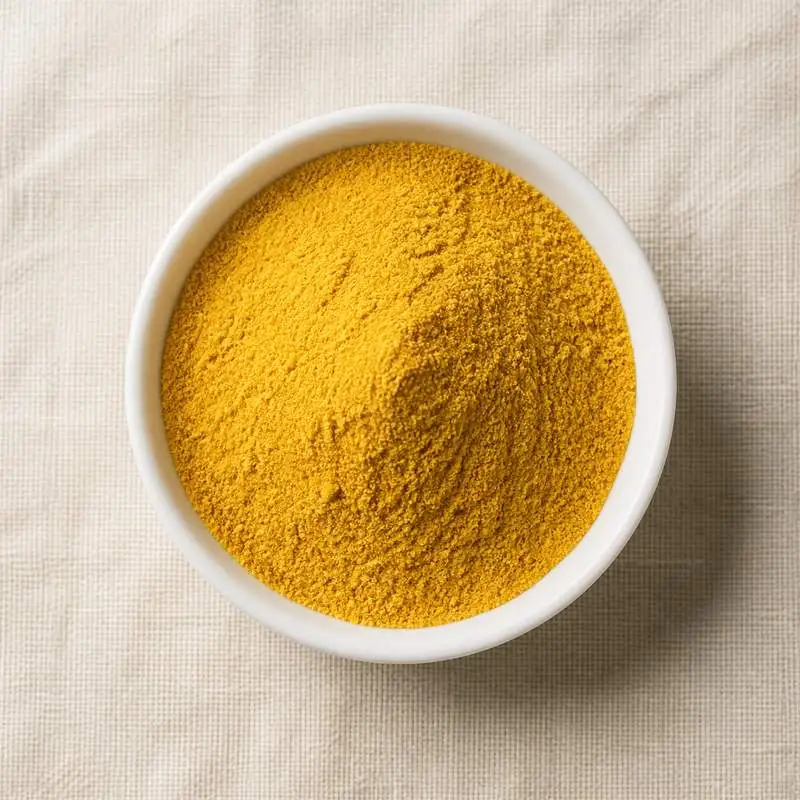
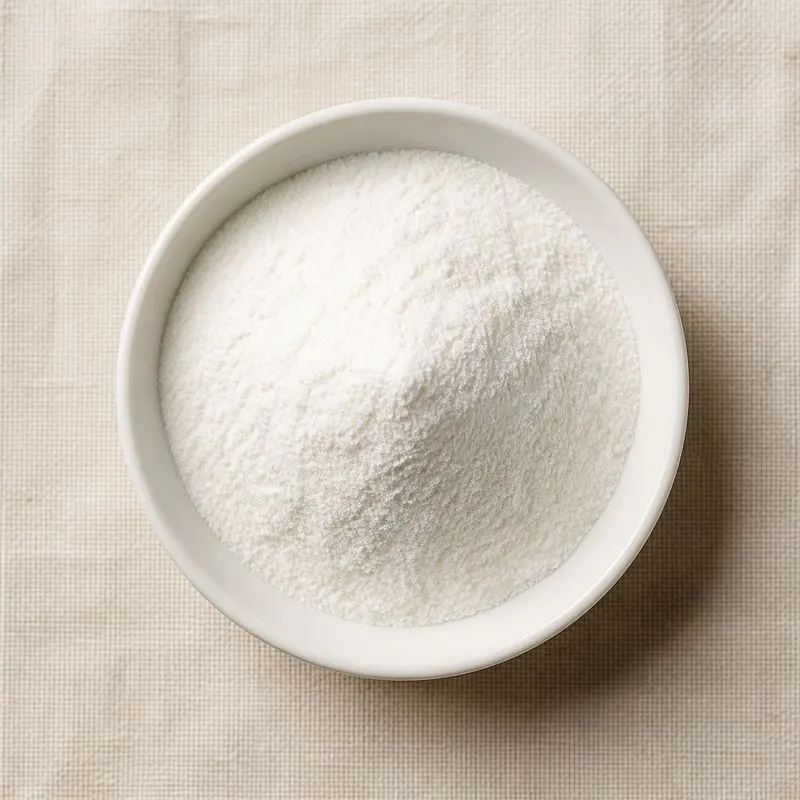
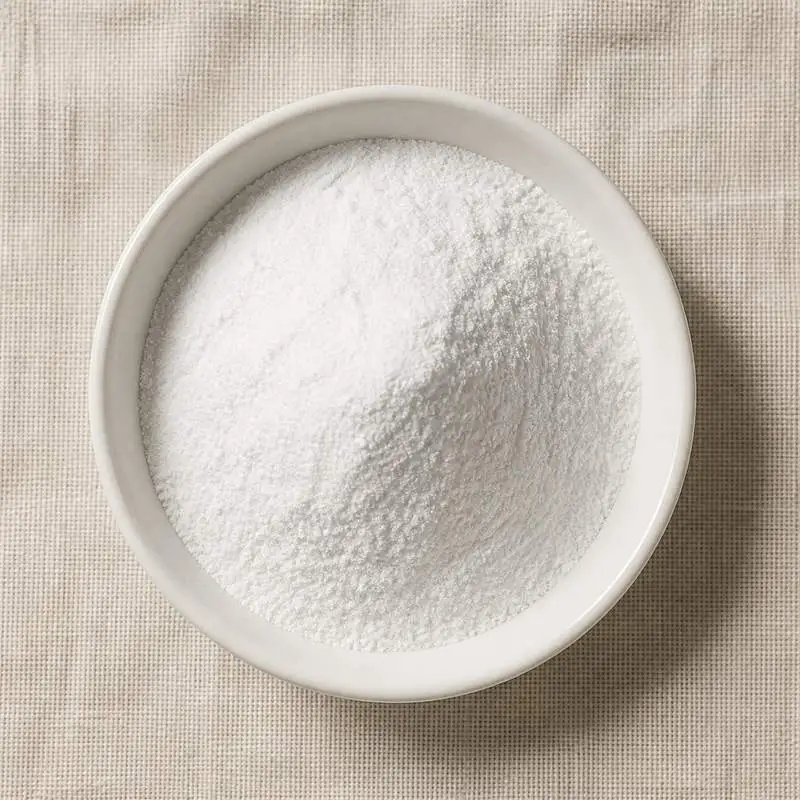
It is traded not as fresh fruit, which is soft and perishable, but as juice concentrate, spray dried powder and standardised extract. The powder is a pale pink to reddish buff free flowing material, sharply acidic in taste, that disperses readily in water. Its handling constraint is that ascorbic acid degrades under heat, light, oxygen and alkaline pH, so the powders are dried at reduced inlet temperature, packed in foil laminate under nitrogen and held cool to hold the declared vitamin C level through shelf life.
We source bulk Coniferous Cherry from top China manufacturers for our partners. The manufacturer is in Shaanxi. A smaller requirement can ship in a combined container with other ingredients.
Please send the grade you need, the volume and your destination port, and we will come back with a solution and a price.
or call +86-21-6858 0751
- Function
- Nutraceutical
Specifications
| Item | Specification |
|---|---|
| Appearance | Pale pink to reddish buff free flowing powder |
| Identification | Chromatographic profile conforms to acerola reference |
| Vitamin C, natural, dry basis | Not less than 17.0% |
| Carrier, as maltodextrin | Not more than 45.0% |
| Moisture | Not more than 5.0% |
| Total Ash | Not more than 5.0% |
| pH, 10% solution | 3.0 to 4.0 |
| Particle Size | 95% through 80 mesh |
| Lead | Not more than 1.0 mg/kg |
| Arsenic | Not more than 0.5 mg/kg |
| Total Plate Count | Not more than 10,000 CFU/g |
| Yeast and Mould | Not more than 100 CFU/g |
| E. coli | Absent in 1 g |
| Salmonella | Absent in 25 g |
Common Markets Grades
Grades are defined by natural vitamin C content on a dry basis. A whole fruit powder carried on maltodextrin typically declares 17 percent vitamin C; concentrated extracts are traded at 25 percent, and higher grades run up to around 50 percent by further concentration. Where a producer offers a figure well above that, the powder is normally standardised with added ascorbic acid rather than being wholly fruit derived, and the certificate should state which.
The other axis is the carrier and drying route. Maltodextrin carried powders are the commodity form; clean label versions use acacia gum or tapioca starch, and a carrier free grade is made by concentrating the juice further before drying, at the cost of a stickier and more hygroscopic powder. Freeze dried powder is offered where colour and heat sensitive constituents are the priority, and juice concentrate at a declared Brix is traded as a liquid for beverage plants. Organic certified lots are handled as a separate stream, and the fruit is picked deliberately at the green to half ripe stage for the high vitamin grades because ascorbic acid falls as the fruit reddens.
Applications
- Vitamin C supplements positioned as natural or whole food sourced rather than synthetic ascorbic acid
- Immune support blends, formulated with zinc, elderberry or echinacea
- Effervescent tablets and drink sachets, where the acidic powder contributes both vitamin C and tartness
- Functional beverages and juices, using the concentrate to raise vitamin C without added synthetic acid
- Nutrition and cereal bars carrying a fruit derived vitamin C declaration
- Gummies and chewables, where the fruit powder supplies colour, acidity and the active together
- Infant and children's nutrition products in markets that permit fruit derived vitamin sources
- Sports nutrition and recovery formulations built around antioxidant positioning
- Cosmetic and skincare preparations using the ascorbic acid and polyphenol fraction
Brands Using Coniferous Cherry
Widely-distributed consumer products that list Coniferous Cherry on the ingredient label.
- NATURELOVitamin C with Acerola Cherries & Citrus Bioflavonoids ↗Capsule that sources its 500 mg of vitamin C from acerola cherry fruit extract rather than synthetic ascorbic acid, paired with citrus bioflavonoids.Label verified 2026-08-31
- Ethical NutritionVitamin C Capsules ↗Ingredient list reads acerola cherry extract (Malpighia punicifolia), vegetable cellulose capsule shell and brown rice flour, giving 250 mg vitamin C per two capsules.Label verified 2026-08-31
Brand names, product names and logos are the property of their owners. They appear here as published evidence that the ingredient is used, taken from the brand's own label or website. Their appearance is not an endorsement, and it does not mean the brand buys from us or from any manufacturer listed on this site.
China Manufacturers of Coniferous Cherry
Top Coniferous Cherry manufacturers in China.
Company names and logos are the property of the manufacturers themselves. They are listed here because our own directory records them as producing this ingredient. A listing is not an endorsement by them, and we do not represent them or speak on their behalf.
Regulatory Status
In the United States, acerola juice, concentrate and powder are conventional food ingredients regulated under the Food Safety Modernization Act preventive controls, with the Foreign Supplier Verification Program applying to imports, and are also sold as dietary ingredients under the Dietary Supplement Health and Education Act. Vitamin C from any source is declared on the Nutrition Facts or Supplement Facts panel as ascorbic acid, and a fruit derived label claim does not change the declaration basis.
In the European Union, acerola fruit and its juice and powder have a history of consumption and are treated as ordinary foods rather than as novel foods, though a highly purified extract produced by a new process may need assessment under the novel food regulation on its own specification. The material is not a food additive and carries no E number; where a preparation is used to raise the vitamin C content of a food, the legislation on the addition of vitamins and minerals to foods applies and only the authorised vitamin C forms may be declared as added vitamin. Contaminant and pesticide residue limits for fruit apply. Codex covers the fruit through its general standards for juices and contaminants rather than through a JECFA additive specification.
Manufacturing Process
Fruit is hand harvested at the green to half ripe stage for high vitamin lots, washed, sorted and either processed immediately or frozen, since the ascorbic acid content begins falling within hours of picking. At the plant the fruit is destoned and pulped, and the pulp is treated with pectinase to break down the pectin that would otherwise make the juice too viscous to press or filter. The mash is pressed or decanted, and the juice is clarified on filters or by centrifugation.
The clarified juice is concentrated under vacuum at low temperature, which removes water without driving the thermal degradation that atmospheric evaporation would cause. For extract grades the concentrate is further purified on adsorption resin, which strips sugars and organic acids and raises the vitamin C proportion of the solids. The concentrate or purified fraction is then blended with maltodextrin or another carrier, homogenised and spray dried in a tower run at reduced inlet temperature with a short residence time, or freeze dried where the higher specification grade is being made. Dried powder is cooled, sieved, sometimes agglomerated to improve dispersion, assayed for ascorbic acid, standardised to the declared level, and packed under nitrogen in light barrier packaging.