Cornus Extract
Cornus Extract is a botanical concentrate from the dried, deseeded fruit of Cornus officinalis, the Asiatic cornelian cherry. The fruit is one of the classical tonic herbs of East Asian medicine, where it is known as Shan Zhu Yu.
The extract delivers a characteristic set of iridoid glycosides led by loganin and morroniside, together with cornuside, ursolic acid, oleanolic acid, gallic acid, and a polysaccharide fraction. It is positioned for kidney and liver tonic formulas and modern metabolic-health applications.
We source bulk Cornus Extract from top China manufacturers for our partners. The manufacturer is in Hunan. A smaller requirement can ship in a combined container with other ingredients.
Please send the grade you need, the volume and your destination port, and we will come back with a solution and a price.
or call +86-21-6858 0751
- Packaging
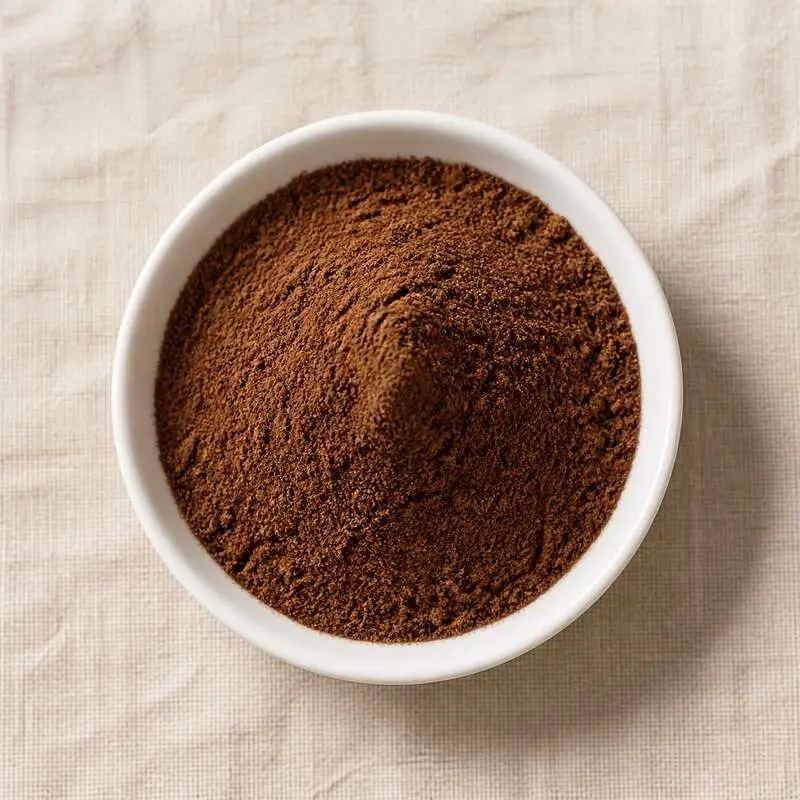
- 25 kg fibre drum with double PE liner
- ISO 9001
- HACCP
- Halal
- Kosher
Specifications
Grades / Types Available: N/A
| Item | Specification |
|---|---|
| Appearance | Light brown fine powder |
| Loganin (HPLC) | ≥1.0% |
| Moisture | ≤5.0% |
| Ash | ≤5.0% |
| Extraction Solvent | Water / ethanol |
| Ratio | 10:1 to 20:1 |
| Particle Size (80 mesh) | ≥95% |
| Heavy Metals (as Pb) | ≤2 mg/kg |
| Pesticide Residues | Complies |
| Total Plate Count | ≤10,000 cfu/g |
| Salmonella | Absent in 25g |
| Purity | ≥ 95% |
| Moisture/Loss on Drying | ≤ 5% |
| pH | 4.0 - 6.0 |
| Lead | ≤ 1 ppm |
| Arsenic | ≤ 0.5 ppm |
| Yeast & Mold | ≤ 100 cfu/g |
Common Markets Grades
Cornus extract is specified in several different ways that reflect its multi-active chemistry.
Extract-ratio grades such as 4:1, 10:1, and 20:1 are common in traditional TCM preparations where the full herb profile is the goal.
Iridoid-standardised grades carry HPLC-assayed loganin or morroniside as the marker. Mainstream supplement grades sit at 1, 2, and 5 percent total iridoids, with 10 percent loganin or 5 percent morroniside as the highest specifications.
Ursolic acid-standardised grades at 25, 50, and 90 percent are sold to sports-nutrition and lean-body-mass formulators.
Polysaccharide grades at 30, 50, and 70 percent target immune-support and adaptogen positioning.
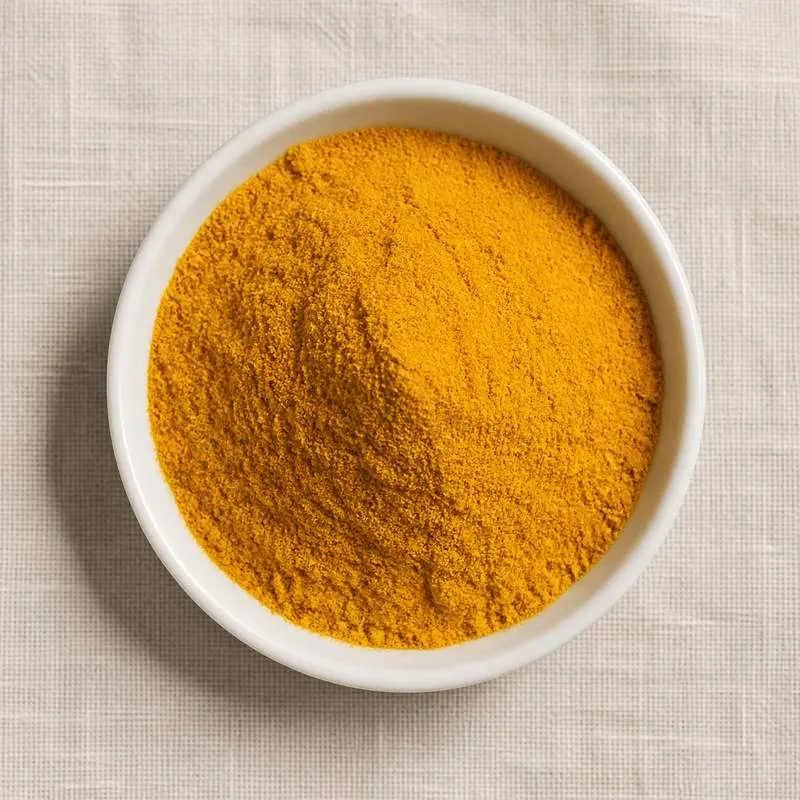
The standard format is a brown to reddish-brown spray-dried powder with a mild sour-sweet note reflecting the dried-fruit origin.
Applications
- Traditional Chinese Medicine kidney-yin tonic formulas including Liu Wei Di Huang Wan
- Liver-support and antioxidant supplements alongside milk thistle and schisandra
- Diabetic-support formulas using the iridoid fraction's effects on glucose handling
- Anti-aging and longevity blends in the adaptogen and tonic-herb category
- Joint-support combinations with collagen, glucosamine, and boswellia
- Sports-nutrition recomposition stacks built around standardised ursolic acid
- Vision-support formulas paired with lutein, bilberry, and astaxanthin
- Menopause and women's-tonic formulas in the East Asian women's-health segment
- Functional teas and decoctions in the tonic-herbs tea category
- Cosmetic actives for anti-glycation and skin-aging serums and creams
- Veterinary geriatric tonic formulas in the TCM veterinary tradition
Brands Using Cornus Extract
Widely-distributed consumer products that list Cornus Extract on the ingredient label.
- ActiveHerb (Guang Ci Tang)Shan Zhu Yu (Cornus Fruit) 5x Extract Granules 100 g ↗ActiveHerb's official Shan Zhu Yu product is a 5:1 concentrated Cornus officinalis (Asiatic Dogwood Fruit without seed) extract granule, sold as a single-herb finished TCM supplement.Label verified 2026-05-24
- Plum Flower (Mayway)Six Flavor Teapills (Liu Wei Di Huang Wan) ↗Plum Flower's Liu Wei Di Huang Wan teapills use Shan Zhu Yu (Cornus officinalis fruit) as one of the formula's six ingredients.Label verified 2026-05-24
- Plum FlowerDogwood Fruit / Cornus Fruit (Shan Zhu Yu) Whole 1 lb ↗Plum Flower's bulk Shan Zhu Yu (whole Cornus officinalis fruit) is a finished retail TCM raw-herb pack used to decoct kidney-tonifying tonics.Label verified 2026-05-24
- Plum Dragon HerbsShan Zhu Yu (Cornus Fruit) Bulk Herb ↗Shan Zhu Yu (Cornus officinalis fruit) sold as a finished bulk herb for tinctures and dit da jow formulations.Label verified 2026-05-24
- Shen ClinicShan Zhu Yu | Fructus Corni | 山茱萸 ↗Shen Clinic's official store sells Cornus officinalis fruit (Shan Zhu Yu / Fructus Corni) as a single-herb finished TCM product for liver-kidney tonification.Label verified 2026-05-24
Brand names, product names and logos are the property of their owners. They appear here as published evidence that the ingredient is used, taken from the brand's own label or website. Their appearance is not an endorsement, and it does not mean the brand buys from us or from any manufacturer listed on this site.
China Manufacturers of Cornus Extract
Top Cornus Extract manufacturers in China.

Company names and logos are the property of the manufacturers themselves. They are listed here because our own directory records them as producing this ingredient. A listing is not an endorsement by them, and we do not represent them or speak on their behalf.
How We Help Source Cornus Extract
Direct Factory Sourcing
We run the whole process: selecting the manufacturer from the top Chinese food ingredient producers, negotiating the price, verifying quality, and coordinating the logistics. You deal with us instead of with several factories at once.
Original Packaging and Documents from the Manufacturer
The manufacturer sends your Cornus Extract out of its own factory in the original packing, through to your destination port. The COA, COO, MSDS, TDS and any certifications reach you from the manufacturer as well.
Free Samples and Lead Time
We send 100 to 500 g free for your own laboratory to test and you cover only the courier, usually within 2 to 3 working days. ETD is usually within 7 to 15 days once the order is confirmed, and we check that date against the factory's own manufacturing schedule before we give it to you.
Combined Shipment
We can load Cornus Extract together with other ingredients such as Astaxanthin, Dehydrated Garlic and Lutein into one 20' FCL. If your quantity is small, we can also ship LCL.
Regulatory Status
Cornus fruit has a centuries-long history of use in East Asian food and medicine and is recognised as a traditional botanical ingredient across the region.
In China Cornus officinalis fruit is included on the official list of substances that are both food and traditional Chinese medicine, allowing its use in foods, beverages, and supplements.
In the United States cornus extracts are sold as dietary-supplement ingredients under DSHEA, with several commercial preparations carrying self-affirmed GRAS opinions.
In the European Union cornus fruit and its extracts may require novel-food assessment depending on the member-state pre-1997 history of use and the extraction process used.
The fruit appears in the Chinese Pharmacopoeia with assays for loganin and morroniside content, and in the Japanese Pharmacopoeia under the name Cornus Fructus.
Manufacturing Process
Cornus fruit is harvested from cultivated and wild stands of Cornus officinalis, with the principal growing regions in Henan, Zhejiang, and Shaanxi provinces of China. The Henan-grown material from Xixia county is considered the geographical-origin benchmark and carries a national geographical-indication mark.
The deep-red ripe fruits are picked in autumn, briefly steamed or blanched to loosen the seed, then deseeded by hand or machine. The pulp is dried in the sun or in low-temperature ovens to yield the medicinal Shan Zhu Yu.
For extraction the dried pulp is milled and extracted with hot water or 50 to 70 percent ethanol, depending on the target marker.
For iridoid-standardised grades the crude extract is loaded onto macroporous adsorption resin, washed with water to remove sugars and tannins, and eluted with an ethanol gradient to enrich loganin and morroniside.
For ursolic acid grades the dried fruit is extracted with non-polar solvents such as ethyl acetate, with the crude triterpene fraction further purified by recrystallisation.
HPLC with UV detection at 240 nm is the standard iridoid assay. Ursolic acid is measured by HPLC at 210 nm or by ELSD.