Ursolic Acid
Ursolic Acid is a pentacyclic triterpene carboxylic acid that occurs widely in plant cuticular waxes, most notably in the peel of apples and in the leaves of rosemary, sage, and holy basil.
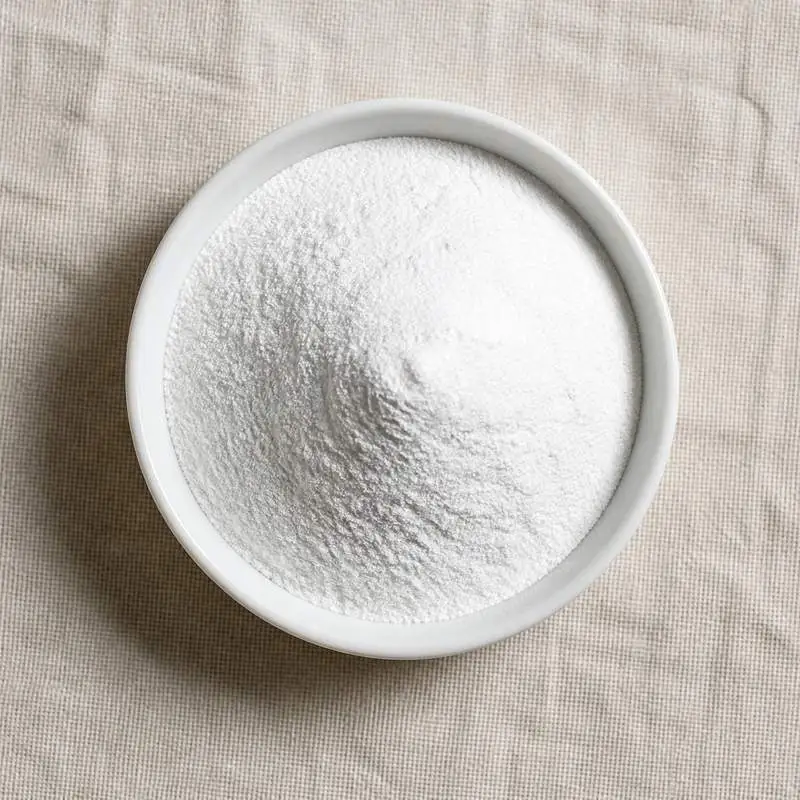
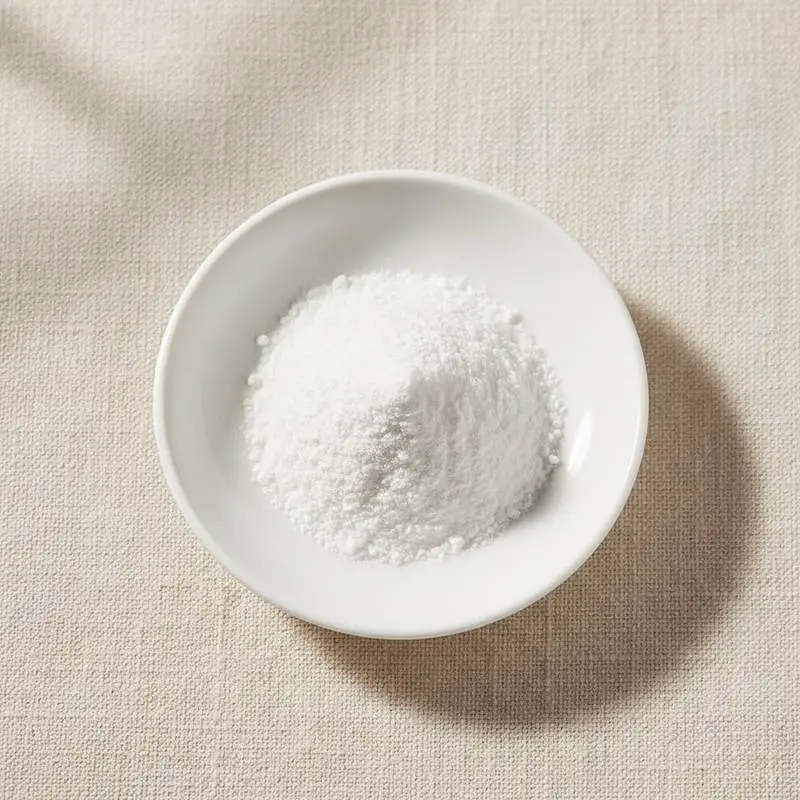
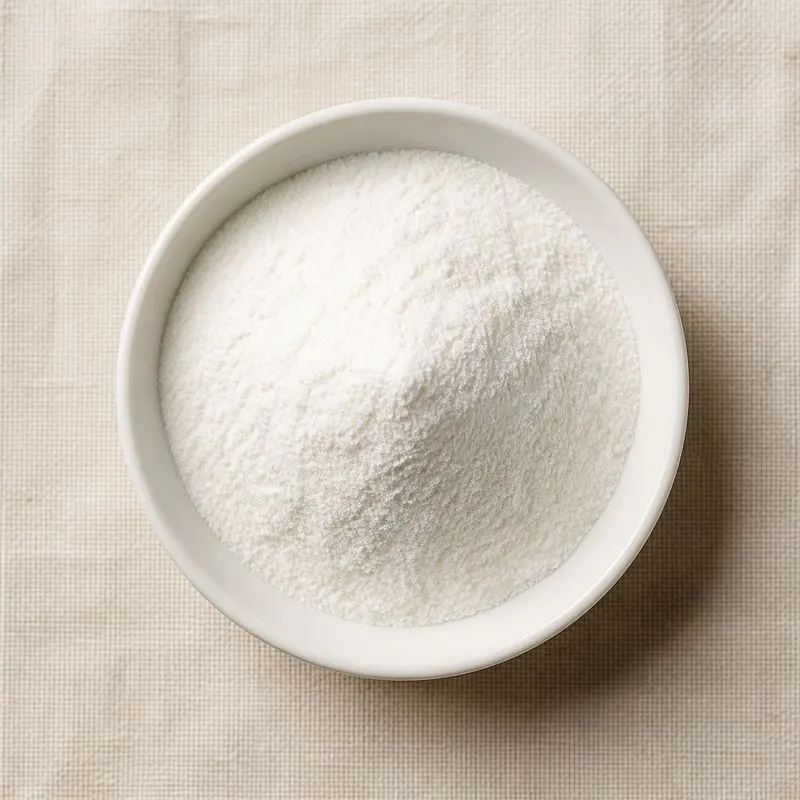
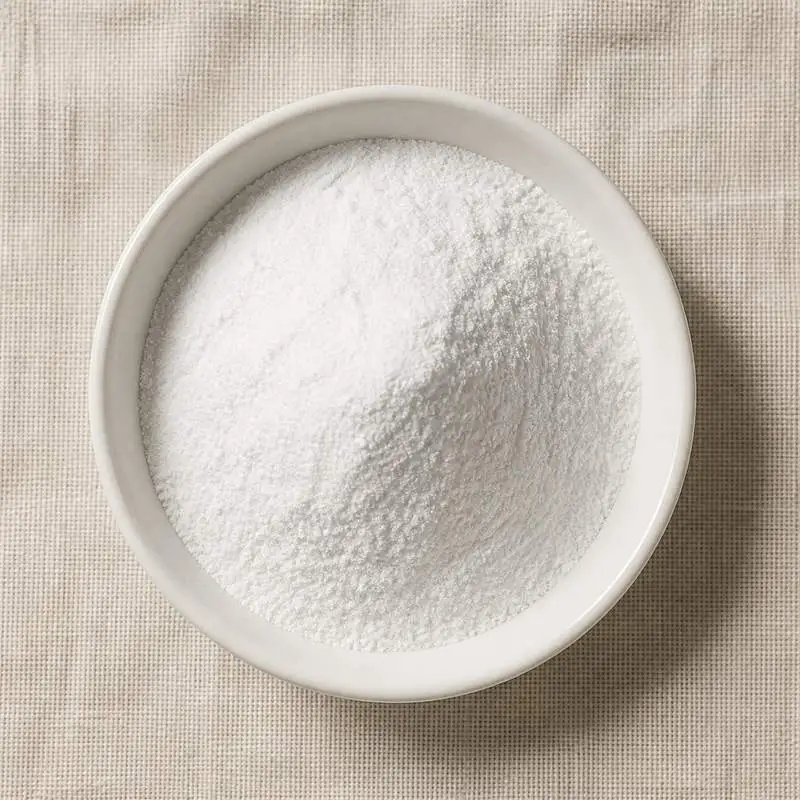
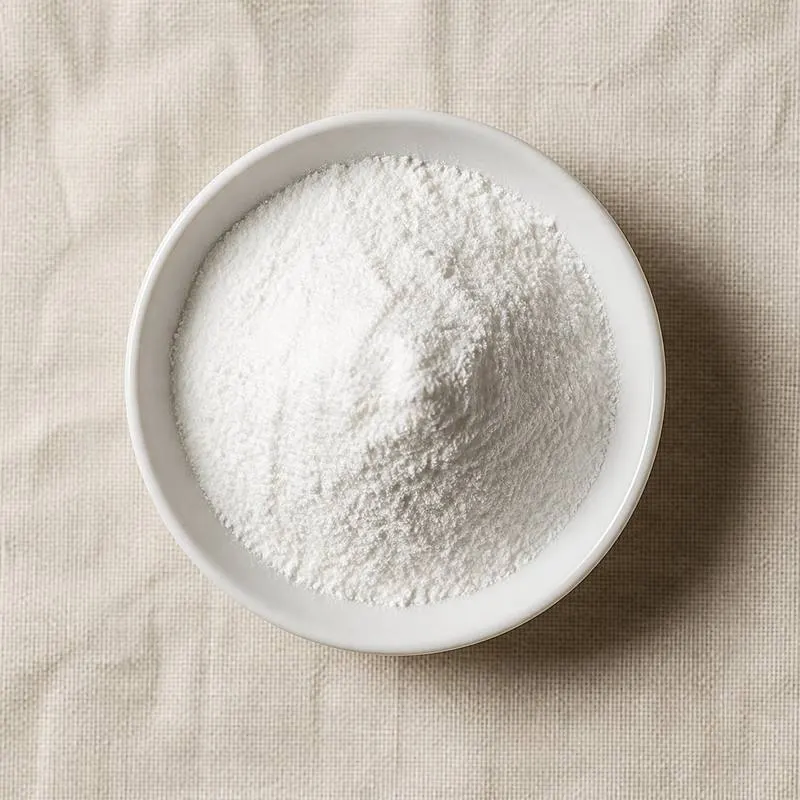
The molecule (CAS 77-52-1, formula C₃₀H₄₈O₃, molar mass 456.7 g/mol) presents as a white crystalline powder, melting near 283 °C, with high solubility in chloroform, pyridine, and hot ethanol, and negligible solubility in water.
We source bulk Ursolic Acid from top China manufacturers for our partners. The manufacturer is in Henan. For this ingredient the minimum order is 500 kg, and a smaller requirement can ship in a combined container with other ingredients.
Please send the grade you need, the volume and your destination port, and we will come back with a solution and a price.
or call +86-21-6858 0751
- Minimum order
- 500 kg
- Packaging
- 25 kg kraft paper bag with PE inner liner
- Function
- Nutraceutical
- ISO 9001
- HACCP
- Halal
- Kosher
Specifications
| Item | Specification |
|---|---|
| Appearance | White to off-white fine powder; extract grades light beige |
| Assay (Ursolic Acid, HPLC) | ≥ 25.0%, ≥ 90.0%, ≥ 95.0% or ≥ 98.0% to order |
| Melting Range (98% grade) | 283 °C to 287 °C |
| Loss on Drying | ≤ 5.0% |
| Total Ash | ≤ 5.0% |
| Particle Size | 95% through 80 mesh |
| Solubility | Practically insoluble in water; soluble in hot ethanol, pyridine and chloroform |
| Residual Solvents (ethanol) | ≤ 5,000 mg/kg |
| Heavy Metals (as Pb) | ≤ 10 mg/kg |
| Lead (Pb) | ≤ 2 mg/kg |
| Arsenic (As) | ≤ 2 mg/kg |
| Total Plate Count | ≤ 1,000 CFU/g |
| Yeast and Mould | ≤ 100 CFU/g |
| E. coli | Negative/25g |
| Salmonella | Negative/25g |
Common Markets Grades
Ursolic acid grades span a wide purity range.
Plant-extract grades at 25 percent, 50 percent, 75 percent, and 90 percent ursolic acid are typically sourced from rosemary leaf or apple-peel concentrates and are used in sports-nutrition and weight-management formulas.
The 95 percent and 98 percent HPLC grades are the most common commercial offerings for capsule, tablet, and softgel manufacturing.
High-purity material at greater than 99 percent (HPLC) is produced for reference-standard, pharmaceutical, and research use.
Cosmetic-grade ursolic acid is a fine micronized powder for emulsion incorporation, and a small specialty market exists for nano-suspension and liposomal pre-mixes that improve oral bioavailability.
Applications
- Sports-nutrition supplements positioned around lean-mass support and muscle-protein synthesis
- Capsules and tablets paired with leucine, HMB, or creatine for post-workout stacks
- Weight-management formulas leveraging brown-adipose and lipid-metabolism research
- Healthy-aging blends combining ursolic acid with resveratrol, fisetin, or quercetin
- Cosmetic skincare creams and serums for barrier support and fine-line appearance
- Hair-care actives in scalp serums and anti-thinning leave-on formulas
- Topical oral-care gels and mouthwashes leveraging antibacterial triterpene research
- Functional foods and bars enriched with rosemary or apple-peel extracts
- Veterinary supplements for senior pet muscle and joint maintenance
- Reference standards and pharmacological probes in cancer, inflammation, and metabolic research
Brands Using Ursolic Acid
Widely-distributed consumer products that list Ursolic Acid on the ingredient label.
- NutricostNutricost Ursolic Acid 300 mg, 120 Capsules ↗300 mg ursolic acid per capsule, vegetarian, non-GMO and gluten-free.Label verified 2026-05-24
- SuperSmartUrsolic Acid 300 mg (rosemary leaf extract) ↗300 mg ursolic acid per vegetarian capsule, sourced from rosemary leaf extract.Label verified 2026-05-24
- Predator NutritionPredator Ursolic Acid (cyclodextrin-complexed) ↗Ursolic acid complexed with cyclodextrin for absorption.Label verified 2026-05-24
- MAAC10MAAC10 Ursolic Acid 50 mg (Rosemary Extract) ↗50 mg ursolic acid per capsule from rosemary extract, third-party lab tested.Label verified 2026-05-24
- LongLifeNutriLongLifeNutri Ursolic Acid 300 mg (Rosemary Leaf Extract) ↗A vegetarian capsule supplying 300 mg ursolic acid from rosemary leaf extract.Label verified 2026-05-24
- Barlowe's Herbal ElixirsUrsolic Acid Extract Capsules ↗Capsules of ursolic acid extract.Label verified 2026-05-24
Brand names, product names and logos are the property of their owners. They appear here as published evidence that the ingredient is used, taken from the brand's own label or website. Their appearance is not an endorsement, and it does not mean the brand buys from us or from any manufacturer listed on this site.
China Manufacturers of Ursolic Acid
Top Ursolic Acid manufacturers in China.
Company names and logos are the property of the manufacturers themselves. They are listed here because our own directory records them as producing this ingredient. A listing is not an endorsement by them, and we do not represent them or speak on their behalf.
How We Help Source Ursolic Acid
Direct Factory Sourcing
We run the whole process: selecting the manufacturer from the top Chinese food ingredient producers, negotiating the price, verifying quality, and coordinating the logistics. You deal with us instead of with several factories at once.
Original Packaging and Documents from the Manufacturer
The manufacturer sends your Ursolic Acid out of its own factory in the original packing, through to your destination port. The COA, COO, MSDS, TDS and any certifications reach you from the manufacturer as well.
Free Samples and Lead Time
We send 100 to 500 g free for your own laboratory to test and you cover only the courier, usually within 2 to 3 working days. ETD is usually within 7 to 15 days once the order is confirmed, and we check that date against the factory's own manufacturing schedule before we give it to you.
Combined Shipment
We can load Ursolic Acid together with other ingredients such as Arachidonic Acid, Coenzyme Q10 and Chondroitin Sulphate Sodium into one 20' FCL. If your quantity is small, we can also ship LCL.
Regulatory Status
Ursolic acid is a permitted dietary ingredient in the United States as a component of conventional plant extracts (rosemary, apple, sage, holy basil) marketed under DSHEA.
The substance does not hold a stand-alone food-additive approval in the European Union, but the underlying plant extracts are widely traded as food ingredients and supplements.
In China, ursolic acid is listed as a permitted ingredient in dietary supplements and as an active in several traditional Chinese medicine preparations.
There is no recognised drug approval for ursolic acid in any major market, and disease-treatment claims are not permitted on supplement labels.
Kosher and Halal certifications are routinely available for plant-derived material processed on dedicated lines.
Manufacturing Process
Two feedstocks dominate commercial production: rosemary leaf residues from the carnosic-acid antioxidant industry, and apple-peel pomace from juice and cider processing.
The peel or leaf material is dried, milled, and extracted with ethanol or ethyl acetate. The extract is concentrated, and the triterpene-rich residue is washed with hot water to remove sugars and polar impurities.
Crystallisation from ethanol or methanol gives the bulk 90 percent grade. Recrystallisation from pyridine-water, or chromatography on silica gel, is used to push purity above 98 percent.
Some Chinese manufacturers work from Hedyotis diffusa or loquat leaf (Eriobotrya japonica), which give higher native ursolic acid content but produce a co-extracted oleanolic acid fraction that must be separated.
Apple-peel and rosemary routes generally co-produce oleanolic acid as a low-cost by-product.