Cotinus Coggygria Extract
Cotinus Coggygria Extract is a polyphenol-rich extract of the wood, bark, and leaves of Cotinus coggygria, the smoke tree of the Anacardiaceae family.
The species is recognised as a natural source of the flavonol fisetin and of the aurone sulfuretin, together with their glycosides fisetin-3-O-glucoside and sulfurein.
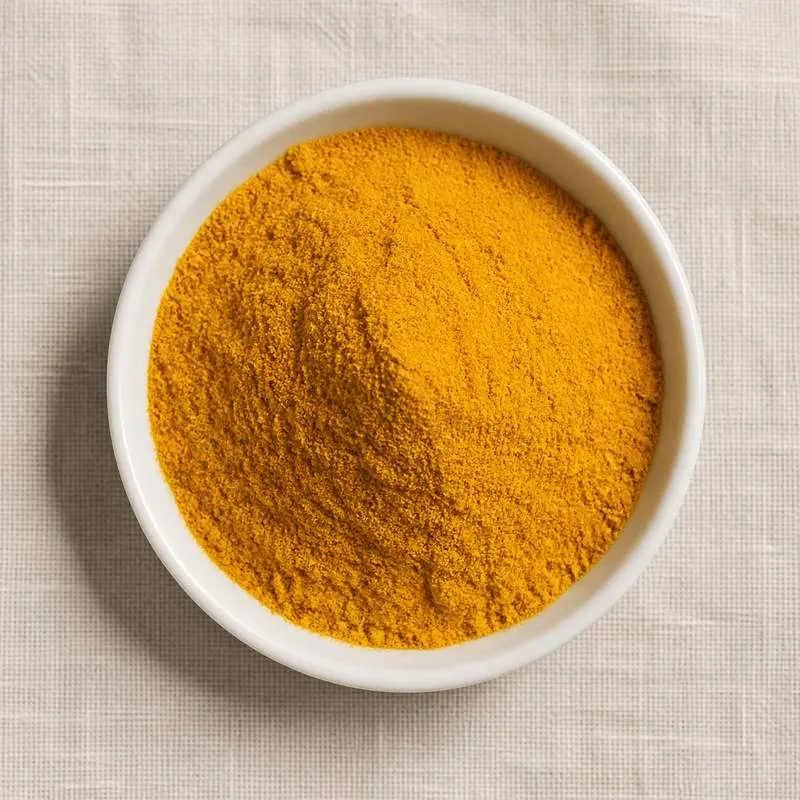
Commercial material is a yellow to orange-brown powder with a faint woody, balsamic note inherited from the heartwood resin.
We source bulk Cotinus Coggygria Extract from top China manufacturers for our partners. The manufacturer is in Shaanxi. A smaller requirement can ship in a combined container with other ingredients.
Please send the grade you need, the volume and your destination port, and we will come back with a solution and a price.
or call +86-21-6858 0751
- Packaging
- 25 kg fibre drum with double PE liner
- ISO 9001
- HACCP
- Halal
- Kosher
Specifications
| Item | Specification |
|---|---|
| Appearance | Brown fine powder |
| Total Flavonoids (UV) | ≥10% |
| Fustin / Fisetin | Standardised |
| Moisture | ≤5.0% |
| Ash | ≤5.0% |
| Extraction Solvent | Water / ethanol |
| Particle Size (80 mesh) | ≥95% |
| Heavy Metals (as Pb) | ≤2 mg/kg |
| Pesticide Residues | Complies |
| Total Plate Count | ≤10,000 cfu/g |
| Salmonella | Absent in 25g |
Common Markets Grades
Catalogue grades are defined by the main marker and by total polyphenol content.
A general botanical-extract grade carries 10 to 20 percent total polyphenols by Folin assay and serves traditional herbal and tannin-rich tea applications.
A 10 percent fisetin grade is the entry point for nutraceutical use and serves as a lower cost substitute for synthetic fisetin in early-stage formulas.
A 25 to 50 percent fisetin grade is the standard grade for senolytic and longevity supplements, produced by resin chromatography of the crude extract.
A 90 to 98 percent fisetin grade is produced for higher priced capsules and softgels and as a starting material for downstream phospholipid complex production.
A sulfuretin-led grade at 5 to 20 percent is produced separately for cosmetic and pigment applications.
Applications
- Senolytic and longevity supplements built around standardised fisetin content
- Joint-comfort and mobility formulas in combination with collagen or curcumin
- Cognitive support stacks pairing fisetin with omega-3 and choline donors
- Skin-care actives in anti-aging serums and creams targeting redness and uneven tone
- Hair-care products positioned around scalp comfort and follicle support
- Antioxidant blends in cardio and metabolic wellness ranges
- Traditional Balkan and Mediterranean herbal preparations for skin and oral hygiene
- Natural dye source for wool and silk, where the wood yields a fast yellow shade
- Tannin source for specialty leather tanning in the Mediterranean basin
- Reference and starting material for the isolation of fisetin and sulfuretin as analytical standards
Brands Using Cotinus Coggygria Extract
Widely-distributed consumer products that list Cotinus Coggygria Extract on the ingredient label.
- Double Wood SupplementsDouble Wood Fisetin 100 mg Capsules ↗Official Double Wood product page: 'Double Wood's Fisetin is an extract of the stems of the smoke tree (Cotinus coggygria)' delivering 100 mg fisetin per capsule.Label verified 2026-05-24
- Science Research Wellness (SRW)SRW Cel-1 Fisetin ↗Official SRW ingredient page: Fisetin sourced from Cotinus coggygria (smoke tree) extract.Label verified 2026-05-24
- Ki ScienceKi Science Fisetin 200 ↗Official Ki Science product page: Fisetin 200 mg per capsule extracted from Cotinus coggygria (smoke tree).Label verified 2026-05-24
- Purelife BioPurelife Bio Smoketree Extract Fisetin ↗Official Purelife Bio product page: standardised Cotinus coggygria (smoke tree) extract supplying fisetin as the active.Label verified 2026-05-24
Brand names, product names and logos are the property of their owners. They appear here as published evidence that the ingredient is used, taken from the brand's own label or website. Their appearance is not an endorsement, and it does not mean the brand buys from us or from any manufacturer listed on this site.
China Manufacturers of Cotinus Coggygria Extract
Top Cotinus Coggygria Extract manufacturers in China.

Company names and logos are the property of the manufacturers themselves. They are listed here because our own directory records them as producing this ingredient. A listing is not an endorsement by them, and we do not represent them or speak on their behalf.
How We Help Source Cotinus Coggygria Extract
Direct Factory Sourcing
We run the whole process: selecting the manufacturer from the top Chinese food ingredient producers, negotiating the price, verifying quality, and coordinating the logistics. You deal with us instead of with several factories at once.
Original Packaging and Documents from the Manufacturer
The manufacturer sends your Cotinus Coggygria Extract out of its own factory in the original packing, through to your destination port. The COA, COO, MSDS, TDS and any certifications reach you from the manufacturer as well.
Free Samples and Lead Time
We send 100 to 500 g free for your own laboratory to test and you cover only the courier, usually within 2 to 3 working days. ETD is usually within 7 to 15 days once the order is confirmed, and we check that date against the factory's own manufacturing schedule before we give it to you.
Combined Shipment
We can load Cotinus Coggygria Extract together with other ingredients such as Astaxanthin, Dehydrated Garlic and Lutein into one 20' FCL. If your quantity is small, we can also ship LCL.
Regulatory Status
Smoke tree wood and leaves have a long European tradition of use in dyeing and in folk herbal medicine.
The dried herb of Cotinus coggygria is registered as a traditional medicinal plant in several Balkan and Caucasian pharmacopoeias and is described in the European Scientific Cooperative on Phytotherapy (ESCOP) and ethnobotanical literature.
In the European Union the species is not yet authorised under the Novel Food regulation for general food use, so commercial activity centres on food supplements, cosmetics, and dye applications consistent with national rules.
In the United States, smoke tree extract is sold as a dietary ingredient under DSHEA, and isolated fisetin is the subject of accepted New Dietary Ingredient notifications.
The standard regulatory frameworks for botanical extracts in the European Union, the United States, Japan, and Korea cover cosmetic use. Halal and Kosher certifications are routinely available given the all-vegetable feedstock.
Manufacturing Process
Raw material is harvested from naturalised and cultivated stands of Cotinus coggygria across the Balkans, Anatolia, southern Russia, the Caucasus, and northern China.
Wood, bark, and leaves are collected, dried, and milled. The biomass is extracted with hot water or aqueous ethanol, depending on the target marker. Fisetin is more efficiently recovered with ethanol-water at 60 to 70 percent ethanol; sulfuretin requires a milder aqueous condition to limit hydrolysis.
The crude extract is filtered, decolourised, and concentrated. For the standardised fisetin grades, the concentrate is loaded onto macroporous adsorbent resin, washed to remove sugars and tannins, and eluted with ethanol.
High-purity fisetin is obtained by repeated crystallisation from ethanol or by preparative chromatography. The aurone sulfuretin is purified by silica-gel chromatography because its lower solubility makes crystallisation less efficient.
The final powders are dried under vacuum, milled, and standardised to the target marker assay by blending with a maltodextrin or microcrystalline cellulose carrier where needed.