D-Chiro-Inositol
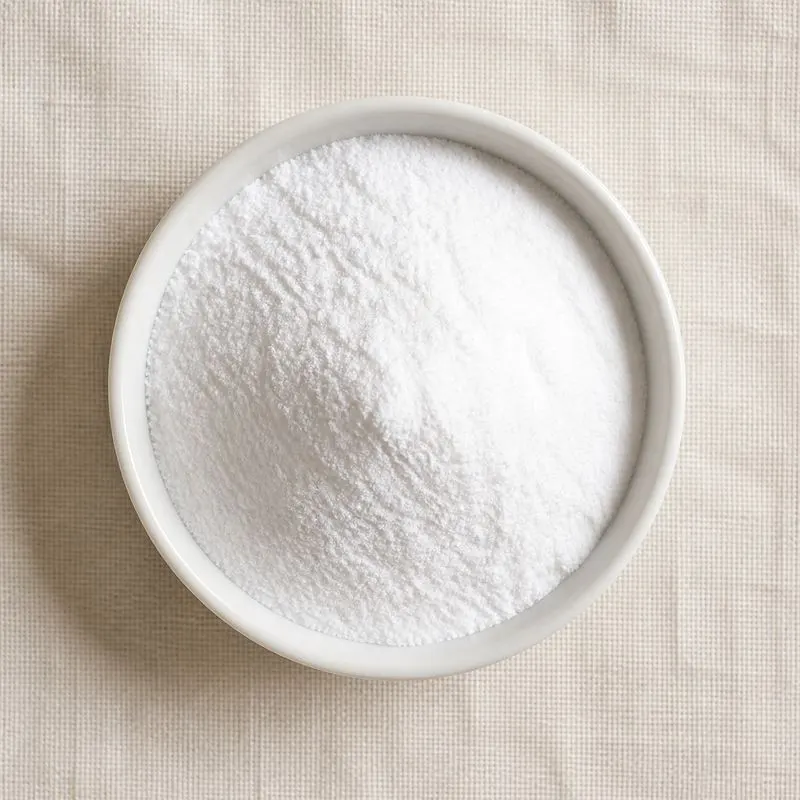
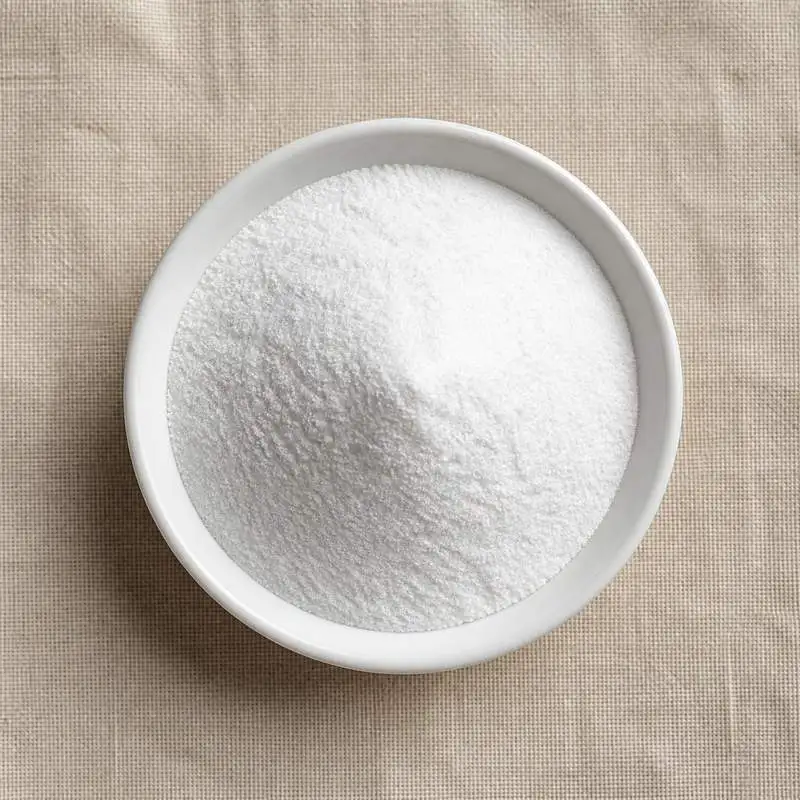
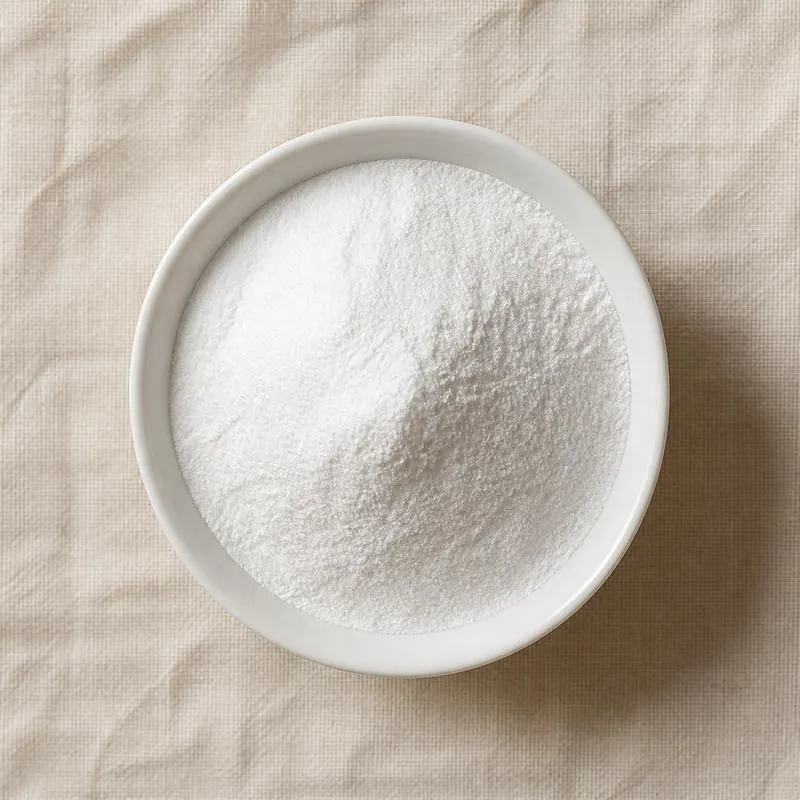
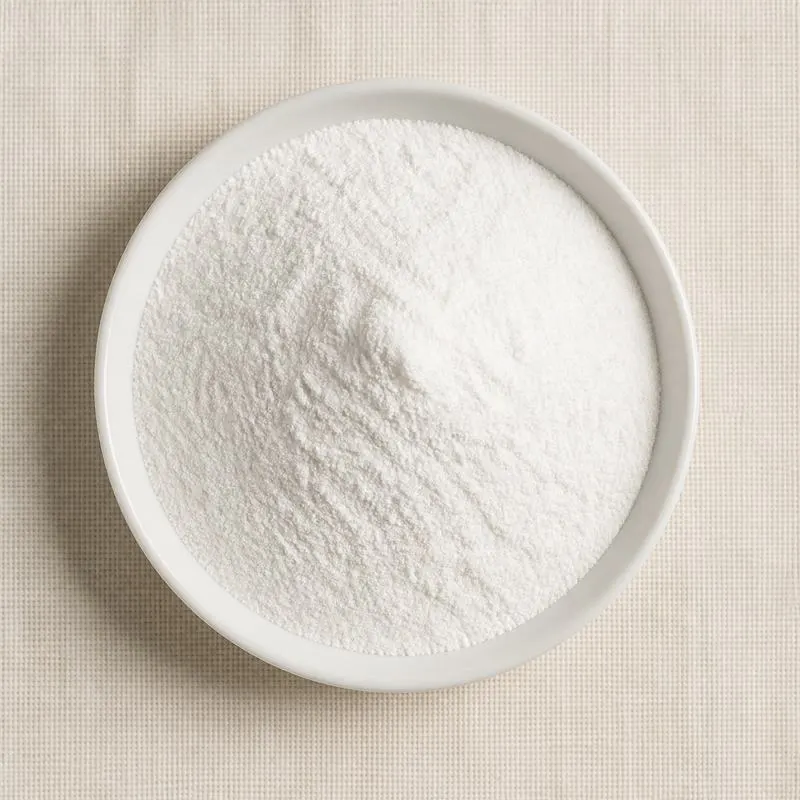
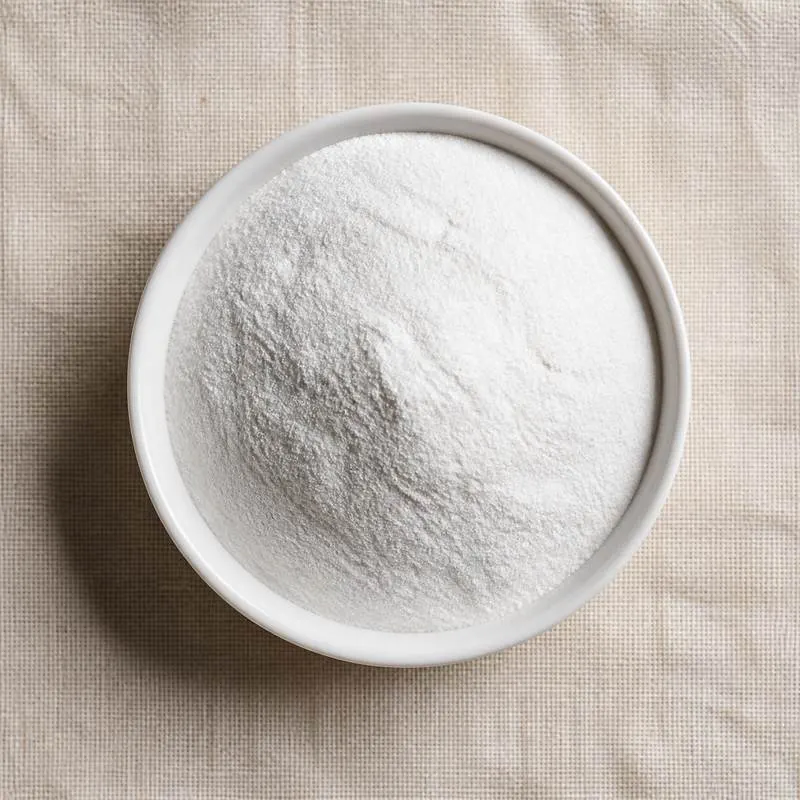
D-chiro-inositol is one of the nine stereoisomers of inositol, a cyclohexanehexol with the formula C6H12O6 and a molar mass of 180.16 grams per mole. It differs from the far more abundant myo-inositol only in the orientation of a single hydroxyl group, an inversion at one carbon that is enough to give it distinct biological handling. It is a white crystalline powder.
In nature it occurs free in small amounts and, more abundantly, as its methyl ether D-pinitol in legumes, carob and pine species, and as a component of inositol phosphoglycan structures in animal tissue. In the body it is formed from myo-inositol by an epimerase, and this conversion is the reason the two isomers are discussed together in nutrition.
The material is freely soluble in water, sparingly soluble in ethanol and practically insoluble in non polar solvents. It is a polyol rather than a reducing sugar, so it does not brown through Maillard reaction, and it is stable to heat and across the pH range met in food processing, including retort conditions. The taste is faintly sweet, at roughly half the sweetness of sucrose, which is low enough that it does not disturb the flavour of a formulation at supplement dose levels. The powder is mildly hygroscopic and is packed with moisture protection.
We source bulk D-Chiro-Inositol from top China manufacturers for our partners, working with several of them. The manufacturers are in Hebei, Guangdong and Zhejiang. A smaller requirement can ship in a combined container with other ingredients.
Please send the grade you need, the volume and your destination port, and we will come back with a solution and a price.
or call +86-21-6858 0751
- Function
- Specialty carbohydrate
Specifications
| Item | Specification |
|---|---|
| Appearance | White crystalline powder |
| Odour and Taste | Odourless, faintly sweet |
| Assay (dry basis) | ≥ 98.0% |
| Identification | Conforms by HPLC retention and infrared spectrum |
| Myo-inositol | ≤ 1.0% |
| D-pinitol | ≤ 0.5% |
| Loss on Drying | ≤ 1.0% |
| Residue on Ignition | ≤ 0.1% |
| pH (5% solution) | 5.0 to 7.5 |
| Residual Solvents | Meets pharmacopoeial limits |
| Heavy Metals (as Pb) | ≤ 10 mg/kg |
| Lead | ≤ 0.5 mg/kg |
| Arsenic | ≤ 0.5 mg/kg |
| Total Plate Count | ≤ 1,000 cfu/g |
| Yeast and Mould | ≤ 100 cfu/g |
| Escherichia coli | Negative in 1 g |
| Salmonella | Negative in 25 g |
Common Markets Grades
The material is traded essentially as one specification, a food and supplement grade at 98 percent minimum assay, with the balance made up of myo-inositol and residual D-pinitol from the conversion route. Higher purity grades at 99 percent are offered where the isomeric profile must be tight, and the certificate normally reports myo-inositol as a named impurity because it is the one buyers care about.
Physical options are limited to particle size and to blends. Standard material passes an 80 mesh screen; a granular version is made for direct compression tableting, and a micronised grade for rapid dissolution in sachets. The largest commercial format is not the pure isomer at all but a fixed ratio blend with myo-inositol, most commonly forty parts myo to one part D-chiro, which is sold as a finished premix rather than as a separate chemical grade.
Applications
- Capsules, tablets and sachets in the women's health supplement category, usually in a fixed ratio blend with myo-inositol
- Standalone D-chiro-inositol supplements dosed at milligram levels
- Sports and metabolic support formulations, blended with chromium, alpha lipoic acid and folate
- Powder drink mixes and stick packs, using the high water solubility and low flavour impact
- Prenatal and fertility support supplements, where inositols are a standard component
- Functional beverages, added post processing to a clear base
- Nutritional premixes sold to contract manufacturers for onward blending
- Reference and analytical standard material for inositol isomer separation methods
Brands Using D-Chiro-Inositol
Widely-distributed consumer products that list D-Chiro-Inositol on the ingredient label.
- Wholesome StoryMyo-Inositol & D-Chiro Inositol Capsules ↗The supplement facts panel lists D-Chiro Inositol at 50 mg per four-capsule serving alongside 2,000 mg of myo-inositol in a 40:1 ratio.Label verified 2026-08-31
- Intimate RoseMyo-Inositol & D-Chiro Inositol Supplement ↗The supplement facts panel lists D-Chiro Inositol at 50 mg per four-capsule serving in a 40:1 blend with myo-inositol.Label verified 2026-08-31
- NatureWiseMyo-Inositol & D-Chiro Inositol ↗The product page names D-Chiro Inositol as an active ingredient combined with 2,000 mg of myo-inositol per serving at a 40:1 ratio.Label verified 2026-08-31
Brand names, product names and logos are the property of their owners. They appear here as published evidence that the ingredient is used, taken from the brand's own label or website. Their appearance is not an endorsement, and it does not mean the brand buys from us or from any manufacturer listed on this site.
China Manufacturers of D-Chiro-Inositol
Top D-Chiro-Inositol manufacturers in China.
- Hebei Yuwei Biotechnology Co., Ltd.5 ingredients in the directory
 Hygieia17 ingredients in the directory
 LightSyn Technology7 ingredients in the directory
Company names and logos are the property of the manufacturers themselves. They are listed here because our own directory records them as producing this ingredient. A listing is not an endorsement by them, and we do not represent them or speak on their behalf.
Regulatory Status
In the United States, D-chiro-inositol is marketed as a dietary ingredient under the dietary supplement framework. Its regulatory position depends on whether the specific preparation was present in the food supply before the statutory cut-off date or has been the subject of a new dietary ingredient notification, and this should be established for the particular material and route of manufacture. Structure and function claims must be substantiated and carry the required disclaimer; disease claims are not permitted. Myo-inositol, by contrast, has a longer established food ingredient history, and the two should not be assumed to share a status.
In the European Union, D-chiro-inositol is not an authorised food additive and has no E number. Whether it may be sold as a food or food supplement ingredient depends on the novel food regulation, and the position differs from that of myo-inositol, which has an established history of use including in infant formula. Any preparation without a demonstrated significant history of consumption in the Union before May 1997 requires novel food authorisation before marketing. Health claims made in the Union must appear on the authorised list. JECFA has not issued a specification monograph for D-chiro-inositol.
Manufacturing Process
Two industrial routes dominate. The extraction and demethylation route starts from a plant source of D-pinitol, the 3-O-methyl ether of D-chiro-inositol, obtained from carob pods, soy molasses or pine wood. The plant material is extracted with hot water or aqueous alcohol, the extract is clarified and passed over ion exchange resin to strip sugars, salts and colour, and the recovered pinitol is demethylated under acid conditions at elevated temperature. The crude D-chiro-inositol is then decolourised on activated carbon, concentrated under vacuum, and crystallised from an aqueous alcohol system, with the crystals separated by centrifuge, washed, dried and milled.
The biotransformation route starts instead from myo-inositol, which is itself recovered from corn steep liquor phytate. Myo-inositol is converted to the chiro isomer either by a whole cell fermentation using a microorganism expressing inositol epimerase, or by an isolated enzyme system in a stirred reactor. The broth is clarified, the cells removed by filtration, and the product separated from unconverted myo-inositol by chromatographic separation, since the two isomers have very similar solubility and cannot be split by crystallisation alone. The purified fraction is concentrated, crystallised, centrifuged, dried and sieved.