D-α Tocopheryl Acetate
D-α Tocopheryl Acetate, written formally as RRR-alpha-tocopheryl acetate, is the acetate ester of natural vitamin E, in which the phenolic hydroxyl of the chromanol ring is capped with an acetyl group.
Blocking that hydroxyl is the entire point of the ester. The free hydroxyl is what makes alpha-tocopherol an antioxidant, and equally what makes it oxidise and darken in storage. Esterified, the molecule has no antioxidant activity of its own but is far more stable to air, light, heat and metal ions, and it survives extrusion, retorting and long shelf life in a premix. Esterases in the intestinal wall cleave the acetate after ingestion, releasing the free alpha-tocopherol, so vitamin activity is retained even though antioxidant function is not.
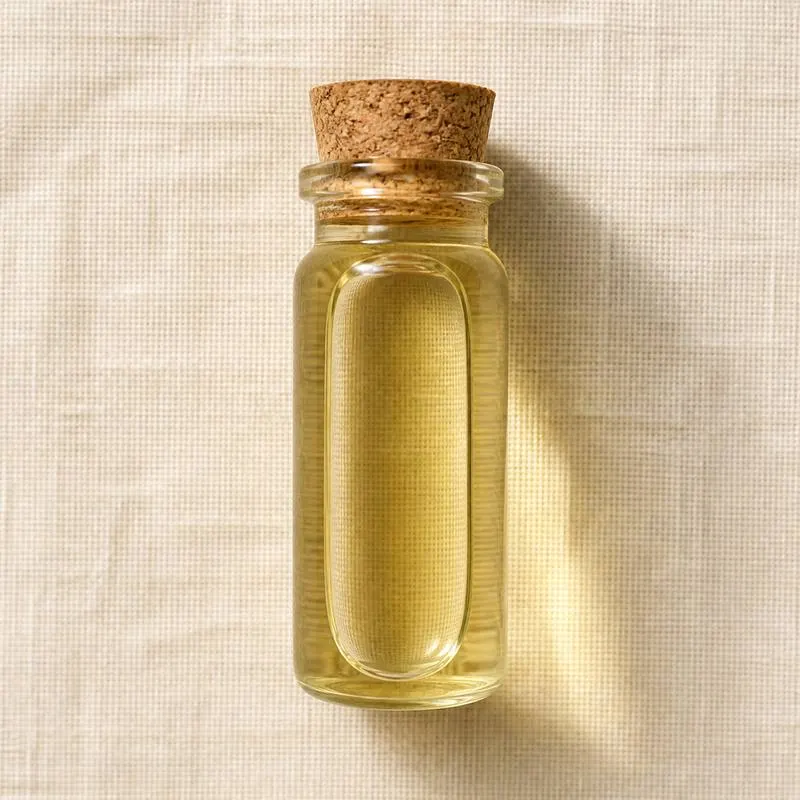
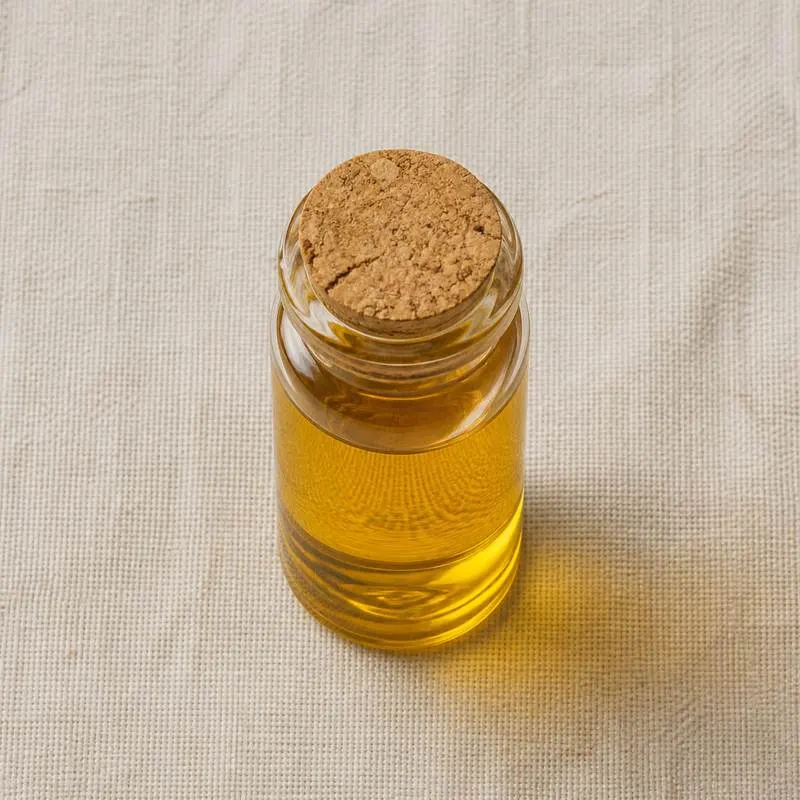
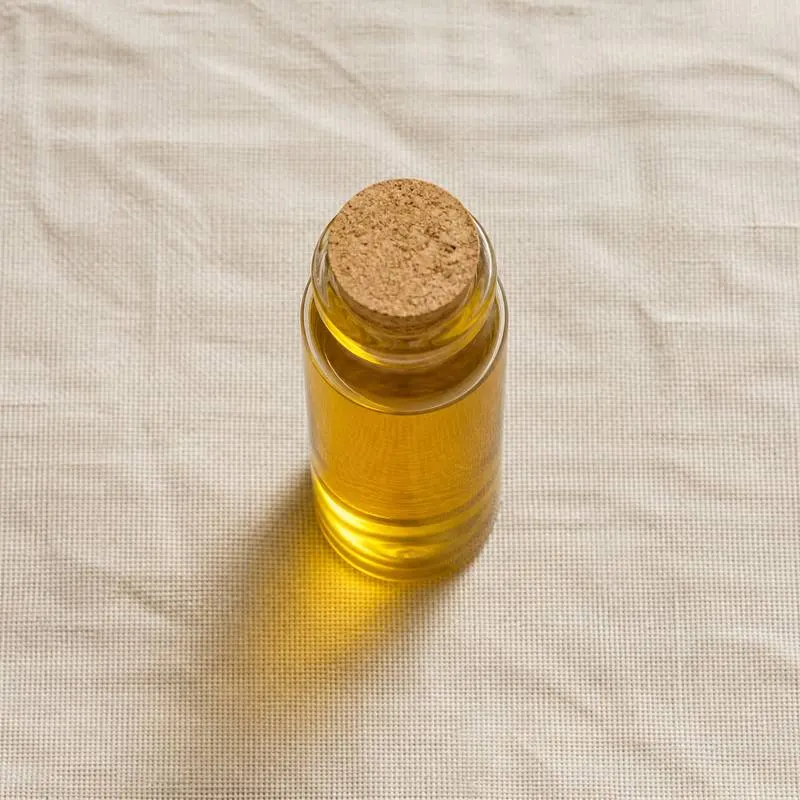
It is a clear, viscous, slightly yellow to amber oil that solidifies below room temperature, insoluble in water, miscible with oils, fats and ethanol. As with the free alcohol, the natural RRR form is distinguished from synthetic all-rac-alpha-tocopheryl acetate, which is a mixture of eight stereoisomers, and the two carry different assigned activities per milligram. Because the ester contributes no protection to the fat it sits in, an oil or premix containing it still needs a separate antioxidant system.
We source bulk D-α Tocopheryl Acetate from top China manufacturers for our partners. The manufacturer is in Shandong. A smaller requirement can ship in a combined container with other ingredients.
Please send the grade you need, the volume and your destination port, and we will come back with a solution and a price.
or call +86-21-6858 0751
- Function
- Vitamin
Specifications
| Item | Specification |
|---|---|
| Appearance | Clear viscous oil, colourless to amber |
| Identification | Infrared and HPLC conform to reference standard |
| Assay, as tocopheryl acetate | 96.0 to 102.0% |
| Potency | 1,360 IU/g minimum |
| Specific Rotation | ≥ +24.0° in chloroform |
| Refractive Index at 20 °C | 1.494 to 1.499 |
| Free Tocopherol | ≤ 1.0% |
| Acid Value | ≤ 1.0 mg KOH/g |
| Water Content | ≤ 0.2% |
| Residue on Ignition | ≤ 0.1% |
| Residual Solvents | Conforms to pharmacopoeial limits |
| Lead | ≤ 2.0 mg/kg |
| Arsenic | ≤ 1.0 mg/kg |
| Heavy Metals | ≤ 10 mg/kg |
Common Markets Grades
The oil is traded mainly at 1000 IU per gram and at 1360 IU per gram, the latter corresponding to substantially pure ester, with pharmacopoeial grades produced to United States Pharmacopeia and European Pharmacopoeia monographs. Feed grade oil is made to looser colour and residual solvent limits than pharmaceutical grade.
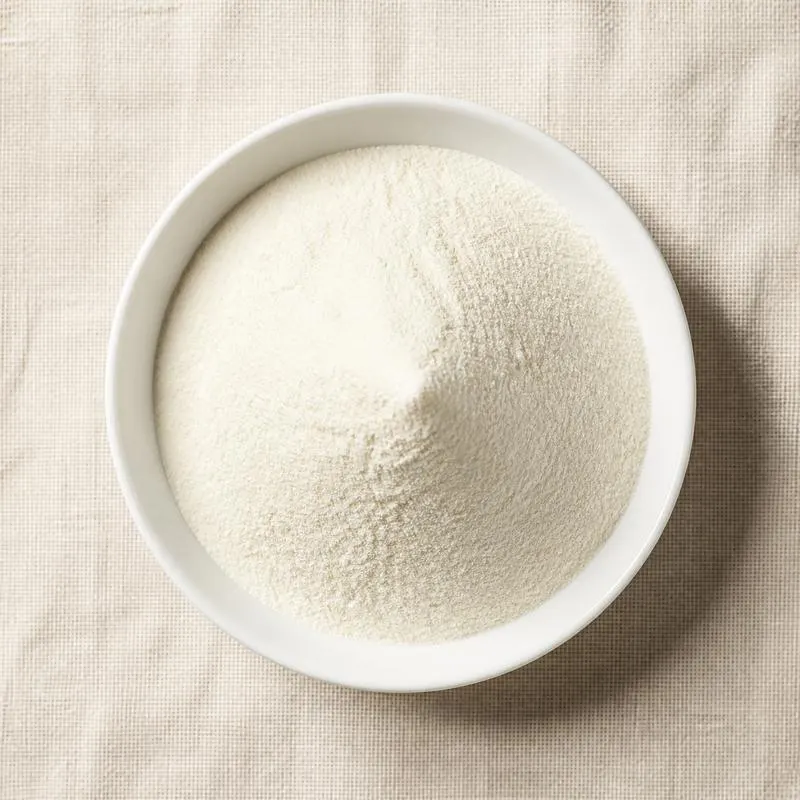
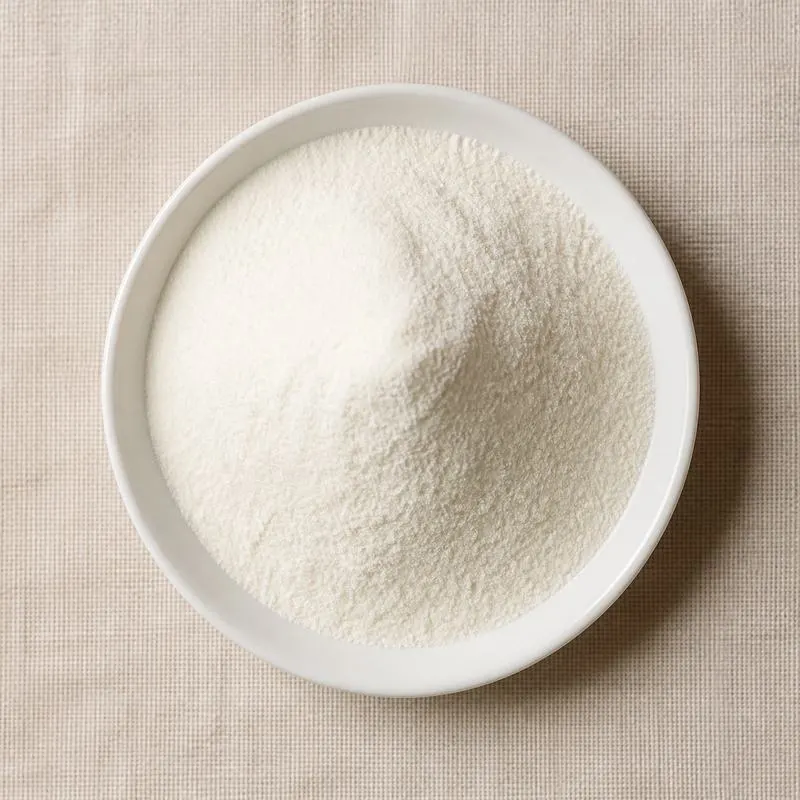
Dry grades dominate in tablets, dry premixes and feed. The oil is emulsified into a matrix of modified starch, gelatin, gum acacia or sodium caseinate and spray dried, or adsorbed onto silicon dioxide, giving free flowing powders standardised at 250, 500 or 700 IU per gram, with 50 percent adsorbates common in feed. Cold water dispersible and beadlet forms with a cross linked coating are made for beverages, and microencapsulated feed grades are built to survive pelleting and extrusion. Non-GMO documentation and declaration of the carrier and diluent oil, which affects allergen labelling, are routine specification points.
Applications
- Multivitamin tablets and capsules, as the storage stable form of vitamin E
- Infant formula and follow on formula, where the ester resists the heat of processing
- Fortified cereals, bars and bakery products, surviving baking and extrusion in a dry premix
- Fortified beverages and dairy drinks, using the cold water dispersible beadlet form
- Clinical and enteral nutrition, providing the fat soluble vitamin fraction
- Animal feed and pet food premixes, the largest single volume application
- Aquaculture feed, where vitamin E supports flesh quality and immune function
- Skin creams and lotions, as a stable vitamin E label ingredient
- Sun care and after sun preparations, included for skin conditioning claims
- Sports nutrition powders, contributing the declared vitamin E content
Brands Using D-α Tocopheryl Acetate
Widely-distributed consumer products that list D-α Tocopheryl Acetate on the ingredient label.
Brand names, product names and logos are the property of their owners. They appear here as published evidence that the ingredient is used, taken from the brand's own label or website. Their appearance is not an endorsement, and it does not mean the brand buys from us or from any manufacturer listed on this site.
China Manufacturers of D-α Tocopheryl Acetate
Top D-α Tocopheryl Acetate manufacturers in China.

Company names and logos are the property of the manufacturers themselves. They are listed here because our own directory records them as producing this ingredient. A listing is not an endorsement by them, and we do not represent them or speak on their behalf.
Regulatory Status
In the United States alpha-tocopherol acetate is affirmed as generally recognised as safe for nutrient use under 21 CFR 184.1890, which covers alpha-tocopherol and its acetate, and the United States Pharmacopeia carries a monograph for vitamin E covering the natural and synthetic esters. Labelling must distinguish the RRR form from all-rac material because the assigned activity per milligram differs between them.
In the European Union, Regulation (EC) No 1925/2006 lists D-alpha-tocopheryl acetate among the permitted forms of vitamin E for the addition of vitamins to foods, Directive 2002/46/EC does the same for food supplements, and vitamin E is a mandatory nutrient in infant and follow on formula under the compositional rules for those products. It is not a food additive and has no E number, since the ester has no antioxidant function. Feed use is authorised under the European feed additives regulation, where vitamin E is a nutritional additive, and the European Pharmacopoeia carries monographs for the tocopheryl acetate forms. Cosmetic use falls under Regulation (EC) No 1223/2009, which lists it as tocopheryl acetate without restriction.
Manufacturing Process
The starting material is natural alpha-tocopherol obtained from vegetable oil deodoriser distillate. That stream is esterified with methanol to strip free fatty acids as their methyl esters, sterols are crystallised out at low temperature, and molecular distillation under high vacuum concentrates the tocopherols. Since the concentrate is gamma dominant, the lower homologues are converted to the alpha form by aminomethylation with formaldehyde and a secondary amine followed by catalytic hydrogenation, leaving the natural RRR side chain configuration intact.
The alpha-tocopherol is then acetylated, typically with acetic anhydride under acid catalysis at moderate temperature, which caps the phenolic hydroxyl. Excess anhydride and the acetic acid by-product are removed by neutralisation and washing, and the crude ester is stripped and purified by a final short path distillation. It is decoloured on adsorbent, standardised with refined vegetable oil to the declared potency, blanketed with nitrogen and filled. Dry forms are produced downstream by emulsifying the oil into a carrier matrix and spray drying, or by adsorbing it onto silica, with the powder screened and assayed before packing.