Dag
DAG is the trade abbreviation for diacylglycerol, a glycerol molecule esterified with two fatty acids and carrying one free hydroxyl group, and it exists in two positional forms, the 1,2 isomer and the more thermodynamically stable 1,3 isomer. Diacylglycerols occur naturally at low levels in most edible oils and are produced deliberately either as the diglyceride fraction of mono and diglyceride emulsifiers or as a DAG rich cooking oil in which they make up the majority of the triglyceride replacement.
Functionally the free hydroxyl group is what matters. It gives the molecule a polar head against two lipophilic tails, so a diacylglycerol is weakly surface active, sits at oil and water interfaces and works alongside monoglyceride as a co emulsifier, softening crystal networks in fats and improving the plasticity of shortenings and margarines. Diacylglycerols also modify fat crystallisation, delaying nucleation and altering the polymorphic form of the surrounding triglyceride, which is why their level is controlled in confectionery fats.
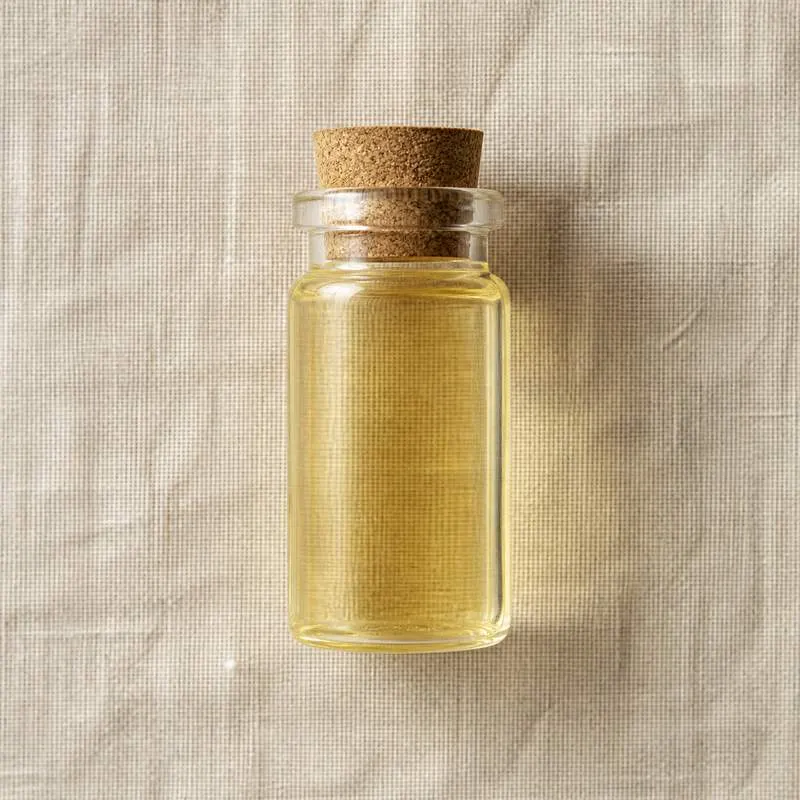
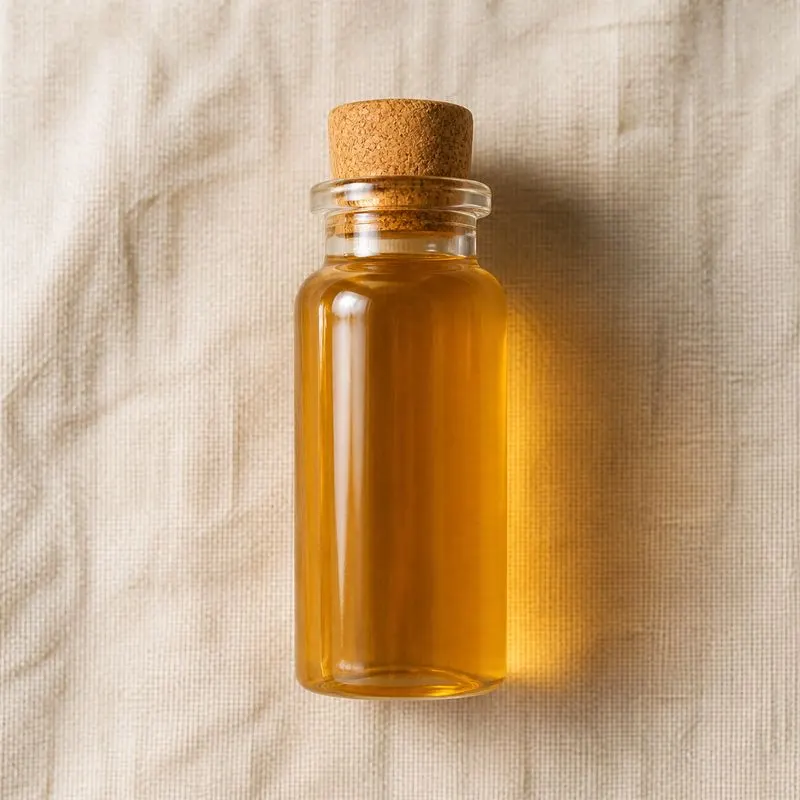
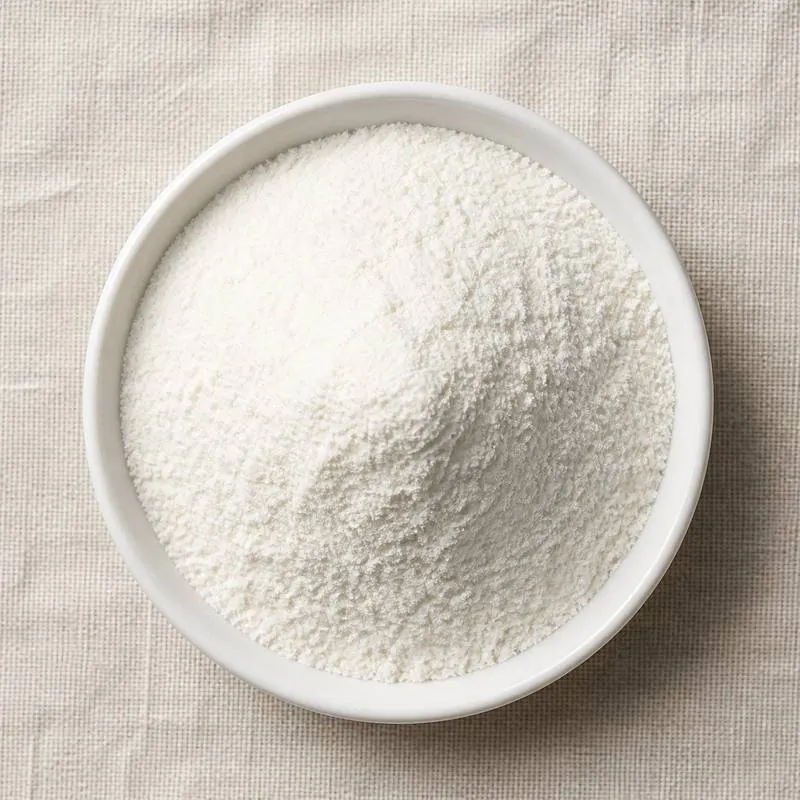
The material takes one of two forms: a clear pale yellow oil, in the case of DAG rich cooking oils and low melting fatty acid profiles, or a waxy solid or flake where the fatty acids are saturated. It is insoluble in water, soluble in oils, ethanol and warm organic solvents, and behaves in storage like the parent fat, so oxidative stability follows the fatty acid profile rather than the glyceride structure.
We source bulk Dag from top China manufacturers for our partners. The manufacturer is in Sichuan. A smaller requirement can ship in a combined container with other ingredients.
Please send the grade you need, the volume and your destination port, and we will come back with a solution and a price.
or call +86-21-6858 0751
- Function
- Emulsifier
Specifications
| Item | Specification |
|---|---|
| Appearance | Clear pale yellow oil or white waxy flake according to fatty acid source |
| Odour and taste | Bland, free from rancid or foreign notes |
| Identification | Glyceride profile conforms by gas chromatography |
| Diacylglycerol content | ≥ 80.0% for oil grades, declared per grade for emulsifier grades |
| Monoacylglycerol content | ≤ 5.0% for oil grades |
| Free glycerol | ≤ 1.5% |
| Acid value | ≤ 2.0 mg KOH/g |
| Peroxide value | ≤ 5.0 meq/kg |
| Iodine value | By grade, declared on the certificate |
| Loss on drying | ≤ 1.0% |
| Sulphated ash | ≤ 0.5% |
| Lead | ≤ 2 mg/kg |
| Arsenic | ≤ 3 mg/kg |
Common Markets Grades
Two commercial families are traded under the abbreviation. Emulsifier grades are the diglyceride containing mono and diglyceride products, specified by monoglyceride content, with the diacylglycerol making up much of the balance, and sold as flake, bead or powder according to the melting point of the fatty acid used. Oil grades are DAG rich edible oils, typically 80 percent or more diacylglycerol with the remainder monoacylglycerol and triacylglycerol, produced from soybean, rapeseed or other liquid vegetable oil and sold as a clear cooking oil.
Within each family the specification variables are the fatty acid source, palm, soybean, rapeseed, sunflower or coconut, the iodine value and melting point that follow from it, the ratio of 1,3 to 1,2 isomer, and the residual free fatty acid and free glycerol content left after purification. Fully vegetable, kosher, halal and non genetically modified declarations are handled as separate grades.
Applications
- Margarine and shortening, where the diglyceride fraction plasticises the fat crystal network and widens the workable temperature range
- Bakery fats and cake batters, acting as a co emulsifier alongside distilled monoglyceride
- DAG rich cooking and frying oils sold as a lipid ingredient in their own right
- Confectionery fats, where controlled diacylglycerol level influences crystallisation rate and bloom behaviour
- Ice cream and frozen dessert mixes, contributing to partial coalescence of the fat phase
- Non dairy creamers and whipped toppings, stabilising the emulsion through drying and reconstitution
- Peanut and nut butters, limiting oil separation on standing
- Chewing gum bases, acting as a softener and processing aid
- Emulsified sauces and dressings, used as a co emulsifier in oil in water systems
China Manufacturers of Dag
Top Dag manufacturers in China.

Company names and logos are the property of the manufacturers themselves. They are listed here because our own directory records them as producing this ingredient. A listing is not an endorsement by them, and we do not represent them or speak on their behalf.
Regulatory Status
In the United States mono and diglycerides of fatty acids, which are the ordinary commercial vehicle for diacylglycerol as an emulsifier, are generally recognised as safe, and the Food and Drug Administration lists them at 21 CFR 184.1505 for use as emulsifiers in food under good manufacturing practice. Diacylglycerol rich edible oil intended for use as a cooking oil has been the subject of a separate GRAS determination, since it is consumed as a fat rather than dosed as an additive, and its status rests on that determination and on the identity and purity specification attached to it.
In the European Union mono and diglycerides of fatty acids are authorised as food additive E471 with general permission at quantum satis in most food categories and purity criteria set in the additive specifications regulation, and the diglyceride fraction falls within that entry. A diacylglycerol rich oil sold as a food in its own right, rather than as an additive, does not have a history of significant consumption in the Union before the novel food cut off date and therefore requires authorisation as a novel food before it may be placed on the market. JECFA maintains a specification for mono and diglycerides of fatty acids, and the substance appears in the Codex General Standard for Food Additives under the emulsifier function.
Manufacturing Process
Diacylglycerols are produced by rearranging the ester bonds of a fat. On the glycerolysis route, refined vegetable oil is reacted with glycerol at high temperature under an inert atmosphere with an alkaline catalyst, and the transesterification redistributes fatty acids between glycerol molecules to give an equilibrium mixture of mono, di and triacylglycerols. On the enzymatic route, which dominates production of DAG rich oils, fatty acids obtained by hydrolysing and fractionating a vegetable oil are re esterified with glycerol over an immobilised 1,3 regioselective lipase at 40 to 70 degrees Celsius, and water of reaction is removed under vacuum to drive the reaction towards the diester.
The crude reaction mixture is then purified. Free fatty acid is stripped, and molecular or short path distillation under high vacuum separates the monoacylglycerol fraction from the diacylglycerol and any residual triacylglycerol, since the three classes differ sharply in volatility. Oil grades are bleached with adsorbent clay and deodorised with steam under vacuum to give a bland clear oil, while solid emulsifier grades are cooled on a flaking drum or spray cooled into beads and then milled and screened. Release is on glyceride distribution by chromatography together with acid value, free glycerol and peroxide value.