Date Enzymatic Hydrolysis
Date enzymatic hydrolysis is a fruit hydrolysate ingredient, made by treating date fruit with food grade enzymes so that the cell wall and storage polysaccharides are broken down into soluble, low molecular weight fractions that can be concentrated and dried. In the Chinese ingredient trade the fruit is usually the jujube, Ziziphus jujuba, known as the red date, though the same process is applied to true dates from Phoenix dactylifera.
The point of the process is solubility and yield. Untreated date pulp is high in pectin, cellulose and hemicellulose, which trap sugars and phenolics in an insoluble matrix, make the juice too viscous to press cleanly and leave a large proportion of the fruit solids in the pomace. Pectinase, cellulase and hemicellulase digest that matrix, releasing the bound sugars, jujube polysaccharide fragments, triterpenic acids, flavonoids and cyclic nucleotides into solution, and a protease step is added where the small protein fraction is also to be solubilised.
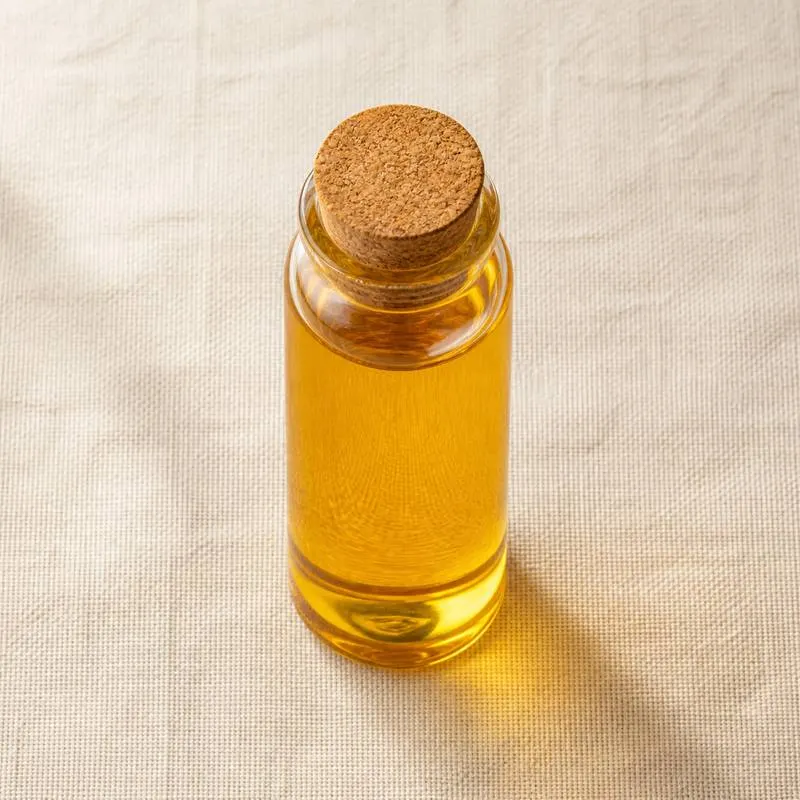
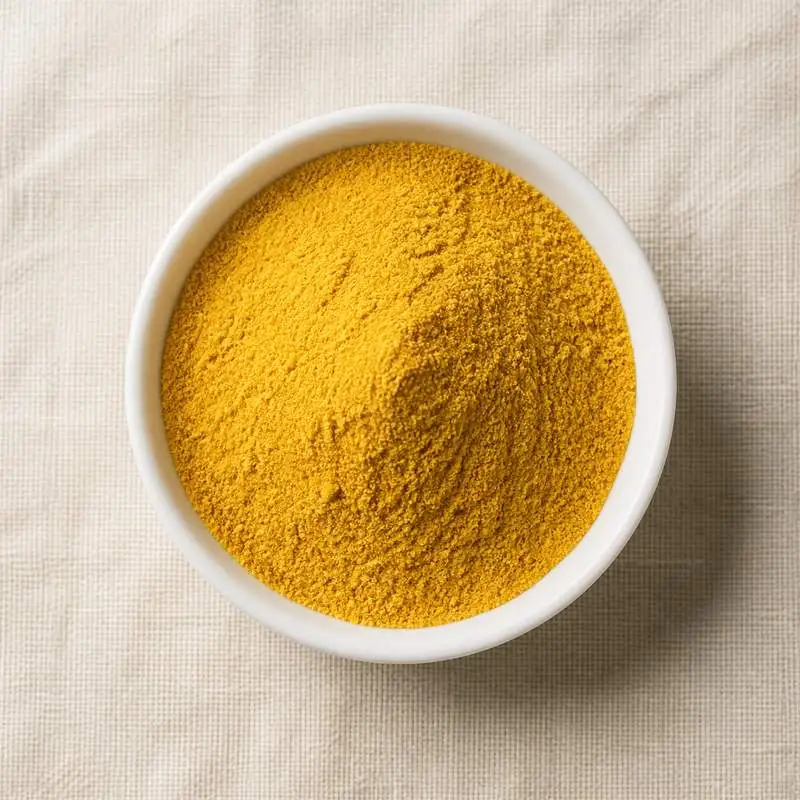
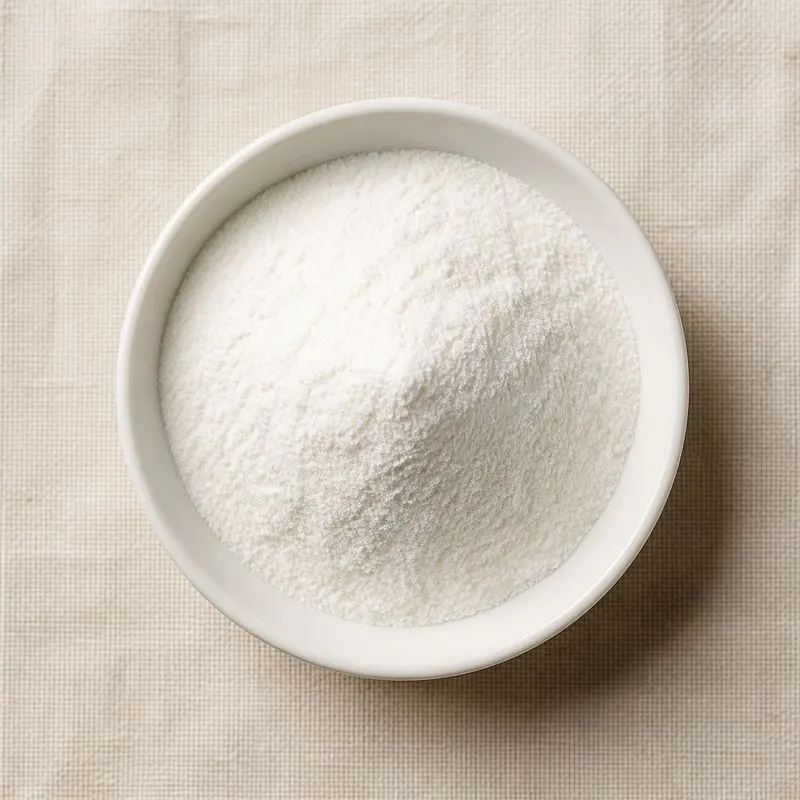
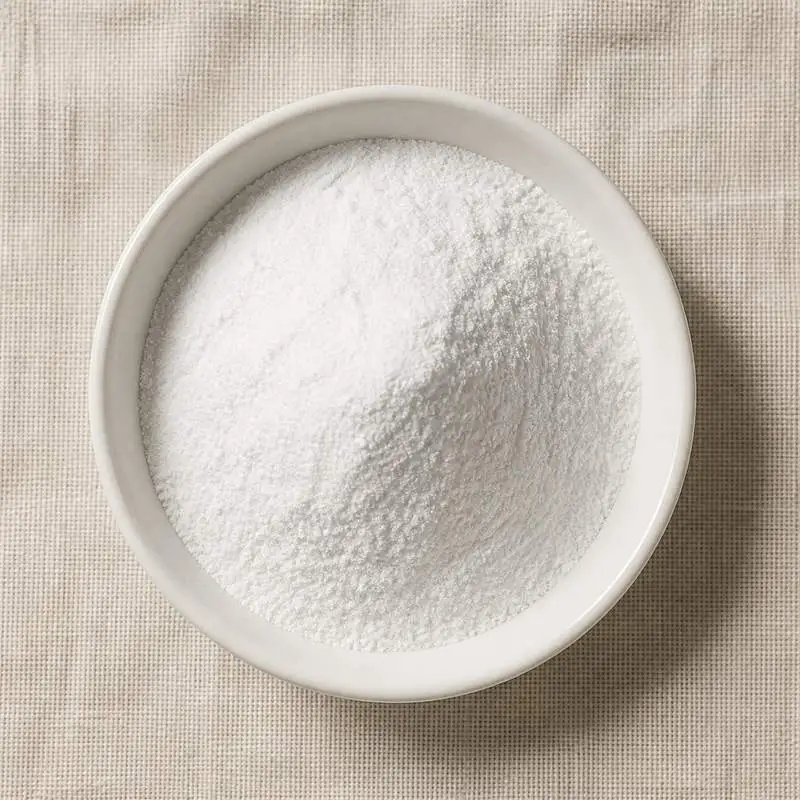
The product comes as a concentrated syrup at a declared Brix or as a spray dried powder, ranging from light amber to deep brown depending on how far the drying carried the Maillard reaction. It is sweet with a characteristic cooked fruit note, fully soluble in water, and hygroscopic in the dried form, so it is carried on maltodextrin and packed with a moisture barrier.
We source bulk Date Enzymatic Hydrolysis from top China manufacturers for our partners. The manufacturer is in Sichuan. A smaller requirement can ship in a combined container with other ingredients.
Please send the grade you need, the volume and your destination port, and we will come back with a solution and a price.
or call +86-21-6858 0751
- Function
- Nutraceutical
Specifications
| Item | Specification |
|---|---|
| Appearance | Light amber to brown free flowing powder |
| Solubility | Complete in water at 25 C |
| Fruit Solids | Not less than 60.0% |
| Carrier, as maltodextrin | Not more than 40.0% |
| Polysaccharide | Not less than 8.0% |
| Total Flavonoids | Not less than 0.5% |
| Moisture | Not more than 6.0% |
| Total Ash | Not more than 6.0% |
| pH, 10% solution | 4.0 to 6.0 |
| Lead | Not more than 1.0 mg/kg |
| Arsenic | Not more than 0.5 mg/kg |
| Total Plate Count | Not more than 10,000 CFU/g |
| Yeast and Mould | Not more than 100 CFU/g |
| Salmonella | Absent in 25 g |
Common Markets Grades
The main split is between the liquid concentrate, traded on soluble solids at 65 or 70 Brix, and the spray dried powder, traded on the carrier level and the declared active fractions. Powders carried on maltodextrin are the commodity form because the high sugar and low molecular weight composition makes the material difficult to dry without a drying aid, and clean label versions substitute acacia gum or tapioca derived carriers at a cost in yield.
Beyond that, lots are graded on the standardised markers a buyer is paying for: jujube polysaccharide content, total flavonoids and, for high specification material, cyclic adenosine monophosphate. Degree of hydrolysis and average molecular weight are specified where the ingredient is being used for its solubility rather than for a marker, and a decolourised grade processed over resin is offered where the deep brown colour would be a problem in the finished product. Organic certified and additive free lots are handled as separate streams.
Applications
- Functional beverages and fruit drinks, where the hydrolysate dissolves without the haze and sediment of untreated date juice
- Instant date and jujube tea sachets, which rely on complete cold water solubility
- Traditional tonic preparations and health foods built on jujube in the Chinese market
- Nutritional powders and meal replacements, where it supplies natural sweetness and fruit solids
- Confectionery and gummies, where the concentrate contributes colour, sweetness and a cooked fruit note
- Bakery fillings and fruit preparations needing a stable, pumpable fruit concentrate
- Dairy and plant beverage flavouring, where the low molecular weight fraction avoids destabilising the protein
- Sweetener systems in reduced sugar products, where the fruit solids replace part of the added sugar
- Cosmetic preparations using the polysaccharide fraction as a humectant
China Manufacturers of Date Enzymatic Hydrolysis
Top Date Enzymatic Hydrolysis manufacturers in China.

Company names and logos are the property of the manufacturers themselves. They are listed here because our own directory records them as producing this ingredient. A listing is not an endorsement by them, and we do not represent them or speak on their behalf.
Regulatory Status
In the United States, date and jujube fruit preparations are conventional food ingredients regulated under the Food Safety Modernization Act preventive controls, with the Foreign Supplier Verification Program applying to imports, and are also sold as dietary ingredients under the Dietary Supplement Health and Education Act. The enzymes used are processing aids that must themselves be of an approved or generally recognised as safe source, and they are inactivated and not carried into the finished product at a functional level.
In the European Union, the fruit and its juice have a history of consumption and are placed on the market under general food law rather than under an additive authorisation, so the hydrolysate carries no E number. Where the process yields a preparation substantially different from traditional date or jujube juice, for instance an isolated and concentrated polysaccharide fraction, the novel food regulation applies and authorisation is required before marketing. Enzymes used in production fall under the food enzymes regulation and its Union list procedure. Contaminant and pesticide residue limits for dried fruit apply, and Codex addresses dates and fruit juices through its commodity standards and codes of hygienic practice rather than through a JECFA additive specification.
Manufacturing Process
Dried or fresh fruit is washed, inspected and destoned, then milled or pulped with water to a slurry at a controlled solids level. The slurry is heated briefly to inactivate the fruit's own enzymes and reduce microbiological load, then cooled to the working temperature for the enzyme system. A blend of pectinase, cellulase and hemicellulase is dosed in, the pH is adjusted into the enzyme optimum, and the mash is held with agitation for several hours while viscosity falls and the soluble solids rise. Where a protein fraction is being released, a protease is added in a second stage at its own temperature and pH.
When the target degree of hydrolysis is reached the mash is heated to inactivate the enzymes, then separated. Coarse residue is removed by decanter centrifuge or press, and the liquor is clarified on a centrifugal separator and polished through membrane filtration, which also sets an upper bound on molecular weight. Where a light coloured grade is required the clarified liquor passes over adsorption resin or activated carbon to strip colour bodies. The purified liquor is concentrated by multi effect vacuum evaporation at low temperature to protect the heat sensitive fractions, and is either filled as a syrup or blended with carrier, homogenised and spray dried. Powder is cooled, sieved, assayed against the declared markers, blended and packed with a desiccant.