Dihydroberberine
Dihydroberberine is the reduced form of the isoquinoline alkaloid berberine, CAS 483-15-8, with the molecular formula C20H19NO4 and a molar mass of 337.37 g/mol. Reduction converts the positively charged quaternary berberine cation into a neutral molecule, and it is this change in charge that gives the compound its commercial value, since the neutral form crosses the intestinal wall far more readily than the parent salt.
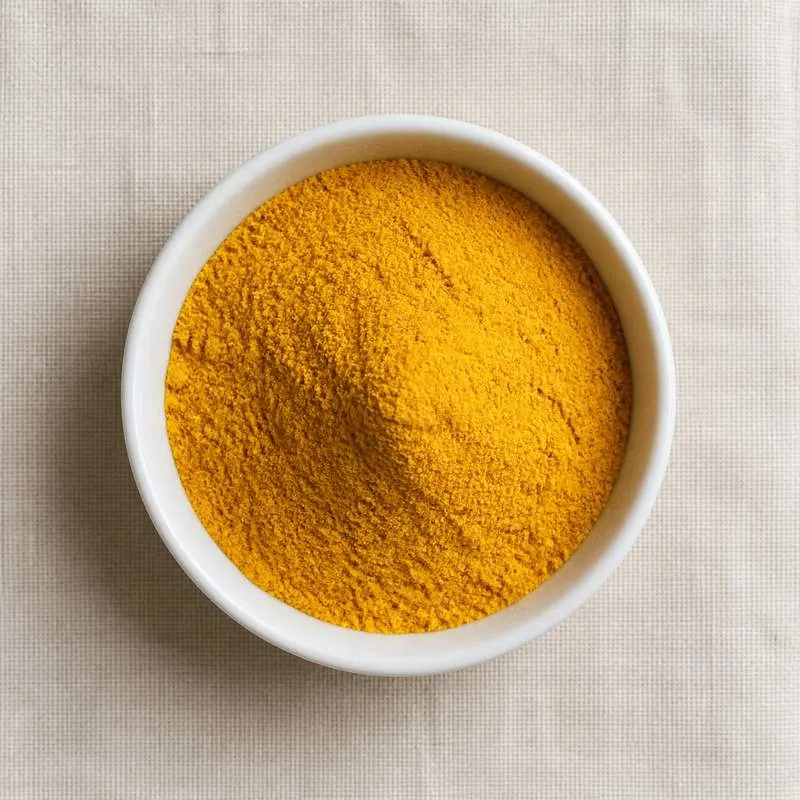
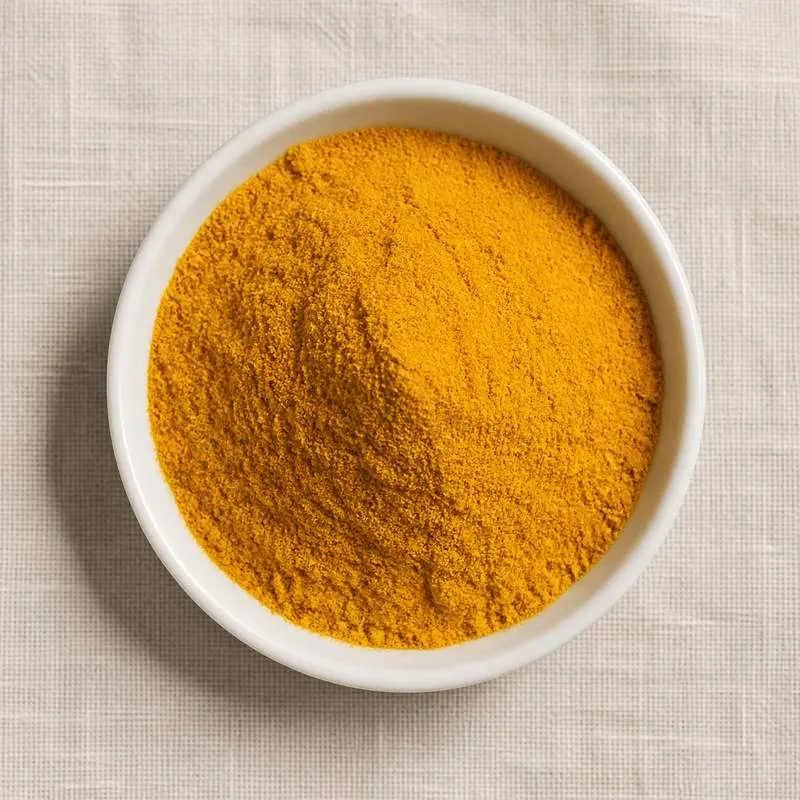
The material is a yellow to orange-yellow crystalline powder with a bitter taste. Unlike berberine hydrochloride, which is a charged salt with poor lipid solubility, dihydroberberine is only slightly soluble in water and dissolves much more freely in ethanol, propylene glycol and lipid vehicles, so it is normally formulated in oil suspensions, softgels or self-emulsifying systems rather than in clear beverages.
The compound is oxidatively unstable, reverting to berberine on exposure to air, light and moisture, and that reconversion is in fact part of how it works once absorbed. For the raw material it is a handling problem: commercial powder is packed under nitrogen in opaque containers, often adsorbed onto a carrier or microencapsulated, and formulators avoid high pH, high moisture and prolonged heat in downstream processing.
We source bulk Dihydroberberine from top China manufacturers for our partners. The manufacturer is in Jiangsu. A smaller requirement can ship in a combined container with other ingredients.
Please send the grade you need, the volume and your destination port, and we will come back with a solution and a price.
or call +86-21-6858 0751
- Function
- Plant extract
Specifications
| Item | Specification |
|---|---|
| Appearance | Yellow to orange-yellow crystalline powder |
| Odour and Taste | Odourless, bitter |
| Assay by HPLC | ≥ 98.0% |
| Identification | Conforms by HPLC retention time and UV spectrum |
| Residual Berberine | ≤ 2.0% |
| Loss on Drying | ≤ 1.0% |
| Residue on Ignition | ≤ 0.5% |
| Residual Solvents | Complies with ICH Q3C limits |
| Heavy Metals (as Pb) | ≤ 10 mg/kg |
| Lead | ≤ 1.0 mg/kg |
| Arsenic | ≤ 1.0 mg/kg |
| Cadmium | ≤ 1.0 mg/kg |
| Mercury | ≤ 0.1 mg/kg |
| Packing and Storage | Under nitrogen in opaque containers, cool and dry |
Common Markets Grades
The compound is traded mainly as a single purity grade, at 95 or 98 percent minimum by HPLC, as the free base rather than as a salt. Higher purity reference material at 99 percent and above is sold in small quantities for analytical use. The variable that distinguishes commercial offers is not assay so much as stabilisation, since the unprotected powder loses assay on storage.
Stabilised presentations therefore make up much of the trade: material adsorbed onto silica or microcrystalline cellulose at 10 to 50 percent load, cyclodextrin complexed grades, oil dispersions, and microencapsulated or lipid matrix powders intended to survive tabletting and shelf life. Blends with berberine hydrochloride at defined ratios are also sold where a mixed release profile is wanted. Buyers should confirm whether a quoted percentage refers to the pure compound or to a carrier-loaded preparation, since the two are often listed under the same product name.
Applications
- Metabolic and blood sugar support supplements, the largest outlet, usually in softgel or oil suspension form
- Weight management and body composition formulas, often paired with chromium or alpha lipoic acid
- Cardiovascular and lipid support products where berberine chemistry is the basis of the positioning
- Sports nutrition and nutrient partitioning products taken around carbohydrate meals
- Capsule and tablet supplements using the adsorbed or microencapsulated grade for dry flow and stability
- Combination products with berberine hydrochloride, giving a two-stage absorption profile
- Gut health formulas drawing on the traditional antimicrobial use of berberine alkaloids
- Companion animal metabolic supplements
- Analytical reference standards for quantifying berberine metabolites
Brands Using Dihydroberberine
Widely-distributed consumer products that list Dihydroberberine on the ingredient label.
Brand names, product names and logos are the property of their owners. They appear here as published evidence that the ingredient is used, taken from the brand's own label or website. Their appearance is not an endorsement, and it does not mean the brand buys from us or from any manufacturer listed on this site.
China Manufacturers of Dihydroberberine
Top Dihydroberberine manufacturers in China.
Company names and logos are the property of the manufacturers themselves. They are listed here because our own directory records them as producing this ingredient. A listing is not an endorsement by them, and we do not represent them or speak on their behalf.
Regulatory Status
Dihydroberberine has no established food additive status in any major market. In the United States it is offered as a dietary ingredient under the Dietary Supplement Health and Education Act, with manufacture under the good manufacturing practice rules in 21 CFR Part 111, but it is not generally recognised as safe and has no food additive regulation, and the Food and Drug Administration has not affirmed a marketing history that would exempt it from new dietary ingredient notification. Suppliers and brand owners differ on whether notification has been made, so buyers normally ask for the documentation directly.
In the European Union both berberine and its reduced derivative fall within the scope of the novel food Regulation, since neither has significant food use before May 1997, and several member states additionally restrict berberine-containing products on the grounds that the alkaloid has pharmacological activity. No health claim for berberine or dihydroberberine appears on the EU register of authorised claims. Neither Codex nor JECFA has evaluated the compound or published a specification, so trade relies on supplier monographs and pharmacopoeial style analytical methods.
Manufacturing Process
Production starts from berberine, which is itself isolated from plant material rather than synthesised. Root and bark of Coptis chinensis, Phellodendron amurense or Berberis species is milled and extracted with dilute acid or aqueous ethanol, and the alkaloid is recovered from the liquor by macroporous resin adsorption followed by ethanol elution, then crystallised as berberine hydrochloride and recrystallised to pharmaceutical purity.
The berberine salt is then chemically reduced. The industrial route treats a solution or suspension of berberine hydrochloride in an alcohol or alcohol and water mixture with a hydride reducing agent such as sodium borohydride, added at controlled rate and low temperature under an inert atmosphere, which adds hydrogen across the C ring and gives the neutral dihydro compound. Catalytic hydrogenation over a supported metal catalyst is used as an alternative. The reaction mixture is quenched, the product precipitated by adding water, then collected by filtration under nitrogen, washed to remove boron salts and residual solvent and recrystallised. Drying is done under vacuum at low temperature, and the dried powder is either packed directly under nitrogen or taken on to an adsorption, encapsulation or complexation step before packing.