Distarch Phosphate
Distarch phosphate is a cross linked food starch in which phosphate diester bridges have been formed between hydroxyl groups on adjacent starch chains, tying neighbouring molecules within the granule together. Only a very small number of bridges is needed, on the order of one cross link per several hundred to several thousand glucose units, and the material remains a starch in composition and is digested as one.
The purpose of the modification is mechanical. A native starch granule swells on heating until it ruptures, and once it ruptures the paste thins irreversibly, which is what happens in a retort, under prolonged pumping, in a homogeniser or at low pH. Cross linking reinforces the granule so that it swells to a controlled extent and holds together, giving a viscosity curve with a lower but far more stable peak and much reduced breakdown. The more heavily cross linked the starch, the higher the gelatinisation temperature and the greater the process tolerance, and at the extreme the granule barely swells at all.
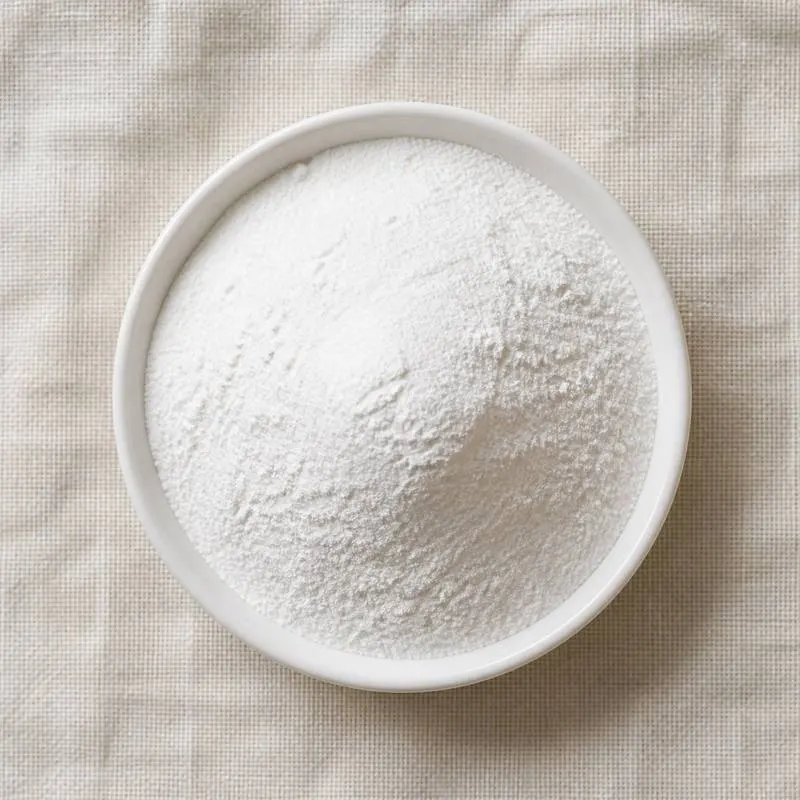
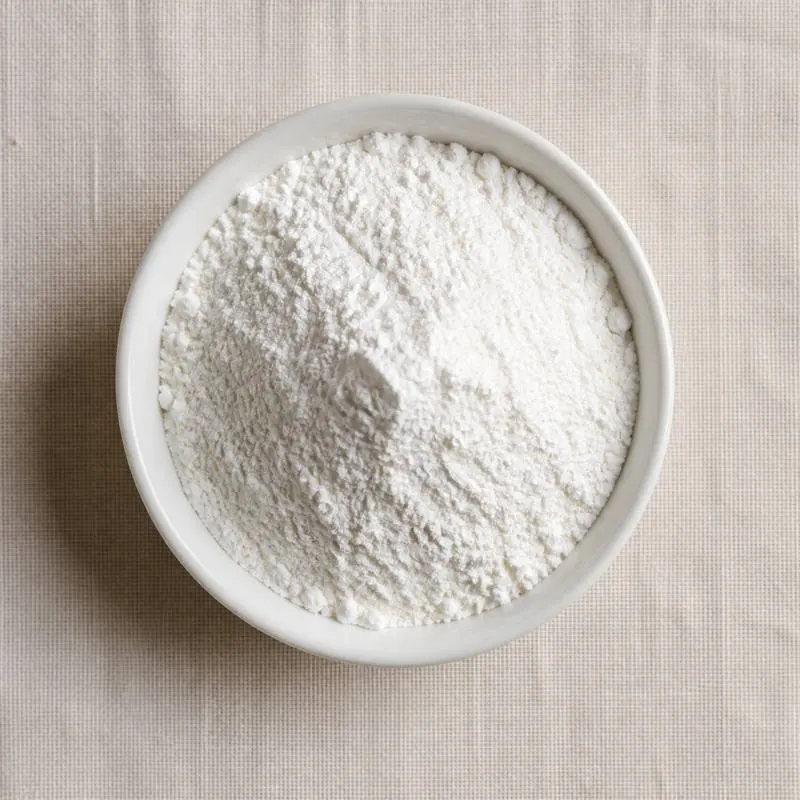
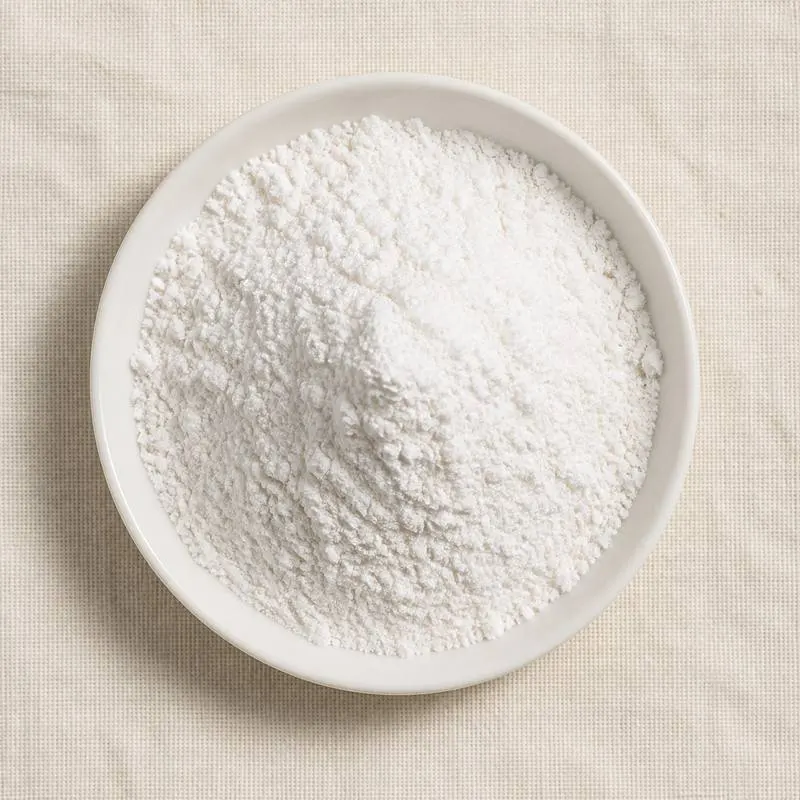
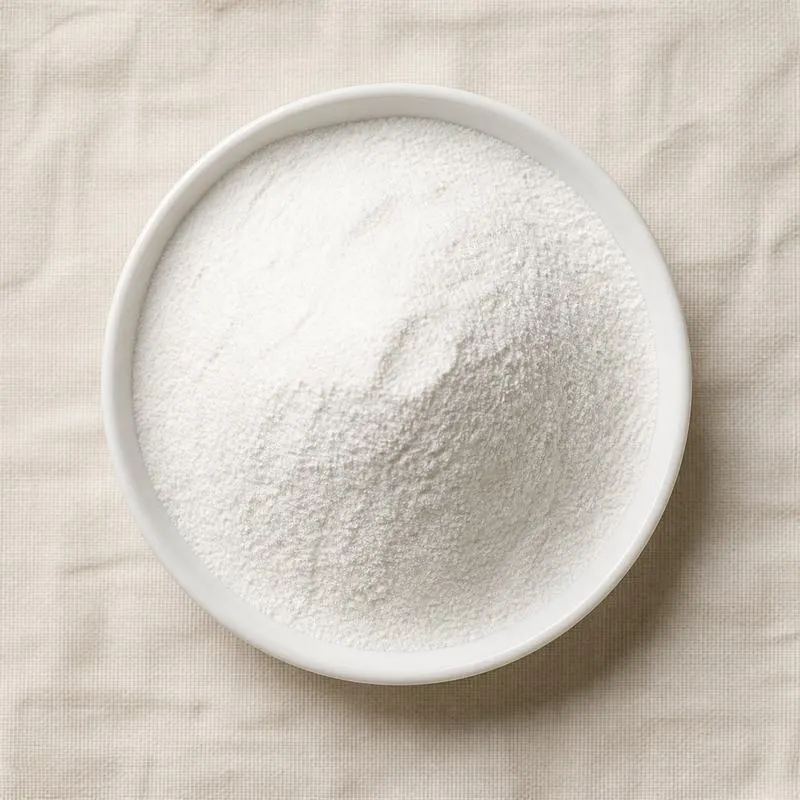
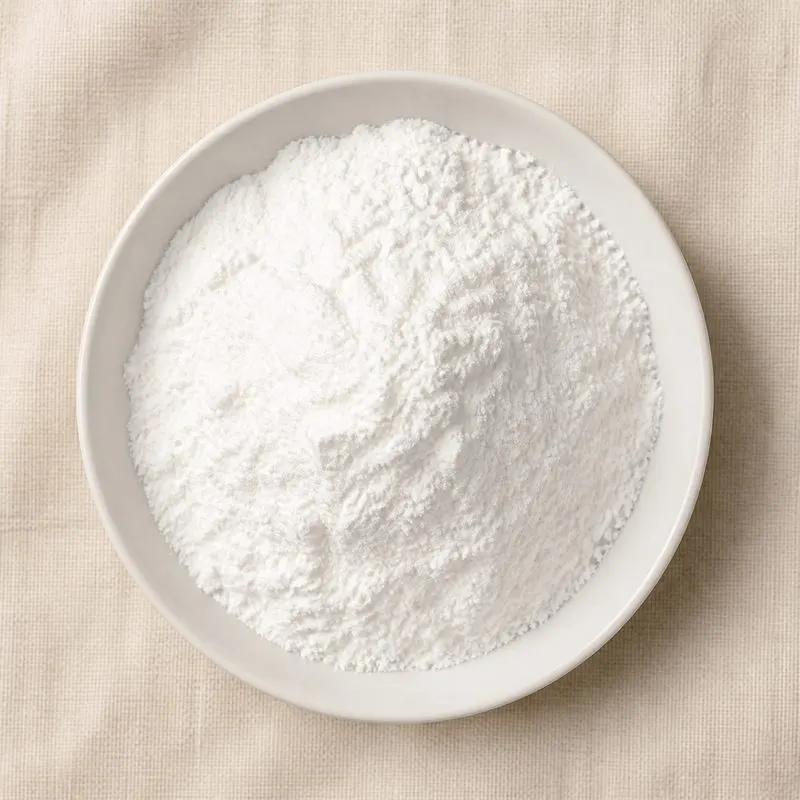
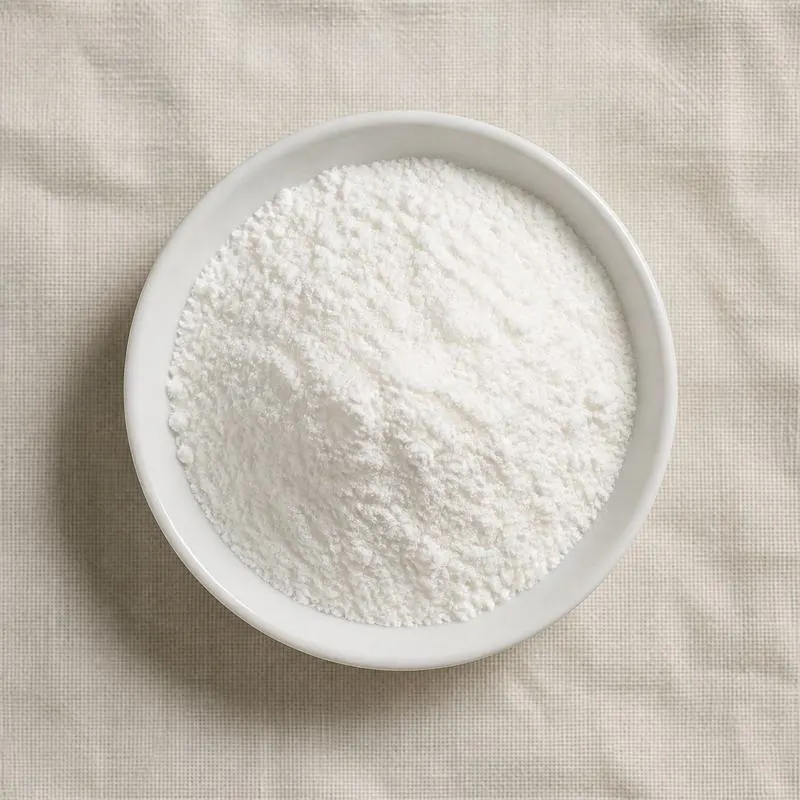
What cross linking does not do is prevent retrogradation. The paste still cools, the chains still re associate, and a cross linked but unsubstituted starch will still cloud and release water in chilled and frozen storage. Where storage stability is also needed the starch is acetylated or hydroxypropylated as well, giving the dual modified acetylated distarch phosphate or hydroxypropyl distarch phosphate. Distarch phosphate is a white to off white free flowing powder that requires heat to swell.
We source bulk Distarch Phosphate from top China manufacturers for our partners. The manufacturers are in Jiangsu. A smaller requirement can ship in a combined container with other ingredients.
Please send the grade you need, the volume and your destination port, and we will come back with a solution and a price.
or call +86-21-6858 0751
- Function
- Texturisers
Specifications
| Item | Specification |
|---|---|
| Appearance | White to off white free flowing powder, free of foreign matter |
| Odour and taste | Bland, no off odour |
| Identification | Iodine stain and granule microscopy conform to starch reference |
| Total starch, dry basis | 97.0 percent minimum |
| Residual phosphate, as phosphorus | 0.14 percent maximum for maize and wheat base |
| Moisture | 14.0 percent maximum |
| Ash, dry basis | 0.6 percent maximum |
| Protein, dry basis | 0.5 percent maximum |
| pH, 10 percent slurry | 4.5 to 7.0 |
| Peak viscosity | Conforms to agreed rapid visco analyser profile |
| Sulphur dioxide | 50 mg/kg maximum |
| Lead | 0.5 mg/kg maximum |
| Arsenic | 0.5 mg/kg maximum |
| Total plate count | 10000 cfu/g maximum |
| Yeast and mould | 500 cfu/g maximum |
| E. coli | Absent in 1 g |
| Salmonella | Absent in 25 g |
Common Markets Grades
Cross linking level is the defining variable and is specified against the severity of the intended process rather than by a chemical number, since regulation holds the residual phosphorus low in any case. Lightly cross linked grades are used where a native starch is nearly adequate and only mild pump and heat tolerance is needed; medium grades cover pasteurised and hot filled products; heavily cross linked grades are made for retorted, acidic and high shear systems, and inhibited grades that scarcely swell are used as bulking agents and moulding starches.
Base starch is the second variable. Waxy maize gives clear cohesive pastes, tapioca a clean flavour and short texture, potato high viscosity, regular maize an opaque, firmer, cheaper paste, and wheat a firm body where a wheat declaration is acceptable. Both cook up granular grades and pregelatinised instant grades are made, the latter hydrating in cold water for dry mix use. Grades are bought commercially against a rapid visco analyser curve showing peak viscosity, breakdown and setback.
Applications
- Retorted and canned soups, sauces and vegetables, where the reinforced granule holds viscosity through sterilisation
- Acidic sauces, dressings and fruit preparations, resisting the acid hydrolysis that thins a native starch at low pH
- Products passing through homogenisers and high shear pumps, where an uncross linked granule would be torn apart
- Soup and sauce bases held hot on a production line or in food service, where prolonged heat would otherwise break the paste down
- Bakery creams and custards processed at high temperature, holding body through the cook
- Canned pet food, surviving retort and giving structure to the gravy or loaf
- Batters and coatings, contributing controlled viscosity development during frying
- Moulding and dusting starch in confectionery, in the heavily inhibited grades that swell very little
- Meat and poultry systems, binding water through cooking without the paste collapsing
China Manufacturers of Distarch Phosphate
Top Distarch Phosphate manufacturers in China.
 NanTong GaoFeng Biotechnology Co., Ltd.10 ingredients in the directory
 Suzhou Gaofeng Biotechnology Co., Ltd.11 ingredients in the directory
Company names and logos are the property of the manufacturers themselves. They are listed here because our own directory records them as producing this ingredient. A listing is not an endorsement by them, and we do not represent them or speak on their behalf.
Regulatory Status
In the United States, 21 CFR 172.892 permits distarch phosphate as a food starch modified, lists sodium trimetaphosphate and phosphorus oxychloride among the permitted treatment agents, sets limits on their use and caps the residual phosphate in the finished starch. It is declared on United States labels as modified food starch or food starch modified rather than by its chemical name.
In the European Union it is authorised as E 1412, distarch phosphate, under the food additives framework and is permitted quantum satis across most food categories, with purity criteria including a residual phosphate limit expressed as phosphorus set out in the specifications regulation. As a chemically modified starch it must be declared as a food additive rather than simply as starch. Monostarch phosphate, in which the phosphate is attached at a single point rather than as a bridge, is a separate additive at E 1410 and is not interchangeable. JECFA has evaluated the modified starches as a group and maintains a specification monograph for distarch phosphate, and Codex lists it among the permitted additives in the General Standard for Food Additives.
Manufacturing Process
Native starch, commonly waxy maize, tapioca, potato, regular maize or wheat, is slurried in water at around 35 to 40 percent solids and the pH is raised to about 10 to 11 with sodium hydroxide, since the cross linking reagents react with the alkoxide form of the starch hydroxyl. Sodium sulphate or sodium chloride is dosed in to raise the ionic strength and suppress granule swelling, and the reaction is run below the gelatinisation temperature so that the starch stays granular and can be filtered off afterwards.
The cross linking reagent is sodium trimetaphosphate, or phosphorus oxychloride, or a combination of sodium trimetaphosphate and sodium tripolyphosphate. Each forms a diester linkage joining hydroxyl groups on two different starch chains. Phosphorus oxychloride reacts quickly and is metered in over minutes; the trimetaphosphate route is slower and may be run over several hours at slightly elevated temperature. The extent of reaction is followed by drawing samples and running a viscosity curve, since the property being bought is process tolerance rather than a chemical assay. When the target is reached the slurry is neutralised with dilute hydrochloric or sulphuric acid and washed on a countercurrent hydrocyclone battery or a rotary vacuum filter train to remove salts, unreacted reagent and monoester phosphate. The washed cake is dewatered and flash dried in hot air, then cooled, milled, sieved, passed over a magnet and metal detector and packed.