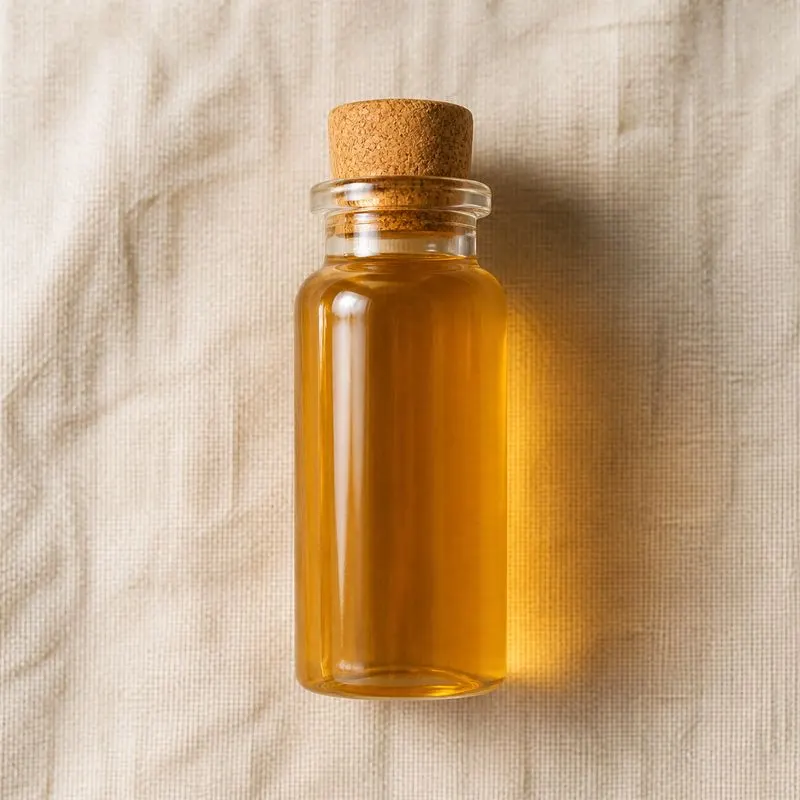
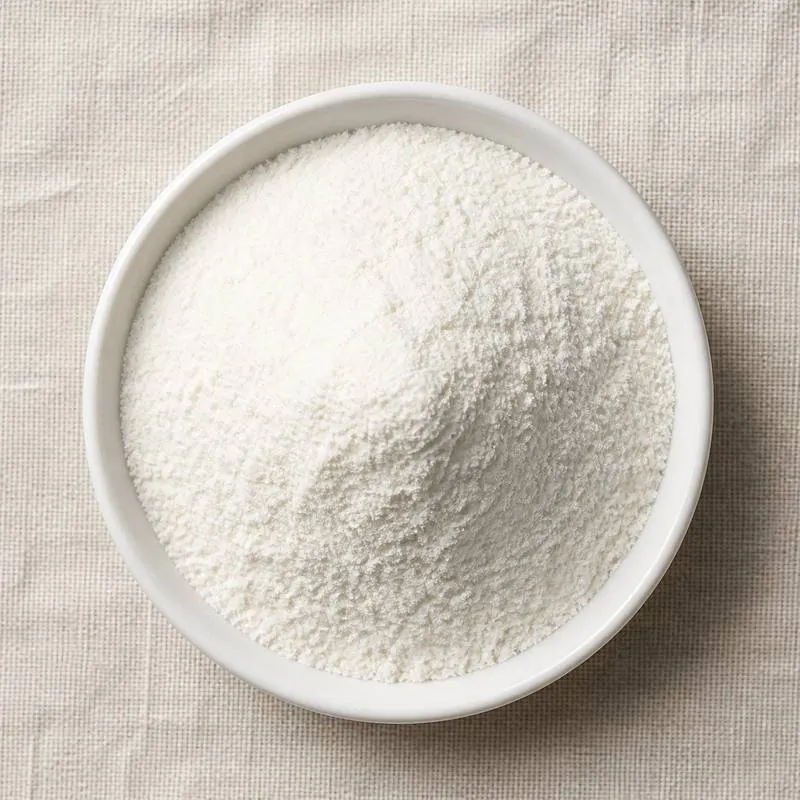
Distilled Glycerin Monostearate Dmg95,gms99 E471
Distilled glycerin monostearate is the purified monoester of glycerol and stearic acid, produced by molecular distillation of a glycerolysis reaction mixture so that the monoester is separated from the diester, triester and free glycerol that accompany it. The grade designations used in trade, DMG95 and GMS99 among them, refer to the minimum monoglyceride assay, so a DMG95 grade carries at least 95 percent monoester and the highest commercial grades approach 99 percent. It is covered by the European food additive number E471.
Purity is the whole point of the distilled grades. A monoglyceride molecule carries two free hydroxyl groups and one long saturated chain, and it is that structure which hydrates into the alpha crystalline mesophase that protects air bubbles in a cake batter and complexes with amylose to keep bread crumb soft. Diesters and triesters do not form that mesophase and dilute the effect, so raising the monoester assay raises functional performance per unit dosed rather than merely raising the assay figure.
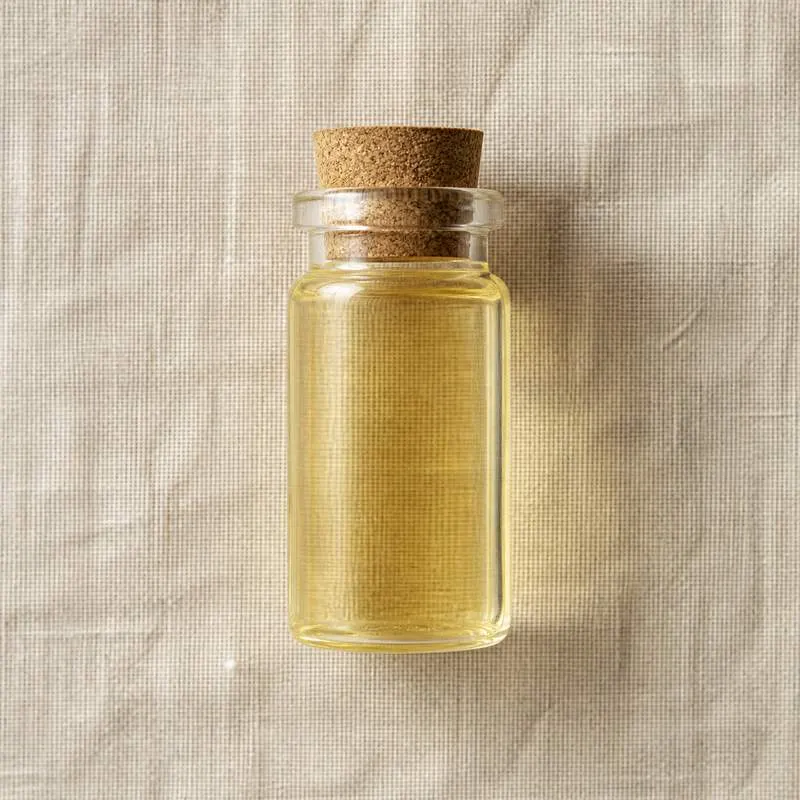
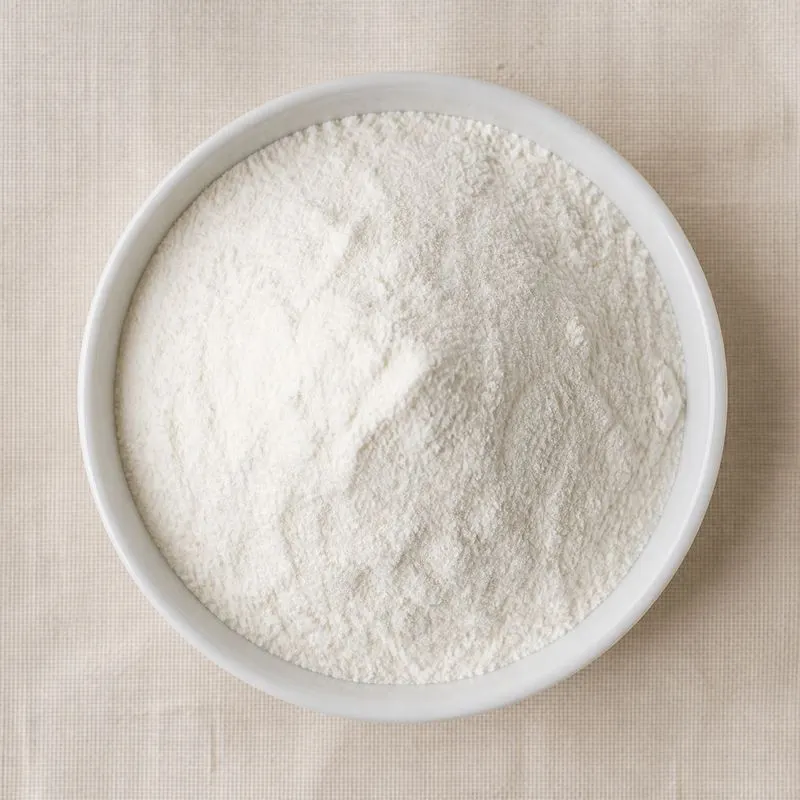
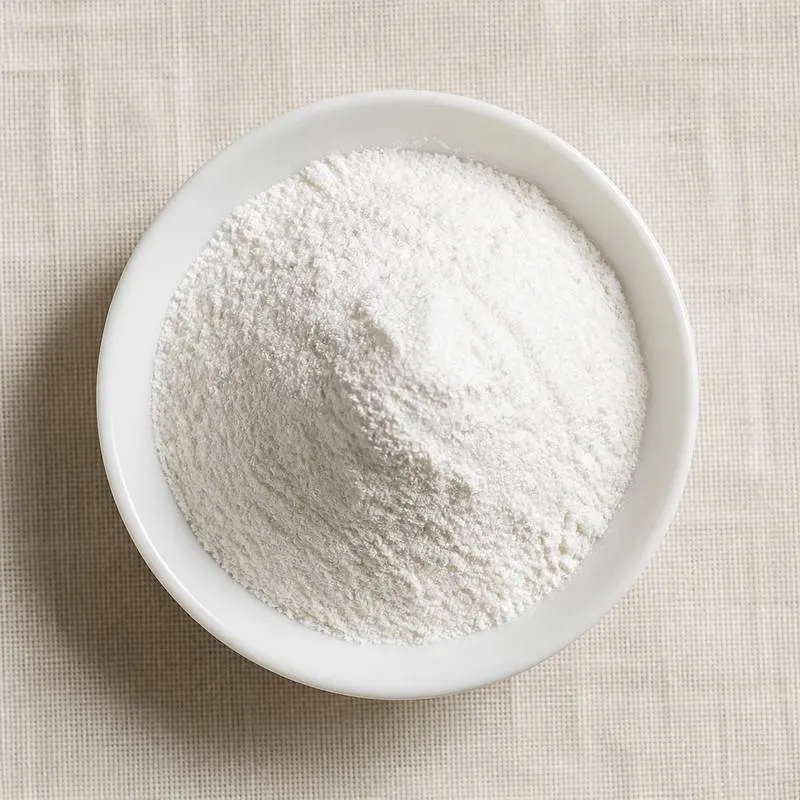
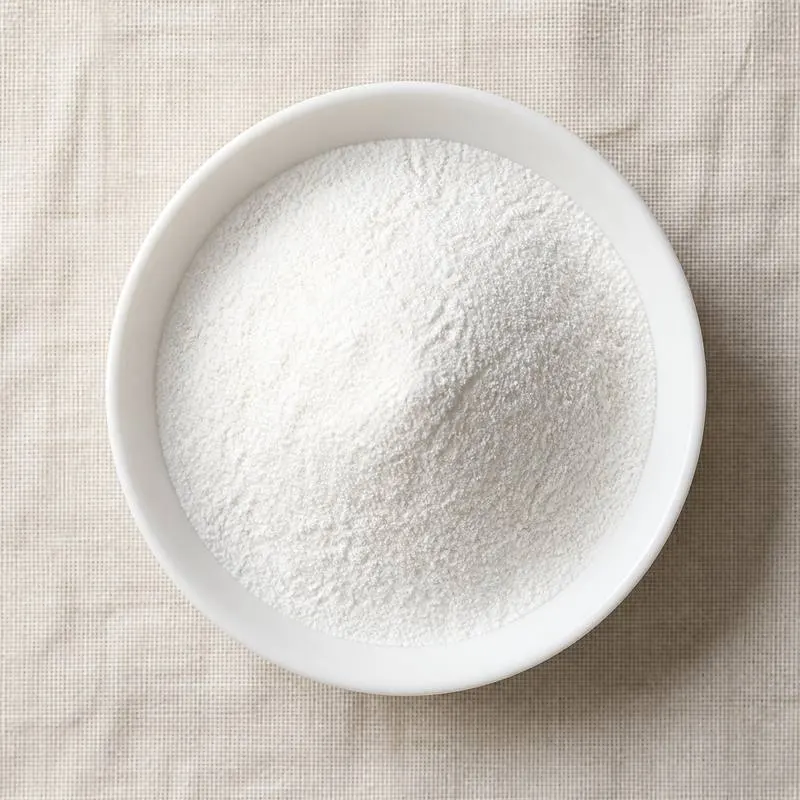
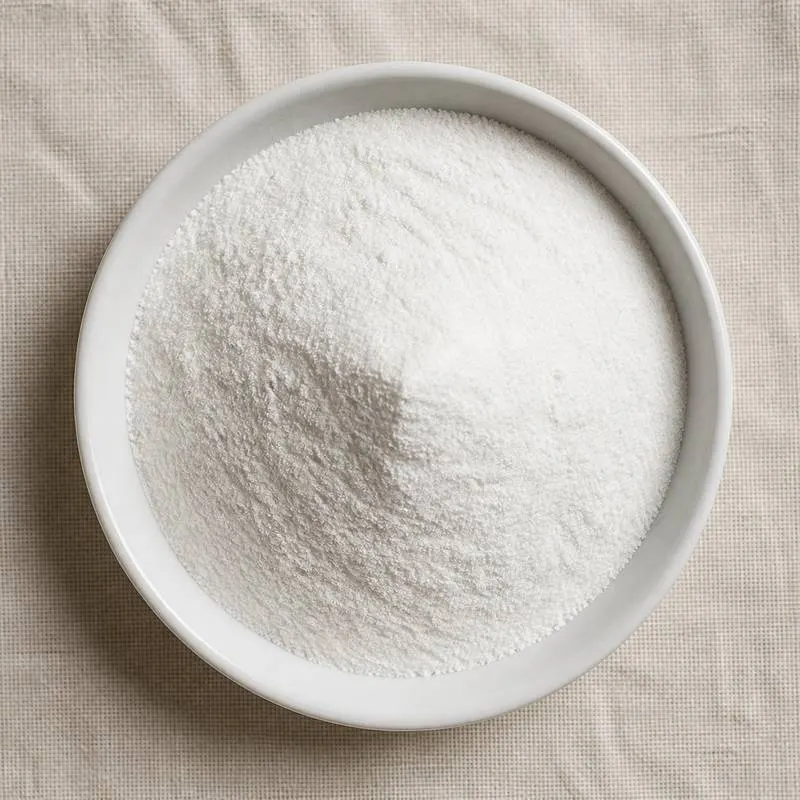
The material comes as white to ivory beads, powder, flakes or fine pastilles, with a melting range around 65 to 70 degrees Celsius for the fully hydrogenated stearic grades and a bland fatty odour. It is insoluble in cold water and disperses only under shear or above its melting point, is soluble in hot ethanol and in oils, and holds its active alpha crystalline form best when stored cool and dry.
We source bulk Distilled Glycerin Monostearate Dmg95,gms99 E471 from top China manufacturers for our partners. The manufacturer is in Guangdong. A smaller requirement can ship in a combined container with other ingredients.
Please send the grade you need, the volume and your destination port, and we will come back with a solution and a price.
or call +86-21-6858 0751
- Function
- Emulsifier
Specifications
| Item | Specification |
|---|---|
| Appearance | White to ivory bead, powder, flake or pastille |
| Odour | Bland and fatty, free from rancid notes |
| Identification | Conforms to the monoglyceride profile by gas chromatography |
| Monoglyceride content | ≥ 95.0% for DMG95 grade |
| Free glycerol | ≤ 1.0% |
| Acid value | ≤ 3.0 mg KOH/g |
| Iodine value | ≤ 3.0 g I₂/100 g |
| Saponification value | 155 to 175 mg KOH/g |
| Melting point | 65 to 70 °C |
| Loss on drying | ≤ 1.0% |
| Sulphated ash | ≤ 0.5% |
| Lead | ≤ 2 mg/kg |
| Arsenic | ≤ 3 mg/kg |
| Total plate count | ≤ 1000 cfu/g |
Common Markets Grades
The primary grade axis is monoester assay. Grades at 40 to 60 percent are the undistilled glycerolysis products sold as mono and diglycerides, grades at 90 percent are the standard distilled material used across baking and dairy, grades at 95 percent are used where dosage economy or a clean flavour profile matters, and the highest grades near 99 percent are sold for pharmaceutical and specialist food use. Iodine value separates fully hydrogenated grades, which are saturated, hard and stable, from partially hardened grades that are softer and less oxidatively stable.
Physical form is the second axis. Beads and pastilles are chosen for free flow and dust control, powders for dry mixes where fast dispersion in flour is needed, flakes for bulk melting, and hydrated pastes and gels for direct addition to wet systems. The fatty acid source, fully hydrogenated palm or soybean, is specified for kosher, halal, vegetable origin and sustainability declarations, and the pharmaceutical grades are additionally held to pharmacopoeial identity and residual impurity limits.
Applications
- Bread and buns, complexing with amylose to slow crumb firming through shelf life
- Cake batters and cake gels, forming the hydrated alpha crystal layer that stabilises whipped air cells
- Margarine and shortening, controlling fat crystal size and giving a plastic workable consistency
- Ice cream and frozen desserts, promoting the controlled partial coalescence that gives dryness on extrusion
- Non dairy creamers and whipped toppings, stabilising the fat emulsion through spray drying and reconstitution
- Chewing gum base, acting as a softener and plasticiser
- Instant noodles and starch products, reducing stickiness and cooking loss through starch complexing
- Peanut butter and nut spreads, limiting oil separation on standing
- Pharmaceutical tablets and softgel formulations, used as a lubricant, binder and lipid carrier
- Plastics and cosmetics processing, where the same material serves as an antistatic agent and emollient
China Manufacturers of Distilled Glycerin Monostearate Dmg95,gms99 E471
Top Distilled Glycerin Monostearate Dmg95,gms99 E471 manufacturers in China.
Company names and logos are the property of the manufacturers themselves. They are listed here because our own directory records them as producing this ingredient. A listing is not an endorsement by them, and we do not represent them or speak on their behalf.
Regulatory Status
In the United States the Food and Drug Administration affirms mono and diglycerides, including distilled glycerol monostearate, as generally recognised as safe and lists them at 21 CFR 184.1505 for use as emulsifiers in food under good manufacturing practice. Identity and purity in commerce follow the Food Chemicals Codex monograph for mono and diglycerides, which sets monoester assay, free glycerol, acid value and residue limits, while pharmaceutical grades follow the relevant pharmacopoeial monograph for glyceryl monostearate.
In the European Union the material is authorised as food additive E471, mono and diglycerides of fatty acids, under the food additives regulation, and is permitted at quantum satis across most food categories, with purity criteria including free glycerol, sulphated ash and heavy metal limits set out in the additive specifications regulation. JECFA has evaluated mono and diglycerides of fatty acids and maintains a specification monograph, and the substance appears in the Codex General Standard for Food Additives under the emulsifier, stabiliser and anti foaming functions.
Manufacturing Process
Production begins with glycerolysis. Fully hydrogenated vegetable oil, usually palm or soybean stearin, is reacted with excess glycerol at 200 to 250 degrees Celsius under nitrogen with an alkaline catalyst such as sodium or calcium hydroxide. The fatty acids redistribute between the glycerol molecules, and the reaction is quenched and neutralised once the equilibrium mixture, typically 40 to 60 percent monoester with the balance di and triester plus unreacted glycerol, has been reached.
The crude mixture is then purified by molecular distillation. Free glycerol is stripped first under vacuum, and the dried melt is fed as a thin film onto the heated surface of a short path or wiped film evaporator operating at high vacuum and around 200 degrees Celsius. Because the monoester is markedly more volatile than the diester and triester, it evaporates and is caught on an internal condenser only a short distance away, which keeps the residence time at high temperature to a few seconds and limits thermal damage. Multiple passes raise the assay towards the highest grades. The distillate is cooled, then converted to its final physical form by spray cooling into beads, solidification on a flaking drum or pastillation on a rotoformer, and is milled and screened before packing under low humidity.