Edible Casein
Edible Casein is acid casein produced under food-grade conditions and sold for direct use in food, nutritional, and pharmaceutical applications.
It is a high-protein milk derivative with a minimum protein content above 90 percent on a dry basis, low fat, low lactose, and tightly controlled microbiological quality. The material is essentially insoluble in water at neutral pH and is selected for applications that take advantage of its slow hydration behaviour or that use it as a starting point for further processing into caseinates and hydrolysates.
We source bulk Edible Casein from top China manufacturers for our partners. The manufacturer is in Gansu. A smaller requirement can ship in a combined container with other ingredients.
Please send the grade you need, the volume and your destination port, and we will come back with a solution and a price.
or call +86-21-6858 0751
- Packaging
- 25 kg kraft paper bag with PE inner liner
- ISO 9001
- HACCP
- Halal
- Kosher
Specifications
| Item | Specification |
|---|---|
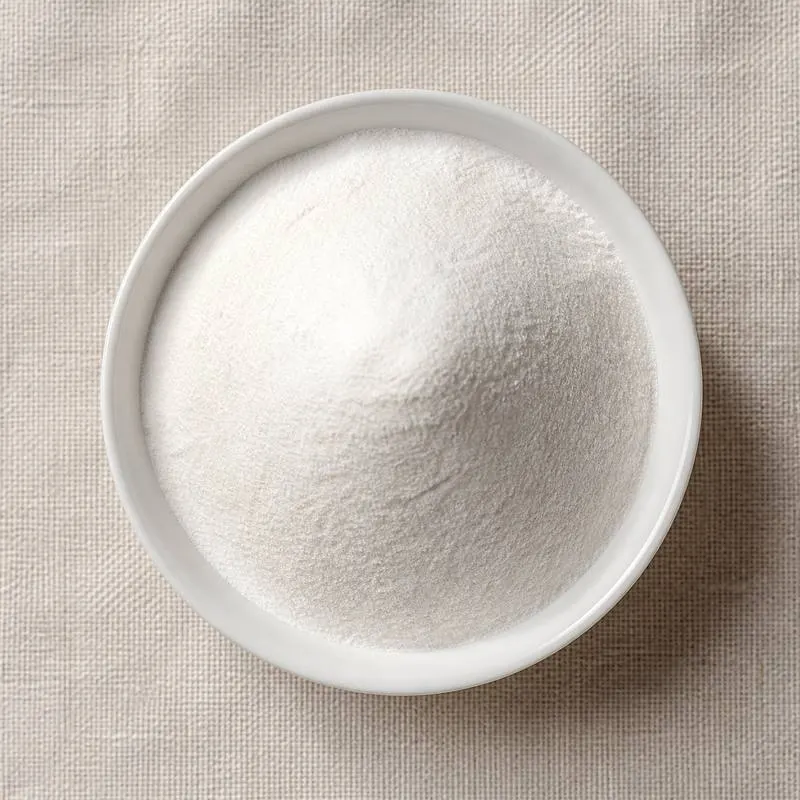
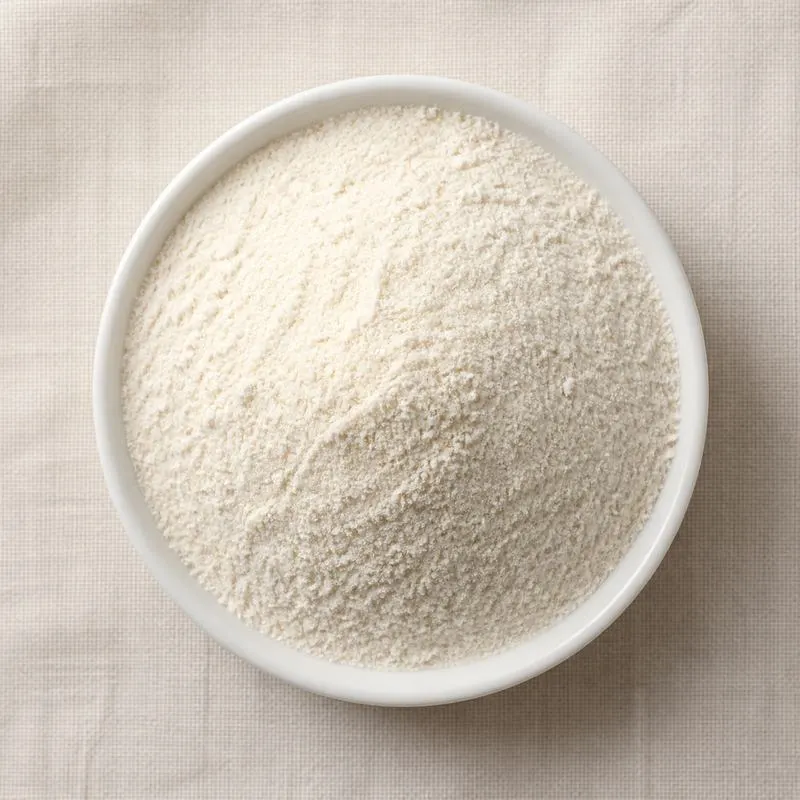
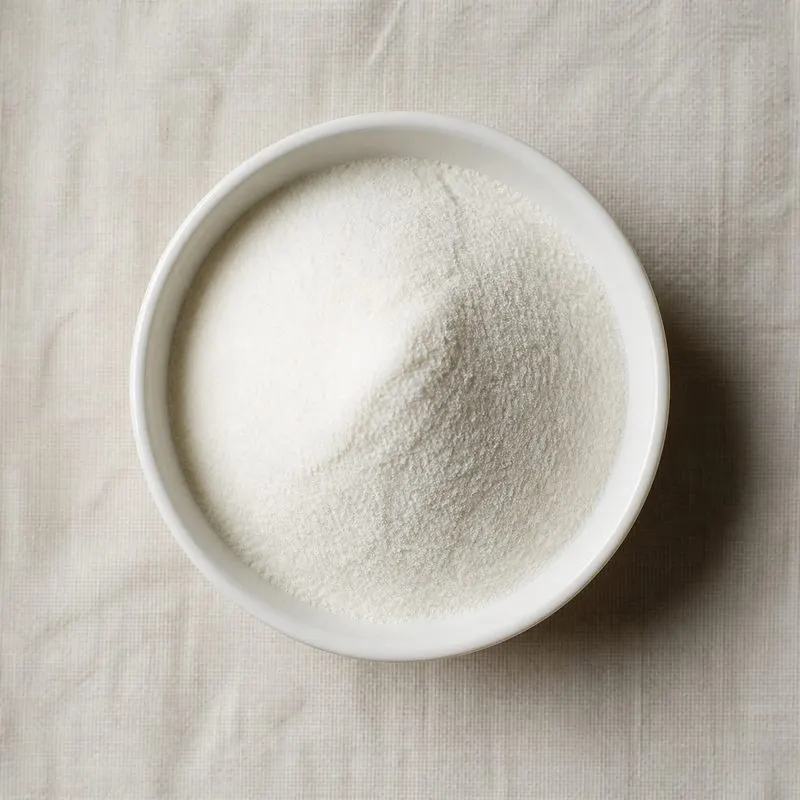
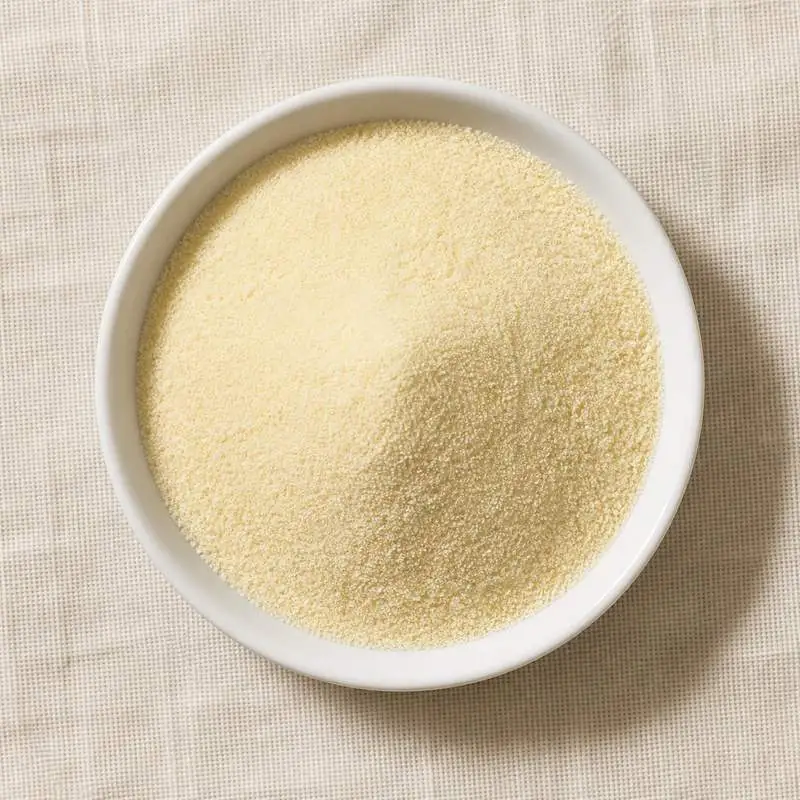
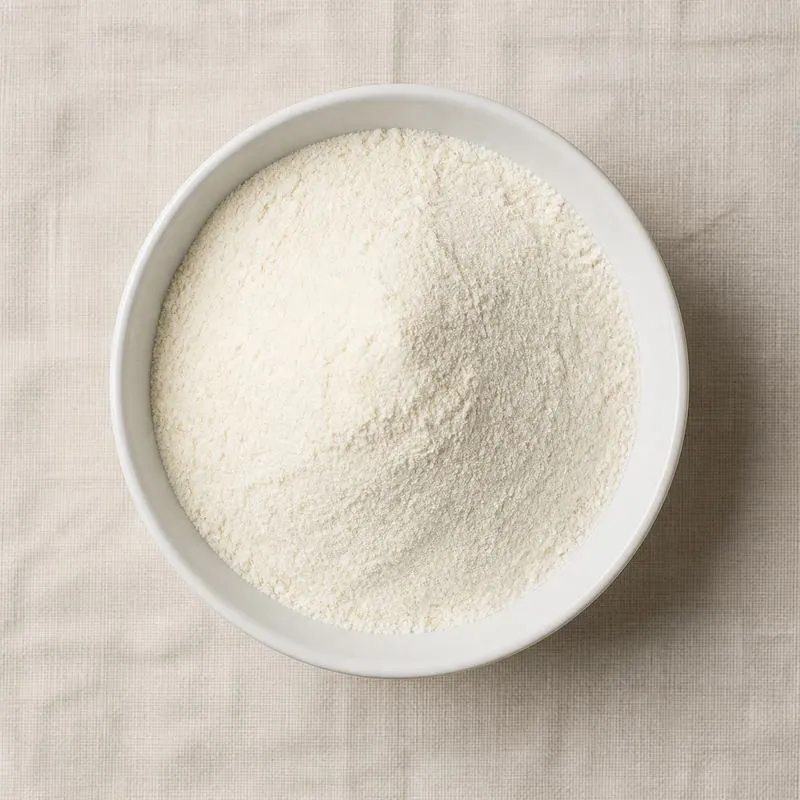
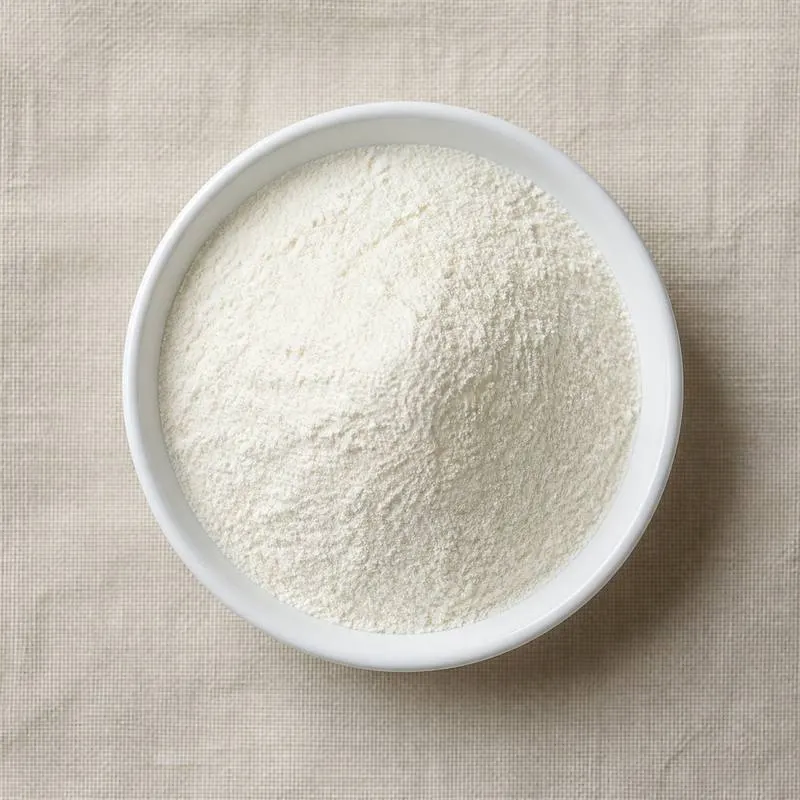
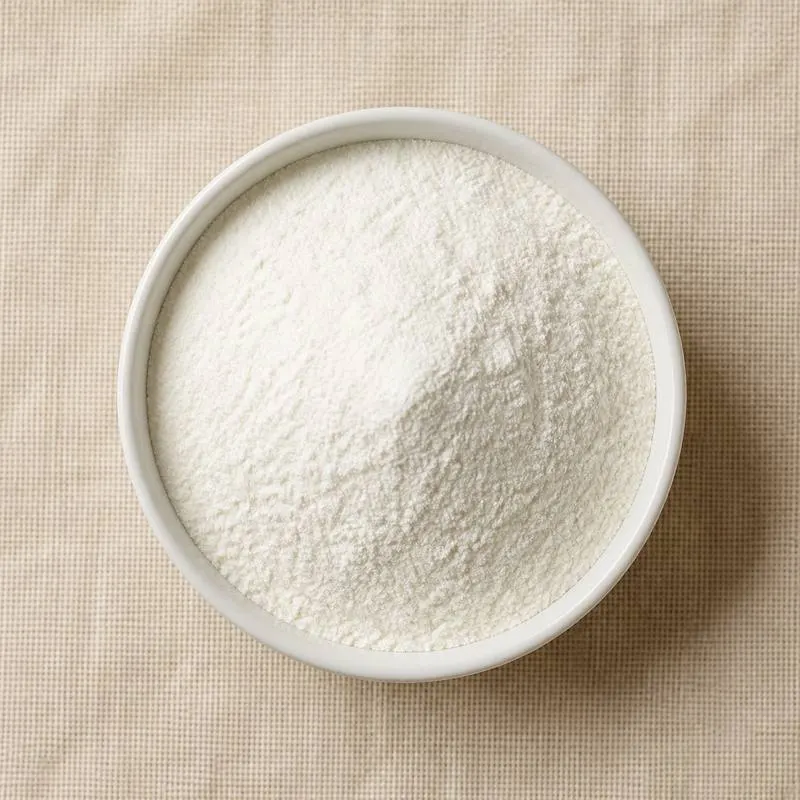
| Appearance | White to cream free-flowing powder |
| Protein (dry basis, N×6.38) | ≥90% |
| Moisture | ≤10% |
| Fat | ≤2.0% |
| Ash | ≤2.5% |
| Lactose | ≤1.0% |
| pH (10% sol.) | 4.3–4.8 |
| Free Acid (ml 0.1N NaOH/g) | ≤0.27 |
| Heavy Metals (as Pb) | ≤2 mg/kg |
| Total Plate Count | ≤30,000 cfu/g |
| Coliforms | Negative in 0.1g |
| Salmonella | Absent in 25g |
Common Markets Grades
Edible casein is classified by the precipitating acid. Hydrochloric acid casein and sulphuric acid casein are the dominant edible types in international trade. Lactic acid casein, produced by fermentation, is preferred for some traditional cheese-analog and bakery applications.
Particle-size cuts include fine mesh for fast hydration, medium mesh for general food use, and coarse mesh for downstream caseinate production where controlled dissolution rate is desired.
Premium nutritional grades meet stricter heavy-metal, microbiological, and sensory specifications, and routinely come with full certificates of analysis covering protein content, ash, lactose, fat, moisture, and acid carryover.
Pharmaceutical grades follow the relevant pharmacopoeial monographs for casein and are released against the identity and purity tests those monographs set.
Applications
- Raw material for sodium, calcium, potassium, and ammonium caseinate manufacture
- Feedstock for casein hydrolysates, casein phosphopeptides, and bioactive peptide production
- Cheese analogs and processed-cheese systems for body, melt, and texture
- Imitation cheese and pizza-topping formulations for shred and stretch
- High-protein nutritional bars and powders where slow protein hydration is desired
- Clinical-nutrition formulas for tube feeding and oral supplements
- Pharmaceutical tablet binder and excipient applications
- Bakery products requiring crumb-structure and crust-colour modification
- Infant and follow-on nutrition products where casein-derived ingredients are needed
- Sports-nutrition products positioned around slow-release dairy protein
China Manufacturers of Edible Casein
Top Edible Casein manufacturers in China.
Company names and logos are the property of the manufacturers themselves. They are listed here because our own directory records them as producing this ingredient. A listing is not an endorsement by them, and we do not represent them or speak on their behalf.
How We Help Source Edible Casein
Direct Factory Sourcing
We run the whole process: selecting the manufacturer from the top Chinese food ingredient producers, negotiating the price, verifying quality, and coordinating the logistics. You deal with us instead of with several factories at once.
Original Packaging and Documents from the Manufacturer
The manufacturer sends your Edible Casein out of its own factory in the original packing, through to your destination port. The COA, COO, MSDS, TDS and any certifications reach you from the manufacturer as well.
Free Samples and Lead Time
We send 100 to 500 g free for your own laboratory to test and you cover only the courier, usually within 2 to 3 working days. ETD is usually within 7 to 15 days once the order is confirmed, and we check that date against the factory's own manufacturing schedule before we give it to you.
Combined Shipment
We can load Edible Casein together with other ingredients such as Collagen Peptide, Soy Protein Isolate and Fish Collagen Peptide into one 20' FCL. If your quantity is small, we can also ship LCL.
Regulatory Status
Edible casein is recognised as a food ingredient in essentially every regulated market. In the United States it falls under FDA regulations for milk-derived ingredients and may be used in foods consistent with its standards of identity.
In the European Union the directive on caseins and caseinates intended for human consumption governs it and sets compositional and microbiological standards for edible casein, edible caseinates, and the ingredients used in their production.
Pharmacopoeial monographs for casein appear in major pharmacopoeias and support its use as a pharmaceutical excipient and clinical-nutrition raw material.
Milk-allergen labelling is required in finished products. Halal and Kosher certifications are widely available because the milk source, the precipitating acids, and the wash water are compatible with both standards when properly sourced.
Manufacturing Process
Production begins with fresh pasteurised skim milk delivered to the casein plant under cold-chain conditions. Milk quality at intake directly decides the final casein quality.
The skim milk is warmed and acidified to pH 4.6, the isoelectric point of casein. Acidification is performed with food-grade hydrochloric acid, sulphuric acid, or by lactic-acid fermentation, depending on the target grade.
The resulting soft curd is separated from the whey by decanter centrifuge or by mechanical screen. The curd is then washed several times with fresh potable water to remove whey proteins, lactose, mineral salts, and the precipitating acid. Wash efficiency is critical because residual lactose can promote browning during drying and downstream processing.
The washed curd is mechanically pressed to remove free water and dried in a ring dryer, attrition dryer, or fluid bed under controlled temperature so that the protein retains its native functional behaviour.
The dried curd is milled to the target particle-size distribution, blended for uniformity, and packaged in lined paper bags or bulk bags for food and pharmaceutical customers.