Egg White Protein
Egg white protein is the dried protein of hen egg albumen, a powder of roughly 80 to 90 percent protein with almost no fat or carbohydrate. It is a complete protein containing all the indispensable amino acids in a favourable balance and is one of the reference proteins against which the biological value of other food proteins has historically been measured.
The protein fraction is a defined mixture rather than a single species. Ovalbumin accounts for a little over half of it, with ovotransferrin, ovomucoid, ovomucin, lysozyme and a group of minor proteins making up the rest, and the functional behaviour of the ingredient follows from that mixture. Ovalbumin denatures and coagulates on heating from around 62 degrees Celsius, which gives the gelling behaviour, and the surface active proteins unfold at the air water interface to build the dense stable foam that egg white is bought for.
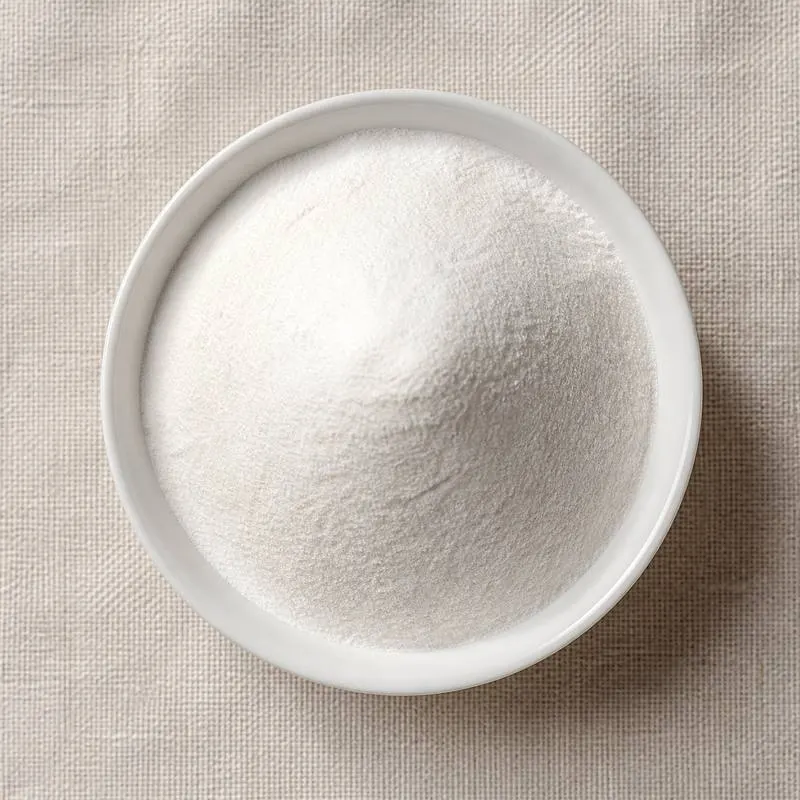
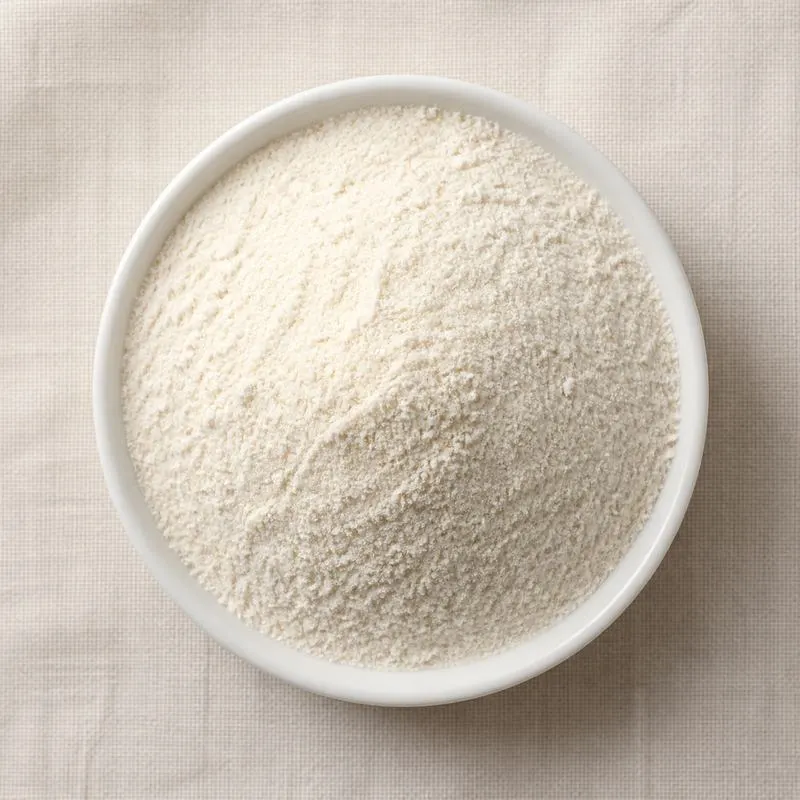
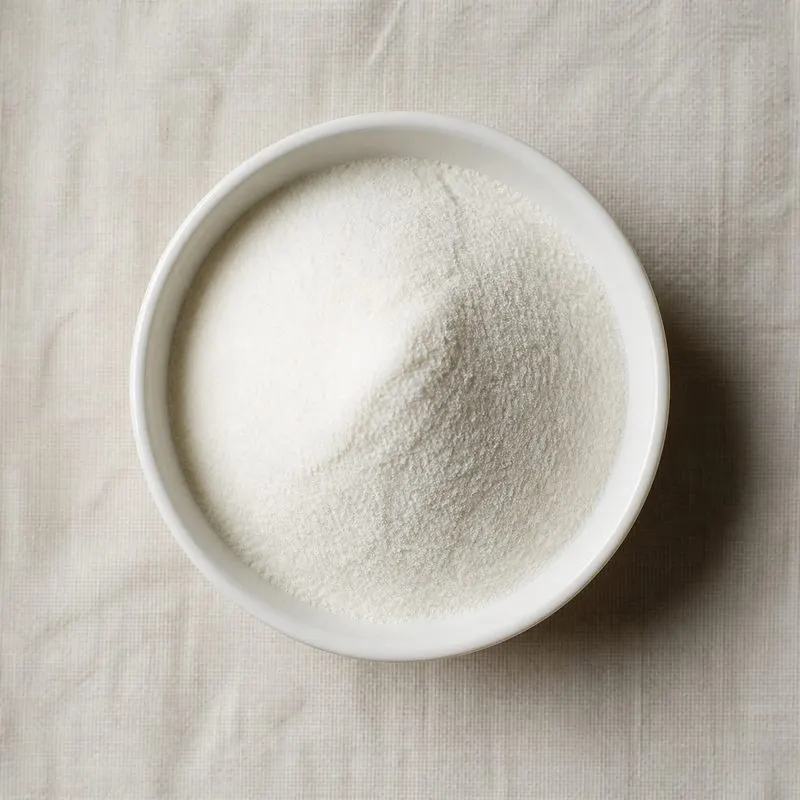
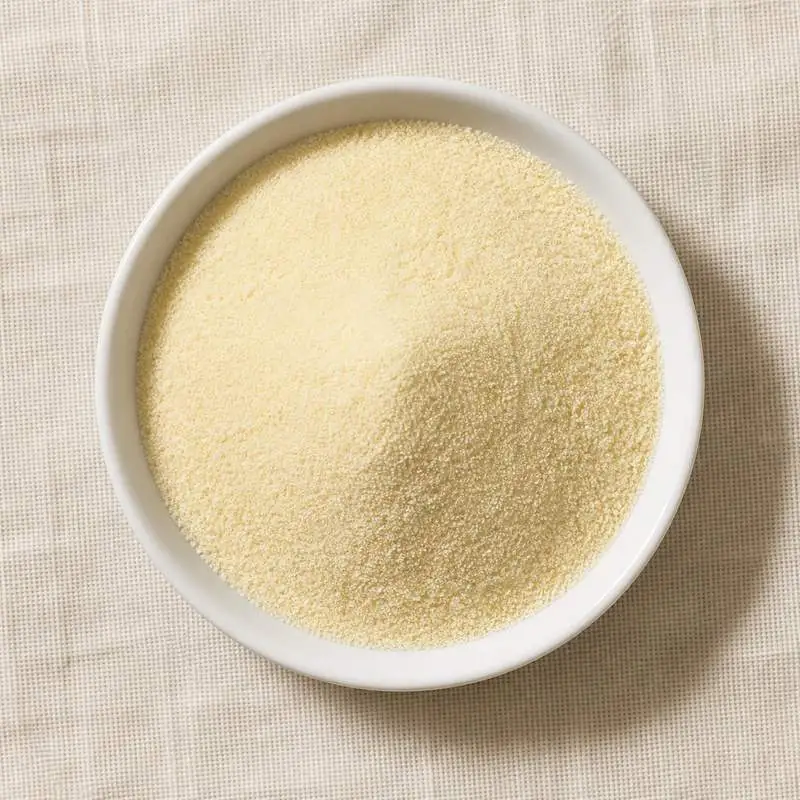
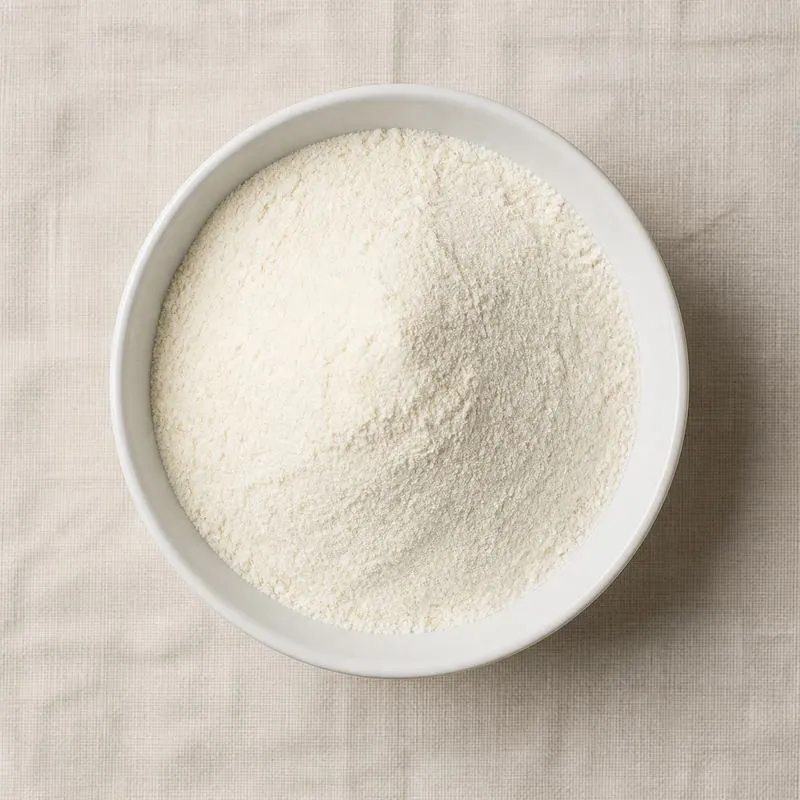
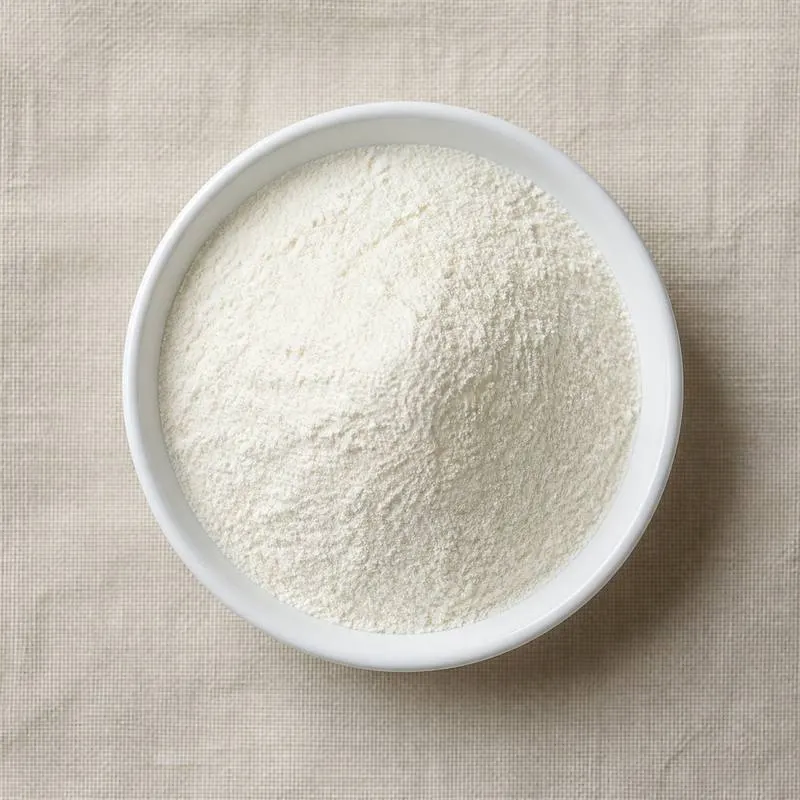
It is a white to pale cream powder that reconstitutes at about one part powder to seven parts water. Solubility depends heavily on how gently it was dried, so grades sold as sports nutrition protein are made to a higher solubility specification than bakery grades. Fat contamination from yolk carryover ruins whipping performance even at trace levels, which is why yolk separation efficiency decides the value of the raw material.
We source bulk Egg White Protein from top China manufacturers for our partners. The manufacturer is in Jilin. A smaller requirement can ship in a combined container with other ingredients.
Please send the grade you need, the volume and your destination port, and we will come back with a solution and a price.
or call +86-21-6858 0751
- Function
- Protein
Specifications
| Item | Specification |
|---|---|
| Appearance | White to pale cream free flowing powder |
| Odour and Taste | Characteristic mild egg odour, bland taste |
| Protein (as is, N x 6.25) | Not less than 82.0 percent |
| Moisture | Not more than 8.0 percent |
| Fat | Not more than 0.2 percent |
| Ash | Not more than 6.0 percent |
| Residual Glucose | Not more than 0.1 percent |
| pH (10 percent solution) | 6.5 to 9.5 |
| Solubility | Not less than 92.0 percent |
| Foam Volume | Conforms to reference for whipping grades |
| Gel Strength | Conforms to reference for gelling grades |
| Lead | Not more than 0.1 mg/kg |
| Total Plate Count | Not more than 25000 cfu/g |
| Enterobacteriaceae | Not more than 10 cfu/g |
| Yeast and Mould | Not more than 100 cfu/g |
| Staphylococcus aureus | Negative in 1 g |
| Salmonella | Negative in 25 g |
Common Markets Grades
The primary split is between functional grades sold for what the protein does in a food and nutritional grades sold for the protein itself. Functional grades are specified on whip performance, foam stability and gel strength, and include high whip and high gel variants made by adjusting the pH and the heat history during processing. Nutritional grades are specified on protein content, solubility and flavour, and are the material that goes into protein powders and bars, where at 82 to 88 percent protein they compete with dairy and plant proteins on amino acid profile and on being dairy free.
Physical format is the second axis. Spray dried powder is the standard, instantised and agglomerated versions are made for cold water dispersion in shaker bottles, and flake or granular albumen is a separate presentation for bakery use. Hydrolysed egg white, cut enzymatically into peptides, is a further item that dissolves clear and no longer foams or gels. All food grades are desugared before drying and hot room treated afterwards, and organic and cage free declarations follow the shell egg supply.
Applications
- Protein powders and ready to mix shakes, as a dairy free complete protein
- Protein bars, where egg white contributes protein with less texture hardening than some alternatives
- Meringue, marshmallow and aerated confectionery, using the foaming grades
- Angel food and sponge cakes, for both aeration and set structure
- Surimi, fish balls and processed meat, where the gelling protein firms the bite and improves slicing
- Bakery glazes and royal icing, where the protein dries to a hard film
- Clinical and hospital nutrition, as a highly digestible protein for patients avoiding dairy
- Sports gels and high protein beverages, using hydrolysed grades that stay clear
- Wine and juice fining, where albumen flocculates tannin and haze
- Pet food and feed, as a digestible binder and protein source
Brands Using Egg White Protein
Widely-distributed consumer products that list Egg White Protein on the ingredient label.
- Naked NutritionNaked Egg Egg White Protein Powder 3 lb ↗Single ingredient powder made from non GMO chicken egg whites, processed into egg white protein powder within a day of the eggs being collected.Label verified 2026-08-31
- Naked NutritionNaked Protein Egg, Whey and Casein Blend 3 lb ↗Protein blend in which 3 grams per serving comes from egg white protein powder, combined with grass fed whey and micellar casein.Label verified 2026-08-31
Brand names, product names and logos are the property of their owners. They appear here as published evidence that the ingredient is used, taken from the brand's own label or website. Their appearance is not an endorsement, and it does not mean the brand buys from us or from any manufacturer listed on this site.
China Manufacturers of Egg White Protein
Top Egg White Protein manufacturers in China.

Company names and logos are the property of the manufacturers themselves. They are listed here because our own directory records them as producing this ingredient. A listing is not an endorsement by them, and we do not represent them or speak on their behalf.
Regulatory Status
In the United States dried egg white is an egg product regulated by the Food Safety and Inspection Service of the Department of Agriculture under the Egg Products Inspection Act, which requires continuous inspection of the processing establishment, mandates pasteurisation of the liquid and prescribes the treatment applied to dried albumen. Standards exist for dried egg white covering composition and any permitted whipping aid, which must be declared. Egg is a major food allergen requiring declaration, and protein products sold as supplements fall additionally under the dietary supplement framework with its labelling and manufacturing practice requirements.
In the European Union dried egg products are covered by the hygiene rules for food of animal origin, which set requirements for egg breaking centres, prohibit the use of cracked or incubated eggs and require heat treatment of the liquid. Imports must come from listed establishments in approved third countries. Egg is a listed allergen under the food information regulation. Protein and amino acid claims are regulated under the nutrition and health claims regulation, which sets the conditions for a source of protein or high protein claim. Codex maintains a code of hygienic practice for eggs and egg products alongside the general standard for contaminants, and these are the references used in international trade.
Manufacturing Process
Shell eggs are washed, candled and broken mechanically, and the white is separated from the yolk with the separation efficiency monitored closely, since yolk lipid carried into the albumen suppresses foaming. The liquid white is filtered to remove chalazae and shell fragments and cooled while it is held for testing. It is then desugared, an operation specific to albumen drying: the roughly 0.4 percent glucose naturally present would otherwise react with the protein during storage, browning the powder and destroying its solubility, so it is removed by controlled fermentation with yeast or lactic bacteria or enzymatically with glucose oxidase and catalase.
The desugared liquid is pasteurised within the narrow time and temperature window albumen tolerates before it starts to coagulate, then dried. Spray drying at a low inlet temperature gives the powder used for nutritional and instant grades, while pan or belt drying gives flake and granular material. Nutritional grades may be concentrated by ultrafiltration before drying to raise the protein content of the finished powder. After drying, the albumen is hot room treated, held sealed at elevated temperature for several days to reduce the microbial load without wetting the product, then sieved, tested for functional performance and microbiology, and packed with a moisture barrier.