Glucose Oxidase
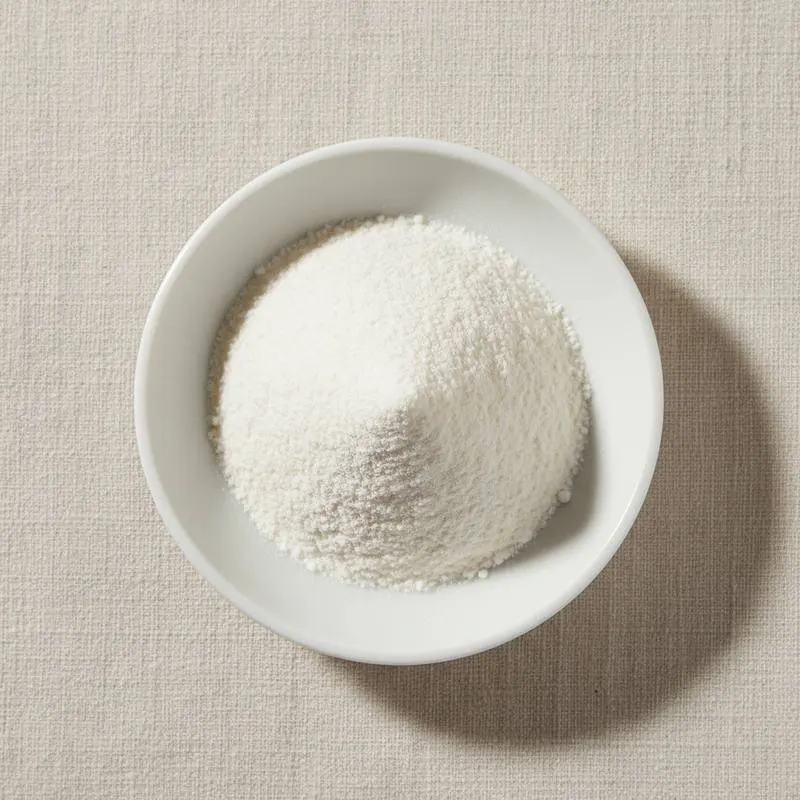
Glucose Oxidase, often abbreviated GOX, is a flavoprotein oxidoreductase that converts β-D-glucose into D-gluconolactone with concurrent reduction of molecular oxygen to hydrogen peroxide.
The enzyme is classified as EC 1.1.3.4 and is produced industrially by submerged fermentation of Aspergillus niger. It is the enzyme behind glucose sensing strips for diabetes care and behind dough strengthening in industrial bakeries.
We source bulk Glucose Oxidase from top China manufacturers for our partners. The manufacturer is in Guangdong. For this ingredient the minimum order is 100 kg, and a smaller requirement can ship in a combined container with other ingredients.
Please send the grade you need, the volume and your destination port, and we will come back with a solution and a price.
or call +86-21-6858 0751
- Minimum order
- 100 kg
- Packaging
- 20 kg fibre drum with double PE liner
- ISO 9001
- HACCP
- Halal
- Kosher
Specifications
Grades / Types Available: Animal Feed Grade
| Item | Specification |
|---|---|
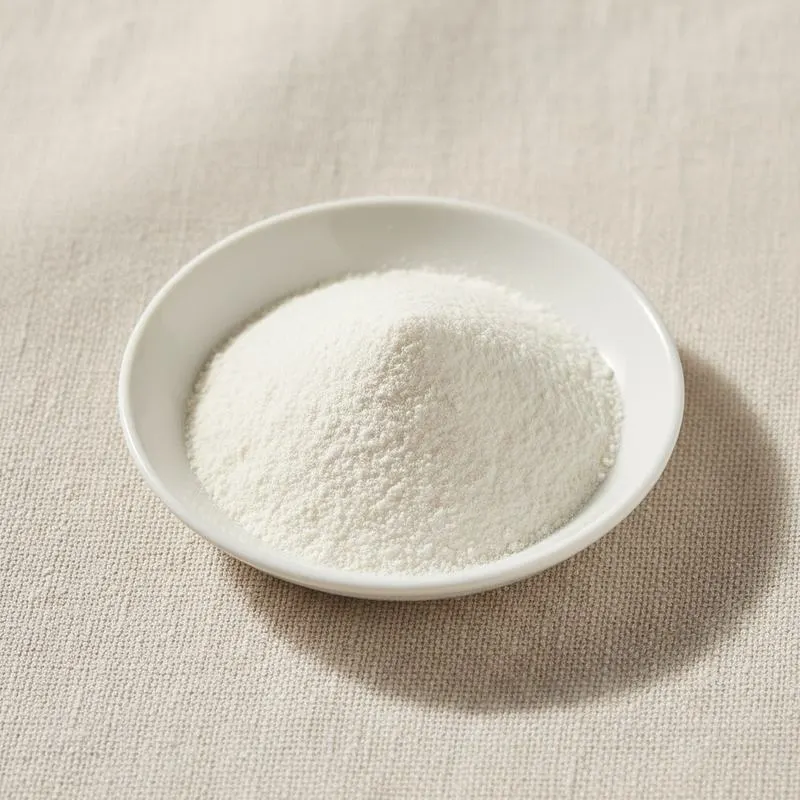
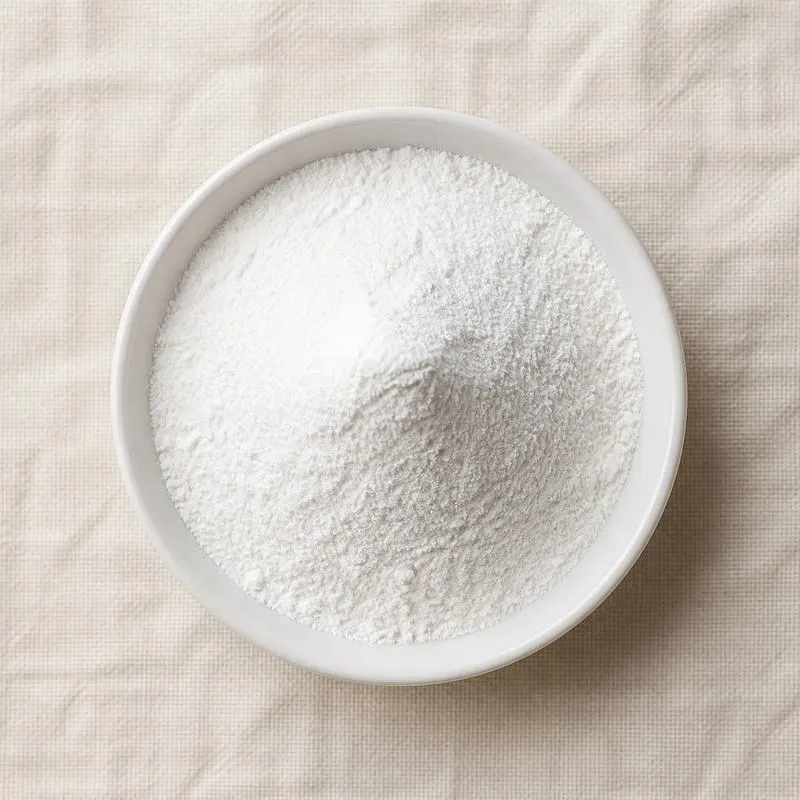
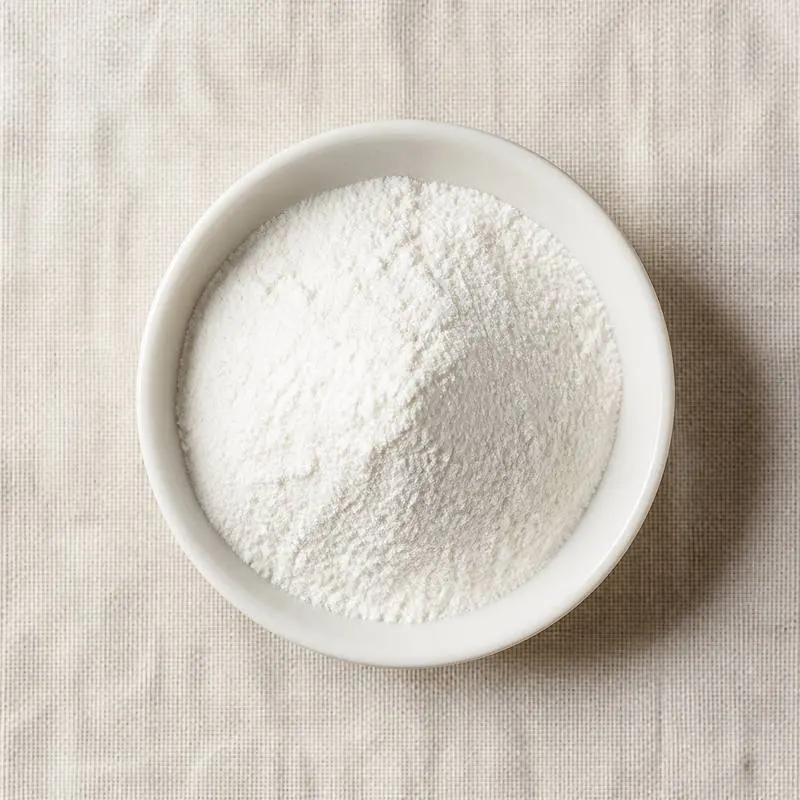
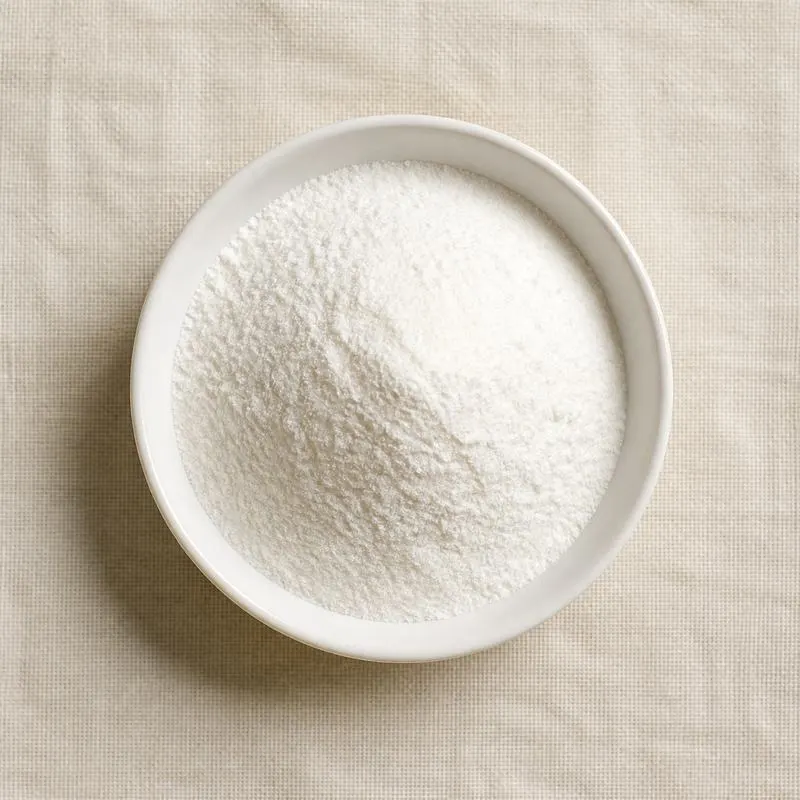
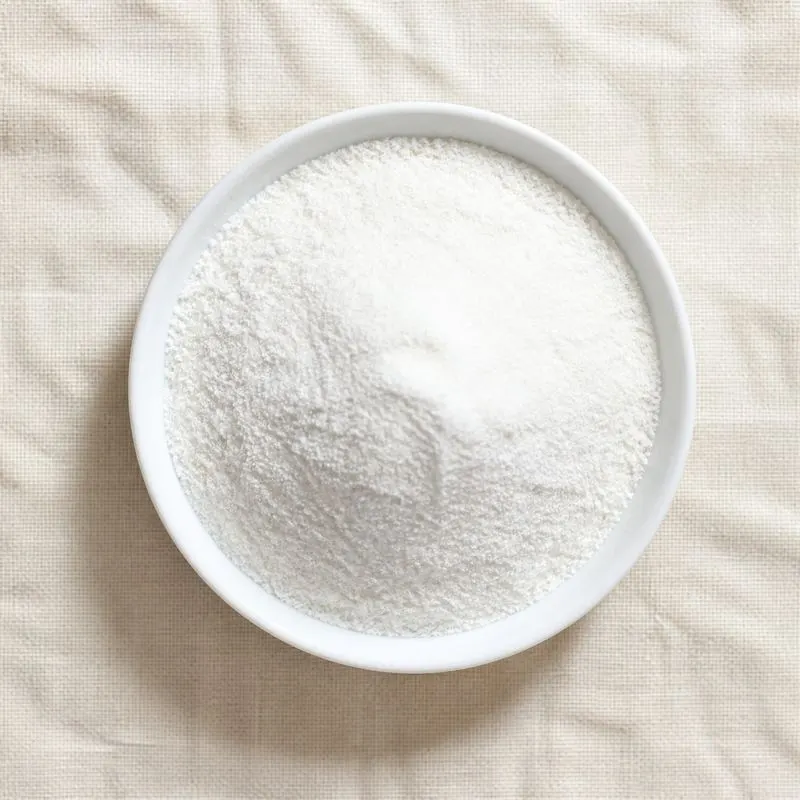
| Appearance | Off-white to light tan free-flowing powder |
| Enzyme Activity | ≥ 10,000 U/g (or as specified, 1,500–100,000 U/g) |
| Loss on Drying | ≤ 8.0% |
| pH (1% solution) | 5.5–7.0 |
| Optimum pH | 5.0–7.0 |
| Optimum Temperature | 30–40 °C |
| Heavy Metals (as Pb) | ≤ 10 mg/kg |
| Lead (as Pb) | ≤ 2 mg/kg |
| Arsenic (as As) | ≤ 1 mg/kg |
| Total Plate Count | ≤ 50,000 CFU/g |
| Coliforms | ≤ 30 MPN/g |
| E. coli | Negative/25g |
| Salmonella | Negative/25g |
| Antibiotic Activity | Negative |
| Purity/Assay | ≥ 100,000 U/g |
| Moisture/Loss on Drying | ≤ 8% |
| Particle Size/Mesh | ≥ 80% through 80 mesh |
| Ash | ≤ 5% |
| Yeast & Mold | ≤ 100 cfu/g |
Common Markets Grades
Activities range from 1500 to 100000 U/g depending on the application.
Bakery grades at 1500 to 10000 U/g are spray-dried on maltodextrin or wheat-starch carriers for direct dough addition.
Beverage and wine grades are liquid concentrates at 5000 to 15000 U/mL, often blended with catalase to manage residual hydrogen peroxide.
Diagnostic and biosensor grades are highly purified, lyophilized powders at 200000 U/g or higher with tight specifications on catalase activity, colour, and metal content.
Personal care and toothpaste grades are liquids or microencapsulated powders formulated for compatibility with surfactants and fluoride matrices.
Applications
- Bakery dough strengthening as a chemical-free alternative to potassium bromate and azodicarbonamide
- Blood and urine glucose biosensors for clinical diagnostics and home glucose meters
- Oxygen scavenging in beverage and salad-dressing packaging to extend shelf life
- Egg desugaring before spray drying to suppress Maillard browning
- Wine alcohol reduction in combination with catalase for partial glucose removal pre-fermentation
- Antimicrobial dental and oral care products that release hydrogen peroxide in place
- Honey processing for shelf-stable formulations where moisture is controlled
- Fish and shellfish coating glazes that consume surface oxygen during cold storage
- Industrial gluconic acid manufacture as a fermentation-coupled biocatalyst
Brands Using Glucose Oxidase
Widely-distributed consumer products that list Glucose Oxidase on the ingredient label.
- CuraproxBe You Toothpaste ↗Be You toothpaste enzymatic whitening formula uses hydroxylapatite and glucose oxidase, per Curaprox product descriptionLabel verified 2026-05-25
- Zendium (Unilever)Complete Protection Toothpaste ↗Zendium enzyme system (amyloglucosidase, glucose oxidase, lactoperoxidase plus lysozyme) listed on official Zendium product pageLabel verified 2026-05-25
- Zendium (Unilever)Biogum Toothpaste ↗Ingredient list includes glucose oxidase as part of Zendium's natural enzyme defence systemLabel verified 2026-05-25
Brand names, product names and logos are the property of their owners. They appear here as published evidence that the ingredient is used, taken from the brand's own label or website. Their appearance is not an endorsement, and it does not mean the brand buys from us or from any manufacturer listed on this site.
China Manufacturers of Glucose Oxidase
Top Glucose Oxidase manufacturers in China.

Company names and logos are the property of the manufacturers themselves. They are listed here because our own directory records them as producing this ingredient. A listing is not an endorsement by them, and we do not represent them or speak on their behalf.
How We Help Source Glucose Oxidase
Direct Factory Sourcing
We run the whole process: selecting the manufacturer from the top Chinese food ingredient producers, negotiating the price, verifying quality, and coordinating the logistics. You deal with us instead of with several factories at once.
Original Packaging and Documents from the Manufacturer
The manufacturer sends your Glucose Oxidase out of its own factory in the original packing, through to your destination port. The COA, COO, MSDS, TDS and any certifications reach you from the manufacturer as well.
Free Samples and Lead Time
We send 100 to 500 g free for your own laboratory to test and you cover only the courier, usually within 2 to 3 working days. ETD is usually within 7 to 15 days once the order is confirmed, and we check that date against the factory's own manufacturing schedule before we give it to you.
Combined Shipment
We can load Glucose Oxidase together with other ingredients such as Transglutaminase, Nattokinase and Bromelain into one 20' FCL. If your quantity is small, we can also ship LCL.
Regulatory Status
Glucose Oxidase from Aspergillus niger is recognised as a food enzyme worldwide.
JECFA assigned an ADI not specified for both the standalone enzyme and the catalase-paired preparation. The EU permits GOX as a food enzyme under regulation 1332/2008.
The U.S. FDA has cleared multiple GRAS notices for GOX from Aspergillus niger covering bakery, beverage, and egg processing applications.
Diagnostic and pharmaceutical grades carry separate specifications under the International Federation of Clinical Chemistry. Halal and Kosher certifications are routinely available.
Manufacturing Process
Glucose Oxidase is produced almost entirely by submerged fermentation of Aspergillus niger. Selected production strains carry multiple copies of the gox gene under strong inducible promoters.
Glucose is the primary carbon source. Aeration, dissolved oxygen, and pH are held in narrow bands to push the carbon flux toward enzyme secretion rather than gluconic acid accumulation.
After fermentation the cells are removed by filtration. The clarified broth is concentrated by ultrafiltration with a 30 kDa cutoff, then polished by ion-exchange chromatography for premium grades.
Catalase is co-secreted in quantity by the production organism and is sometimes left in place for paired applications. Dedicated GOX grades remove catalase to ppm levels by selective heat treatment or anion-exchange separation.