Egg Yolk Globulin
Egg yolk globulin is the water soluble globular protein fraction of hen egg yolk, separated from the lipid rich granule and lipoprotein material that makes up the bulk of the yolk. In yolk plasma these proteins are known collectively as the livetins. These are alpha-livetin, which is serum albumin, beta-livetin, a glycoprotein, and gamma-livetin, which is immunoglobulin Y.
Immunoglobulin Y is the constituent that carries most of the commercial interest. It is the avian equivalent of mammalian immunoglobulin G, transferred from the hen's blood into the yolk, and a laying hen deposits it in quantity, which makes egg yolk a practical and non-invasive source of antibody. Where hens have been immunised against a defined antigen, the yolk yields a specific antibody preparation; where they have not, the material is a general globulin concentrate.
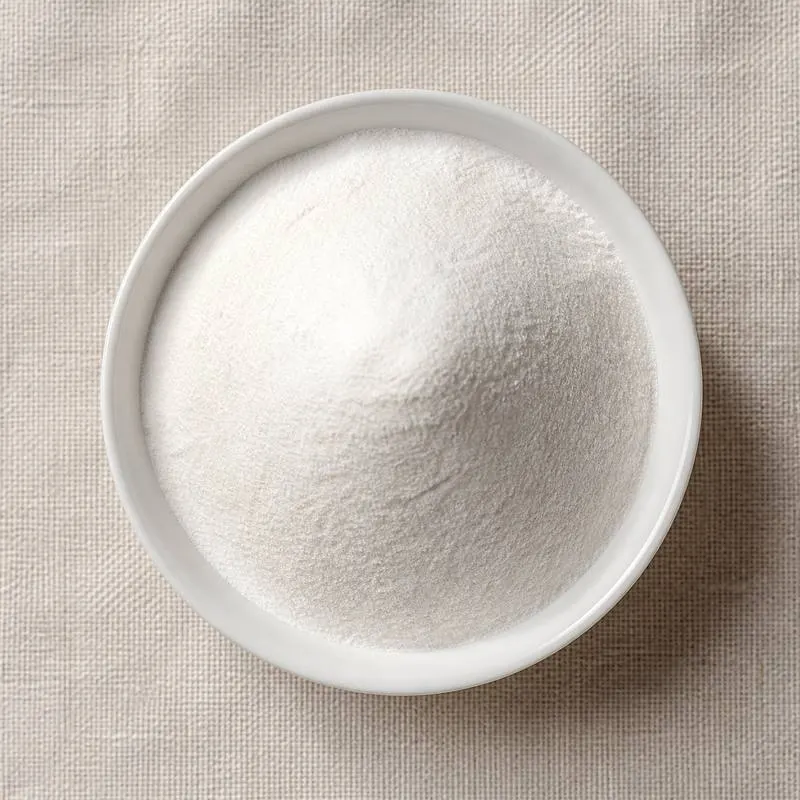
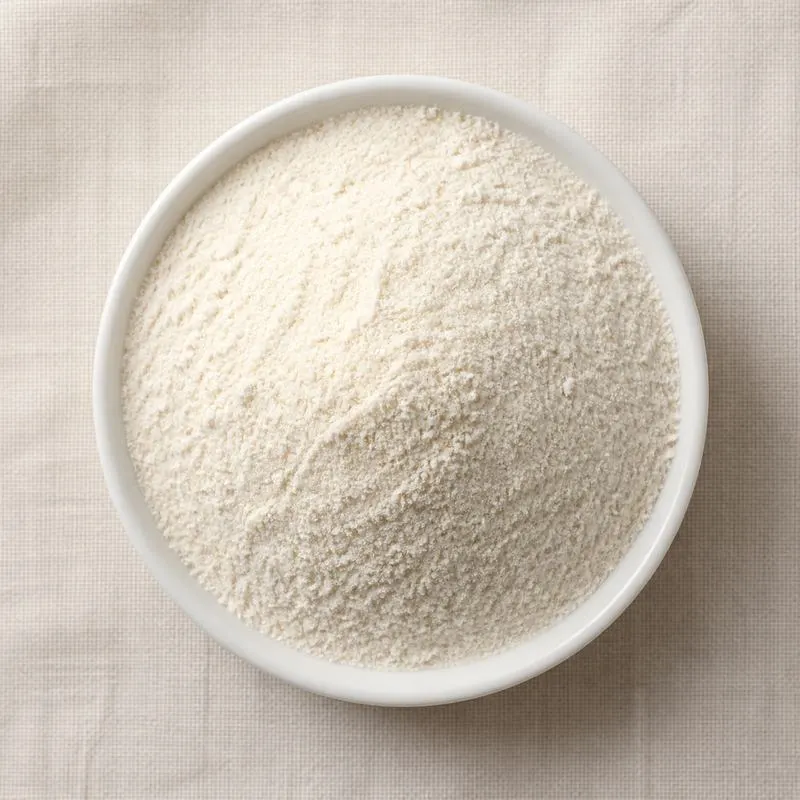
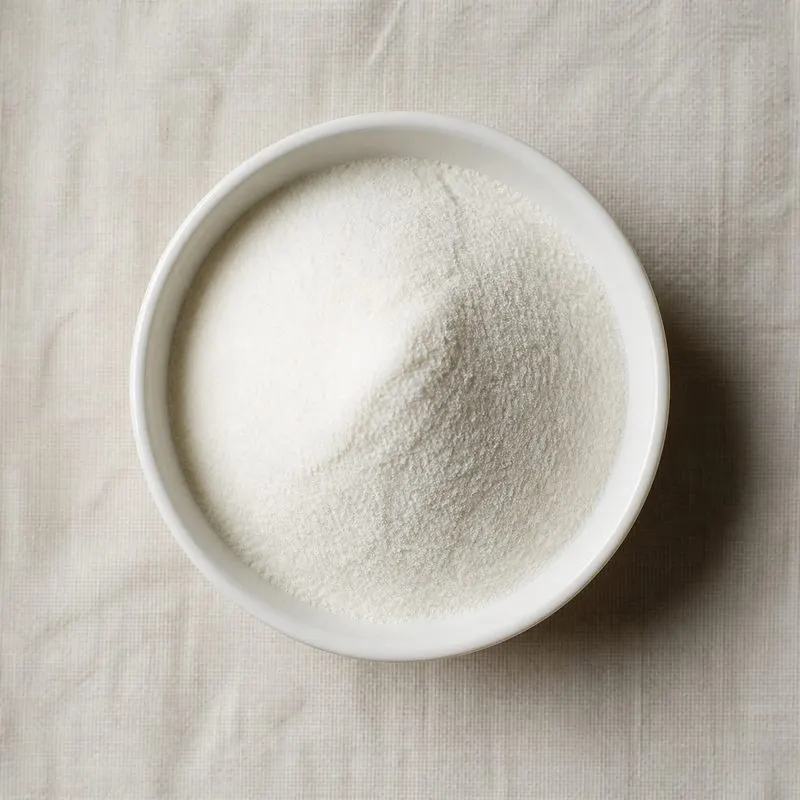
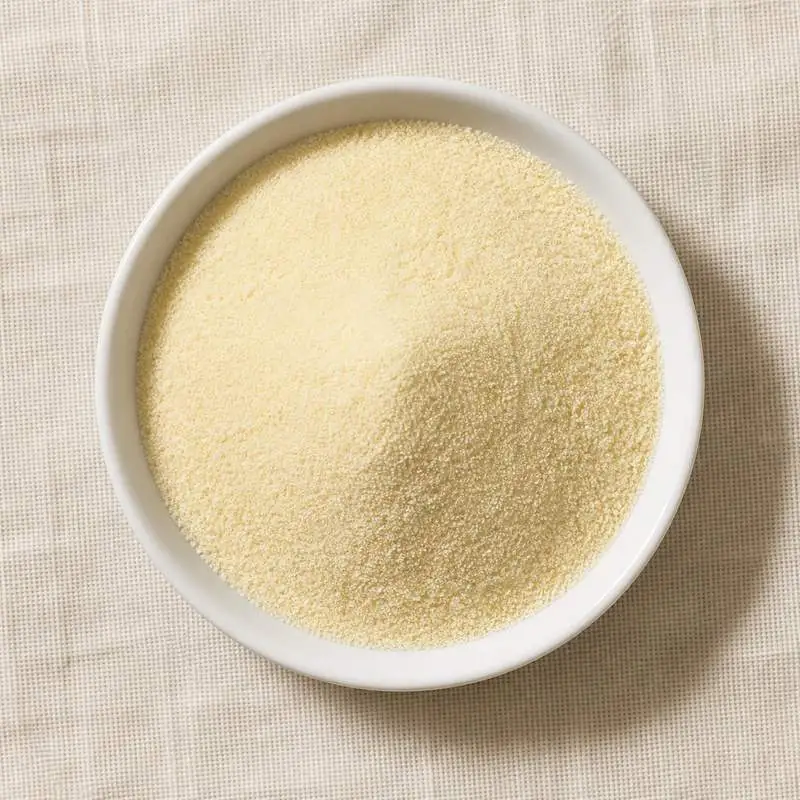
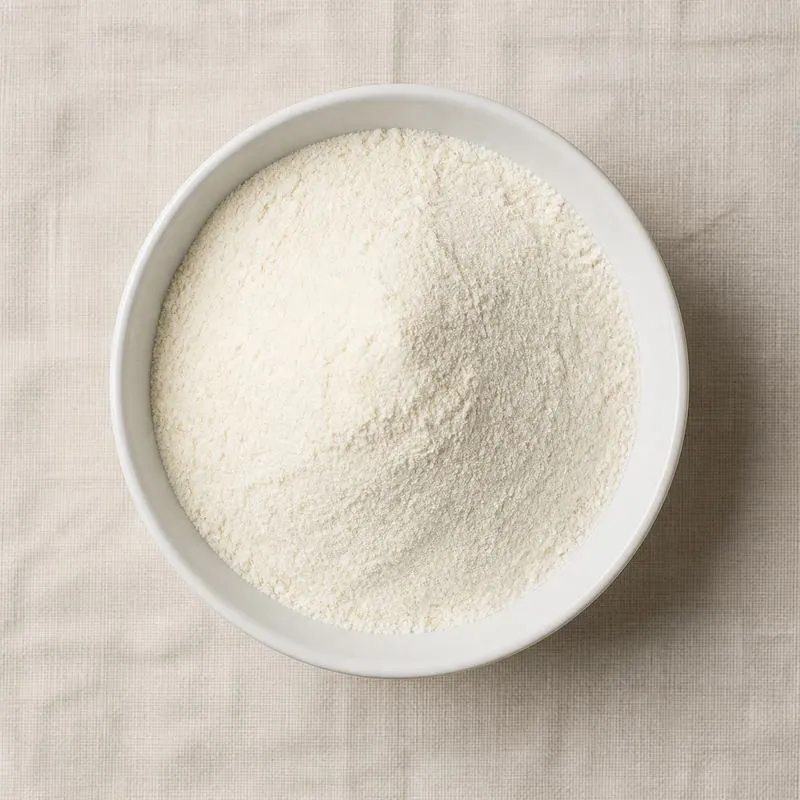
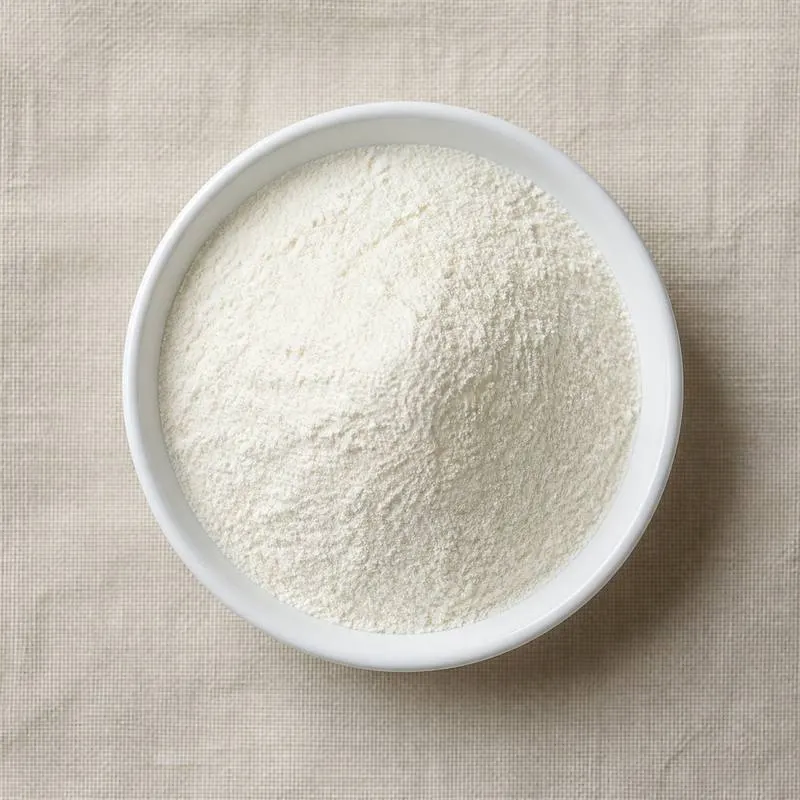
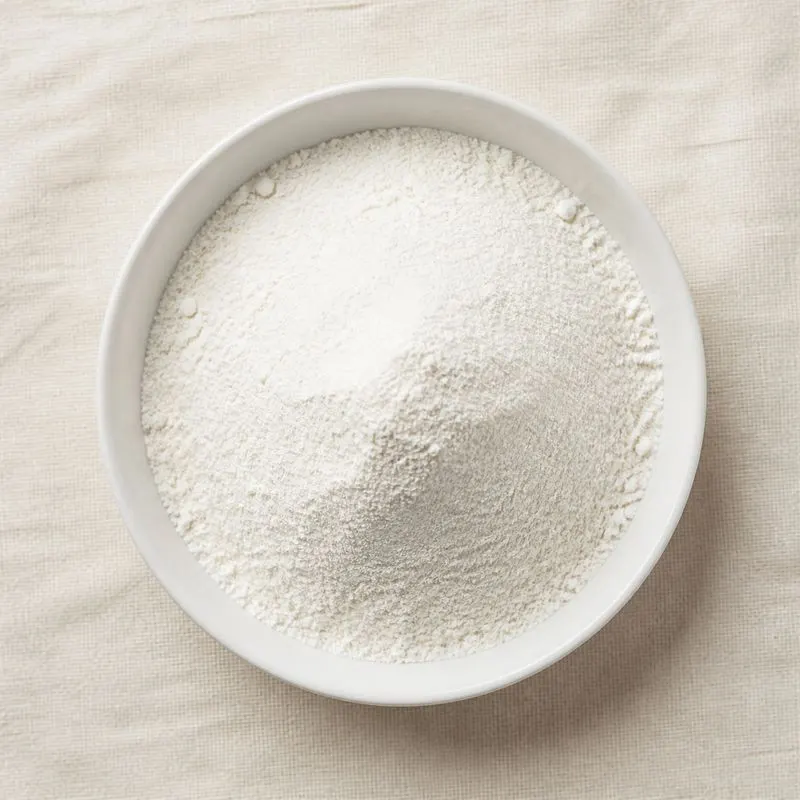
Commercial powder is a white to pale yellow free flowing solid at 4 to 6 percent moisture, typically 60 to 90 percent protein on the dry basis with a declared immunoglobulin Y content. It dissolves in water to a slightly cloudy solution. Activity rather than protein content decides handling: immunoglobulin Y loses binding activity above roughly 65 degrees Celsius and below about pH 4, so the material is processed at low temperature and near neutral pH and is not carried through pasteurisation or acid systems.
We source bulk Egg Yolk Globulin from top China manufacturers for our partners. The manufacturers are in Liaoning and Jilin. A smaller requirement can ship in a combined container with other ingredients.
Please send the grade you need, the volume and your destination port, and we will come back with a solution and a price.
or call +86-21-6858 0751
- Function
- Protein
Specifications
| Item | Specification |
|---|---|
| Appearance | White to pale yellow free flowing powder |
| Odour and Taste | Mild, characteristic of egg, free from rancid notes |
| Protein, N x 6.25, dry basis | ≥ 60.0%, per declared grade |
| Immunoglobulin Y | Per declared grade |
| Antibody Titre, specific grades | Meets declared titre against target antigen |
| Residual Lipid | ≤ 5.0% |
| Moisture | ≤ 6.0% |
| Ash | ≤ 8.0% |
| Solubility, 1% in water | ≥ 90% |
| pH, 1% solution | 6.0 to 7.5 |
| Lead | ≤ 0.5 mg/kg |
| Arsenic | ≤ 0.5 mg/kg |
| Total Plate Count | ≤ 10,000 CFU/g |
| Yeast and Mould | ≤ 100 CFU/g |
| E. coli | Absent in 1 g |
| Salmonella | Absent in 25 g |
Common Markets Grades
The first distinction is between specific and non-specific material. Specific immunoglobulin Y is produced from hens immunised against a named antigen and is sold on titre, the measured binding activity against that antigen, rather than on protein content alone. Non-specific globulin is a general yolk protein concentrate sold on total protein and immunoglobulin Y content.
The second axis is purity. Crude water soluble fraction, delipidated but otherwise unpurified, is the cheapest grade and carries the full livetin mixture. Precipitated concentrates raise the immunoglobulin proportion, and chromatographically purified grades reach the highest purity and are correspondingly expensive, being used in diagnostic and research work rather than in food.
Beyond those, physical grades divide into spray dried powder, the standard commercial form, and freeze dried powder, which retains more activity and costs more. Enteric coated and microencapsulated versions are produced for oral applications where the antibody must survive gastric acid, since that is the principal obstacle to its use in supplements and feed.
Applications
- Oral supplements aimed at gut health, using specific immunoglobulin Y raised against enteric organisms
- Oral care products, where antibody raised against oral bacteria is formulated into rinses, toothpaste and lozenges
- Functional foods and beverages carrying a specific antibody preparation, generally in coated form
- Infant and paediatric nutrition in some markets, as a component supporting gut defence
- Piglet and calf feed, where oral antibody is used to reduce enteric bacterial challenge at weaning
- Aquaculture feed for shrimp and finfish larvae, against defined bacterial pathogens
- Pet supplements for digestive and oral health
- Diagnostic reagents and immunoassay kits, using purified immunoglobulin Y as the capture or detection antibody
- Research antibody supply, where the avian source avoids cross reaction with mammalian complement and rheumatoid factor
- Cosmetic formulations, using yolk protein preparations as skin conditioning agents
China Manufacturers of Egg Yolk Globulin
Top Egg Yolk Globulin manufacturers in China.
 Dalian Greensnow Egg Products Development Co., Ltd.7 ingredients in the directory
 Seno Biotech5 ingredients in the directory
Company names and logos are the property of the manufacturers themselves. They are listed here because our own directory records them as producing this ingredient. A listing is not an endorsement by them, and we do not represent them or speak on their behalf.
Regulatory Status
In the United States egg derived protein preparations are used as food ingredients and as dietary ingredients under the dietary supplement framework, with the regulatory position following that of the source material and the processing aids used. A preparation making claims about a named pathogen would be evaluated on the wording, since language implying prevention or treatment of infection moves a product into the drug or biologic category. Eggs are a major food allergen requiring plain declaration on the label, and processing does not remove that obligation. Feed use falls under the animal food framework and the relevant ingredient definitions.
In the European Union egg products are covered by the hygiene regulation for food of animal origin, which sets the requirements for breaking and processing establishments. A purified yolk globulin or immunoglobulin Y preparation without a documented history of consumption in the Union before May 1997 may fall within the novel food regulation and require authorisation before being placed on the market, so the specific preparation and its history of use determine the pathway. Eggs and products thereof appear in the list of allergens that must be emphasised in the ingredient list, no E number applies since the material is a food ingredient rather than an additive, and any health claim requires authorisation. Codex has no specific standard for the material.
Manufacturing Process
Where a specific antibody is required, production begins on the farm rather than in the plant: laying hens are immunised with the target antigen on a defined schedule, and eggs are collected once the titre in the yolk has risen and stabilised. For non-specific material, ordinary table eggs are used.
Eggs are candled, washed and broken, and the yolk is separated mechanically and washed to remove adhering white, since albumen protein carried through would dilute the product. The yolk is then delipidated, which is the central technical problem, because the globulins are dissolved in a plasma that is heavily loaded with lipoprotein. Water dilution and chilling is the commonest approach: the yolk is diluted several fold with cold acidified water and held cold, which precipitates the granule fraction and much of the lipoprotein and leaves the livetins in the supernatant. Alternatives use a polysaccharide such as carrageenan or pectin to flocculate the lipid, or a food grade solvent extraction where a drier starting material is acceptable.
The clarified supernatant is separated by centrifugation and filtration, then concentrated by ultrafiltration, which both raises the protein content and removes salts. Where a purified grade is wanted, the immunoglobulin is further precipitated with ammonium sulphate or a water soluble polymer, or captured on an ion exchange or affinity column. The concentrate is finally spray dried at low outlet temperature or freeze dried, and every lot is released on protein content and, for specific material, on measured antibody titre.