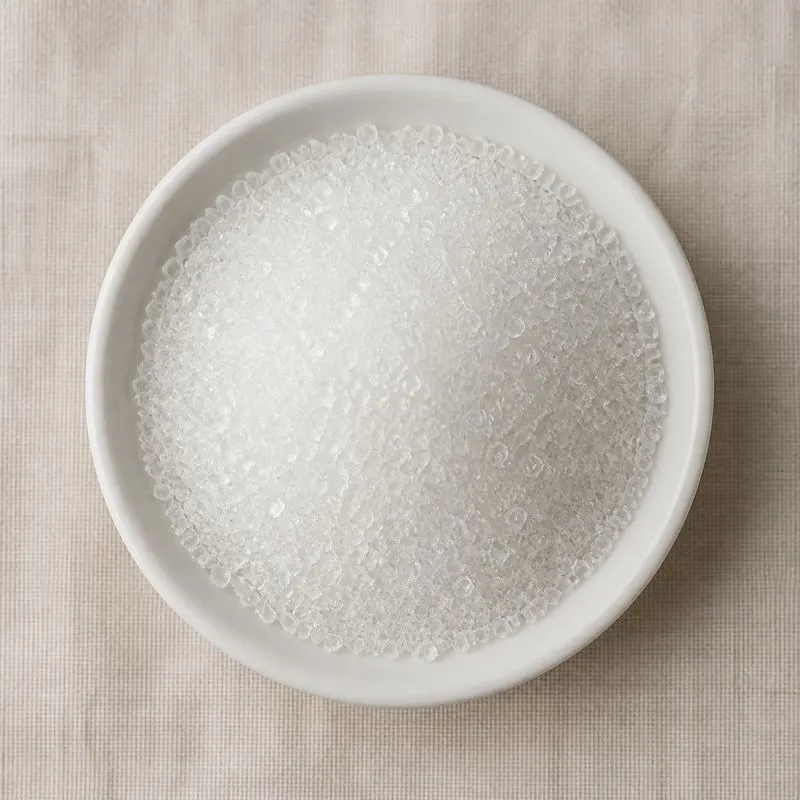
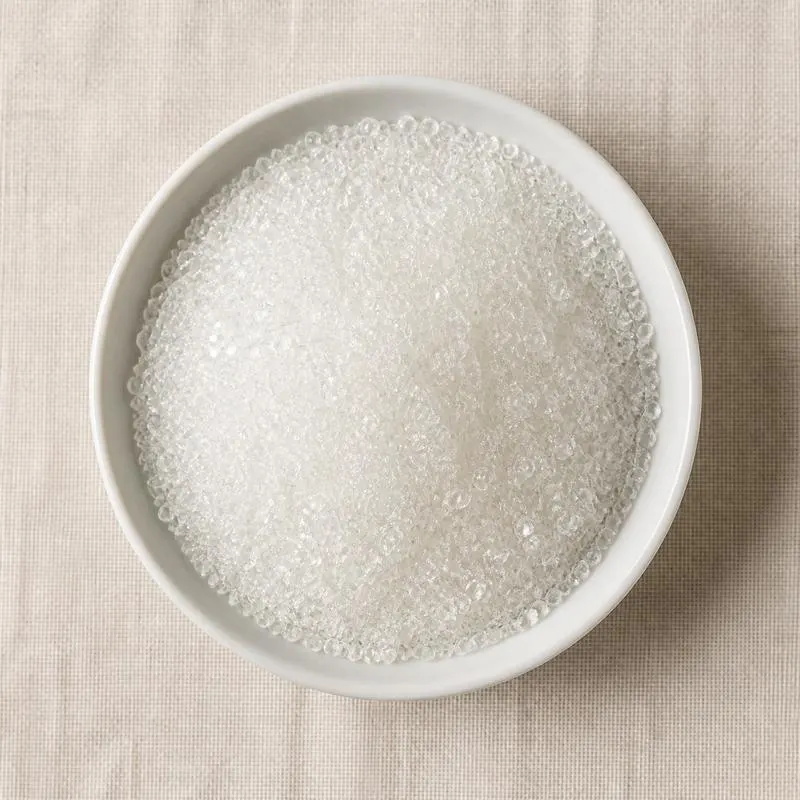
Entrapped Malic Acid
Entrapped malic acid is food grade malic acid dispersed through a solidified lipid matrix rather than enclosed in a shell around a single crystal. Fine acid particles are held throughout a continuous phase of hydrogenated vegetable fat, so each granule contains many small acid domains, and the acid becomes available only as the matrix melts or erodes.
The distinction from a coated grade is a real one in use. A coated particle has one barrier: once the shell fails, the whole of the acid in that particle is released at once. An entrapped particle releases progressively as the matrix softens from the outside in, giving a slower and more gradual acidification and a more forgiving tolerance of mechanical damage, since a fractured granule still holds most of its acid. The trade-off is a lower acid load, typically 60 to 80 percent, because more fat is needed to make a continuous matrix than to make a shell.
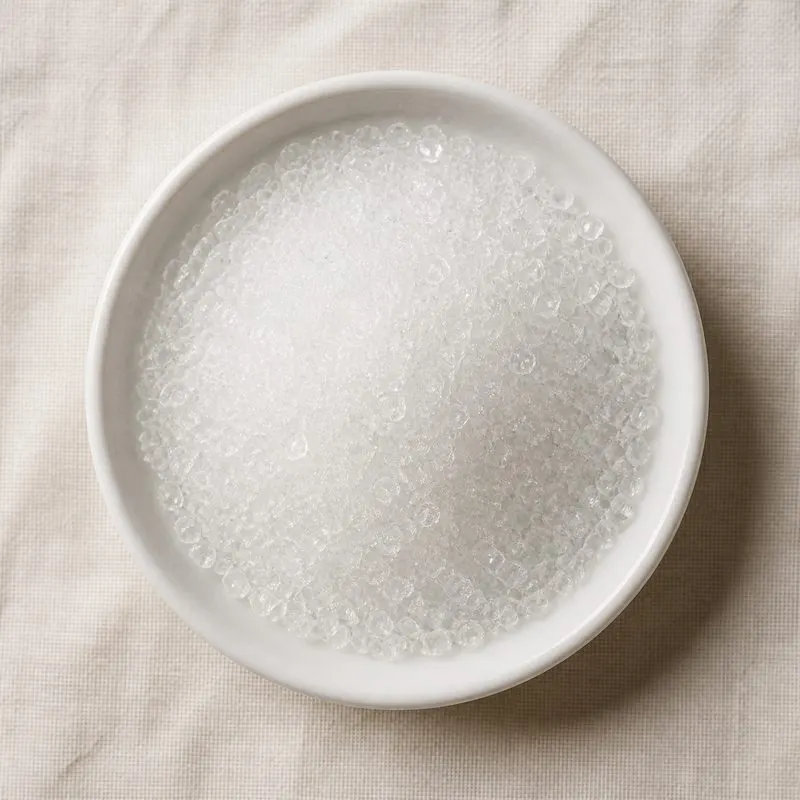
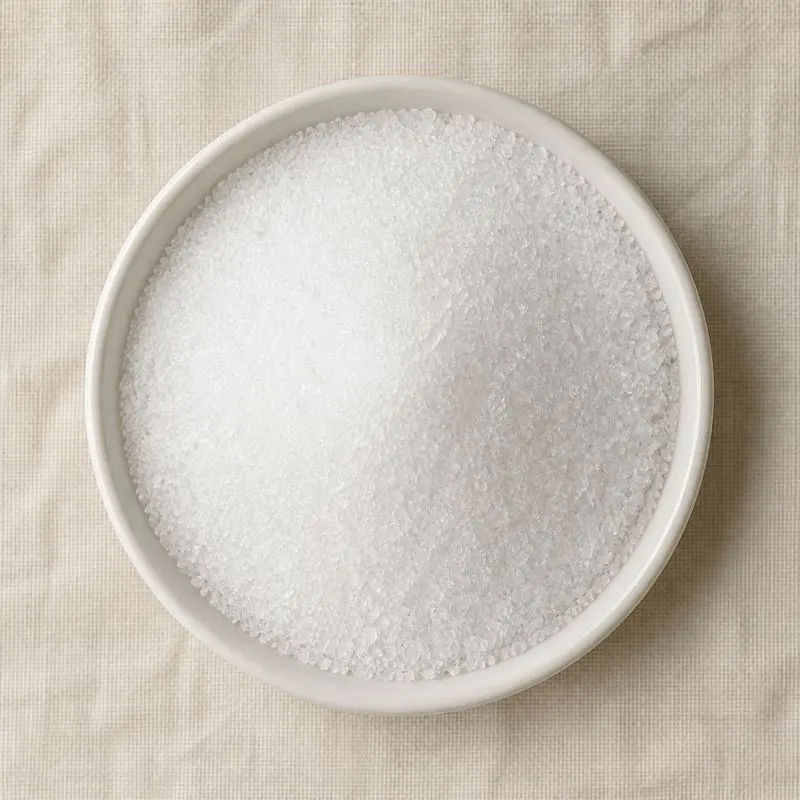
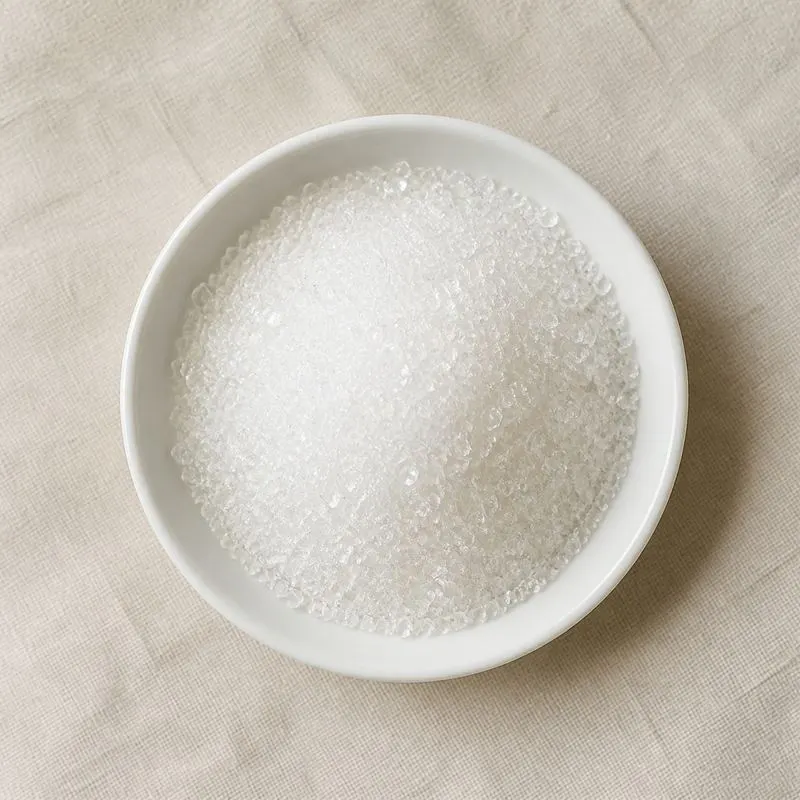
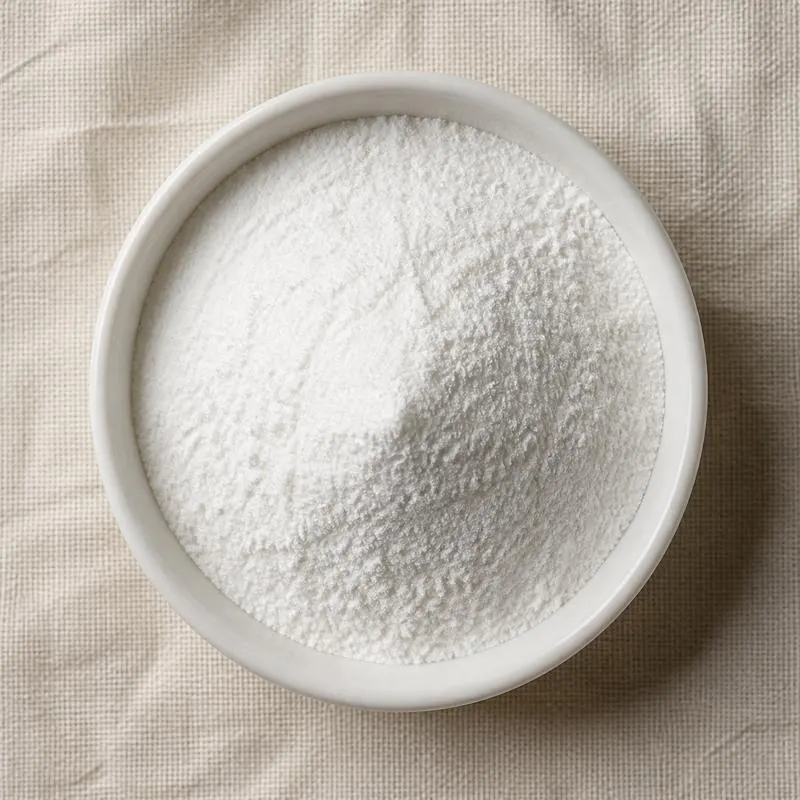
The product is a free flowing white to cream powder or granule with very little immediate sourness on the tongue. It is non-hygroscopic, which matters because uncoated malic acid is notably hygroscopic and cakes in dry blends, and it is stable through long ambient storage. Release temperature is set by the melting point of the fat, generally selected between about 50 and 70 degrees Celsius.
We source bulk Entrapped Malic Acid from top China manufacturers for our partners. The manufacturer is in Shanxi. A smaller requirement can ship in a combined container with other ingredients.
Please send the grade you need, the volume and your destination port, and we will come back with a solution and a price.
or call +86-21-6858 0751
- Function
- Acidulant
Specifications
| Item | Specification |
|---|---|
| Appearance | White to cream free flowing granule or powder |
| Malic Acid Content | 60 to 80 percent, grade dependent |
| Matrix Content as Hydrogenated Fat | 20 to 40 percent |
| Release Temperature | 50 to 70 degrees Celsius, declared per grade |
| Free Surface Acid | Not more than 3.0 percent |
| Loss on Drying | Not more than 0.5 percent |
| Fumaric Acid in Core | Not more than 1.0 percent |
| Maleic Acid in Core | Not more than 0.05 percent |
| Particle Size | Not less than 90 percent through 30 mesh |
| Peroxide Value of Matrix Fat | Not more than 5 meq per kg |
| Lead | Not more than 1 mg per kg |
| Arsenic | Not more than 1 mg per kg |
| Total Plate Count | Not more than 1000 cfu per g |
| Yeast and Mould | Not more than 100 cfu per g |
Common Markets Grades
Grades are specified by acid load, matrix melting point and particle size, since the acid itself is standard food grade material at 99.5 percent. Acid load is the headline figure and runs from about 60 to 80 percent, lower loads giving a slower, more even release and better protection, higher loads giving more acidity per kilogram at the cost of a thinner matrix.
Melting point is chosen to match the process step that should trigger release, with lower melting matrices used in fermented meat and chilled systems and higher melting ones where the acid must survive to the oven or fryer. Particle size, usually 30 to 80 mesh, is matched to the rest of the dry blend to prevent segregation. Both L-malic and racemic DL-malic cores are offered. The L form is specified where a natural or fruit derived declaration is wanted, and the DL form covers general use. Free surface acid is the standard quality marker and indicates how much of the load sits outside the matrix.
Applications
- Fermented and dry cured sausage, where gradual acid release drops pH through the cook without breaking the meat emulsion during mixing
- Chewing gum, giving a sourness that builds through the chew rather than hitting in the first seconds
- Sour confectionery and chewy sweets, where progressive release extends the acid impression across the eating experience
- Chemically leavened bakery goods, as a slow acid partner to sodium bicarbonate that reacts in the oven
- Refrigerated and frozen doughs, where the matrix holds the acid inert through cold storage
- Dry seasoning and marinade blends, protecting spices, colours and vitamins from contact with free acid during shelf life
- Instant beverage and dessert powders, keeping the acid from caking and from reacting with bicarbonate
- Extruded snacks, releasing sourness progressively as the product passes through the die and the dryer
- Pet food and semi moist treats, as a gradual acidifier that supports preservation over shelf life
China Manufacturers of Entrapped Malic Acid
Top Entrapped Malic Acid manufacturers in China.
Company names and logos are the property of the manufacturers themselves. They are listed here because our own directory records them as producing this ingredient. A listing is not an endorsement by them, and we do not represent them or speak on their behalf.
Regulatory Status
The regulatory position is that of the components rather than of the composite. In the United States malic acid is affirmed as generally recognised as safe under 21 CFR 184.1069, with functions given as flavour enhancer, flavouring agent and pH control agent at levels consistent with good manufacturing practice, and it is excluded from use in infant foods and infant formula under that section. Hydrogenated vegetable oils used as the matrix are permitted food fats under their own clearances, so the entrapped article requires no separate listing and is declared on the label by its constituents.
In the European Union, Regulation (EC) No 1333/2008 authorises malic acid as food additive E 296, with identity and purity criteria in Regulation (EU) No 231/2012, permitted quantum satis in most categories but not in foods intended for infants and young children. The lipid matrix is treated as a carrier under the general rules for carriers set out in Annex III of that Regulation. JECFA has evaluated malic acid and concluded that a numerical limit is not required, and it is listed in the Codex General Standard for Food Additives as an acidity regulator and flavour enhancer.
Manufacturing Process
The acid core is made first. Racemic malic acid is produced by hydrating maleic anhydride, itself obtained by vapour phase oxidation of butane over a vanadium phosphorus oxide catalyst; the anhydride is hydrolysed to maleic acid, then isomerised and hydrated under heat and pressure, and the resulting liquor is separated from fumaric acid by crystallisation, decolourised on carbon, polished by ion exchange, concentrated, crystallised, dried and milled. The L-malic core, where specified, is made instead by enzymatic hydration of fumaric acid over immobilised fumarase.
Entrapment is carried out by hot melt spray congealing. The milled acid is dispersed into molten hydrogenated vegetable fat held above its melting point, and the suspension is agitated to keep the solids evenly distributed and to prevent settling in the feed line. The hot slurry is pumped to a rotary atomiser or pressure nozzle at the top of a chilled tower and sprayed as fine droplets into a counter-current stream of cold air. Each droplet solidifies in flight into a spherical granule with the acid particles locked inside the crystallised fat. The congealed granules are collected at the base of the tower, held to allow the fat polymorph to stabilise, then sieved to remove fines and oversize, tested for acid load, release temperature and free surface acid, and packed into moisture barrier bags. Oversize is reworked into the melt.