Enzyme Treated Stevia
Enzyme treated stevia, also traded as glucosylated steviol glycosides, is a sweetener made by using a transglucosidase to attach additional glucose units to the steviol glycosides extracted from Stevia rebaudiana. The starting material is a stevia extract, generally rich in stevioside and rebaudioside A, and the product is a mixture of mono, di, tri and higher glucosylated derivatives rather than a single compound.
The reason for the treatment is taste. Native stevioside and rebaudioside A carry a bitter and liquorice-like aftertaste that becomes more pronounced as the dose rises, which limits how much sugar they can replace. Adding glucose units through alpha 1,4 linkages softens that aftertaste and shortens the lingering sweetness, giving a profile closer to sucrose at the cost of some sweetness intensity, typically 100 to 200 times sucrose against 200 to 300 for the untreated extract.
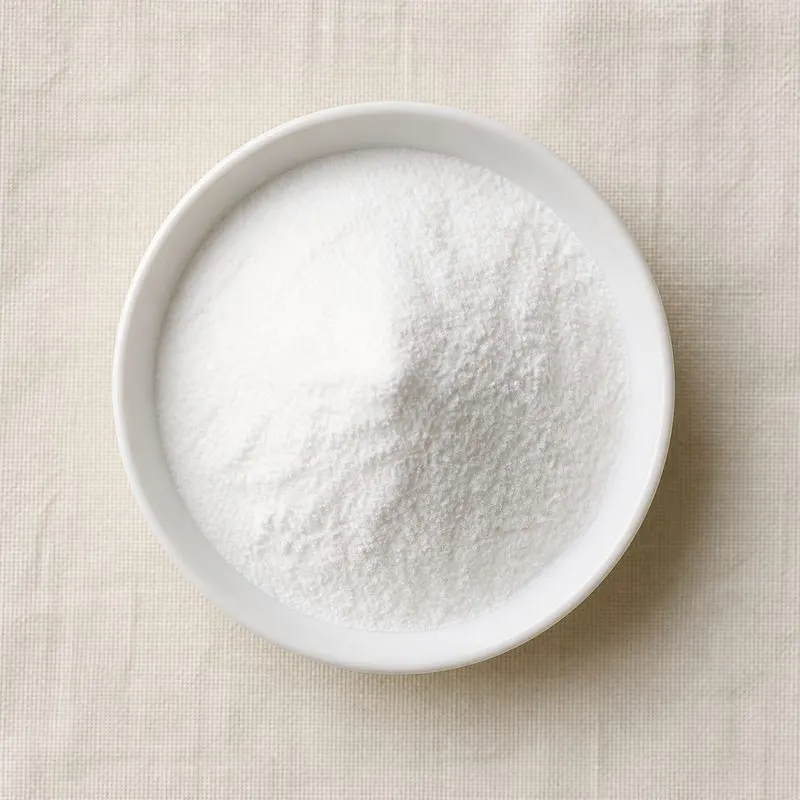
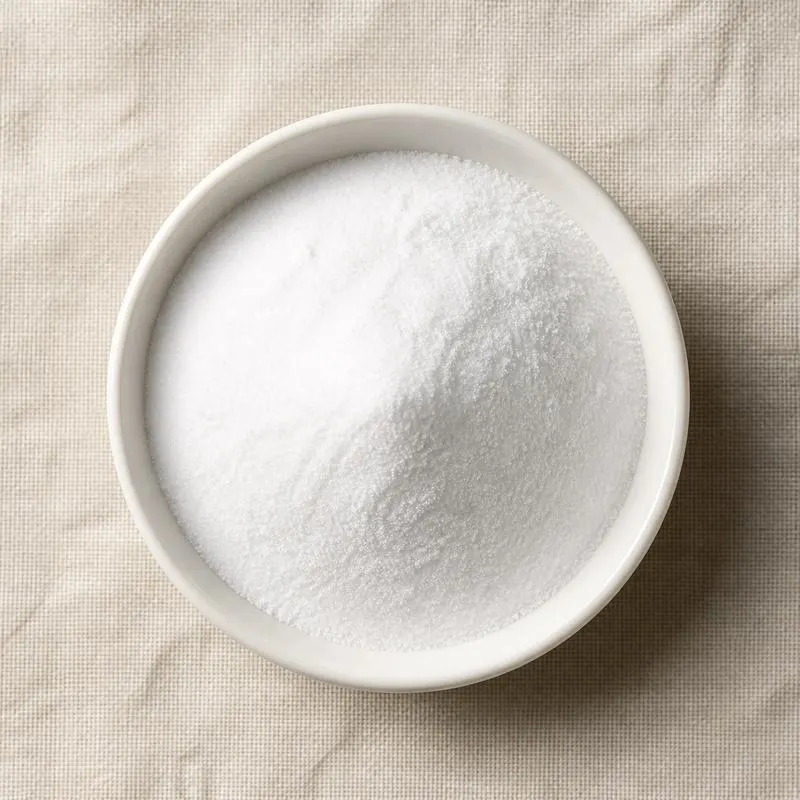
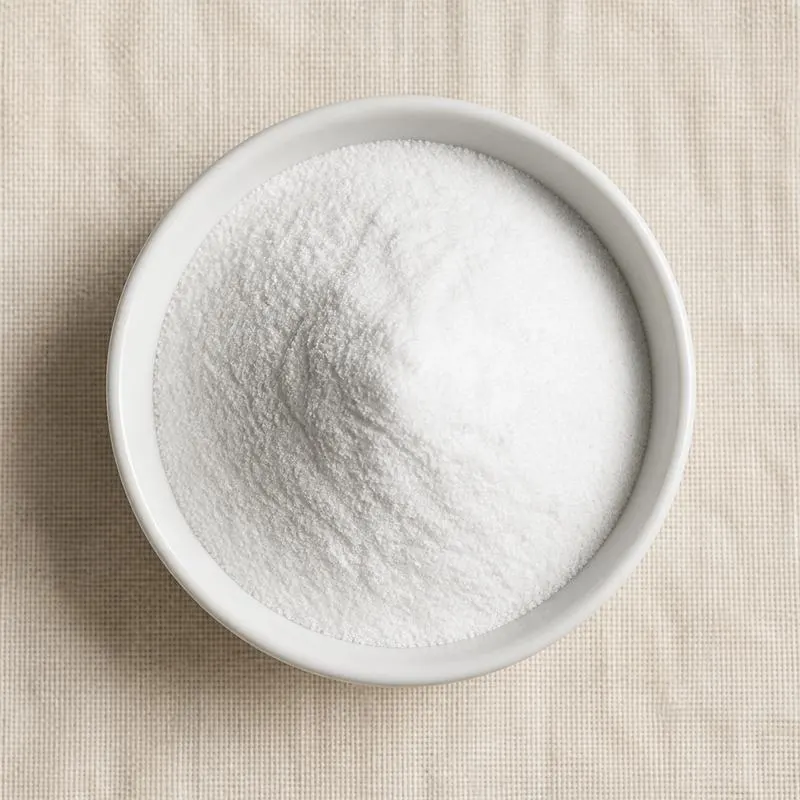
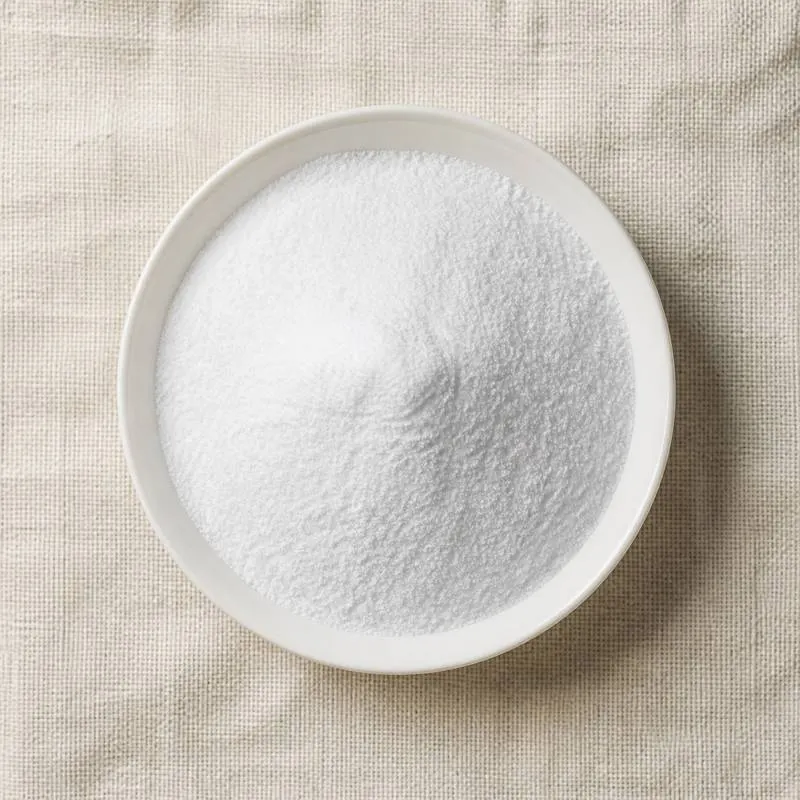
The product is a white to slightly yellowish powder, freely soluble in water and noticeably more soluble than the parent glycosides, since the added glucose units improve hydration. It is stable to heat through pasteurisation and baking, stable across the pH range of beverages, and it does not ferment or cause tooth decay. Because the composition is a distribution of glucosylated species rather than a single molecule, it is specified on total steviol glycoside content after enzymatic hydrolysis rather than on the assay of an individual compound.
We source bulk Enzyme Treated Stevia from top China manufacturers for our partners. The manufacturer is in Shandong. A smaller requirement can ship in a combined container with other ingredients.
Please send the grade you need, the volume and your destination port, and we will come back with a solution and a price.
or call +86-21-6858 0751
- Function
- Sweetener
Specifications
| Item | Specification |
|---|---|
| Appearance | White to slightly yellowish powder |
| Odour and Taste | Odourless, sweet with reduced aftertaste |
| Total Steviol Glycosides (dry basis) | ≥ 95.0% after enzymatic hydrolysis |
| Identification | Conforms by HPLC profile before and after hydrolysis |
| Free Glucose | ≤ 1.0% |
| Residual Dextrin | ≤ 2.0% |
| Loss on Drying | ≤ 6.0% |
| Residue on Ignition | ≤ 1.0% |
| pH (1% solution) | 4.5 to 7.0 |
| Residual Methanol | ≤ 200 mg/kg |
| Residual Ethanol | ≤ 5,000 mg/kg |
| Heavy Metals (as Pb) | ≤ 10 mg/kg |
| Lead | ≤ 1.0 mg/kg |
| Arsenic | ≤ 1.0 mg/kg |
| Total Plate Count | ≤ 1,000 cfu/g |
| Yeast and Mould | ≤ 200 cfu/g |
| Escherichia coli | Negative in 1 g |
| Salmonella | Negative in 25 g |
Common Markets Grades
Grades are described by the degree of glucosylation and by total steviol glycoside content. A lightly glucosylated grade retains more of the sweetness intensity of the parent extract and more of its aftertaste; a heavily glucosylated grade is cleaner in taste but weaker, and carries more residual glucose and dextrin from the reaction. Total steviol glycosides, determined after the added glucose units are cleaved off, is normally specified at 50 to 95 percent on a dry basis depending on how far the material has been purified.
Beyond that, the trade distinguishes a purified grade, from which the residual sugars and dextrins have been removed by resin treatment and crystallisation, from a technical grade in which they are left in as a bulking component. Physical variants include micronised and granular powders and a liquid concentrate for beverage dosing. Blends with erythritol, rebaudioside M or flavour modifiers are finished sweetener systems rather than grades of the glucosylated material itself.
Applications
- Carbonated and still soft drinks, where the reduced aftertaste allows deeper sugar reduction than untreated stevia extract
- Fruit juices and nectars, where the sweetness profile must not compete with fruit character
- Dairy drinks, yoghurts and desserts
- Sports and electrolyte beverages sweetened without carbohydrate
- Bakery products, where the glycosides survive oven temperatures
- Confectionery and chewing gum, in combination with polyols
- Tabletop sweeteners, blended with a bulking agent
- Sauces, dressings and pickles in East Asian formulations, where it has a long history of use
- Sweetener systems in which it is combined with other high intensity sweeteners to balance the sweetness curve
- Pickled vegetables and fermented seasonings, where its stability under acid conditions matters
China Manufacturers of Enzyme Treated Stevia
Top Enzyme Treated Stevia manufacturers in China.
Company names and logos are the property of the manufacturers themselves. They are listed here because our own directory records them as producing this ingredient. A listing is not an endorsement by them, and we do not represent them or speak on their behalf.
Regulatory Status
In the United States, enzyme modified steviol glycosides are the subject of GRAS notifications to which the FDA responded without objection for use as general purpose sweeteners in food, and the position attaches to preparations meeting a defined specification and made by the notified process. Whole stevia leaf and crude leaf extracts remain unapproved for use as sweeteners, so the material must be a purified preparation within the scope of a notification.
In the European Union, steviol glycosides are authorised additives under the number E 960, and glucosylated steviol glycosides obtained by enzymatic modification are covered by their own subdivision of that entry, E 960c, with the additives regulation setting the food categories and maximum levels and the specifications regulation setting identity and purity criteria including the minimum total steviol glycoside content. JECFA has evaluated steviol glycosides, including enzymatically modified preparations, and has adopted a specification monograph covering them. Codex lists steviol glycosides among the additives permitted in its general standard for food additives with maximum levels by food category. In Japan, where the material has been used for many years, it is listed among the existing food additives.
Manufacturing Process
Dried stevia leaf is extracted with hot water or aqueous alcohol, and the extract is clarified by flocculation and filtration and passed over adsorbent resin, which binds the glycosides while sugars, pigments and salts pass through. The bound glycosides are eluted with alcohol, and the eluate is concentrated to give a purified steviol glycoside preparation that serves as the acceptor for the enzyme step.
That preparation is dissolved in water together with a glucose donor, most often dextrinised starch or a maltodextrin, and cyclomaltodextrin glucanotransferase is added. The enzyme cleaves glucose units from the donor and transfers them onto the glycosides, building alpha 1,4 linked glucose chains on the existing sugar residues. Reaction time, enzyme dose and the ratio of donor to acceptor set the average degree of glucosylation and therefore the taste profile, and the reaction is stopped by heating once the target distribution is reached. Residual dextrin is broken down with glucoamylase where a low dextrin product is wanted, and the liquor is filtered, decolourised on activated carbon and passed over ion exchange and adsorbent resin to strip the free glucose and remaining dextrin. The purified solution is concentrated under vacuum and spray dried, then milled and sieved.