Fennel Extract
Fennel extract is a concentrated preparation of the dried ripe fruit of Foeniculum vulgare Mill., commonly called fennel seed, and less often of the bulb or the whole herb. The characteristic constituents are the volatile oil fraction, dominated by trans-anethole at 50 to 80 percent of the oil with fenchone, estragole, limonene and alpha-pinene as the other significant components, together with flavonoid glycosides based on quercetin and kaempferol and a group of phenolic acids.
Trans-anethole is what gives fennel its sweet, aniseed-like aroma and it is the marker most extracts are specified against. Fenchone contributes the camphoraceous, slightly bitter background that separates fennel from anise. Two botanical varieties are traded and differ in oil composition: sweet fennel, Foeniculum vulgare var. dulce, is high in anethole and low in fenchone, while bitter fennel, var. vulgare, carries more fenchone and a harsher profile.
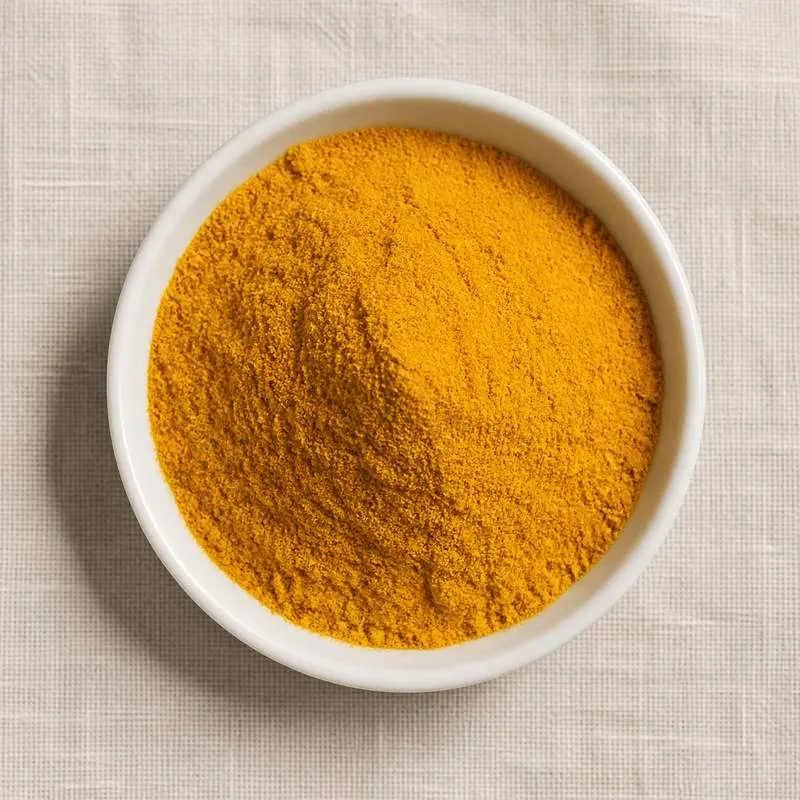
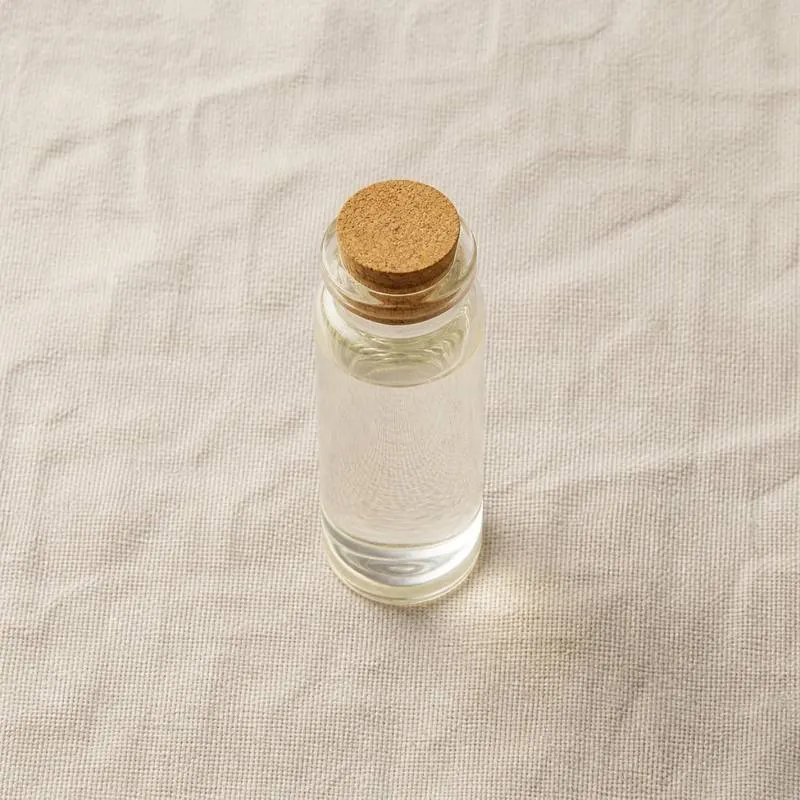
The extract is a yellowish brown fine powder with a sweet aniseed odour, or an essential oil, or a fluid extract. Powdered extracts on a maltodextrin or gum acacia carrier disperse in water, while the anethole-rich oil is not water soluble and needs an emulsifier or a solubiliser for beverage use. Anethole crystallises out of the oil below about 20 degrees Celsius and is oxidised and isomerised by light and prolonged heat, which is the main stability consideration.
We source bulk Fennel Extract from top China manufacturers for our partners. The manufacturer is in Henan. A smaller requirement can ship in a combined container with other ingredients.
Please send the grade you need, the volume and your destination port, and we will come back with a solution and a price.
or call +86-21-6858 0751
- Function
- Plant extract
Specifications
| Item | Specification |
|---|---|
| Botanical Source | Foeniculum vulgare Mill., dried ripe fruit |
| Appearance | Yellowish brown fine powder |
| Extract Ratio | 10:1 |
| Volatile Oil Content | ≥ 1.0% |
| Identification | Conforms by TLC to reference extract |
| Loss on Drying | ≤ 5.0% |
| Ash | ≤ 6.0% |
| Residual Solvent (Ethanol) | ≤ 5,000 mg/kg |
| Lead | ≤ 2.0 mg/kg |
| Arsenic | ≤ 1.0 mg/kg |
| Total Plate Count | ≤ 10,000 cfu/g |
| Yeast and Mould | ≤ 100 cfu/g |
| E. coli | Negative in 1 g |
| Salmonella | Negative in 25 g |
Common Markets Grades
Several distinct products share the name. Fennel essential oil, produced by steam distillation of the crushed seed, is traded on anethole and fenchone content and is the flavour industry grade. Fennel seed oleoresin, a solvent extraction, carries both the volatile oil and the fixed oil and non-volatile fraction, and is quoted on volatile oil content. Fennel powdered extract, made by hydroalcoholic or water extraction and dried onto a carrier, is the supplement grade and is traded either as a ratio extract at 4:1, 10:1 or 20:1 or standardised on total flavonoids or on volatile oil content.
Sweet against bitter fennel is a genuine specification point rather than a marketing distinction, since the estragole and fenchone levels differ and some markets restrict estragole. Physical variants include spray dried powder, encapsulated and plated oil powders for dry seasoning blends, fluid extract at 50 to 60 percent solids for tinctures and syrups, and water-soluble solubilised oil preparations for clear beverages. Milled fennel seed and cut and sifted seed for infusion are traded alongside the extracts as separate items.
Applications
- Herbal infusions and fennel tea, the largest traditional outlet, using cut seed or the water-soluble extract
- Digestive and carminative supplements in capsule, tablet and syrup form
- Infant colic preparations and gripe water, a long-established use of the aqueous extract
- Confectionery and mouth freshener products, where the anethole gives the sweet aniseed note
- Liqueurs and spirits such as absinthe, pastis and anise-flavoured aperitifs
- Savoury seasoning blends, sausage and cured meat formulations, particularly Italian and South Asian styles
- Bakery products including rye and seeded breads and biscuits
- Women's health and lactation support formulas, drawing on the traditional use of the seed
- Toothpaste, mouthwash and oral care flavours, where fennel oil is used alongside mint
- Fragrance and personal care compositions needing a sweet herbaceous note
Brands Using Fennel Extract
Widely-distributed consumer products that list Fennel Extract on the ingredient label.
- Herb PharmFennel Liquid Herbal Extract ↗A liquid extract of certified organic Foeniculum vulgare seed at 280 mg of herb per 0.7 ml, in organic cane alcohol and distilled water.Label verified 2026-08-31
- Nature's AnswerFennel Extract Low Alcohol Liquid 1 oz ↗A 1:1 fennel seed extract in low organic alcohol, stated at 2000 mg of fennel per serving.Label verified 2026-08-31
Brand names, product names and logos are the property of their owners. They appear here as published evidence that the ingredient is used, taken from the brand's own label or website. Their appearance is not an endorsement, and it does not mean the brand buys from us or from any manufacturer listed on this site.
China Manufacturers of Fennel Extract
Top Fennel Extract manufacturers in China.
Company names and logos are the property of the manufacturers themselves. They are listed here because our own directory records them as producing this ingredient. A listing is not an endorsement by them, and we do not represent them or speak on their behalf.
Regulatory Status
In the United States, 21 CFR 182.10 lists fennel on the Food and Drug Administration schedule of spices and natural seasonings generally recognised as safe, and fennel oil, both sweet and common, appears in 21 CFR 182.20 as an essential oil, oleoresin and natural extractive generally recognised as safe for food use. Fennel extracts sold as supplements are dietary ingredients under the Dietary Supplement Health and Education Act, manufactured under 21 CFR Part 111. Estragole, a minor constituent of the oil, has been the subject of safety review, which is one reason variety and oil composition are specified.
In the European Union fennel fruit is an established food and a recognised source of natural flavouring under Regulation (EC) No 1334/2008, and that Regulation also sets restrictions on estragole and on methyleugenol where they arise from botanical flavouring sources, so a bitter fennel oil high in estragole is more constrained than a sweet fennel oil. The European Medicines Agency has published herbal monographs for bitter and sweet fennel fruit, placing some presentations in the traditional herbal medicinal product route, and the European Pharmacopoeia carries monographs for both fennel fruits and for fennel oil, which are the specifications most buyers reference. No fennel health claim appears on the EU register of authorised claims. The Council of Europe has evaluated fennel as a natural flavouring source.
Manufacturing Process
The essential oil route starts from dried ripe fennel fruit, which is cleaned, crushed to break the oil-bearing vittae and steam distilled for several hours. The condensed distillate separates into an aqueous layer and the oil, which is drawn off, dried over an anhydrous salt and filtered. The aqueous layer, the hydrosol, is either recycled to the still or sold separately as fennel water.
The powdered extract route mills the cleaned seed and extracts it by countercurrent percolation with water or aqueous ethanol at 50 to 70 percent, ethanol being used where the flavonoid and volatile fractions are both wanted. The liquor is filtered to remove seed fibre and the ethanol is recovered under vacuum. The concentrate is standardised by blending against reference material or by adding a maltodextrin or gum acacia carrier, then spray dried at an inlet temperature kept low enough to retain the volatile fraction, or vacuum belt dried where volatile retention is critical. The dried powder is sieved, passed through a metal detector and packed under a moisture and light barrier. Where a defined volatile oil level is required, distilled fennel oil is plated back onto the dried carrier after drying rather than being carried through the dryer.