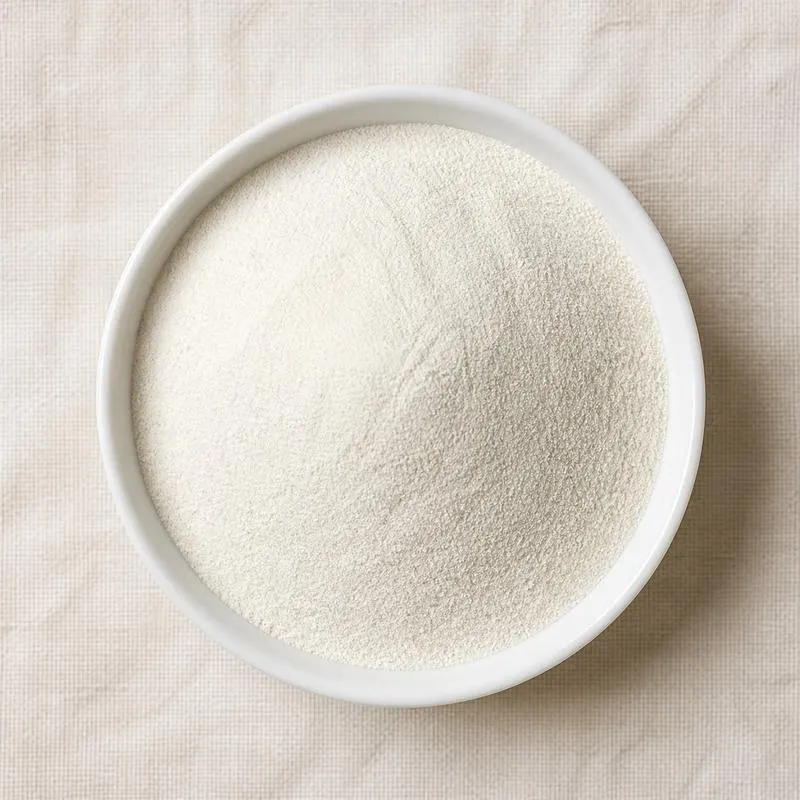
Fermented Compound Seasoning
Fermented Compound Seasoning is a blended savoury ingredient built on one or more fermentation derived bases, typically yeast extract, soy sauce powder, fermented soybean paste solids or a koji cultured cereal hydrolysate, combined with salt, sugar, monosodium glutamate and the ribonucleotides disodium inosinate and disodium guanylate. The fermented fraction supplies free amino acids, small peptides and organic acids that give body and a long finish, while the added nucleotides multiply the perceived umami intensity well beyond what glutamate alone provides.
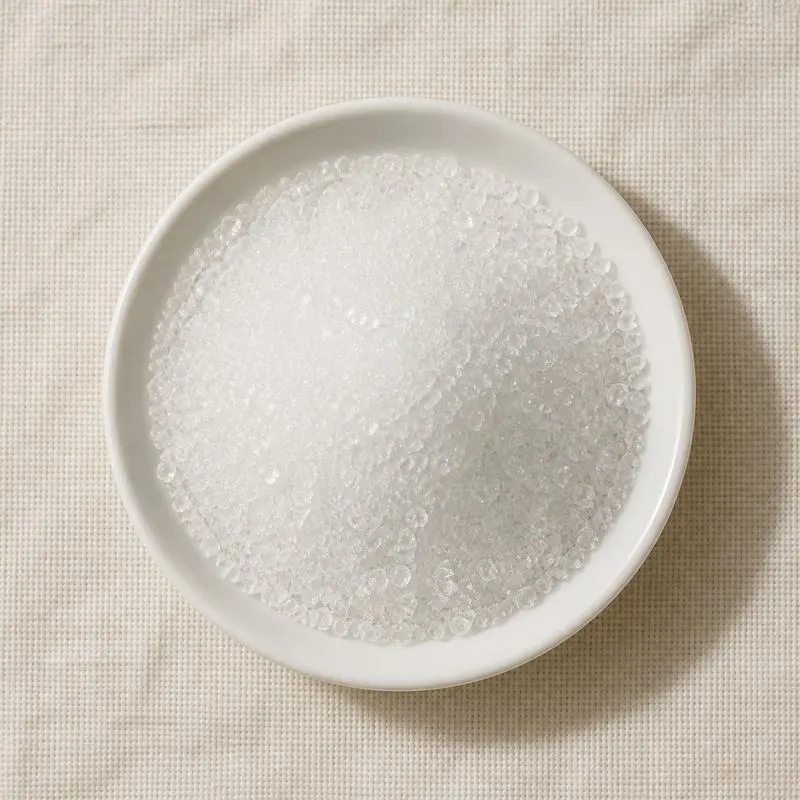
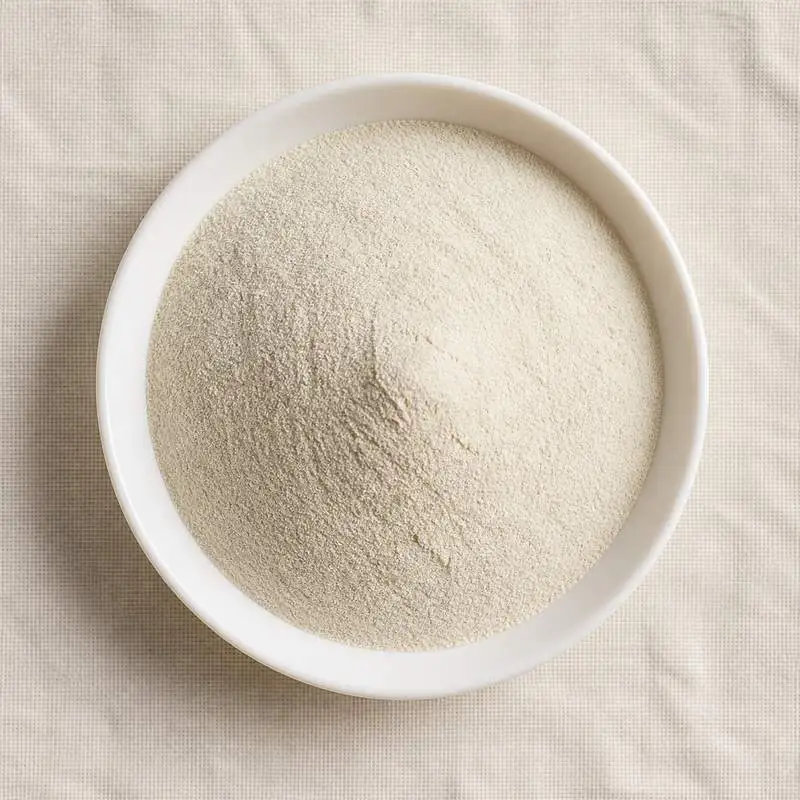
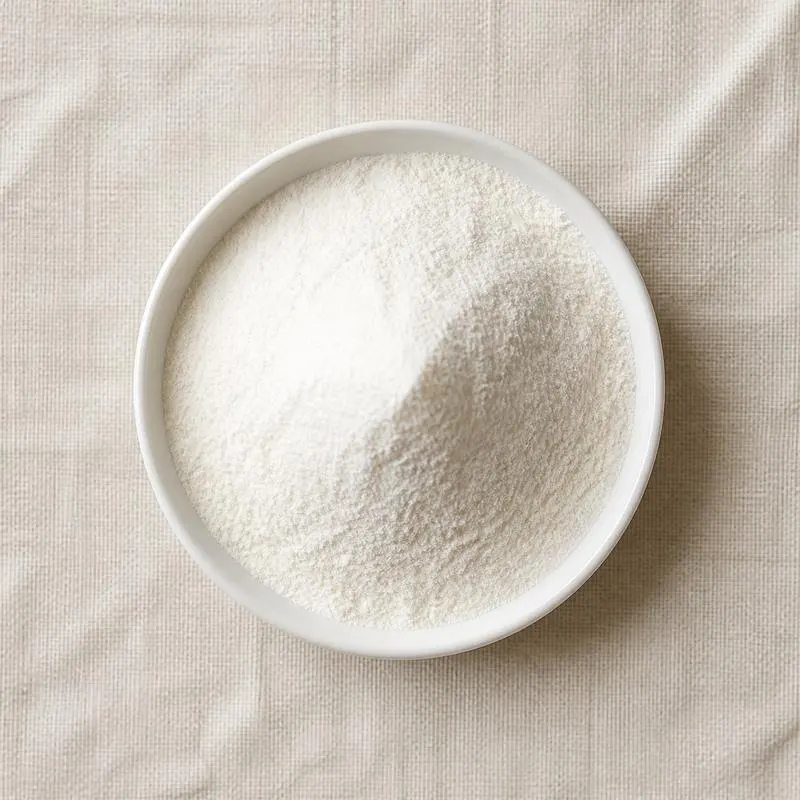
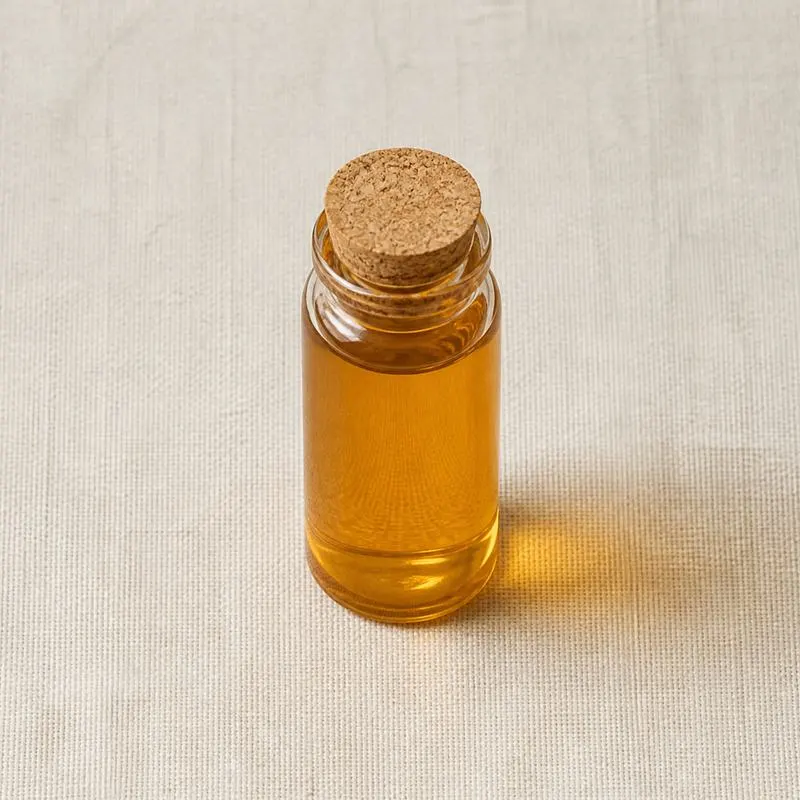
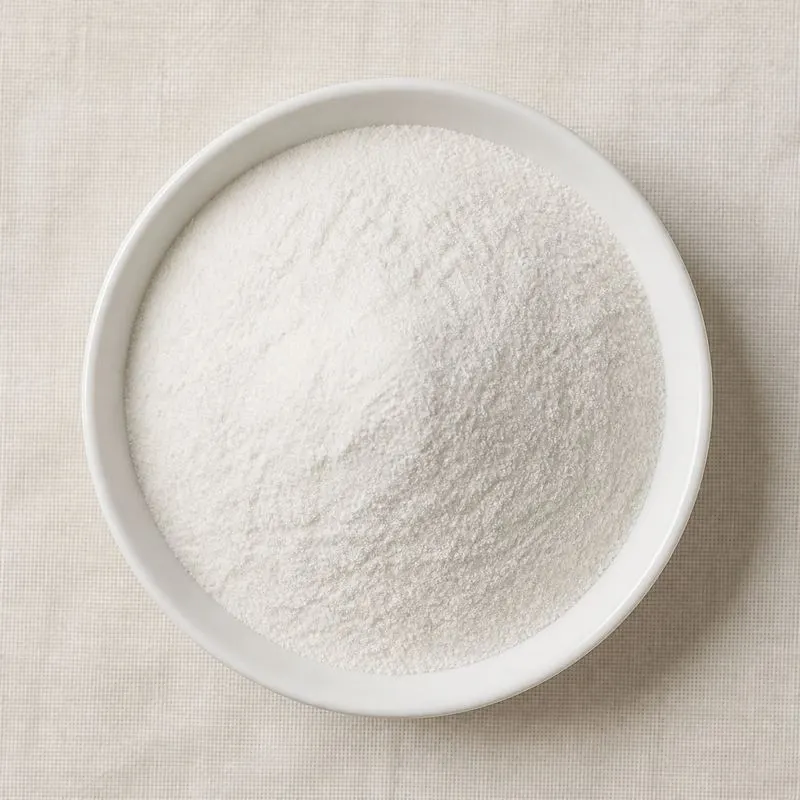
It is a free flowing beige to light brown powder or fine granule, and less often a dark viscous paste where the fermented base has not been dried. Powder grades are fully water soluble at normal use rates and dissolve in warm liquid without lumping. The material is hygroscopic because of its salt and hydrolysate content, so it is packed in lined bags or drums with an internal moisture barrier and held below 25 degrees Celsius.
We source bulk Fermented Compound Seasoning from top China manufacturers for our partners. The manufacturer is in Shandong. A smaller requirement can ship in a combined container with other ingredients.
Please send the grade you need, the volume and your destination port, and we will come back with a solution and a price.
or call +86-21-6858 0751
- Function
- Flavours and Aromas
Specifications
| Item | Specification |
|---|---|
| Appearance | Beige to light brown free flowing powder or granule |
| Odour and Taste | Characteristic savoury fermented, no foreign taste |
| Moisture | Not more than 5.0 percent |
| Sodium Chloride | 40.0 to 60.0 percent as declared |
| Total Nitrogen | Not less than 2.0 percent |
| Amino Acid Nitrogen | Not less than 0.8 percent |
| Monosodium Glutamate | As declared, plus or minus 2.0 percent |
| pH at 1 percent solution | 5.0 to 7.0 |
| Sieve Analysis | Not less than 95 percent through 40 mesh |
| Lead | Not more than 1.0 mg per kg |
| Arsenic | Not more than 0.5 mg per kg |
| Total Plate Count | Not more than 10000 cfu per gram |
| Yeast and Mould | Not more than 100 cfu per gram |
| Salmonella | Absent in 25 g |
Common Markets Grades
Grades are separated first by the fermented base used. Yeast extract based seasonings give a clean brothy character and are the usual choice where a clean label is wanted. Soy or wheat fermentation based seasonings carry a darker, maltier profile and declare cereal allergens. Salt content is the second axis, with low salt grades below 20 percent for use in high salt matrices and standard grades between 40 and 60 percent where the seasoning also carries the salting function.
Beyond that, buyers specify glutamate level, nucleotide level as combined I plus G, particle size for dry blending against solubility, and whether the product is MSG free. Anticaking agent is added or omitted on request. Non GMO, halal, kosher and vegetarian declarations are common on the yeast extract grades.
Applications
- Instant noodle soup sachets, where it provides the umami backbone of the broth on reconstitution
- Retail bouillon cubes and granules, replacing part of the meat extract load
- Snack seasoning dusts for extruded corn, potato chips and crackers
- Marinades and brines for poultry and pork, where the peptide fraction improves juiciness perception
- Retort sauces and ready meals, where the fermented base survives sterilisation better than fresh aromatics
- Soy sauce and oyster sauce style condiments, standardising batch to batch flavour intensity
- Plant based meat analogues, masking pea and soy protein off notes while building savoury depth
- Frozen dumpling and wonton fillings, contributing salt and umami in one addition
- Hot pot and stir fry seasoning bases sold to catering
- Salt reduced formulations, where the nucleotide fraction compensates for lost saltiness perception
China Manufacturers of Fermented Compound Seasoning
Top Fermented Compound Seasoning manufacturers in China.
Company names and logos are the property of the manufacturers themselves. They are listed here because our own directory records them as producing this ingredient. A listing is not an endorsement by them, and we do not represent them or speak on their behalf.
Regulatory Status
In the United States the finished blend is regulated as a mixture of its components rather than as a single additive. Monosodium glutamate is affirmed as generally recognised as safe under 21 CFR 182.1, disodium inosinate and disodium guanylate are recognised flavour enhancers, and yeast extract and hydrolysed protein are established food ingredients. Each component appears in the ingredient statement under its common name, and hydrolysed protein must name its source.
In the European Union the enhancer components carry E numbers within Regulation (EC) No 1333/2008, monosodium glutamate as E 621, disodium inosinate as E 631 and disodium guanylate as E 627. Yeast extract and fermented soy solids are treated as foods rather than additives and are declared by name. Codex has adopted general standards covering the same enhancers, and JECFA has evaluated the glutamates and the ribonucleotides. Soy, wheat and fish derived bases trigger allergen declaration in both jurisdictions.
Manufacturing Process
The fermented base is produced first. Yeast extract routes grow Saccharomyces cerevisiae on molasses or a cereal substrate, then autolyse or enzymatically hydrolyse the harvested cream to break down cell protein and nucleic acid, separate the cell wall by centrifugation and concentrate the soluble fraction. Soy and wheat routes instead inoculate steamed grain with Aspergillus oryzae to form koji, brine ferment the mash for several months, then press and filter the liquor. Either liquid is concentrated under vacuum and spray dried onto a carbohydrate carrier.
Compounding follows. The dried base is weighed with salt, sugar, monosodium glutamate, nucleotides and any spice or fat powder into a ribbon or plough share mixer and blended to a specified homogeneity. Granular grades pass through a fluid bed agglomerator to build particle size and improve dispersion. The blend is sieved, metal detected and filled into lined bags. Moisture is controlled throughout because the hygroscopic components will cake if the process room is not dehumidified.