Fermented Vinegar Powder-Natural Preservation And Antisepsis
Fermented vinegar powder is vinegar that has been dried onto a carrier so that acetic acid can be handled and dosed as a solid. It is sold both as a flavour ingredient and as a shelf life ingredient, and in the latter role it is presented as a natural alternative to a declared preservative, since it appears in the ingredient list as vinegar or dried vinegar rather than as an acidity regulator or antimicrobial.
Acetic acid is the oldest food preservative in continuous use and works through its undissociated form, which crosses the bacterial membrane and acidifies the cell interior. That mechanism sets both the strength and the limitation of the ingredient: it is highly effective in an acid food and much less so at neutral pH, and adding enough plain vinegar to a neutral product to reach an antimicrobial level makes it taste sour. The answer used throughout the meat and bakery trade is buffered vinegar, in which the vinegar is partly neutralised with sodium or potassium hydroxide before drying, so the powder delivers acetate at a higher use level without the corresponding drop in pH. Dried plain vinegar and dried buffered vinegar are therefore two different ingredients that look similar on a specification sheet.
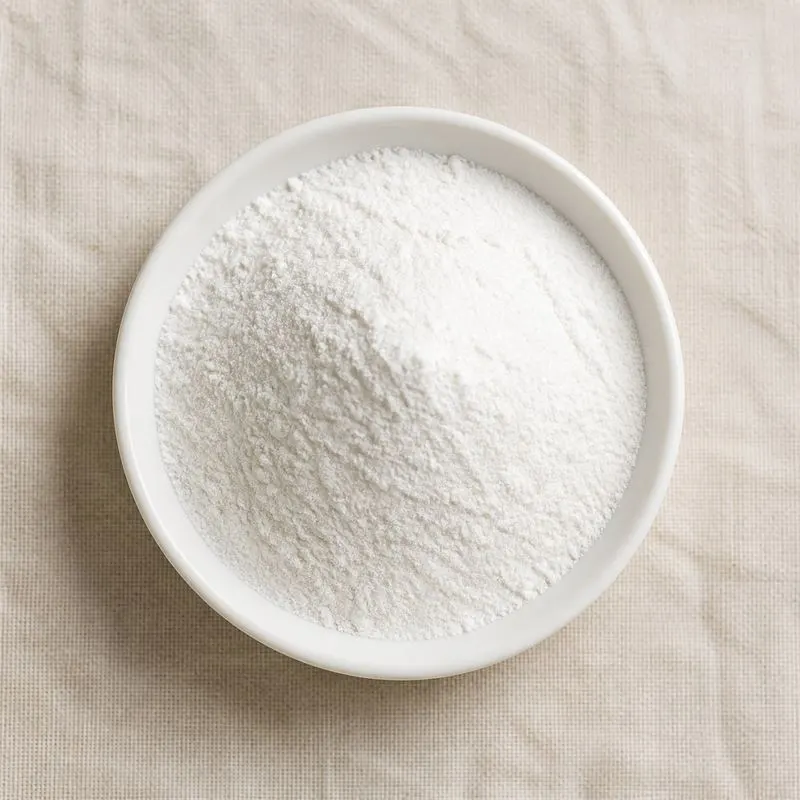
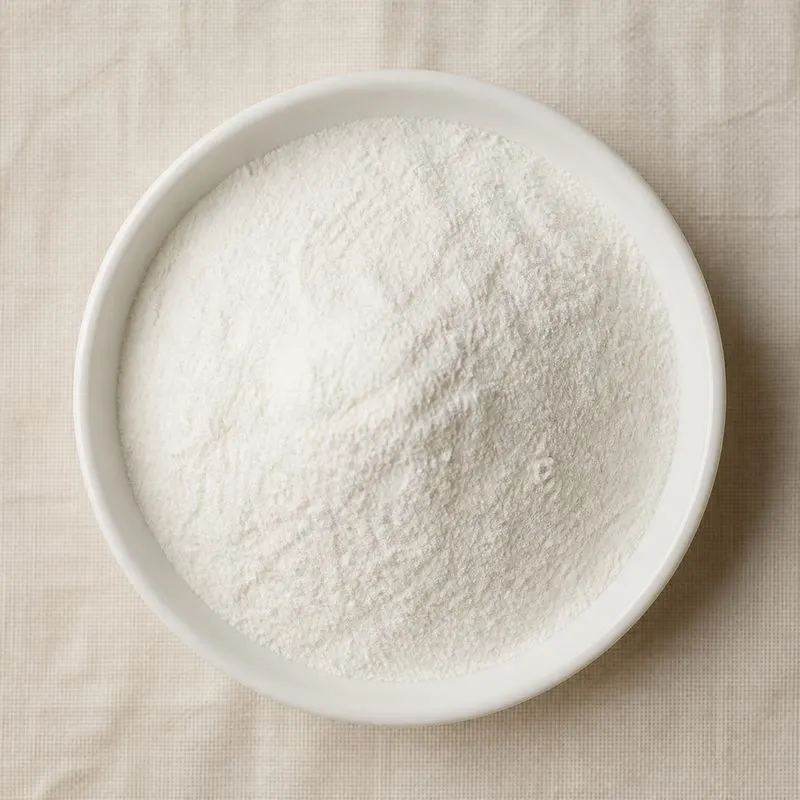
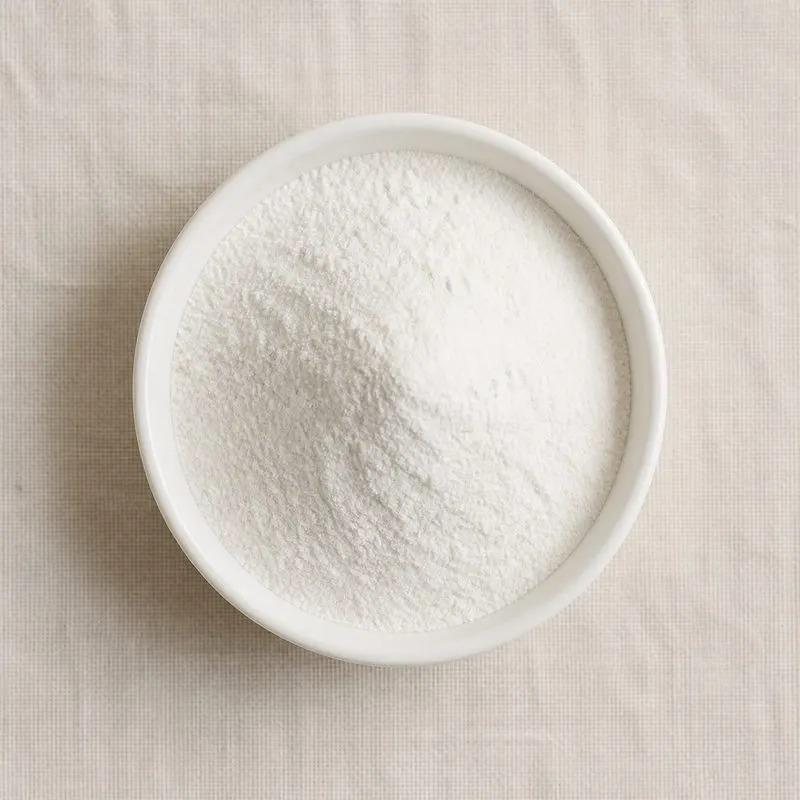
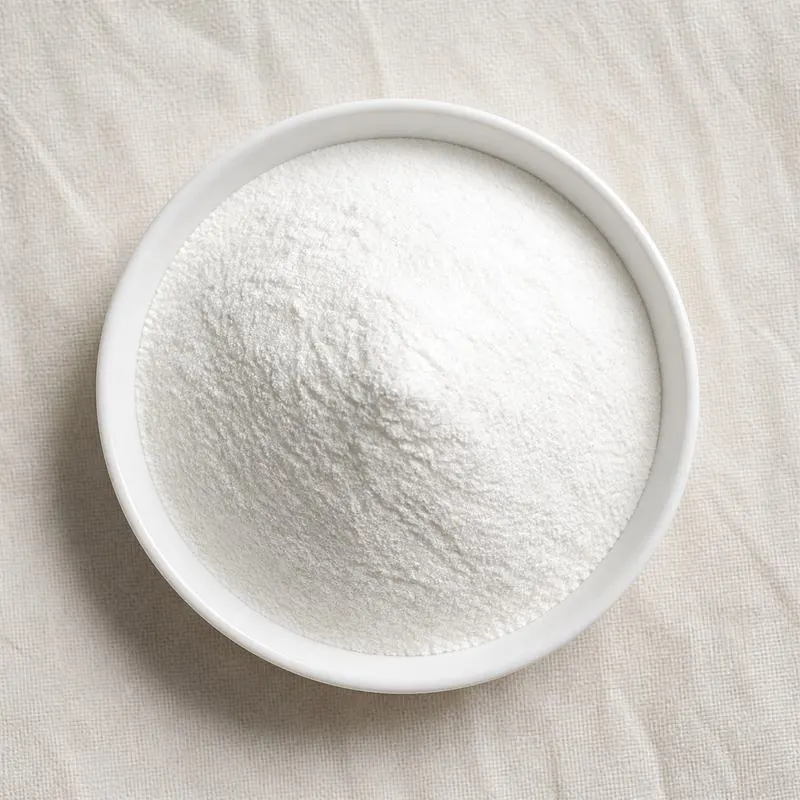
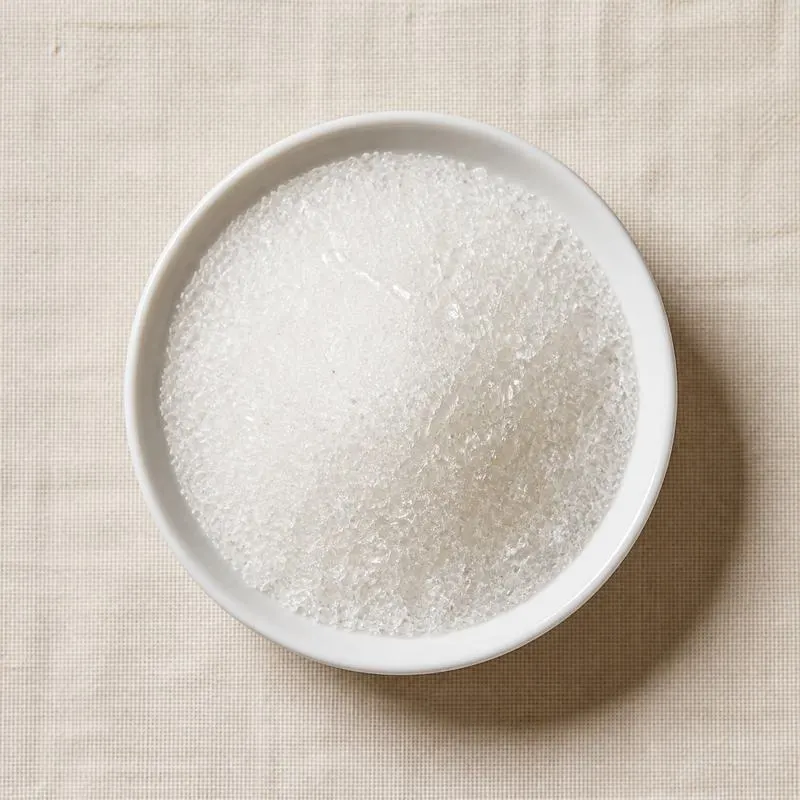
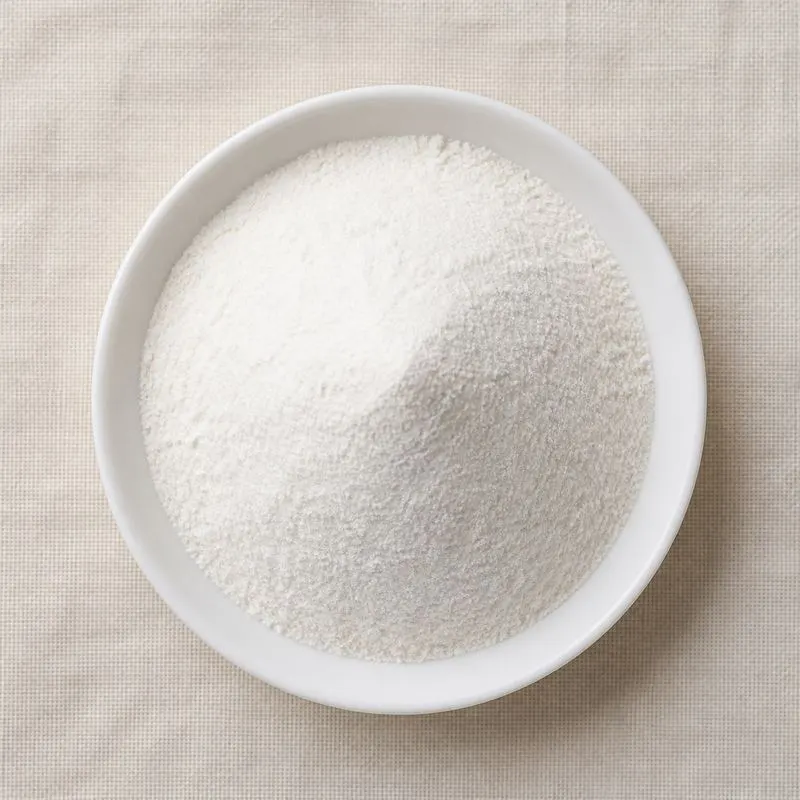
The material is a white to pale cream free flowing powder with a characteristic sharp vinegar odour, freely soluble in water, and strongly hygroscopic. Acetic acid content is normally in the range of eight to fifteen percent of the powder, with maltodextrin or another carrier making up the balance, so use levels are much higher than for glacial acetic acid or a purified acetate salt.
We source bulk Fermented Vinegar Powder-Natural Preservation And Antisepsis from top China manufacturers for our partners. The manufacturer is in Henan. A smaller requirement can ship in a combined container with other ingredients.
Please send the grade you need, the volume and your destination port, and we will come back with a solution and a price.
or call +86-21-6858 0751
- Function
- Probiotic
Specifications
| Item | Specification |
|---|---|
| Appearance | White to pale cream free flowing agglomerated powder |
| Odour and Taste | Characteristic sharp vinegar |
| Acetic Acid Content | Not less than declared percentage, typically 8 to 15 percent |
| Identification | Acetic acid confirmed by chromatography and titration |
| pH of 10 percent Solution | 2.5 to 3.5 plain, 4.5 to 6.0 buffered |
| Carrier Content | Within declared range |
| Loss on Drying | Not more than 5.0 percent |
| Water Activity | Not more than 0.30 |
| Solubility in Water at 20 C | Complete within 60 seconds |
| Particle Size | Not less than 95 percent through 40 mesh |
| Lead | Not more than 1 mg/kg |
| Arsenic | Not more than 1 mg/kg |
| Total Plate Count | Not more than 1000 cfu/g |
| Yeast and Mould | Not more than 100 cfu/g |
| Escherichia coli | Absent in 10 g |
| Salmonella | Absent in 25 g |
Common Markets Grades
The first distinction is plain against buffered. Plain dried vinegar delivers free acetic acid, gives a sharp flavour, and lowers pH, and is chosen where taste is the object or where the food is already acid. Buffered dried vinegar delivers acetate with a much smaller pH effect and is chosen where the food sits near neutral, which covers most meat and bakery applications, and it is specified on both acetic acid content and the pH of a standard solution.
The second axis is acid strength and carrier. Grades are traded at declared acetic acid percentages, with higher strengths being harder to dry and more hygroscopic, and the carrier is usually maltodextrin, though acacia gum, starch and salt are also used and each brings its own declaration. Maltodextrin origin matters, since maize, wheat and tapioca lead to different allergen positions. The third is the vinegar itself: distilled or spirit vinegar gives the cleanest flavour and is the usual base for preservation grades, while cider, wine, malt and rice vinegar are used where the flavour of the source is wanted, and these carry their own declarations. Encapsulated grades, in which the acid is coated in a fat or hydrocolloid shell, are made for applications where the acid must not react until it is released by heat or moisture.
Applications
- Ready to eat meat products, where buffered vinegar acts as a listeria growth inhibitor without a declared preservative
- Fresh sausage and marinated meat, where it slows the lactic acid bacteria that limit chilled display life
- Bread and bakery products, where acetate contributes to mould and rope control
- Salt and vinegar snack seasonings, where the powder is the only practical way to deliver vinegar flavour to a dry coating
- Dry seasoning blends and rubs, where an acid note is required in a powder format
- Dressings, sauces and dips sold as dry mixes
- Pet food and treats, where the acid contributes to both flavour and preservation
- Bakery mixes and dough conditioners, where the powder is blended with the dry ingredients
- Prepared meals and deli salads, where chilled life is extended without changing the label
- Encapsulated applications in fermented sausage, where acid release is timed to the process rather than the mixing stage
China Manufacturers of Fermented Vinegar Powder-Natural Preservation And Antisepsis
Top Fermented Vinegar Powder-Natural Preservation And Antisepsis manufacturers in China.

Company names and logos are the property of the manufacturers themselves. They are listed here because our own directory records them as producing this ingredient. A listing is not an endorsement by them, and we do not represent them or speak on their behalf.
Regulatory Status
In the United States dried vinegar is a food ingredient declared as vinegar or dried vinegar, with the carrier declared separately, and vinegar itself is a standardised food with defined minimum acid strength. Buffered vinegar preparations are widely used in meat and poultry, and the Food Safety and Inspection Service governs what may be added to those products and the level at which it may be used, so a preparation must appear among the substances permitted in meat processing and be declared accordingly. The general labelling requirement that a chemical preservative be declared with a statement of its function is the point on which the treatment of vinegar based shelf life ingredients has been debated, since the ingredient is genuinely vinegar but is being added for preservation.
In the European Union vinegar is a food and carries no E number, while acetic acid and the acetate salts are authorised additives, E 260 and the E 261 to E 263 series, permitted in the categories listed against them. The food additives regulation defines an additive by function rather than by origin, so a vinegar preparation added specifically for preservation falls within the definition of a preservative and the Commission has taken the view that such fermentates should be authorised as additives rather than used as ingredients, which leaves the flavour use straightforward and the preservation use contested. Where the powder is used for taste it is a food ingredient with flavouring properties under the flavourings regulation. Codex defines an additive by function in the same way, and its general standard for food additives covers acetic acid and the acetates.
Manufacturing Process
Production begins with vinegar rather than with acetic acid, which is what allows the finished powder to be declared as vinegar. Vinegar is made by a two stage fermentation: a yeast converts sugar to ethanol, and acetic acid bacteria of the Acetobacter and Komagataeibacter genera then oxidise that ethanol to acetic acid in an aerobic process, carried out industrially in submerged acetators where air is dispersed through the liquid and the heat of oxidation is removed by cooling. The finished vinegar is filtered and, for preservation grades, distilled or produced from a neutral spirit base so that the flavour is clean.
Where a buffered product is being made, the vinegar is partly neutralised with sodium or potassium hydroxide to the specified pH before drying, and the degree of neutralisation is the property that defines the grade. The vinegar is then blended with the carrier and homogenised until the carrier is fully dissolved, and the solution is spray dried. Drying is the difficult step, because acetic acid is volatile and a substantial part of it can be lost with the drying air: inlet and outlet temperatures are held as low as the moisture specification allows, the carrier ratio is set high enough to retain the acid in the drying droplet, and the exhaust is scrubbed. The powder is collected in a fluid bed where it is cooled and agglomerated, then sieved, assayed for acetic acid by titration and for pH, and packed immediately into foil laminate or a lined drum with a desiccant, since it takes up moisture from room air within minutes.