Ferrous Bisglycinate
Ferrous bisglycinate is an iron amino acid chelate in which one ferrous ion is bound by two molecules of glycine, formula Fe(C2H4NO2)2. Each glycine coordinates through both its carboxyl oxygen and its amino nitrogen, closing two five membered rings around the metal, so the iron is held inside an organic cage rather than existing as a free ion in the digestive tract.
That structure decides how the ingredient behaves. Iron from simple salts such as ferrous sulphate is released as a reactive ion that binds to phytate, polyphenols and dietary fibre, which lowers absorption. The same free ion catalyses the oxidation of fats and reacts with polyphenols and sulphur compounds to produce off flavours, rancidity and grey or green discolouration in fortified foods. The chelate remains coordinated through much of the gastric and intestinal pH range, which reduces both those interactions and the gastric irritation associated with ferrous salts.
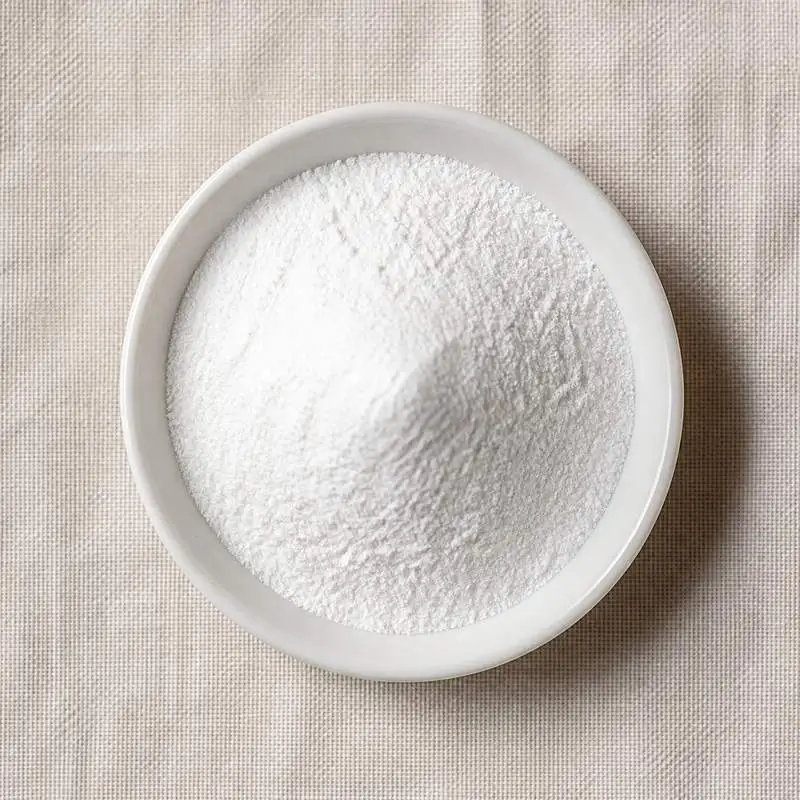
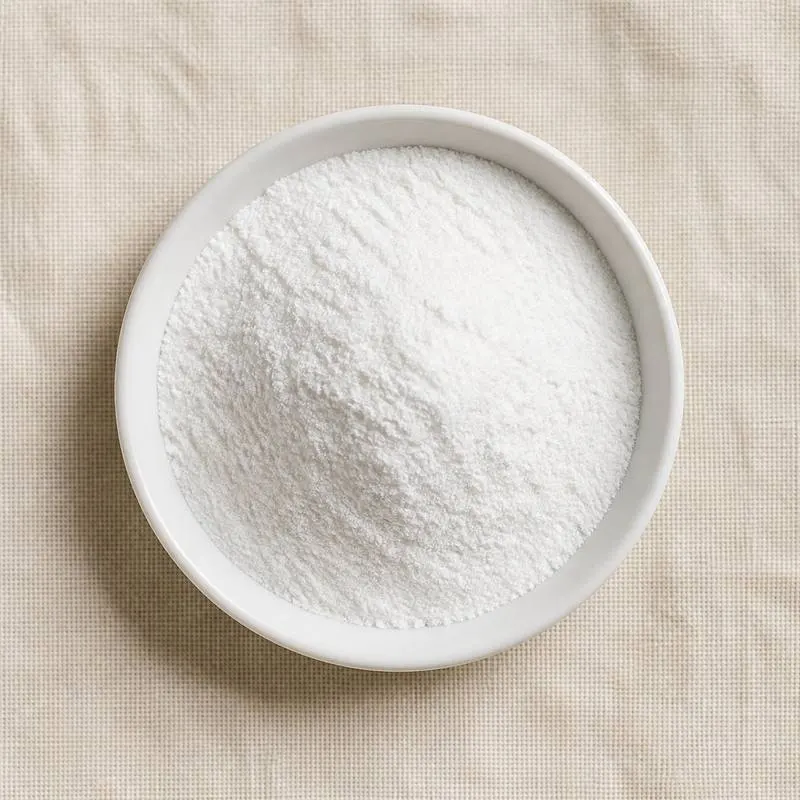
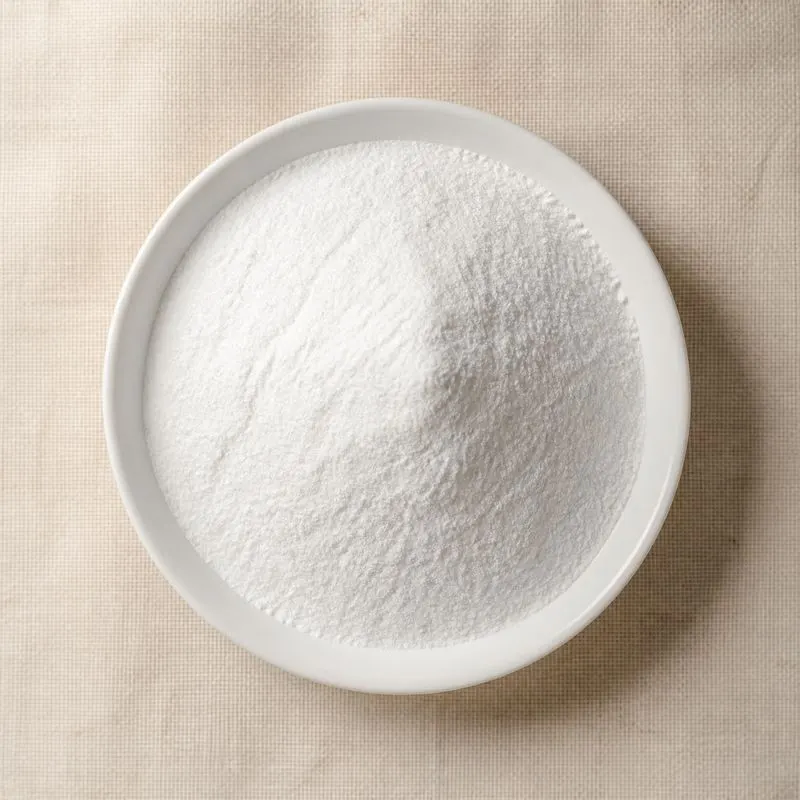
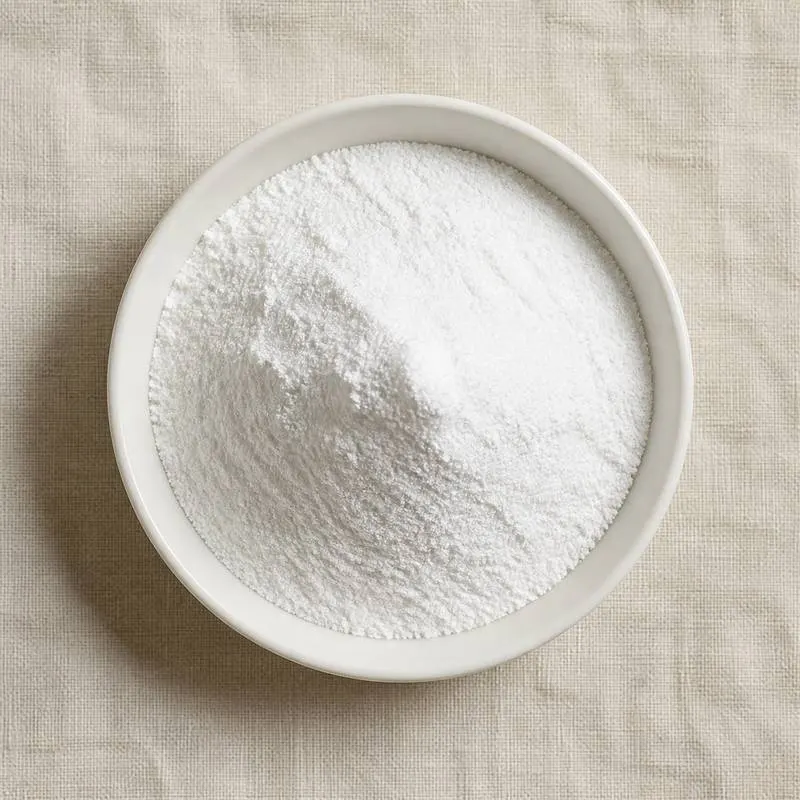
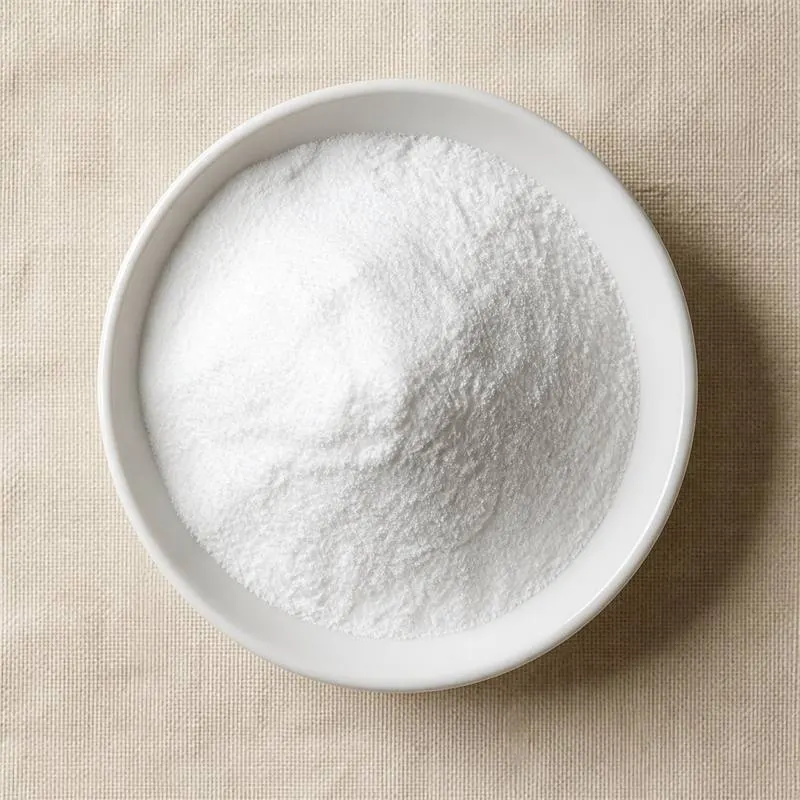
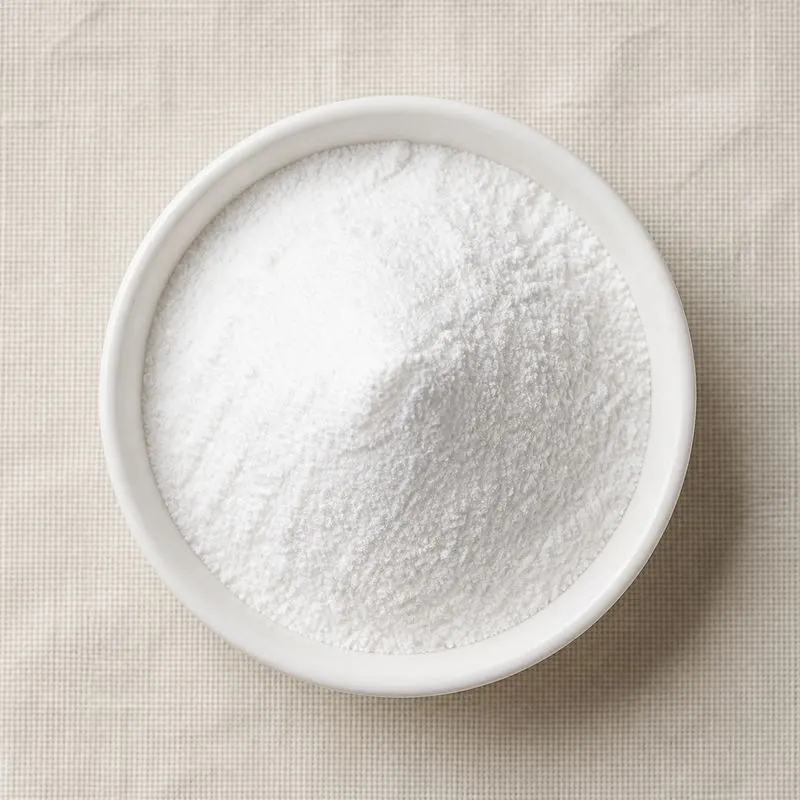
The commercial material is a fine free flowing powder, pale yellow to greyish, with an iron content of roughly 19 to 21 percent for the pure chelate and little of the metallic taste of iron salts. It is partially soluble in water and disperses readily. Ferrous iron oxidises to the ferric form on exposure to air and moisture, so the powder is packed under a moisture barrier and handled and dried under conditions that limit contact with oxygen.
We source bulk Ferrous Bisglycinate from top China manufacturers for our partners. The manufacturer is in Hebei. A smaller requirement can ship in a combined container with other ingredients.
Please send the grade you need, the volume and your destination port, and we will come back with a solution and a price.
or call +86-21-6858 0751
- Function
- Amino acid
Specifications
| Item | Specification |
|---|---|
| Appearance | Pale yellow to greyish fine free flowing powder |
| Identification | Infrared spectrum confirms chelate structure; positive for iron |
| Total iron content | 19.0 to 21.0% |
| Ferric iron, as proportion of total iron | Not more than 3.0% |
| Glycine content | 72.0 to 80.0% |
| Free glycine | Not more than 3.0% |
| Unreacted soluble iron | Not more than 1.0% |
| Loss on drying | Not more than 5.0% |
| pH, 5% aqueous suspension | 4.0 to 6.0 |
| Lead, as Pb | Not more than 1 mg/kg |
| Arsenic, as As | Not more than 1 mg/kg |
| Cadmium, as Cd | Not more than 0.5 mg/kg |
| Total plate count | Not more than 1,000 cfu/g |
| Salmonella | Absent in 25 g |
Common Markets Grades
The pure chelate is specified on iron content near 20 percent and on the proportion of that iron that is genuinely chelated rather than present as residual ferrous salt, which is verified by infrared spectroscopy showing the shift in the carboxyl and amino absorption bands. The ferric iron content is specified separately, because oxidation during manufacture or storage both reduces the nutritional value and reintroduces the reactivity the chelate was chosen to avoid. Buffered and blended grades, made by adding an inorganic iron source back to the chelate, are sold at higher iron content and correspondingly less of the chelate benefit.
Physical presentations follow the dose form. Fine powder is used in beverage powders and sachets, granulated and direct compression grades in tablets, and microencapsulated grades, coated with a hydrogenated fat, a maltodextrin shell or a lipid matrix, in liquid dairy, ready to drink beverages and infant products, where even a chelate can affect colour and flavour over a long shelf life. Iron content is declared as elemental iron, and dosing is always calculated on the elemental basis rather than on the weight of the chelate.
Applications
- Iron supplements in tablet and capsule form, where the chelate is chosen for tolerability against the gastric side effects of ferrous sulphate
- Prenatal and women's health products, where iron requirement is elevated and compliance depends on tolerability
- Paediatric drops and syrups, where reduced staining of teeth and a milder taste matter as much as absorption
- Flour, rice and staple food fortification programmes, where the chelate resists reaction with phytate in cereal matrices
- Fortified beverages and beverage powders, where inorganic iron would cause discolouration and metallic off notes
- Dairy and plant based drinks, using encapsulated grades to prevent oxidation of milk fat and plant lipids over shelf life
- Infant formula and follow on formula, where a well absorbed iron source is required in a matrix containing sensitive fats
- Meal replacement and clinical nutrition powders, where iron must be added without affecting flavour
- Fortified confectionery, gummies and chewables, where taste masking is the limiting factor
- Pet supplements and veterinary anaemia products
Brands Using Ferrous Bisglycinate
Widely-distributed consumer products that list Ferrous Bisglycinate on the ingredient label.
- Nature's WayEnergizing Iron Softgels ↗Supplies 8 mg of iron as ferrous bisglycinate chelate per two softgel serving, together with vitamin B12.Label verified 2026-08-31
- Bluebonnet NutritionAlbion Extra-Strength Chelated Iron 27 mg Vegetable Capsules ↗Provides 27 mg of iron from ferrous bisglycinate chelate under the Ferrochel trade name.Label verified 2026-08-31
- MaryRuth OrganicsOrganic Infant Multivitamin with Iron Liquid Drops ↗The liquid iron in these infant drops is Ferrochel, which the page identifies as ferrous bisglycinate chelate.Label verified 2026-08-31
- MaryRuth OrganicsOrganic Toddler Multivitamin Liquid Drops With Iron ↗A toddler liquid multivitamin whose iron is stated to come from ferrous bisglycinate chelate.Label verified 2026-08-31
Brand names, product names and logos are the property of their owners. They appear here as published evidence that the ingredient is used, taken from the brand's own label or website. Their appearance is not an endorsement, and it does not mean the brand buys from us or from any manufacturer listed on this site.
China Manufacturers of Ferrous Bisglycinate
Top Ferrous Bisglycinate manufacturers in China.

Company names and logos are the property of the manufacturers themselves. They are listed here because our own directory records them as producing this ingredient. A listing is not an endorsement by them, and we do not represent them or speak on their behalf.
Regulatory Status
In the United States ferrous bisglycinate is used both as a dietary ingredient in supplements under the Dietary Supplement Health and Education Act and as an iron source in conventional food, the latter supported by generally recognised as safe determinations notified to the Food and Drug Administration without objection for use in specified food categories at defined iron levels. The label declares the elemental iron contributed rather than the weight of the chelate, and fortification is subject to the nutrient content and fortification policy rules. Purity is normally certified against the Food Chemicals Codex monograph for the substance.
In the European Union the chelate is a nutrient source rather than an additive, so it has no E number. Annex II of Directive 2002/46/EC as amended includes ferrous bisglycinate among the permitted iron sources for food supplements, and Regulation (EC) No 1925/2006 includes it among the sources permitted for addition to foods, following the European Food Safety Authority evaluation of the bioavailability and safety of the substance. Regulation (EU) No 609/2013 and the delegated acts made under it separately govern its use in infant formula, follow on formula and food for special medical purposes, and set their own lists of permitted mineral sources for each product class. Codex includes iron amino acid chelates in its advisory list of nutrient compounds for use in foods for special dietary uses.
Manufacturing Process
Manufacture is a controlled aqueous chelation carried out under conditions that protect the ferrous oxidation state. Food grade glycine is dissolved in purified water in a jacketed reactor, and an iron source is added at a molar ratio of two glycine to one iron. Ferrous sulphate heptahydrate is the usual source, and ferrous carbonate or reduced iron powder is used in routes designed to avoid a sulphate residue, in which case the reaction is driven by heating and, with the carbonate, releases carbon dioxide. The reactor is blanketed with nitrogen and an antioxidant such as ascorbic acid or citric acid may be added, since ferrous iron in warm aqueous solution oxidises quickly to the ferric form, which does not form the same chelate.
The batch is held with agitation at moderate temperature and closely controlled pH while the coordination bonds form, and completion is judged by testing for unreacted soluble iron and by infrared confirmation of the chelate structure. The liquor is polish filtered to remove insolubles, then dried. Spray drying under an inert or oxygen reduced atmosphere gives the fine uniform powder that is the standard presentation, while vacuum or belt drying followed by milling is used for denser particles. The dried powder is sieved to the target particle size, granulated where a direct compression grade is wanted or coated where an encapsulated grade is wanted, passed through a metal detector and packed in lined bags with a moisture and oxygen barrier.