Ferrous Glycinate
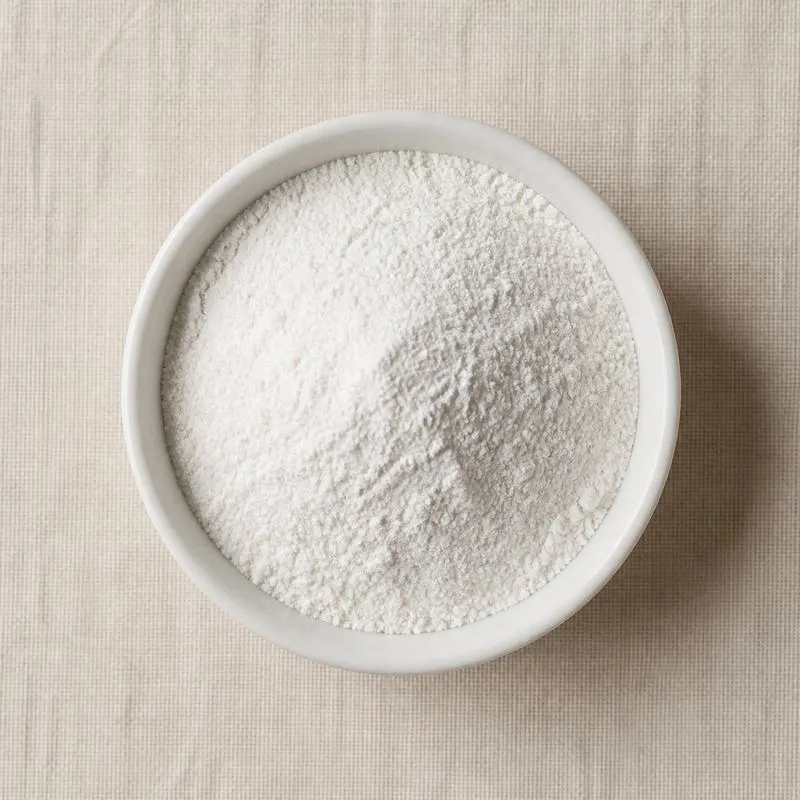
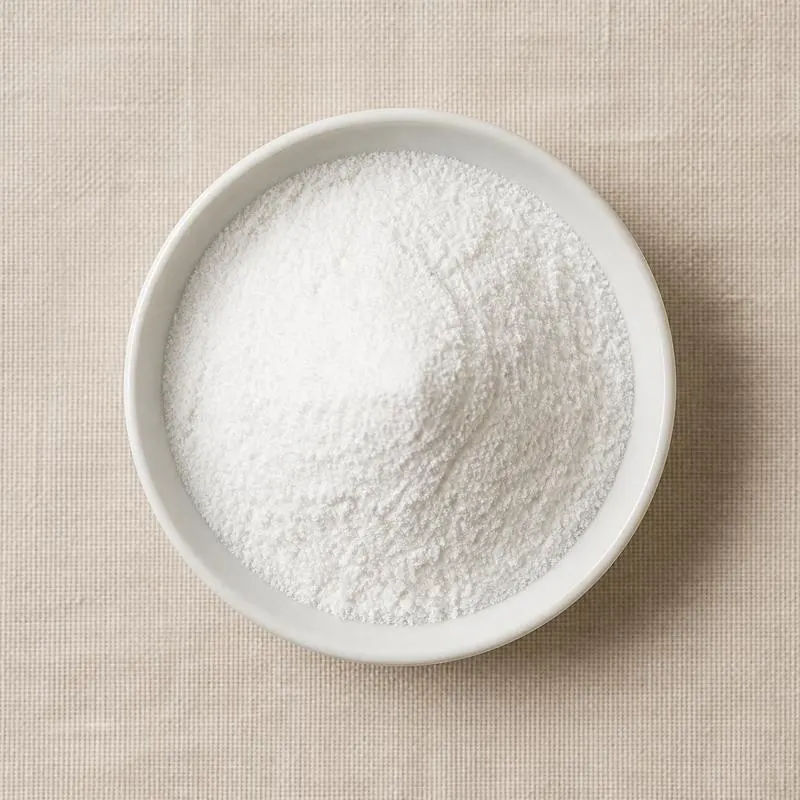
Ferrous Glycinate, more precisely ferrous bisglycinate, is a chelated iron(II) compound in which one Fe(II) cation is coordinated by two glycine molecules.
The chelate, CAS 14282-51-0, has formula Fe(C2H4NO2)2 and is a pale yellow to grey-yellow powder of mild iron flavour. The anhydrous chelate carries roughly 20 percent elemental iron, and the chelate geometry is designed to deliver markedly higher fractional absorption than the comparable mass of ferrous sulphate.
We source bulk Ferrous Glycinate from top China manufacturers for our partners. The manufacturer is in Hebei. A smaller requirement can ship in a combined container with other ingredients.
Please send the grade you need, the volume and your destination port, and we will come back with a solution and a price.
or call +86-21-6858 0751
- Packaging
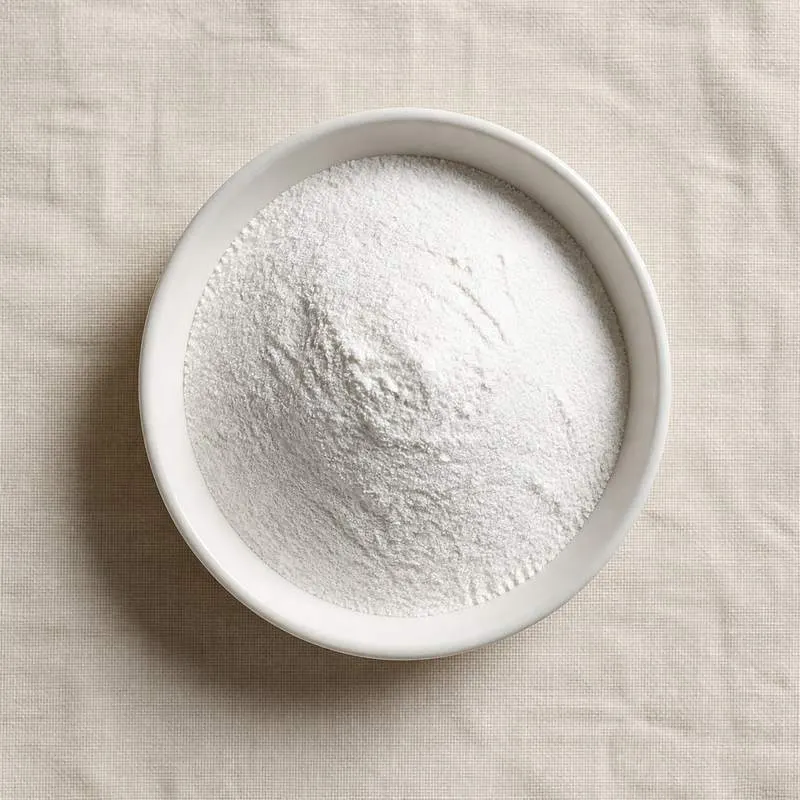
- 25 kg kraft paper bag with PE inner liner
- ISO 9001
- HACCP
- Halal
- Kosher
Specifications
| Item | Specification |
|---|---|
| Appearance | Pale yellow to greyish yellow fine powder, mild characteristic odour |
| Identification (chelate, by FTIR) | Conforms |
| Total Iron (Fe) | 19.0 – 21.0% |
| Ferric Iron | ≤ 1.0% |
| Glycine Content | ≥ 40.0% |
| Degree of Chelation (by FTIR) | ≥ 95% |
| Loss on Drying (105 °C) | ≤ 5.0% |
| pH (1% aqueous suspension, 25 °C) | 4.0 – 6.0 |
| Particle Size | ≥ 95% through 80 mesh |
| Lead | ≤ 2.0 mg/kg |
| Arsenic | ≤ 1.0 mg/kg |
| Cadmium | ≤ 1.0 mg/kg |
| Mercury | ≤ 0.1 mg/kg |
| Total Plate Count | ≤ 1,000 CFU/g |
| Salmonella | Negative/25g |
Common Markets Grades
Pharmaceutical and supplement grade ferrous bisglycinate is the dominant grade. It is sold under proprietary brands, of which Albion Minerals (now Balchem) Ferrochel is the best known, and increasingly under generic GMP brands from China and India.
Food fortification grade meets FCC specifications and is engineered for matrix compatibility in cereals, beverages, and infant formula.
Granular and direct-compression cuts are tailored for high-speed tableting, where the standard powder would not flow.
Spray-dried and agglomerated grades are formulated for instant beverages and ready-to-mix powders.
Many premium grades carry self-affirmed GRAS dossiers, US Patent positions, and clinical bioavailability data, which support their price premium over commodity iron salts.
Applications
- Premium prenatal multivitamins and standalone prenatal iron products positioned around tolerability and bioavailability
- Adult iron supplements for sensitive users who do not tolerate ferrous sulphate or fumarate
- Pediatric chewables, gummies, and liquid drops
- Sports nutrition and recovery products positioned around endurance and oxygen transport
- Infant formula and follow-on formula in markets that permit chelate sources
- Fortified beverages, including dairy, plant-based milks, and functional waters where flavour neutrality is critical
- Medical foods for inflammatory bowel disease, post-bariatric, and chronic-kidney-disease iron repletion
- Clinical-nutrition and tube-feeding formulas
- Nutritional bars, RTD shakes, and meal replacement powders in the premium tier
- Vegan and plant-based supplement lines, where the glycine ligand is fermentation- or synthesis-derived
Brands Using Ferrous Glycinate
Widely-distributed consumer products that list Ferrous Glycinate on the ingredient label.
- MegaFoodBlood Builder Iron Supplement ↗Tablets supplying 26 mg iron as fermented iron bisglycinate, with vitamin C, folic acid, B12 and organic beetroot.Label verified 2026-05-24
- ThorneIron Bisglycinate 25 mg Capsules ↗Thorne Iron Bisglycinate provides 25 mg elemental iron as Albion's Ferrochel ferrous bisglycinate chelate per capsule; NSF Certified for Sport, formulated for enhanced absorption without GI side effects.Label verified 2026-05-24
- SolgarGentle Iron (Iron Bisglycinate) 25 mg Vegetable Capsules ↗Solgar Gentle Iron lists iron (as ferrous bisglycinate) 25 mg per capsule as the sole active; non-constipating chelated iron form, vegan and kosher.Label verified 2026-05-24
- Pure EncapsulationsIron-C Capsules ↗Pure Encapsulations Iron-C combines Ferrochel ferrous bisglycinate with calcium ascorbate (Ester-C) to provide bioavailable iron plus vitamin C for red blood cell and energy support.Label verified 2026-05-24
- NOW FoodsIron 18 mg Veg Capsules (Ferrochel Bisglycinate) ↗Veg capsules supplying 18 mg elemental iron from 90 mg Ferrochel ferrous bisglycinate.Label verified 2026-05-24
- Nature's BountyGentle Iron 28 mg Capsules ↗Capsules supplying 28 mg iron as ferrous bis-glycinate with vitamin C, folic acid and B12.Label verified 2026-05-24
Brand names, product names and logos are the property of their owners. They appear here as published evidence that the ingredient is used, taken from the brand's own label or website. Their appearance is not an endorsement, and it does not mean the brand buys from us or from any manufacturer listed on this site.
China Manufacturers of Ferrous Glycinate
Top Ferrous Glycinate manufacturers in China.

Company names and logos are the property of the manufacturers themselves. They are listed here because our own directory records them as producing this ingredient. A listing is not an endorsement by them, and we do not represent them or speak on their behalf.
How We Help Source Ferrous Glycinate
Direct Factory Sourcing
We run the whole process: selecting the manufacturer from the top Chinese food ingredient producers, negotiating the price, verifying quality, and coordinating the logistics. You deal with us instead of with several factories at once.
Original Packaging and Documents from the Manufacturer
The manufacturer sends your Ferrous Glycinate out of its own factory in the original packing, through to your destination port. The COA, COO, MSDS, TDS and any certifications reach you from the manufacturer as well.
Free Samples and Lead Time
We send 100 to 500 g free for your own laboratory to test and you cover only the courier, usually within 2 to 3 working days. ETD is usually within 7 to 15 days once the order is confirmed, and we check that date against the factory's own manufacturing schedule before we give it to you.
Combined Shipment
We can load Ferrous Glycinate together with other ingredients such as Sodium Acetate, Calcium Citrate and Sodium Lactate into one 20' FCL. If your quantity is small, we can also ship LCL.
Regulatory Status
Ferrous Bisglycinate is approved as a source of iron in food supplements and fortified foods in essentially all major regulated markets.
In the United States the chelate is self-affirmed GRAS for several applications and is listed as a permitted source of iron in dietary supplements and conventional foods. EAFUS entries cover the principal commercial grades.
The European Union authorised iron bisglycinate as a source of iron for food supplements under Regulation (EC) No 1925/2006 and for infant and follow-on formulae under Regulation (EU) 2017/2470 after a positive EFSA opinion in 2006.
JECFA has reviewed ferrous bisglycinate as a source of iron for fortification.
Pharmacopoeial coverage is more limited than for legacy iron salts, but USP has published a monograph for ferrous bisglycinate. Halal, Kosher, and vegan certifications are widely available, with vegan status depending on the glycine source documentation.
Manufacturing Process
The chelate is produced by a controlled reaction between a soluble ferrous source, typically ferrous sulphate or ferrous chloride, and glycine in aqueous solution. The molar ratio is held close to 1:2 iron to glycine to favor the bisglycinate species over mono- and tris-glycinate variants.
The reaction is run under nitrogen at controlled pH and temperature. As the chelate forms, the solution colour shifts from the pale green of free Fe(II) to a more yellow-tan tone characteristic of the coordinated species.
The product is recovered by spray drying or by precipitation, washing, and vacuum drying. The dried chelate is milled and sieved to the target particle size distribution.
A key quality control challenge is verifying actual chelation. Several analytical methods, including FTIR and chromatography, are used to distinguish a true bisglycinate chelate from a physical blend of ferrous sulphate and glycine. Premium brands publish chelation indices and rely on patent protection of the manufacturing process and characterisation methods.