Fingered Citron Extract
Fingered citron extract is a concentrated preparation of the fruit of Citrus medica L. var. sarcodactylis, the finger-shaped citron called Buddha's hand in English and fo shou in Chinese. Because the fruit is almost entirely rind and pith with negligible pulp and juice, the extract is in practice a peel extract, and its composition reflects that: flavonoid glycosides, limonoids, volatile oil and pectin rather than sugars and organic acids.
The flavonoid fraction is dominated by hesperidin, with diosmin, naringin and rutin present, and total flavonoids is the figure most extracts are standardised on. Alongside it sit the bitter limonoids, principally limonin, a volatile fraction rich in limonene and gamma-terpinene that carries the fresh citrus aroma, and coumarins and polysaccharides from the pith. The overall profile is close to other citrus peel extracts but with a more pronounced aromatic and slightly medicinal character.
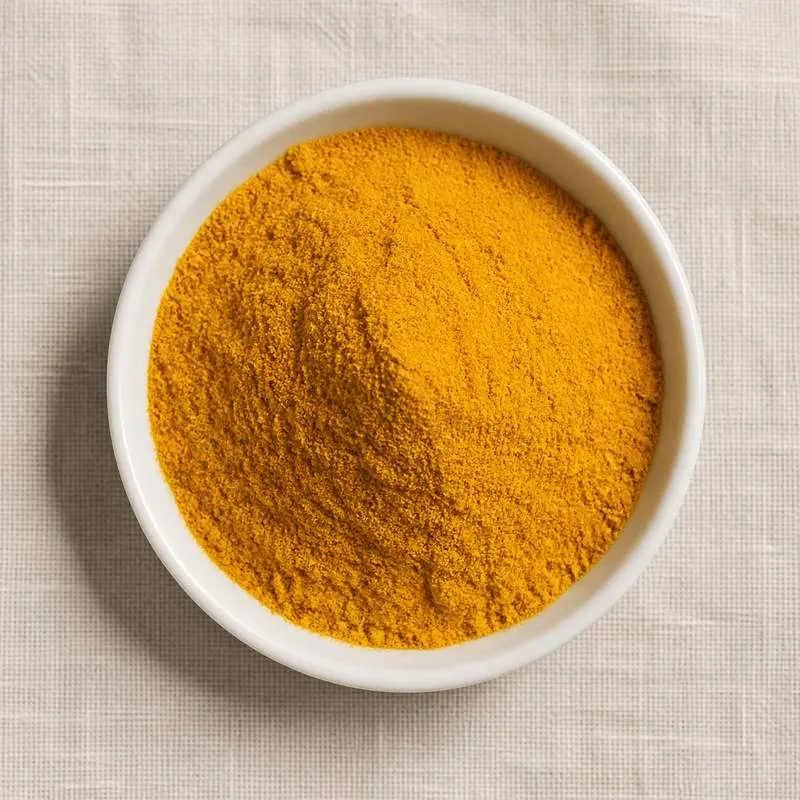
The extract is a light yellow to yellowish brown fine powder with a citrus odour and a bitter aftertaste from the limonoid fraction. Hesperidin itself is poorly soluble in water and dissolves better in alkaline solution or in aqueous ethanol, so powders on a maltodextrin carrier disperse rather than fully dissolve and beverage work generally uses either a low dose or a solubilised preparation. The material is stable to normal food processing but the volatile fraction is lost on prolonged heating and the flavonoids darken under alkaline conditions.
We source bulk Fingered Citron Extract from top China manufacturers for our partners. The manufacturer is in Zhejiang. A smaller requirement can ship in a combined container with other ingredients.
Please send the grade you need, the volume and your destination port, and we will come back with a solution and a price.
or call +86-21-6858 0751
- Function
- Plant extract
Specifications
| Item | Specification |
|---|---|
| Botanical Source | Citrus medica var. sarcodactylis, dried fruit |
| Appearance | Light yellow to yellowish brown fine powder |
| Total Flavonoids by UV | ≥ 10.0% |
| Identification | Conforms by TLC and HPLC to reference extract |
| Loss on Drying | ≤ 5.0% |
| Ash | ≤ 6.0% |
| Sulphur Dioxide | ≤ 30 mg/kg |
| Residual Solvent (Ethanol) | ≤ 5,000 mg/kg |
| Lead | ≤ 2.0 mg/kg |
| Arsenic | ≤ 1.0 mg/kg |
| Total Plate Count | ≤ 10,000 cfu/g |
| Yeast and Mould | ≤ 100 cfu/g |
| E. coli | Negative in 1 g |
| Salmonella | Negative in 25 g |
Common Markets Grades
The volume grades are ratio extracts without a marker claim, commonly 4:1, 10:1 or 20:1 water or hydroalcoholic extracts of dried fruit slices, sold into herbal tea and traditional preparations. Standardised grades are quoted as total flavonoids by ultraviolet method at 5, 10 or 20 percent, or specifically on hesperidin by HPLC where a defined single marker is required. Extracts standardised on volatile oil content are traded for flavour work and are a different product from the flavonoid grades.
Plant part and preparation of the starting material are genuine specification points, since the extract may be made from fresh fruit, from sun dried slices or from sulphur-dried slices, and the last of these carries residual sulphite. Physical variants include spray dried powder as the standard form, maltodextrin-carried grades for dry blending, granulated grades for sachet filling and fluid extract at 50 to 60 percent solids for oral liquids and tea concentrates. Milled dried fruit powder is traded alongside the extracts and is not the same product.
Applications
- Instant herbal tea granules and sachets, the largest outlet for the water-soluble spray dried grade
- Digestive and appetite supplements, drawing on the traditional use of the dried fruit as a digestive herb
- Respiratory and cough preparations, syrups and lozenges in the traditional Chinese formulation tradition
- Citrus flavoured beverages and fruit drinks, where the extract contributes aroma alongside the flavonoid load
- Bitters, liqueurs and vermouth-style aperitifs using the limonoid fraction for bitterness
- Functional confectionery and candied products carrying a traditional health positioning
- Vascular and circulatory supplements formulated on hesperidin content, alongside other citrus bioflavonoid sources
- Skin care serums and creams using the flavonoid and volatile fractions
- Fragrance compositions needing a fresh, slightly resinous citrus top note
China Manufacturers of Fingered Citron Extract
Top Fingered Citron Extract manufacturers in China.
Company names and logos are the property of the manufacturers themselves. They are listed here because our own directory records them as producing this ingredient. A listing is not an endorsement by them, and we do not represent them or speak on their behalf.
Regulatory Status
In the United States Citrus medica is a conventional food crop and citron peel appears among the natural flavouring substances and natural substances used in conjunction with flavours listed as generally recognised as safe in 21 CFR 182.20. Standardised extracts sold into supplements are dietary ingredients under the Dietary Supplement Health and Education Act, with manufacture under 21 CFR Part 111. Where sulphur-dried starting material is used, residual sulphite above the labelling threshold must be declared.
In the European Union citron fruit and its preparations are recognised as a source of natural flavouring under Regulation (EC) No 1334/2008, and conventional water and ethanol extracts of a fruit with an established food history are handled as foods rather than under the novel food Regulation, although a highly purified flavonoid fraction that departs from traditional consumption would need to be checked against that Regulation. Sulphur dioxide arising from the dried starting material is controlled under Regulation (EC) No 1333/2008 and is an allergen for labelling purposes. No health claim for fingered citron appears on the EU register of authorised claims. Dried citrus peel is subject to pesticide maximum residue levels applied with a drying factor, and post-harvest fungicides are a routine test point for this matrix.
Manufacturing Process
Production starts from dried fingered citron slices, or in an integrated plant from fresh fruit that has already had its peel oil recovered by cold pressing. The dried material is inspected, tested for identity and residual sulphur dioxide, and milled to a coarse powder. Extraction is by countercurrent percolation or repeated reflux with aqueous ethanol at 50 to 70 percent, and the alcohol is necessary because hesperidin and the other flavonoid glycosides are poorly recovered in water alone. Where a polysaccharide or a tea-type extract is the target, hot water extraction is used instead.
The pooled liquor is filtered to remove peel fibre and the ethanol is recovered under vacuum. For a standardised flavonoid grade the concentrate is passed over macroporous adsorption resin, which retains the flavonoids and limonoids while sugars, pectin and salts wash through, and a graded ethanol elution releases the enriched fraction, setting the declared assay. The eluate is concentrated under vacuum at low temperature to preserve what remains of the volatile fraction, adjusted to the declared flavonoid level by blending or with a maltodextrin carrier, then spray dried or vacuum belt dried, sieved to specification, passed through a metal detector and packed under a moisture barrier.