Fish Essence Hydrolyzed Protein
Fish essence hydrolysed protein is a savoury flavour ingredient made by enzymatically digesting fish protein to the point where the free amino acids and short peptides released carry the taste rather than the nutrition. It sits in the reaction and process flavour trade alongside hydrolysed vegetable protein and yeast extract, and is sold for what it contributes to a seasoning system rather than as a protein source.
Its flavour activity comes from the composition of the hydrolysate. Glutamic and aspartic acid released from the fish muscle protein give umami directly, the nucleotides carried over from the tissue amplify it, and the short peptides contribute the thick, mouth filling character described as kokumi. Alongside those, the volatile compounds generated during hydrolysis and drying supply the marine and cooked fish notes that distinguish it from a plain vegetable hydrolysate.
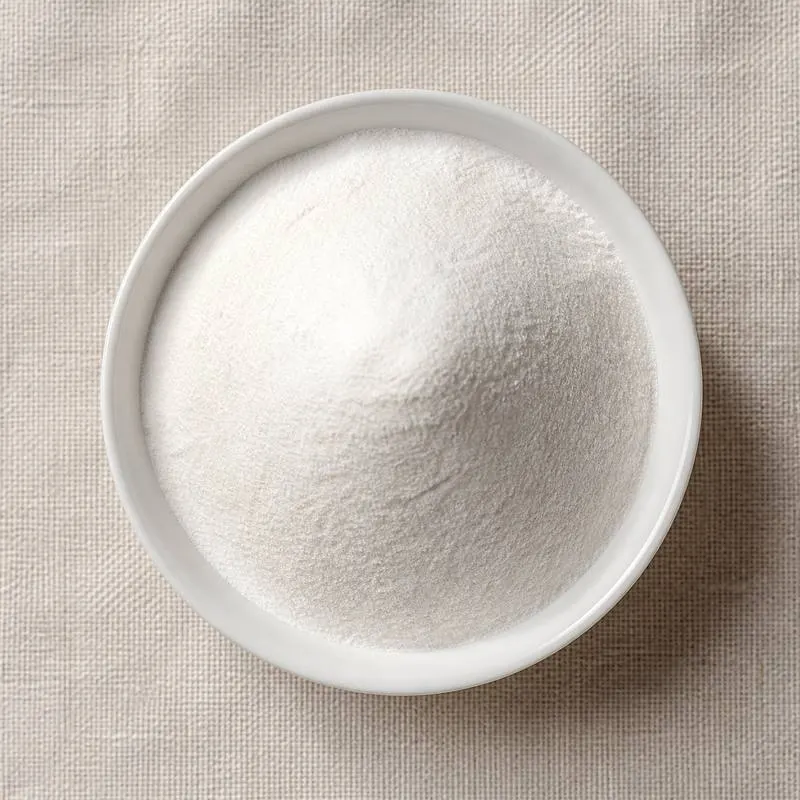
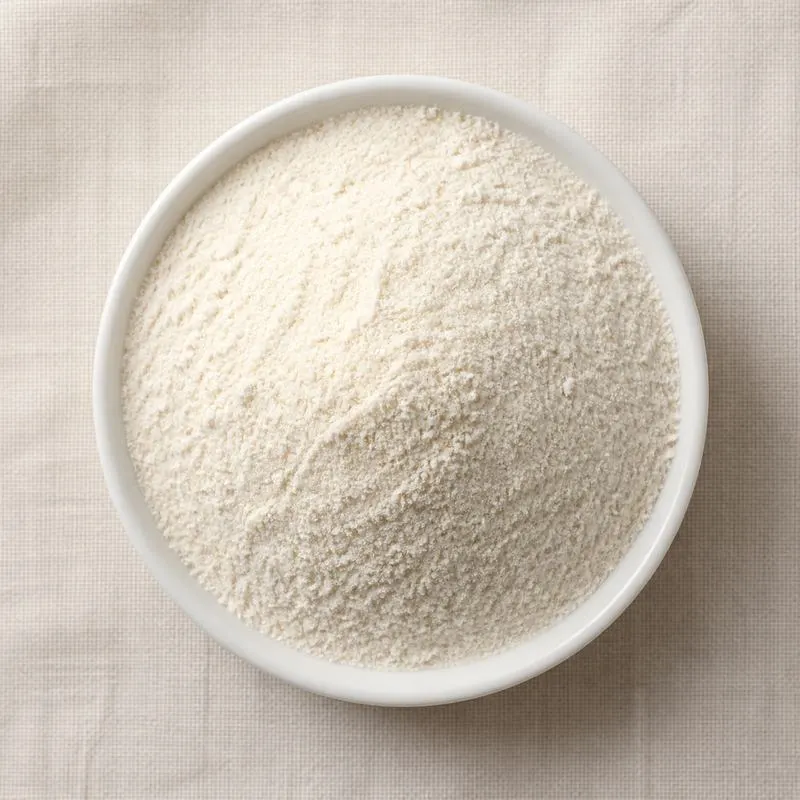
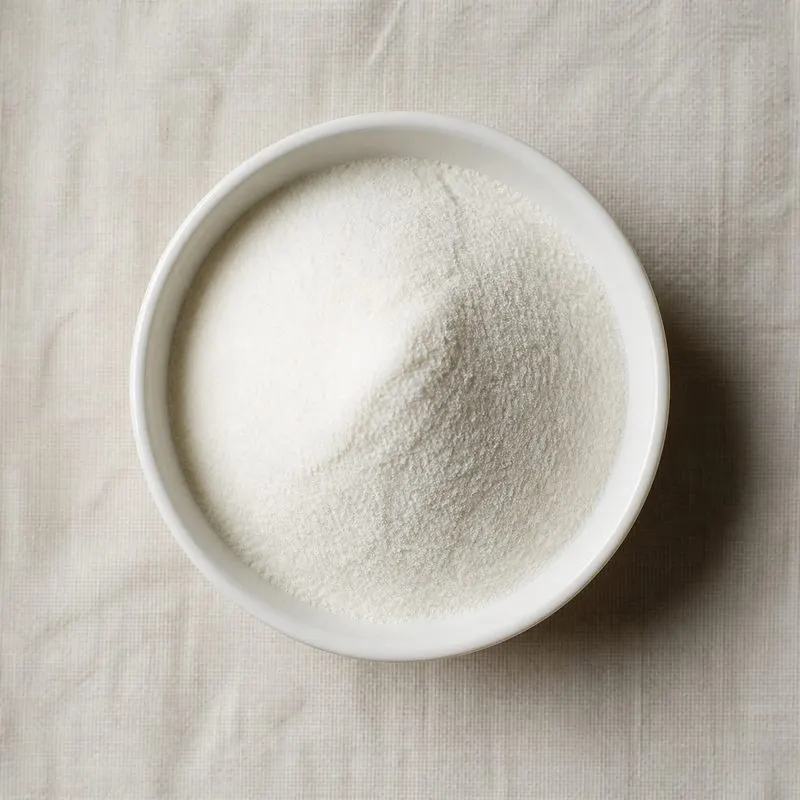
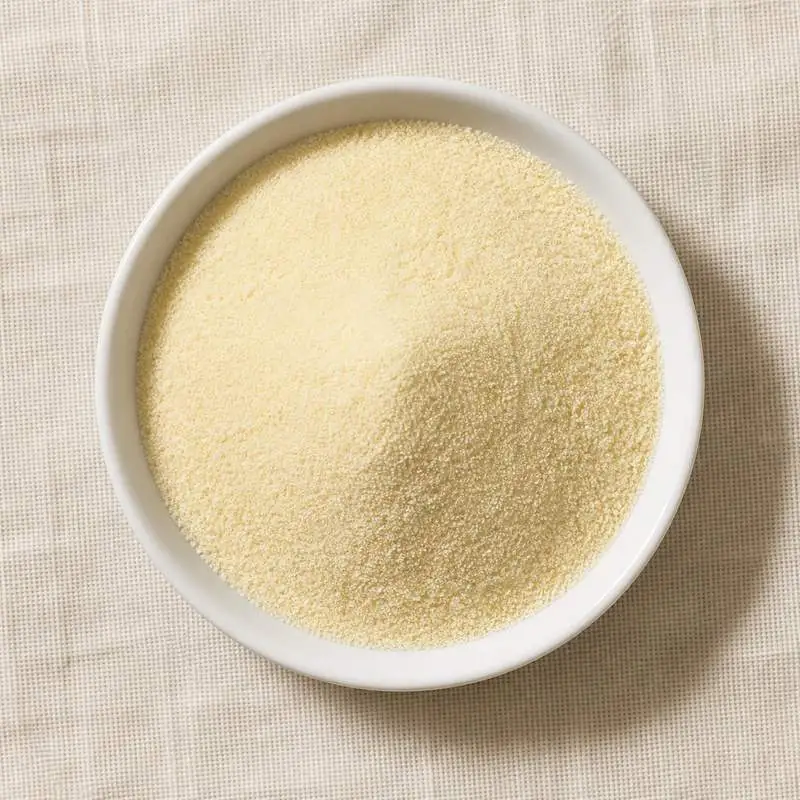
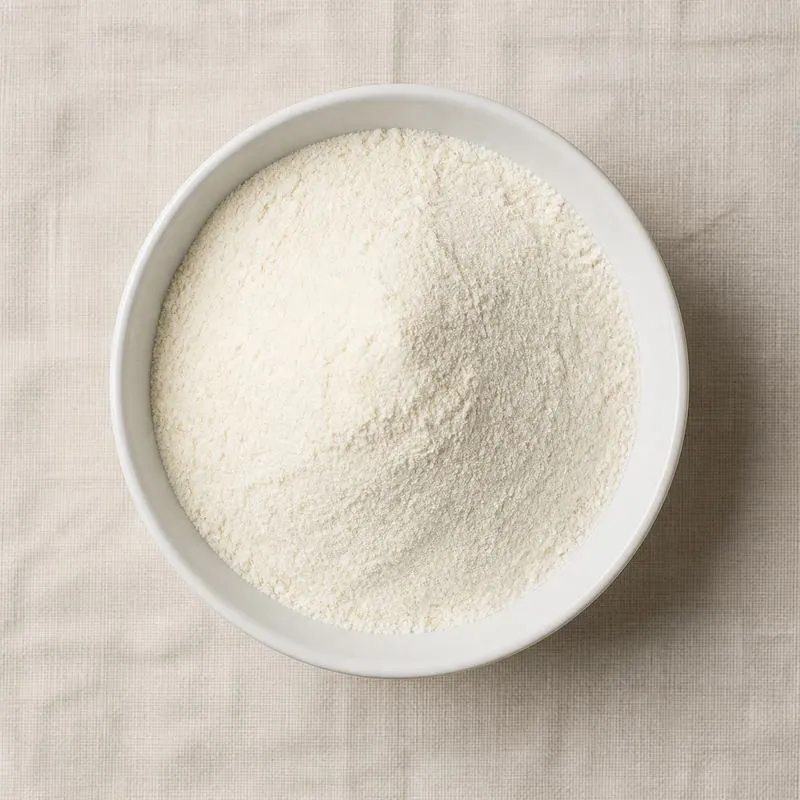
The material comes as a light yellow to brown spray dried powder, or as a paste or liquid concentrate for manufacturers who prefer to dose it wet. It dissolves completely in water, is stable through retort and baking, and is normally used at a fraction of a percent to a few percent of the finished formulation, where its salt content also has to be counted into the recipe.
We source bulk Fish Essence Hydrolyzed Protein from top China manufacturers for our partners. The manufacturer is in Shandong. A smaller requirement can ship in a combined container with other ingredients.
Please send the grade you need, the volume and your destination port, and we will come back with a solution and a price.
or call +86-21-6858 0751
- Function
- Protein
Specifications
| Item | Specification |
|---|---|
| Appearance | Light yellow to brown free flowing powder |
| Odour and Taste | Characteristic savoury marine flavour, strongly umami |
| Total Nitrogen (dry basis) | Not less than 8.0 percent |
| Amino Nitrogen | Not less than 3.5 percent |
| Glutamic Acid | Not less than 6.0 percent |
| Sodium Chloride | Declared by grade, 5 to 45 percent |
| Loss on Drying | Not more than 6.0 percent |
| Fat | Not more than 1.0 percent |
| pH (1 percent solution) | 5.0 to 6.5 |
| Solubility in Water | Not less than 99.0 percent |
| Histamine | Not more than 200 mg/kg |
| Lead | Not more than 0.5 mg/kg |
| Arsenic (inorganic) | Not more than 0.5 mg/kg |
| Mercury | Not more than 0.5 mg/kg |
| Total Plate Count | Not more than 10000 cfu/g |
| Yeast and Mould | Not more than 100 cfu/g |
| E. coli | Negative in 1 g |
| Salmonella | Negative in 25 g |
Common Markets Grades
Grades are defined by flavour profile and by the analytical figures that track it. Total nitrogen and amino nitrogen are the standard specifications, with the ratio between them indicating how far the hydrolysis was taken, and glutamic acid content is quoted where the material is bought for umami intensity. Salt content varies widely, from low salt grades made by membrane desalting to grades carrying 40 percent or more sodium chloride, which serve as a combined salt and flavour ingredient.
Raw material is the other axis. Hydrolysates made from white fish trimmings are milder and lighter in colour, those from anchovy, sardine and other oily species are stronger and darker, and material made from the cooking liquor of tuna and other canning operations, sometimes called fish stickwater concentrate, is a lower cost variant with a heavier profile. Reaction flavoured grades, in which the hydrolysate has been heated with reducing sugars and sulphur containing amino acids to develop cooked notes, are a separate item sold on sensory performance rather than on composition. Fish sauce derived powders occupy the adjacent fermented category.
Applications
- Instant noodle and soup seasoning sachets, as the marine savoury base
- Compound seasoning powders and stock cubes, contributing umami and body
- Surimi and fish ball products, reinforcing the fish character lost in washing
- Sauces, marinades and dipping sauces in the Asian food trade
- Snack seasonings for crisps, extruded snacks and coated nuts
- Ready meals and retorted products, where the flavour survives the heat process
- Seafood analogue products, supplying the marine note in plant based formulations
- Pet food palatants, where fish hydrolysate strongly improves acceptance
- Aquaculture feed attractants, stimulating feeding in farmed fish and shrimp
China Manufacturers of Fish Essence Hydrolyzed Protein
Top Fish Essence Hydrolyzed Protein manufacturers in China.

Company names and logos are the property of the manufacturers themselves. They are listed here because our own directory records them as producing this ingredient. A listing is not an endorsement by them, and we do not represent them or speak on their behalf.
Regulatory Status
In the United States hydrolysed fish protein used for flavour purposes is a conventional food ingredient, and hydrolysed proteins used as flavourings must be declared by their specific source name in the ingredient list rather than as a generic flavour. Because a hydrolysate contributes free glutamate, labelling practice and consumer expectation around glutamate declaration apply even though no monosodium glutamate has been added. Fish is a major food allergen and must be declared regardless of the degree of hydrolysis. Enzyme preparations used in manufacture must themselves be permitted for food use.
In the European Union hydrolysed fish protein used as a flavouring falls under the flavourings regulation, which covers thermal process flavourings and their production conditions, while a simple enzymatic hydrolysate used as a food ingredient is labelled as such. Fish is a listed allergen under the food information regulation and must be declared. Where the hydrolysate is produced by heating with reducing sugars, the resulting thermal process flavouring is subject to the production conditions and maximum levels for certain undesirable substances set out in that regulation. Codex maintains general standards for food additives and for the labelling of prepackaged foods, and a code of practice for fish and fishery products that covers the raw material handling.
Manufacturing Process
The feedstock is fish muscle, trimmings and frames from filleting operations, or the protein rich cooking liquor generated by fish canning and fishmeal plants. Solid raw material is washed, minced and usually partly defatted, since residual lipid oxidises during hydrolysis and drying and produces rancid notes that carry into the finished seasoning. The mince or liquor is slurried in water and brought to the temperature and pH window of the enzyme system.
Hydrolysis is run with food grade proteases and is taken further than for a nutritional peptide, because the object is to release free amino acids rather than to preserve peptide chains. An endoprotease opens the protein and an exopeptidase, often a fungal preparation with strong aminopeptidase activity, releases the terminal amino acids that carry the taste. The reaction is stopped by heating, which inactivates the enzymes, and the hydrolysate is centrifuged and filtered to remove bone, scale and separated fat. Salt is adjusted at this point, either added for preservation and flavour or removed by nanofiltration for low salt grades. Where a reaction flavoured grade is being made, the concentrate is heated with reducing sugars and amino acids to develop cooked character. The liquor is then concentrated under vacuum and spray dried onto a carrier such as maltodextrin or salt, or filled as a paste, then packed with a moisture barrier.