Flax Seed Extract
Flax seed extract is a concentrated preparation of the seed of Linum usitatissimum, standardised in the great majority of commercial trade on its lignan content. The marker compound is secoisolariciresinol diglucoside, abbreviated SDG, a plant lignan concentrated in the seed coat and present in flax at higher levels than in any other common food crop. Sesamin, matairesinol and pinoresinol occur alongside it in smaller amounts.
The extract is normally made from the defatted seed meal left after oil pressing, not from whole seed, since the lignans sit in the hull and the oil would otherwise dominate the extract. Other fractions can be the target instead: a soluble mucilage or flax gum extracted from the hull as a hydrocolloid, and a protein isolate from the meal, both of which are traded separately from the lignan product.
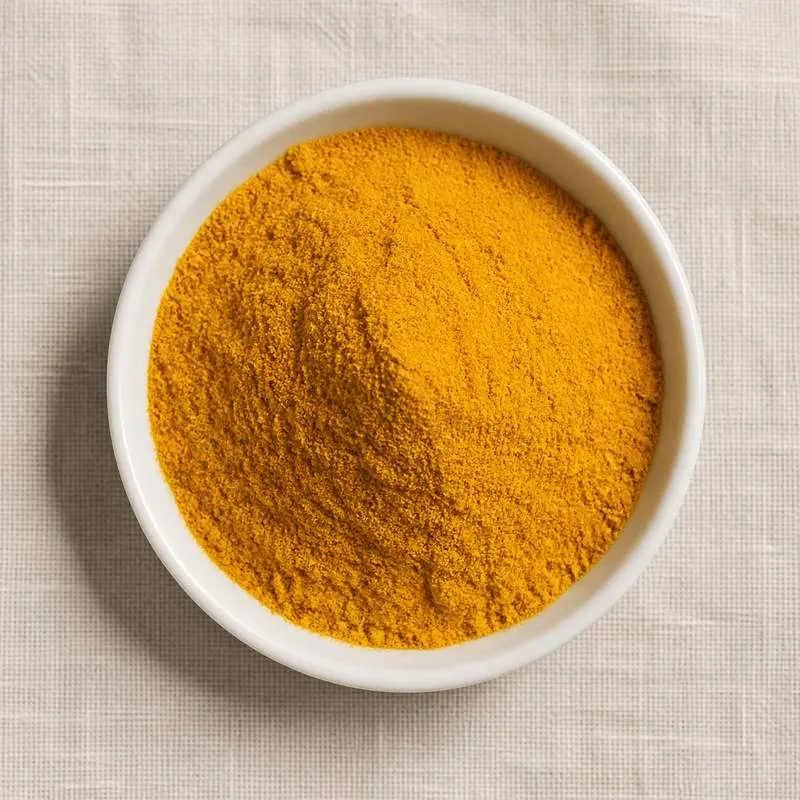
The lignan grade is a light brown to brown fine powder with a faint nutty odour and a mildly bitter taste. SDG is a glycoside and is soluble in water and in aqueous alcohol, giving a slightly hazy solution, while the aglycone released by hydrolysis is far less water soluble. The material is stable at ambient storage but the glycosidic bond hydrolyses under strong acid and prolonged heat, and the residual fatty fraction in lower purity grades can oxidise, so the powder is packed with a moisture and oxygen barrier.
We source bulk Flax Seed Extract from top China manufacturers for our partners. The manufacturer is in Shaanxi. A smaller requirement can ship in a combined container with other ingredients.
Please send the grade you need, the volume and your destination port, and we will come back with a solution and a price.
or call +86-21-6858 0751
- Function
- Plant extract
Specifications
| Item | Specification |
|---|---|
| Botanical Source | Linum usitatissimum, defatted seed meal |
| Appearance | Light brown to brown fine powder |
| SDG by HPLC | ≥ 20.0% |
| Identification | Conforms by HPLC to reference standard |
| Loss on Drying | ≤ 5.0% |
| Ash | ≤ 6.0% |
| Total Hydrogen Cyanide | ≤ 10 mg/kg |
| Residual Solvent (Ethanol) | ≤ 5,000 mg/kg |
| Lead | ≤ 2.0 mg/kg |
| Arsenic | ≤ 1.0 mg/kg |
| Total Plate Count | ≤ 10,000 cfu/g |
| Yeast and Mould | ≤ 100 cfu/g |
| E. coli | Negative in 1 g |
| Salmonella | Negative in 25 g |
Common Markets Grades
The lignan grades are quoted on SDG content by HPLC. Twenty percent SDG is the common commodity level, 35 and 40 percent are the standard supplement specifications, and 60 to 80 percent purified fractions are sold in smaller volume where dose per capsule is the constraint. Some suppliers quote total lignans by a colourimetric method instead, which gives a higher number than HPLC SDG on the same material, so the method matters as much as the figure.
Distinct from the lignan grades are flax gum or flax mucilage, a soluble fibre hydrocolloid sold on viscosity rather than on an active assay, flax protein isolate at 60 to 80 percent protein, and milled defatted flax meal sold simply as a fibre ingredient. Cold pressed flaxseed oil, standardised on alpha-linolenic acid, is a separate product and is not an extract in the sense used here. Physical variants of the lignan extract include spray dried powder, maltodextrin-carried grades for dry blending and fluid concentrate for liquid supplements. Whether the starting meal is from brown or golden flax and whether the seed was cold pressed or solvent extracted are both specification points.
Applications
- Women's health supplements aimed at the menopausal transition, the dominant outlet for the SDG grade
- Hormonal balance and phytoestrogen blends, formulated alongside soy isoflavone and red clover extracts
- Cardiovascular and cholesterol support formulas in capsule and tablet form
- Prostate and men's health supplements, a smaller but established application for the lignan fraction
- Fibre and digestive health products using the mucilage grade for its water-binding capacity
- Functional bakery and cereal products fortified with defatted flax meal and lignan concentrate
- Beverage and smoothie powders where flax protein isolate supplies both protein and lignan content
- Gluten-free bakery, where flax mucilage acts as a binder and egg replacer
- Skin and hair supplements drawing on the antioxidant profile of the lignan fraction
Brands Using Flax Seed Extract
Widely-distributed consumer products that list Flax Seed Extract on the ingredient label.
Brand names, product names and logos are the property of their owners. They appear here as published evidence that the ingredient is used, taken from the brand's own label or website. Their appearance is not an endorsement, and it does not mean the brand buys from us or from any manufacturer listed on this site.
China Manufacturers of Flax Seed Extract
Top Flax Seed Extract manufacturers in China.

Company names and logos are the property of the manufacturers themselves. They are listed here because our own directory records them as producing this ingredient. A listing is not an endorsement by them, and we do not represent them or speak on their behalf.
Regulatory Status
In the United States flaxseed and flaxseed products have a long history of food use and whole and milled flaxseed is a conventional food ingredient. The Food and Drug Administration has responded without objection to generally recognised as safe notifications covering flaxseed and certain flaxseed preparations for defined food uses. Standardised lignan extracts are marketed as dietary ingredients under the Dietary Supplement Health and Education Act, with manufacture under 21 CFR Part 111, and a purified SDG concentrate without an established marketing history would be assessed as a new dietary ingredient.
In the European Union flaxseed has an established history of consumption and is handled as a conventional food, while concentrated lignan preparations that depart substantially from traditional intake can fall within the scope of the novel food Regulation and have to be checked against the specification. Flaxseed contains cyanogenic glycosides, and the European Food Safety Authority has assessed the resulting hydrogen cyanide exposure from flaxseed products, which is why residual cyanide is a routine test point on this material. No health claim for flaxseed lignans appears on the EU register of authorised claims, although a general claim for alpha-linolenic acid applies to the oil rather than to the extract. Codex has a standard covering certain oilseeds and their oils but has not published a specification for flax lignan extract.
Manufacturing Process
Manufacture begins with the defatted meal left after flaxseed oil has been recovered by cold pressing or by expeller pressing followed by solvent extraction. The meal is milled and, in some plants, hull-enriched by air classification, since the lignans are concentrated in the seed coat and separating the hull raises the feed assay before extraction even starts. The milled meal is extracted with aqueous ethanol at 60 to 80 percent in countercurrent stages, alcohol being needed to release SDG from the lignan macromolecule in which it is ester-linked in the seed.
Where a higher purity grade is required an alkaline hydrolysis step is inserted, treating the meal or the crude extract with dilute sodium hydroxide at controlled temperature to cleave the ester linkages and release free SDG, followed by neutralisation. The liquor is filtered, the ethanol recovered under vacuum, and the concentrate passed over macroporous adsorption resin, which binds the lignans while sugars, salts, protein and residual mucilage wash through. Ethanol elution releases the enriched fraction and sets the declared assay. The eluate is concentrated under vacuum at low temperature, standardised by blending or with a maltodextrin carrier, then spray dried or vacuum belt dried, sieved and packed under a moisture barrier.