Freeze Dried Instant Tea
Freeze dried instant tea is a soluble tea powder made by extracting brewed tea liquor from the leaf of Camellia sinensis, concentrating it, and removing the water by sublimation under vacuum rather than by spray drying. The drying method is what defines the product: freezing the concentrate and subliming the ice at low temperature leaves the volatile aroma compounds and the more heat-sensitive catechins largely intact, which is the reason buyers pay more for it than for spray dried grades.
The soluble solids consist mainly of polyphenols, dominated by the catechins in green teas and by the oxidised theaflavins and thearubigins in black teas, together with caffeine, theanine and other amino acids, soluble carbohydrates and the volatile fraction that carries the aroma. Composition follows the tea used, so a freeze dried green tea powder and a freeze dried black tea powder are quite different materials sharing a process.
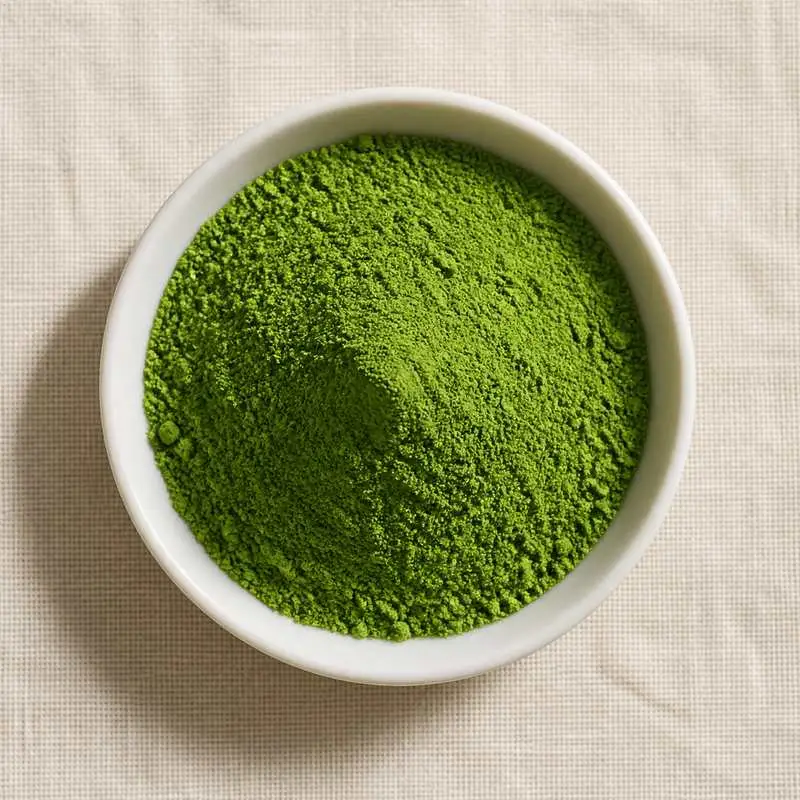
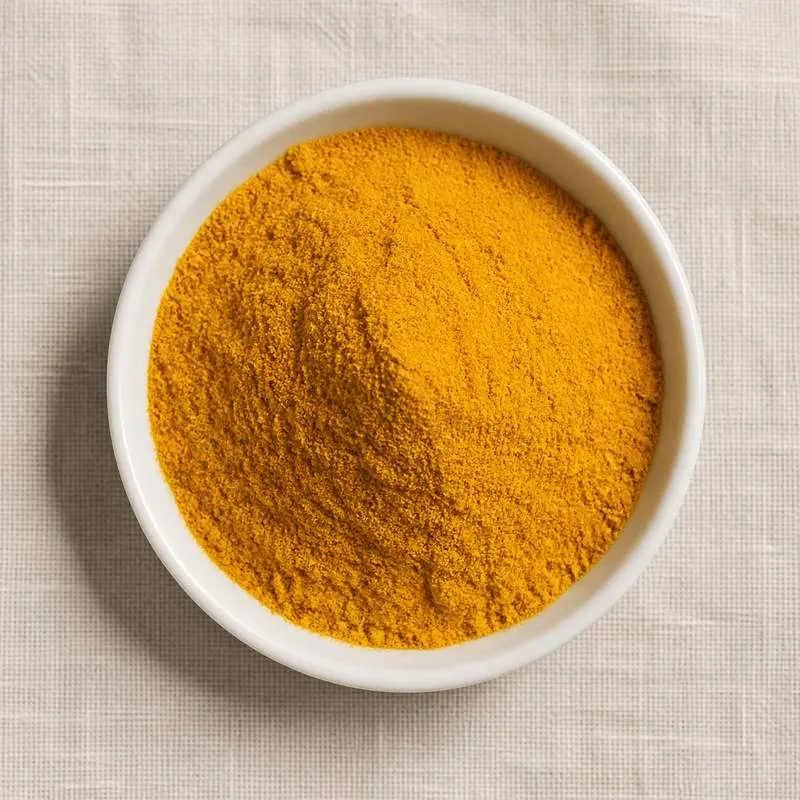
The product comes as porous, low density granules or as a fine powder, ranging from light yellowish green through amber to dark reddish brown depending on the tea type. The porous granule structure dissolves rapidly and completely in cold as well as hot water, which is the practical advantage in ready to drink and vending applications. The powder is markedly hygroscopic, cakes quickly on exposure to humidity, and the catechin fraction browns under alkaline conditions and in the presence of oxygen.
We source bulk Freeze Dried Instant Tea from top China manufacturers for our partners. The manufacturer is in Zhejiang. A smaller requirement can ship in a combined container with other ingredients.
Please send the grade you need, the volume and your destination port, and we will come back with a solution and a price.
or call +86-21-6858 0751
- Function
- Plant extract
Specifications
| Item | Specification |
|---|---|
| Source | Camellia sinensis leaf extract |
| Appearance | Porous granules, colour according to tea type |
| Solubility | Complete in water at 10°C within 60 seconds |
| Total Polyphenols | ≥ 25.0% |
| Caffeine | 4.0 to 8.0% |
| Moisture | ≤ 5.0% |
| Total Ash | ≤ 15.0% |
| Water Insoluble Matter | ≤ 0.5% |
| Lead | ≤ 2.0 mg/kg |
| Arsenic | ≤ 1.0 mg/kg |
| Total Plate Count | ≤ 1,000 cfu/g |
| Yeast and Mould | ≤ 50 cfu/g |
| E. coli | Negative in 1 g |
| Salmonella | Negative in 25 g |
Common Markets Grades
Grades are defined first by the tea type used, green, black, oolong, white, pu erh or a scented tea such as jasmine, and second by the analytical figures the buyer specifies: total polyphenols, catechin content, caffeine content and colour. Decaffeinated grades are made by removing caffeine from the extract with supercritical carbon dioxide or an adsorbent resin, and are traded on residual caffeine rather than on polyphenol level. Cold water soluble grades are specified separately from those intended only for hot reconstitution, since haze formation on cooling is the limiting property.
Physical grades run from fine powder for dry blending through free-flowing granules for stick packs and vending to agglomerated instant granules for direct consumer reconstitution. Colour is a genuine specification point for beverage work, quoted as absorbance or as a colour value on a defined dilution. Instant tea is also traded with added carriers, maltodextrin being the common one, which lowers the tea solids content and has to be declared, and clarified grades treated with tannase or with a cold clarification step are sold where a bright, haze-free ready to drink beverage is required.
Applications
- Ready to drink bottled and canned teas, where cold water solubility and haze stability decide the formulation
- Instant tea sachets and stick packs for consumer reconstitution
- Vending machine and food service beverage powders
- Milk tea and bubble tea bases, blended with non-dairy creamer and sugar
- Iced tea mixes with sugar, acidulant and lemon flavour
- Tea flavoured confectionery, biscuits and ice cream, where the powder carries both colour and flavour
- Bakery and dairy applications such as matcha-style cakes, mousses and yoghurts
- Supplements and functional powders formulated on catechin or theanine content
- Cosmetic formulations using the polyphenol fraction as an antioxidant
China Manufacturers of Freeze Dried Instant Tea
Top Freeze Dried Instant Tea manufacturers in China.
Company names and logos are the property of the manufacturers themselves. They are listed here because our own directory records them as producing this ingredient. A listing is not an endorsement by them, and we do not represent them or speak on their behalf.
Regulatory Status
Instant tea is a conventional food rather than an additive. In the United States tea and tea extracts have a long history of food use and instant tea is regulated as a food. The Food and Drug Administration has established a standard of identity and quality specifications for instant tea in the context of import and labelling, and the ingredient declaration must reflect caffeine content and any added carriers. Products sold as supplements on a catechin claim are dietary ingredients under the Dietary Supplement Health and Education Act, manufactured under 21 CFR Part 111, and green tea catechin concentrates in particular have attracted regulatory attention over hepatic safety at high doses.
In the European Union tea and instant tea have an established history of consumption and are handled as conventional foods rather than under the novel food Regulation, although the European Food Safety Authority has assessed highly concentrated green tea catechin preparations, and several member states restrict epigallocatechin gallate content in food supplements. Dried tea is subject to pesticide maximum residue levels set for tea as a commodity, and to contaminant limits for heavy metals. Codex maintains a general standard for contaminants and a code of hygienic practice applicable to this product, and international trade also relies on the ISO methods for determining water extract and total polyphenol content in tea.
Manufacturing Process
Production begins with tea leaf, usually a lower grade or broken leaf selected for extractable solids rather than for appearance, or with fresh leaf in plants that run a green leaf route. The leaf is extracted with hot water in countercurrent columns at 70 to 90 degrees Celsius, and the temperature is a compromise between solids yield and damage to the catechin and aroma fractions. Some plants capture the aroma volatiles separately by stripping them off the first extract under vacuum and holding them for return later, which is the main way freeze dried grades keep their character.
The extract is centrifuged and filtered to remove leaf fines, then chilled to precipitate the cream, which is the tannin and caffeine complex that causes haze. The cream is either removed, solubilised with tannase, or redissolved by warming depending on the grade being made. The clarified liquor is concentrated to 25 to 45 percent solids in a falling film or plate evaporator run under vacuum at low temperature. The concentrate, with the recovered aroma fraction blended back, is spread on trays or belts and frozen to around minus 40 degrees Celsius, then loaded into a vacuum freeze dryer where the ice sublimes under a deep vacuum with gentle shelf heating over many hours. The dried cake is broken and milled to the required granule size, screened, passed through a metal detector and packed immediately into foil-laminate containers with desiccant, since the porous granules take up moisture within minutes of exposure.