Fresh And Flavorful Juice
Fresh And Flavourful Juice is a liquid savoury seasoning of the type sold in the Chinese market as xian wei zhi, a thin brown sauce built on a brewed or hydrolysed protein liquor and adjusted with salt, sugar, monosodium glutamate and the ribonucleotides disodium inosinate and disodium guanylate. It sits between light soy sauce and a bouillon concentrate in function, thinner and less salty than a cooking soy but carrying a higher free glutamate and nucleotide load, so that a small addition raises savoury intensity without dominating the dish with soy character.
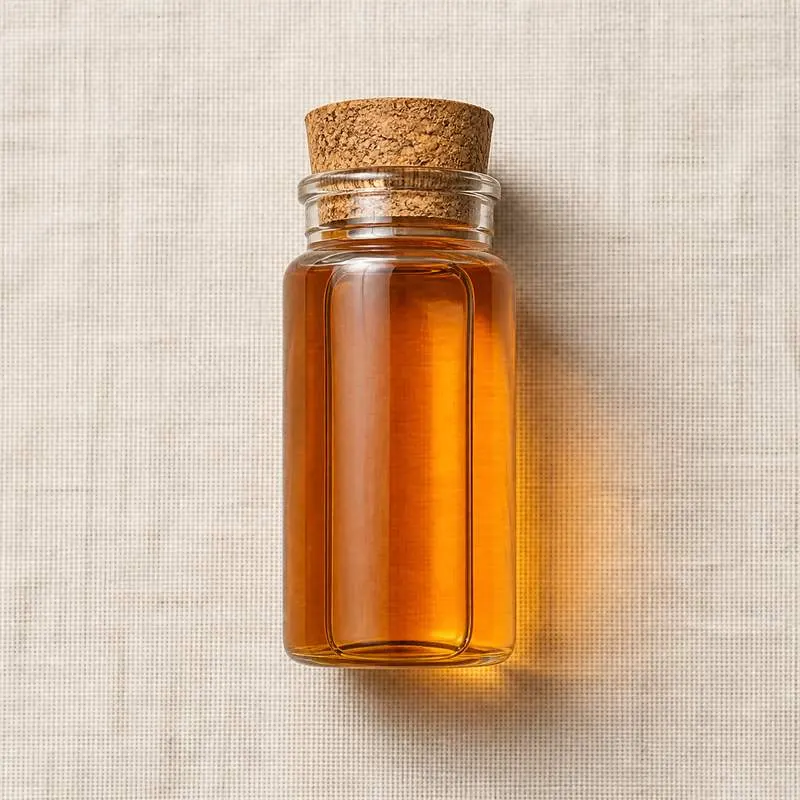
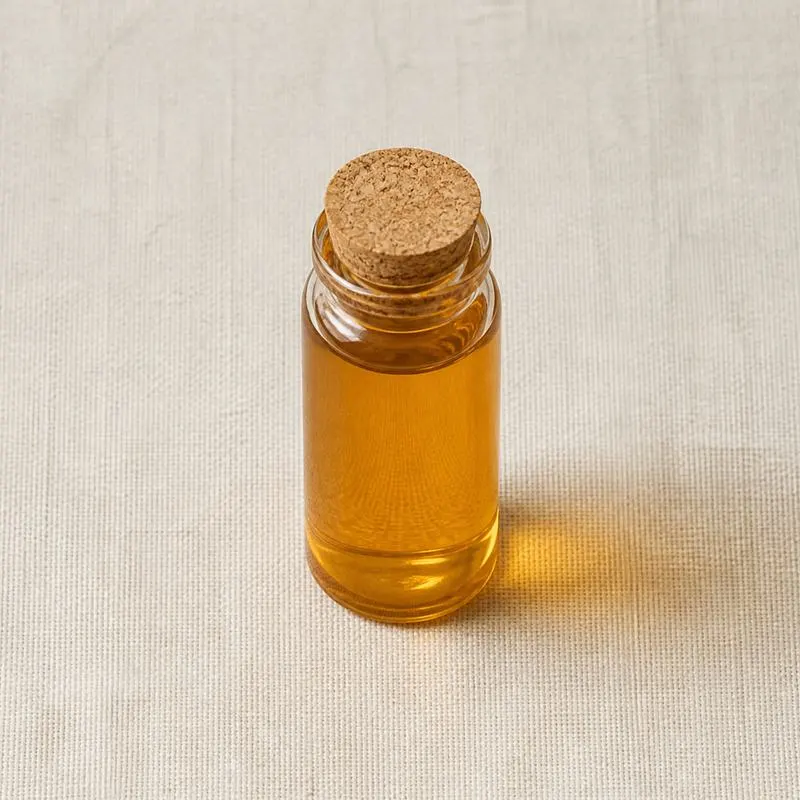
It is a clear to slightly opaque reddish brown liquid, fully water miscible, usually at 25 to 40 percent total solids. The umami active fraction is heat stable and survives boiling and retort, while the top note aroma from the brewing or reaction step is volatile and thins on prolonged open cooking, which is why the seasoning is most often added late or at the table. Salt and the reduced sugar content give it reasonable microbiological stability, although preservative or hot filling is normally used on retail packs.
We source bulk Fresh And Flavorful Juice from top China manufacturers for our partners. The manufacturer is in Hunan. A smaller requirement can ship in a combined container with other ingredients.
Please send the grade you need, the volume and your destination port, and we will come back with a solution and a price.
or call +86-21-6858 0751
- Function
- Flavours and Aromas
Specifications
| Item | Specification |
|---|---|
| Appearance | Clear reddish brown liquid, free of visible sediment |
| Odour and Taste | Characteristic savoury brewed, no off or musty note |
| Total Solids | Not less than 25.0 percent |
| Sodium Chloride | 12.0 to 18.0 percent |
| Total Nitrogen | Not less than 1.2 percent |
| Amino Acid Nitrogen | Not less than 0.7 percent |
| pH at 25 degrees Celsius | 4.5 to 5.5 |
| Relative Density at 20 degrees Celsius | 1.100 to 1.200 |
| 3-MCPD | Not more than 0.02 mg per kg |
| Lead | Not more than 1.0 mg per kg |
| Arsenic | Not more than 0.5 mg per kg |
| Total Plate Count | Not more than 10000 cfu per ml |
| Yeast and Mould | Not more than 50 cfu per ml |
| Salmonella | Absent in 25 ml |
Common Markets Grades
Two constructions are traded. Brewed grades take a naturally fermented soy or wheat liquor as the base and are labelled with the fermentation ingredient declared; they carry a fuller, maltier profile and are the more expensive of the two. Blended grades build the base from hydrolysed vegetable protein or yeast extract with caramel colour and are cheaper and lighter in aroma. Many commercial products combine the two.
Salt level is the second grade axis, with standard grades running 12 to 18 percent sodium chloride and reduced salt versions below 10 percent, the latter usually compensated with a higher nucleotide load. Buyers further specify amino acid nitrogen as the measure of savoury strength, total solids, whether monosodium glutamate is declared or the umami comes from yeast extract alone, colour depth, and whether preservative is present. Gluten free versions built on a soy only or yeast only base are stocked for export.
Applications
- Steamed fish and seafood, poured over at the end of cooking as a finishing seasoning
- Cold dressed dishes and salads, where it supplies savoury depth without the viscosity of a thick sauce
- Dipping sauces for dumplings and cold noodles, either neat or cut with vinegar and sesame oil
- Stir fry seasoning, added at the end of the wok stage to preserve the aroma fraction
- Marinades for poultry and pork, where the salt and glutamate fraction penetrates during tumbling
- Soup and broth production, adjusting the savoury balance of a finished stock
- Ready meal sauce sachets, where the liquid form is easier to dose than a powder
- Catering kitchens, as a standardised replacement for building a seasoning from separate components
- Prepared braising liquors, contributing colour as well as savoury character
- Reduced salt formulations, where the nucleotide fraction offsets lost saltiness perception
China Manufacturers of Fresh And Flavorful Juice
Top Fresh And Flavorful Juice manufacturers in China.
Company names and logos are the property of the manufacturers themselves. They are listed here because our own directory records them as producing this ingredient. A listing is not an endorsement by them, and we do not represent them or speak on their behalf.
Regulatory Status
In the United States the product is regulated as a mixture of its components rather than as a single additive. Soy sauce is a standard food, monosodium glutamate is affirmed as generally recognised as safe under 21 CFR 182.1, the ribonucleotides are recognised flavour enhancers, and caramel colour is a colour additive exempt from certification under 21 CFR 73.85. Hydrolysed protein must name its source in the ingredient statement, and any benzoate or sorbate preservative is declared with its function.
In the European Union the additive components carry E numbers under Regulation (EC) No 1333/2008, monosodium glutamate as E 621, disodium inosinate as E 631, disodium guanylate as E 627, caramel colours as E 150a to E 150d and the common preservatives as E 202 and E 211, each with defined conditions of use in the relevant food category. Fermented soy liquor and yeast extract are foods and are declared by name. Codex has adopted a regional standard for soy sauce and general standards covering the same additives, and JECFA has published evaluations for the glutamates, ribonucleotides and caramel colours. Soy and wheat are declarable allergens in both jurisdictions, and the chloropropanol contaminants associated with acid hydrolysed protein are subject to regulatory limits.
Manufacturing Process
Brewed base production begins with steamed soybean or defatted soy meal mixed with roasted crushed wheat and inoculated with Aspergillus oryzae to form koji. The koji is mixed with brine into a mash and fermented for weeks to months under controlled temperature, during which fungal proteases and amylases break the protein down to amino acids and peptides and the starch to sugars, while salt tolerant yeasts and lactic bacteria develop the aroma and acidity. The mature mash is pressed and the liquor is clarified by settling and filtration. Blended base production instead hydrolyses vegetable protein or produces a yeast extract by autolysis, then filters and concentrates the liquor.
Compounding follows in a jacketed blending tank, where the base is adjusted with water, salt, sugar, monosodium glutamate, nucleotides and caramel colour to a formula, and any preservative is added. The blend is pasteurised, held to allow sediment to settle, polish filtered, and hot filled or filled cold through a sterile filter into bottles, drums or intermediate bulk containers. Total solids, amino acid nitrogen, salt and colour are checked against a reference sample before release.