Gamma-Polyglutamic Acid
Gamma-polyglutamic acid is a naturally occurring anionic polymer of glutamic acid in which the units are joined through the side chain carboxyl group rather than through the alpha carboxyl used in ordinary proteins. That gamma linkage makes it an unusual biopolymer: it is built entirely from an amino acid but is not a protein, is not broken down by common proteases, and contains both D and L glutamate units. It is the viscous, sticky material responsible for the characteristic stringiness of natto, the Japanese fermented soybean food.
The polymer is produced by Bacillus subtilis and related species and is secreted into the fermentation medium. Chain lengths vary widely with the strain and the fermentation conditions, giving molecular weights from around ten thousand to several million daltons, and that molecular weight, more than any other variable, determines what the material does in a formulation.
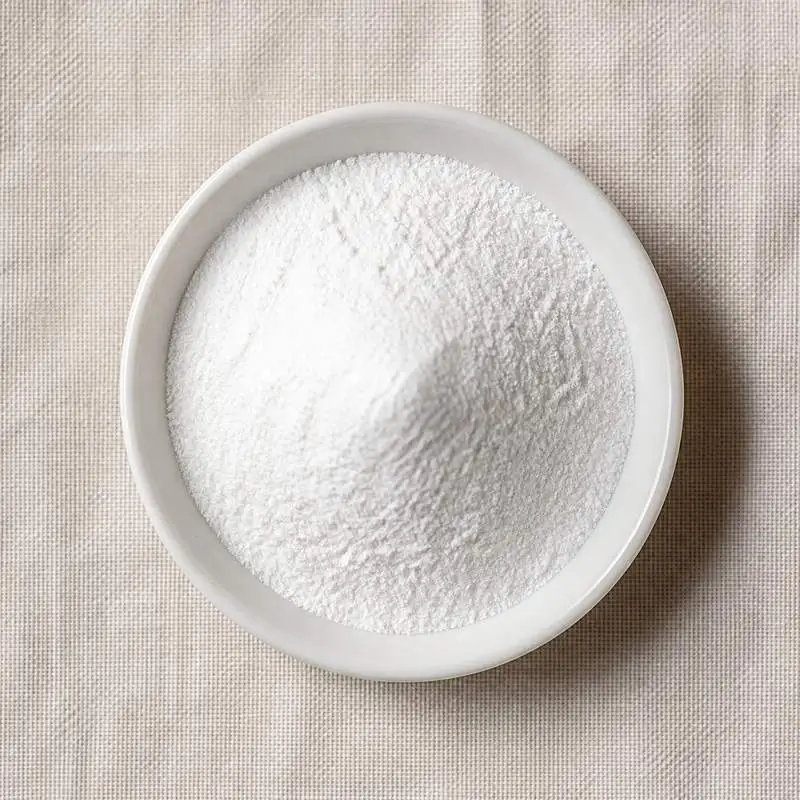
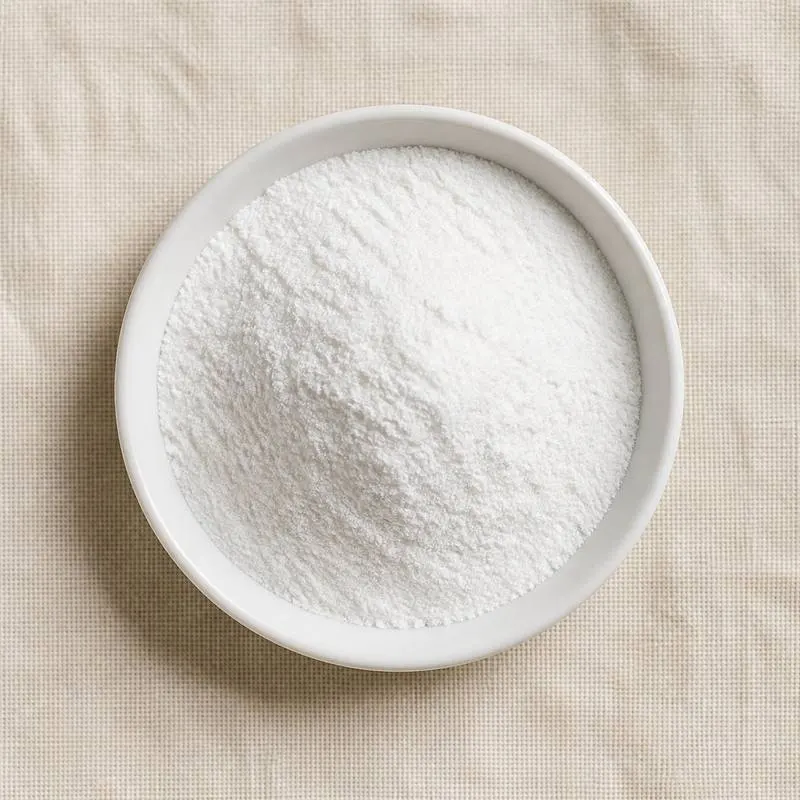
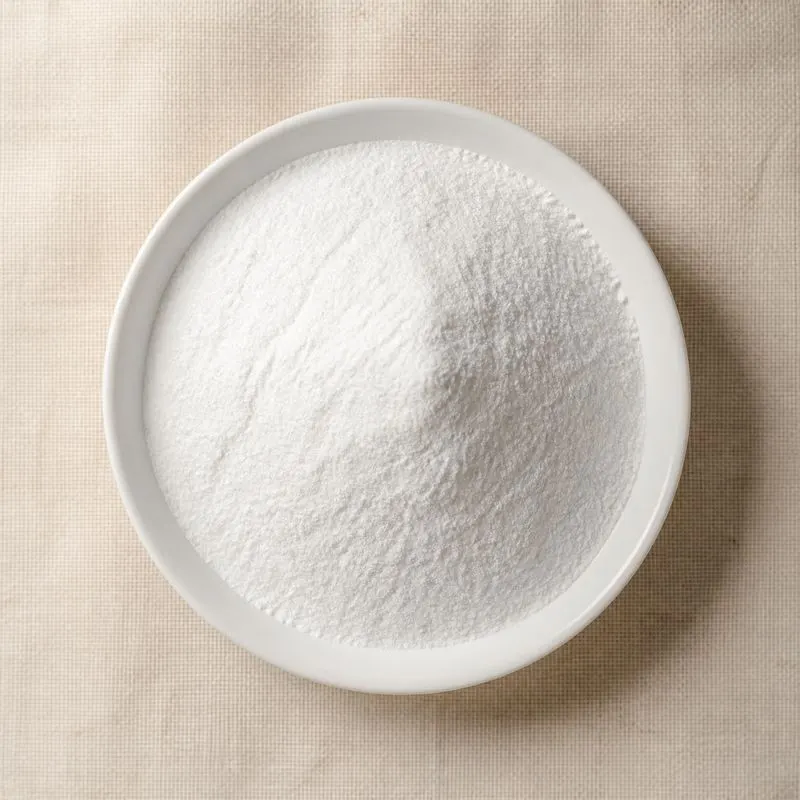
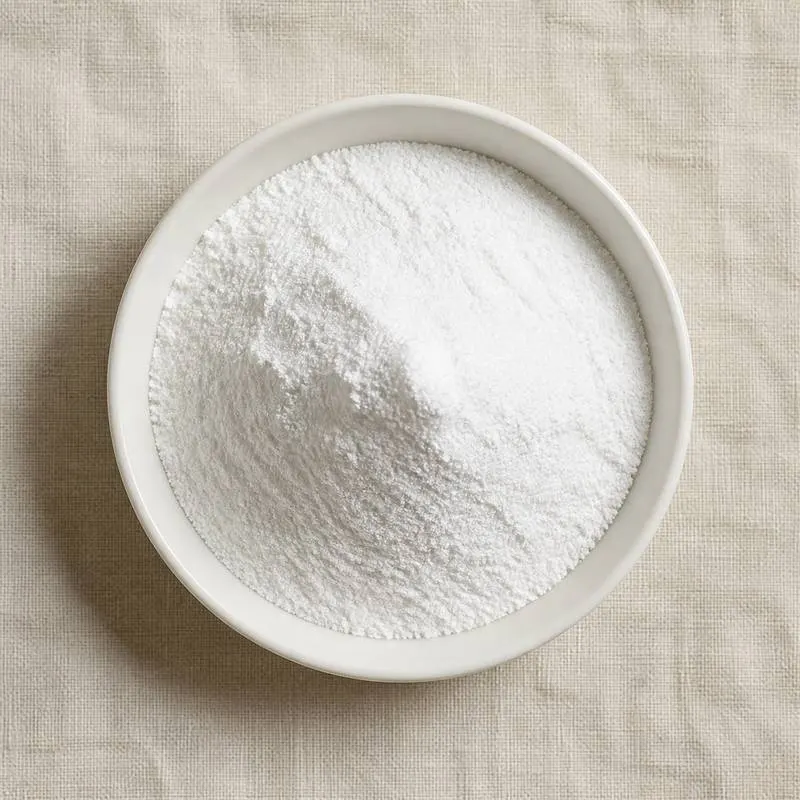
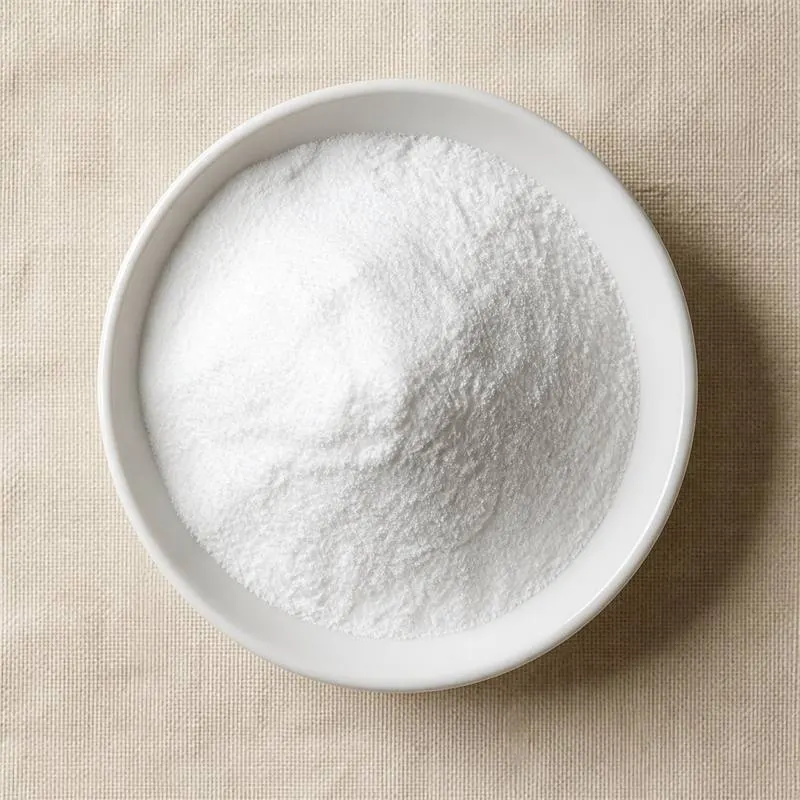
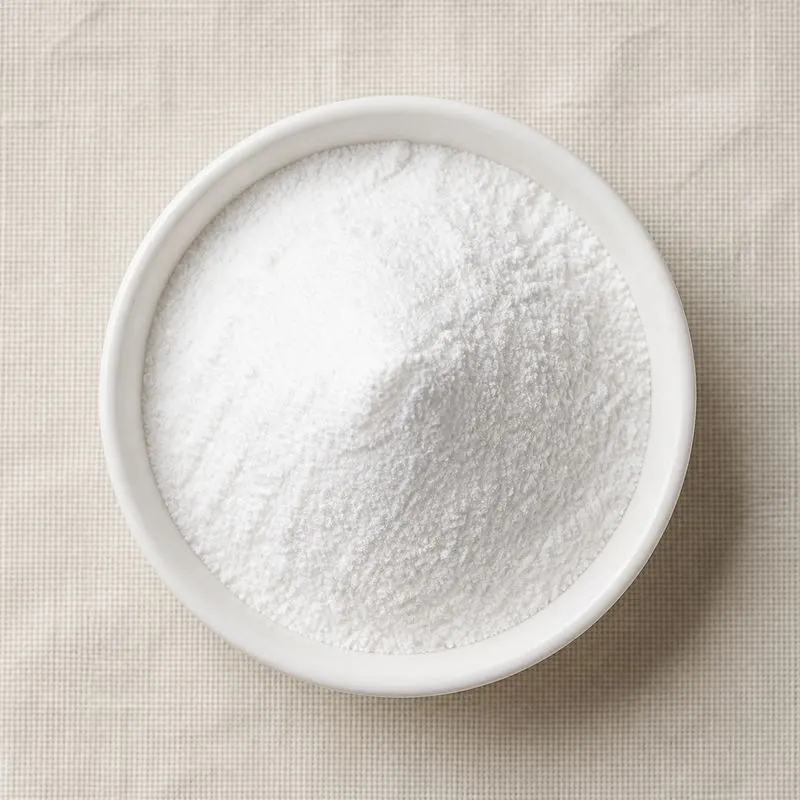
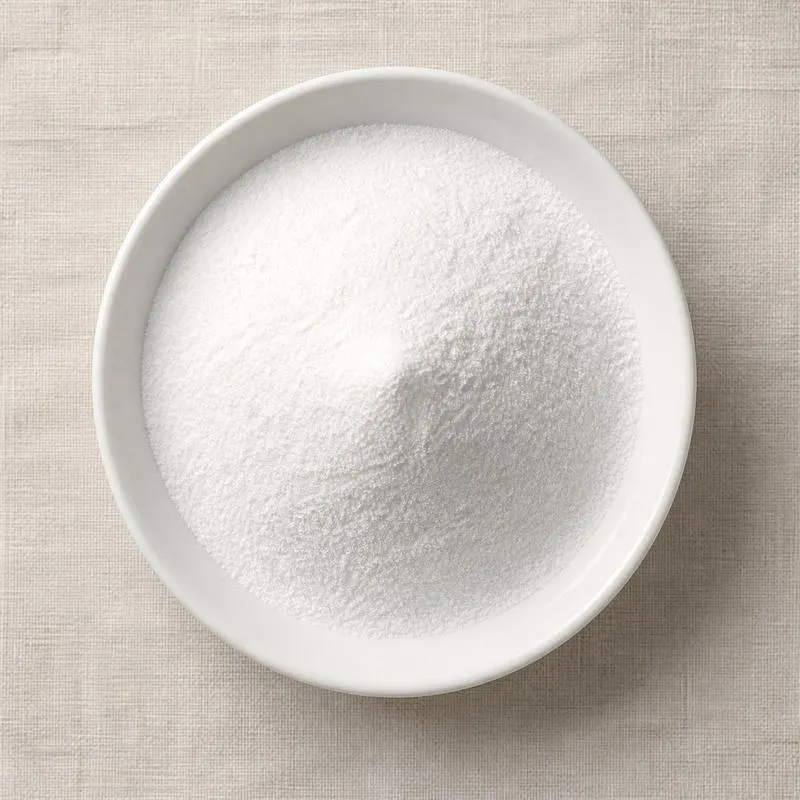
The traded form is usually the sodium salt, a white to pale yellow hygroscopic powder. It dissolves readily in water to give a clear, viscous solution, is insoluble in ethanol and most organic solvents, and holds water strongly through its dense array of free carboxyl groups. Those same groups bind calcium and other divalent cations, make the polymer stable across a broad pH range, and give it its water retaining and cryoprotective behaviour. The free acid form is far less soluble and is the form recovered during purification.
We source bulk Gamma-Polyglutamic Acid from top China manufacturers for our partners. The manufacturer is in Guangdong. A smaller requirement can ship in a combined container with other ingredients.
Please send the grade you need, the volume and your destination port, and we will come back with a solution and a price.
or call +86-21-6858 0751
- Function
- Amino acid
Specifications
| Item | Specification |
|---|---|
| Appearance | White to pale yellow hygroscopic powder |
| Identification | Glutamic acid as the sole amino acid after acid hydrolysis |
| Assay as gamma-polyglutamic acid, dried basis | Not less than 90.0% |
| Molecular weight | To declared grade, 10 kDa to 2,000 kDa |
| Free glutamic acid | Not more than 2.0% |
| Viscosity, 1% aqueous solution | To declared grade |
| pH, 1% aqueous solution | 5.0 to 7.5 |
| Loss on drying | Not more than 8.0% |
| Residue on ignition | Not more than 12.0% for the sodium salt |
| Residual solvent, ethanol | Not more than 0.5% |
| Lead, as Pb | Not more than 1 mg/kg |
| Arsenic, as As | Not more than 1 mg/kg |
| Total plate count | Not more than 1,000 cfu/g |
| Salmonella | Absent in 25 g |
Common Markets Grades
Molecular weight is the primary trading distinction. High molecular weight grades above about one million daltons are used where viscosity, water holding and film forming are the point, in cosmetics, coatings and agricultural water retention products. Medium and low molecular weight grades, produced either by controlled fermentation or by deliberate hydrolysis of a high molecular weight starting material, are used where the effect wanted is mineral binding or absorption enhancement rather than thickening, since a lower viscosity allows a much higher dose in a drink or a capsule.
Salt form is the second distinction. Sodium polyglutamate is the standard soluble article, and calcium and potassium salts are produced for specific applications. Purity grades range from a crude fermentation product still carrying residual medium components and cells, sold into agriculture and industrial use, through food grade material purified by filtration and precipitation, to cosmetic and pharmaceutical grades with tighter limits on protein, nucleic acid, endotoxin and residual solvent. Cross linked and hydrogel derivatives are made as separate articles for absorbent and delivery applications.
Applications
- Frozen dough, noodles and frozen surimi, where the polymer acts as a cryoprotectant, limiting ice crystal damage and reducing drip loss on thawing
- Calcium and mineral fortified products, where the polymer binds calcium in a soluble form and keeps it available further down the intestine
- Beverages and sauces, where high molecular weight grades act as a thickener and suspension stabiliser without the mouthfeel of a gum
- Bitterness masking in supplements and pharmaceutical liquids, where the anionic polymer interacts with bitter cations and alkaloids
- Bakery and steamed products, where it retains moisture and slows staling
- Cosmetic moisturisers and serums, where its water binding capacity is used as an alternative to hyaluronic acid
- Encapsulation and delivery matrices, where the free carboxyl groups allow chemical modification and controlled release
- Fertiliser and soil conditioner formulations, where it improves water retention in the root zone and chelates soil minerals
- Wastewater treatment, where high molecular weight grades act as a biodegradable flocculant in place of synthetic polyacrylamides
- Probiotic and starter culture protection, where the polymer stabilises cells through freeze drying and storage
Brands Using Gamma-Polyglutamic Acid
Widely-distributed consumer products that list Gamma-Polyglutamic Acid on the ingredient label.
- The Inkey ListPolyglutamic Acid Serum ↗A surface hydrating serum built around polyglutamic acid, which the brand describes as holding four times more moisture than hyaluronic acid.Label verified 2026-08-31
- SKIN1004Centella Teca Ampoule ↗The ampoule pairs a peptide complex with polyglutamic acid, listed on the page as Polyglutamic Acid (PGA).Label verified 2026-08-31
- TIRTIRSOS Serum ↗A hydration and oil balancing serum formulated with polyglutamic acid, adenosine, witch hazel and chamomile.Label verified 2026-08-31
- BYOMAHydrating Milky Toner ↗The toner combines the brand's barrier lipid complex with polyglutamic acid and cica to hold moisture in the skin.Label verified 2026-08-31
Brand names, product names and logos are the property of their owners. They appear here as published evidence that the ingredient is used, taken from the brand's own label or website. Their appearance is not an endorsement, and it does not mean the brand buys from us or from any manufacturer listed on this site.
China Manufacturers of Gamma-Polyglutamic Acid
Top Gamma-Polyglutamic Acid manufacturers in China.

Company names and logos are the property of the manufacturers themselves. They are listed here because our own directory records them as producing this ingredient. A listing is not an endorsement by them, and we do not represent them or speak on their behalf.
Regulatory Status
In the United States gamma-polyglutamic acid is marketed as a dietary ingredient in supplements and, for use in conventional food, on the basis of generally recognised as safe determinations resting on the long history of consumption of natto, in which the polymer is a major component. It has no food additive listing of its own, so food use is supported by that generally recognised as safe status and by the identity of the production organism, which must be a non toxigenic, non pathogenic Bacillus subtilis strain with an established safe use history. Cosmetic and agricultural applications fall outside food regulation entirely and are handled under the relevant cosmetic and fertiliser or biostimulant rules.
In the European Union the polymer is not an authorised food additive and has no E number. Its position in food depends on whether a significant history of consumption within the Union before the novel food cut off date can be demonstrated, which for a substance associated with a Japanese traditional food is generally not the case, so placing it on the market as a food or food ingredient would fall under Regulation (EU) 2015/2283 and require authorisation, or notification under the traditional food from a third country procedure. Regulation (EC) No 1223/2009 governs cosmetic use, and the food position does not affect it. Neither Codex nor JECFA has established specifications for the substance.
Manufacturing Process
Manufacture is by submerged aerobic fermentation. A defined medium is prepared containing a carbohydrate source such as glucose or sucrose, a nitrogen source, mineral salts and, for most producing strains, added L-glutamic acid or its sodium salt, since many industrial strains are glutamate dependent and cannot build the polymer efficiently without a precursor supply. The medium is sterilised and charged to a stirred, aerated fermenter and inoculated with a food safe Bacillus subtilis strain, often one derived from natto production. Fermentation runs for one to three days under close control of dissolved oxygen, temperature and pH, and the broth becomes progressively more viscous as the polymer accumulates, which makes oxygen transfer the limiting engineering problem and sets the practical end point of the batch.
Downstream processing begins by diluting the broth to reduce viscosity and removing cells by centrifugation and microfiltration. The polymer is then concentrated and purified by ultrafiltration against a membrane sized to retain the target molecular weight while medium salts, residual glutamate and low molecular weight impurities pass through, and is often precipitated by adding ethanol or by acidifying to convert it to the poorly soluble free acid. The precipitate is redissolved and neutralised with sodium hydroxide to give the sodium salt, decolourised where required, and dried by spray drying or by freeze drying for high molecular weight grades that would be degraded by heat. Low molecular weight grades are made by breaking the purified polymer down under controlled acid, alkaline, enzymatic or physical hydrolysis and then fractionating to the declared range. The dried powder is milled, sieved and packed under a moisture barrier.