Garcinia Cambogia Extract
Garcinia cambogia extract is a botanical extract prepared from the dried rind of the fruit of Garcinia gummi-gutta, a tropical tree of southern India and Southeast Asia still widely traded under its older name Garcinia cambogia. The extract is standardised on hydroxycitric acid, an organic acid closely related to citric acid, and hydroxycitric acid content is the figure the entire trade is priced on.
Free hydroxycitric acid is unstable and readily lactonises, so commercial extracts are almost always sold as a mineral salt. Calcium, potassium and mixed calcium-potassium salts are the standard forms, and the choice of counter-ion changes both the solubility and the taste. Calcium salts are only sparingly soluble and are used in tablets and capsules, while potassium and calcium-potassium salts are far more water soluble and are the grades chosen for drink mixes and effervescent products.
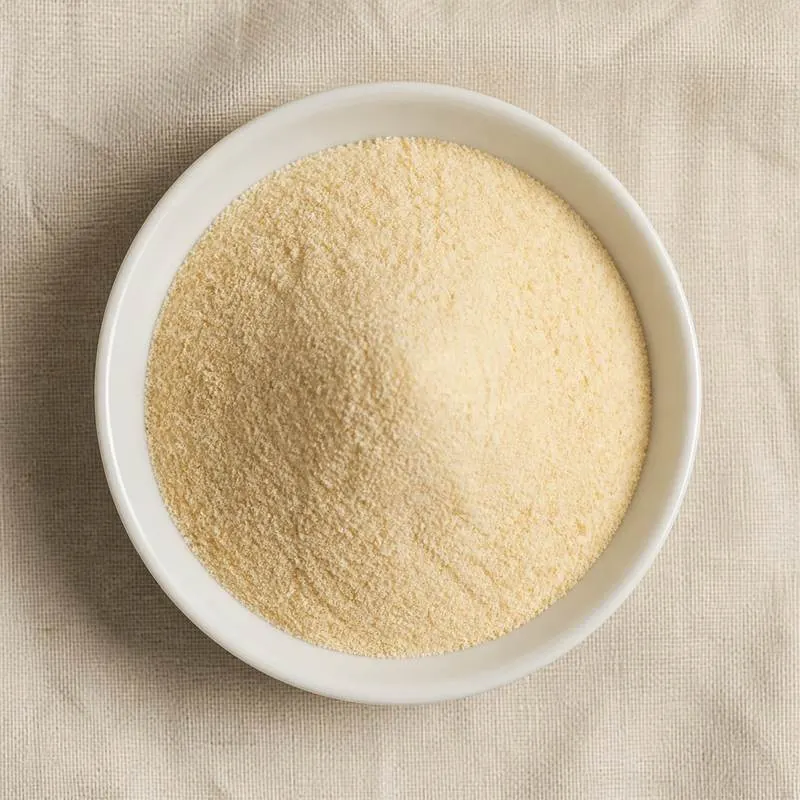
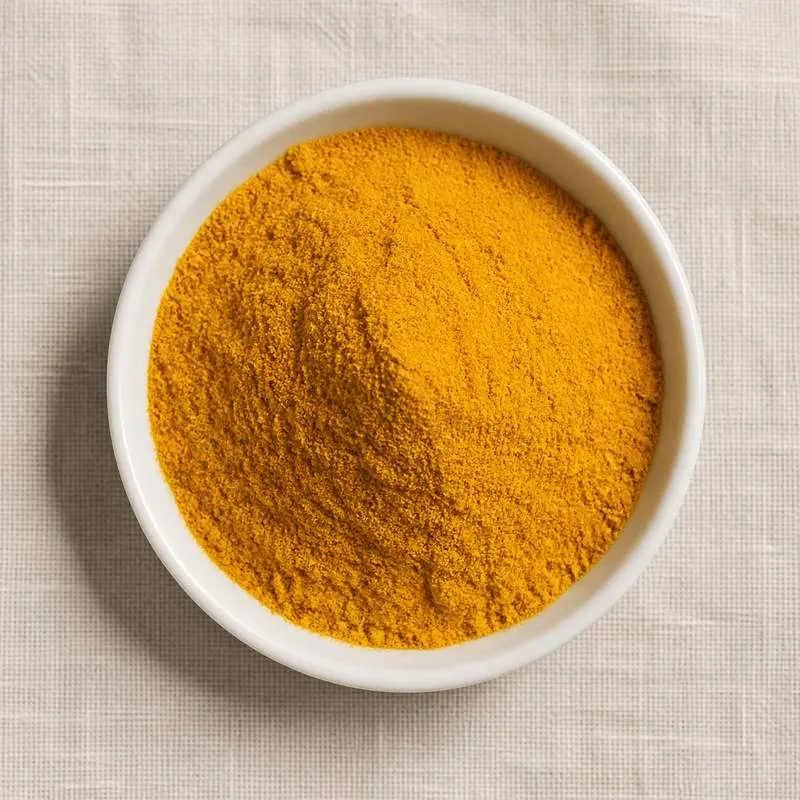
The material is an off-white to pale beige free-flowing powder with a faintly sour, slightly astringent taste. It is hygroscopic, stable in dry storage at ambient temperature, and can hydrolyse or lactonise back toward the inactive lactone when held wet or heated in solution, which is the practical constraint on using it in liquid formats.
We source bulk Garcinia Cambogia Extract from top China manufacturers for our partners. The manufacturer is in Shaanxi. A smaller requirement can ship in a combined container with other ingredients.
Please send the grade you need, the volume and your destination port, and we will come back with a solution and a price.
or call +86-21-6858 0751
- Function
- Plant extract
Specifications
| Item | Specification |
|---|---|
| Appearance | Off-white to pale beige free-flowing powder |
| Odour and Taste | Slight characteristic odour, sour and astringent |
| Identification | Conforms by HPLC against hydroxycitric acid standard |
| Hydroxycitric Acid | Not less than 60.0% by HPLC |
| Calcium | 10.0-16.0% |
| Potassium | 8.0-14.0% for the mixed salt grade |
| pH of 1% Solution | 3.5-6.5 |
| Loss on Drying | Not more than 5.0% |
| Particle Size | 100% through 80 mesh |
| Heavy Metals | Not more than 10 mg/kg |
| Lead | Not more than 2.0 mg/kg |
| Arsenic | Not more than 1.0 mg/kg |
| Total Plate Count | Not more than 1,000 cfu/g |
| Yeast and Mould | Not more than 100 cfu/g |
| E. coli | Absent in 1 g |
| Salmonella | Absent in 25 g |
Common Markets Grades
Grades are named by salt form and hydroxycitric acid assay. Calcium salt grades run at 50 to 60 percent hydroxycitric acid and are the low-cost volume product. Potassium salt and calcium-potassium salt grades run at 50 to 65 percent and are sold at a premium for their solubility, with the truly soluble grades marketed on giving a clear solution at typical drink concentrations. Higher assay grades above 65 percent exist but are less common and need tighter control of the neutralisation step.
Water soluble and non-water soluble are treated as distinct commercial lines and are not substitutable. Beyond that, buyers specify particle size, usually 80 mesh, granulated versions for direct compression tablets, and organic certified lots where the fruit rind is sourced from certified collection. Assay is normally declared by HPLC, and buyers should confirm whether the stated figure covers total hydroxycitric acid or only the free acid, since lactone content differs between suppliers.
Applications
- Weight management capsules and tablets, where the extract is the headline ingredient and is dosed on its hydroxycitric acid assay
- Effervescent tablets and drink sticks, using the potassium or calcium-potassium salt for the solubility the format demands
- Meal replacement and slimming shake powders, blended with protein and fibre
- Functional beverages and ready to drink shots, formulated at acid pH where the salt stays in solution
- Gummies and soft chews, contributing a mild sourness alongside the added acid system
- Combination formulas with green tea extract, chromium and L-carnitine in the sports nutrition trade
- Sports nutrition pre-workout blends, included for its label presence in the metabolic category
- Culinary use of the unextracted dried rind as a souring agent in South Indian and Sri Lankan fish cookery, which is the traditional use the ingredient descends from
- Pet supplements marketed for weight control in companion animals
Brands Using Garcinia Cambogia Extract
Widely-distributed consumer products that list Garcinia Cambogia Extract on the ingredient label.
- Paradise HerbsGarcinia Cambogia ↗A capsule supplement of garcinia cambogia extract in concentrated form.Label verified 2026-08-31
- HimalayaOrganic Garcinia ↗A caplet of organic garcinia supplying HCA, hydroxycitric acid, for carbohydrate metabolism support.Label verified 2026-08-31
- HorbaachGarcinia Cambogia Pills, 250 Capsules ↗Capsules of garcinia cambogia, described on the page as a tropical fruit native to India and Southeast Asia.Label verified 2026-08-31
Brand names, product names and logos are the property of their owners. They appear here as published evidence that the ingredient is used, taken from the brand's own label or website. Their appearance is not an endorsement, and it does not mean the brand buys from us or from any manufacturer listed on this site.
China Manufacturers of Garcinia Cambogia Extract
Top Garcinia Cambogia Extract manufacturers in China.
Company names and logos are the property of the manufacturers themselves. They are listed here because our own directory records them as producing this ingredient. A listing is not an endorsement by them, and we do not represent them or speak on their behalf.
Regulatory Status
In the United States Garcinia cambogia and hydroxycitric acid salts are used as dietary ingredients under DSHEA, on the basis that the botanical was marketed before 1994. They are not approved food additives for general use in conventional foods, and a manufacturer wanting to use the extract in an ordinary food or beverage would need a GRAS conclusion covering that preparation and use level. The FDA has issued warnings about weight loss products adulterated with undeclared pharmaceutical actives, so identity and adulterant testing on incoming lots is standard practice in the supplement trade. Permitted claims are structure and function claims with the required disclaimer.
In the European Union the extract is a food ingredient rather than a food additive and carries no E number, though hydroxycitric acid should not be confused with citric acid, which is E 330. Garcinia preparations have a history of use in food supplements in several member states, but individual states apply their own botanical lists and maximum levels, and some restrict or monitor the ingredient in supplements. No health claim for Garcinia or hydroxycitric acid appears on the EU authorised list, so weight loss claims cannot be made. Codex has no commodity standard for the extract, and trade specifications are contractual.
Manufacturing Process
The fruit is harvested at maturity, the rind is separated from the pulp and seed, and the rind is sun dried or hot air dried and then milled. The milled rind is extracted with hot water, since hydroxycitric acid is an organic acid and passes readily into the aqueous phase. The crude extract is separated from the spent solids by filter press and clarified, then treated with activated carbon to strip the pigments and much of the astringency that would otherwise carry into the finished powder.
The clarified acidic liquor is neutralised with calcium hydroxide, potassium hydroxide, or a controlled mixture of the two, which converts the free hydroxycitric acid into the corresponding salt and fixes it against lactonisation. Careful pH control at this stage determines both the final assay and how much of the material remains in the active open-acid form rather than converting to the lactone. The neutralised liquor is filtered, concentrated under vacuum at a low boiling temperature, then spray dried. The powder is sieved, assayed by HPLC, blended to the declared percentage and packed in lined drums.