Glycine Propionyil-Carnitine Hcl
Glycine propionyl-L-carnitine hydrochloride is a molecularly bonded form of propionyl-L-carnitine hydrochloride with the amino acid glycine, traded in sports and clinical nutrition under the short form GPLC. It is not a simple physical mixture of the two but a defined complex in which the glycine is associated with the carnitine ester salt, and it is handled as a single article with its own assay.
The carnitine part is the working component. Propionyl-L-carnitine is an acyl ester of L-carnitine, the quaternary ammonium compound that shuttles long chain fatty acids across the inner mitochondrial membrane for beta oxidation. Attaching a propionyl group changes the distribution of the molecule and supplies a three carbon unit that enters the citric acid cycle through succinyl coenzyme A, which is the basis of its use in products aimed at blood flow, exercise tolerance and peripheral circulation. The glycine is included as a stabilising partner, since propionyl-L-carnitine on its own is extremely hygroscopic and difficult to handle as a free flowing powder.
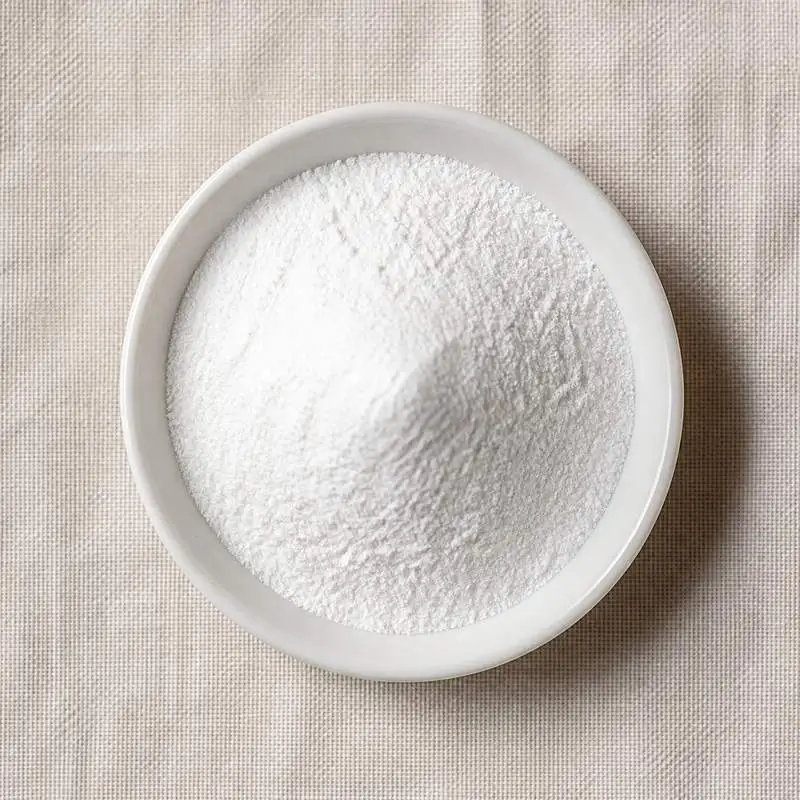
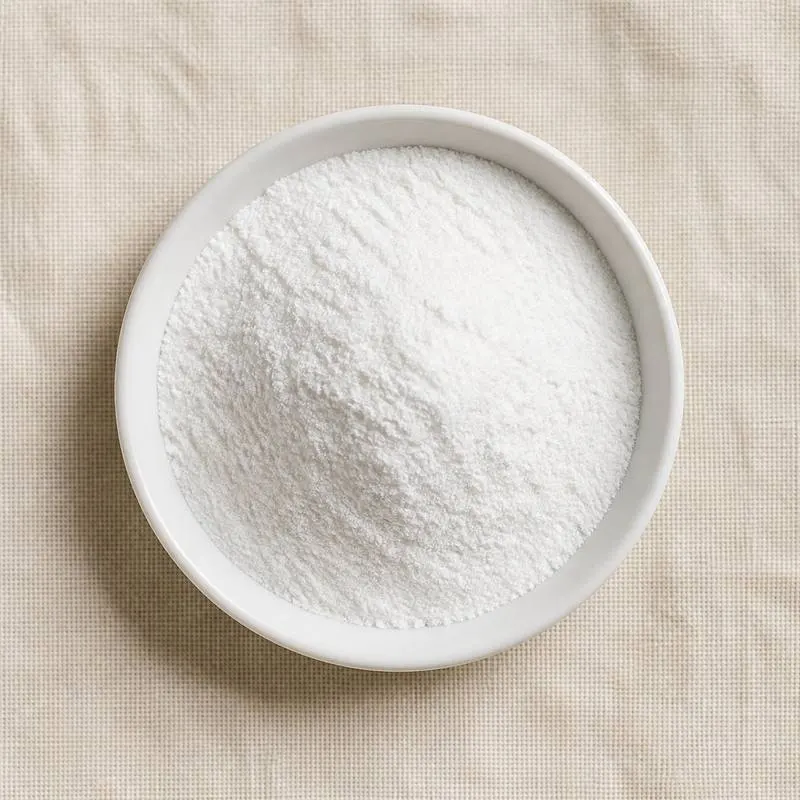
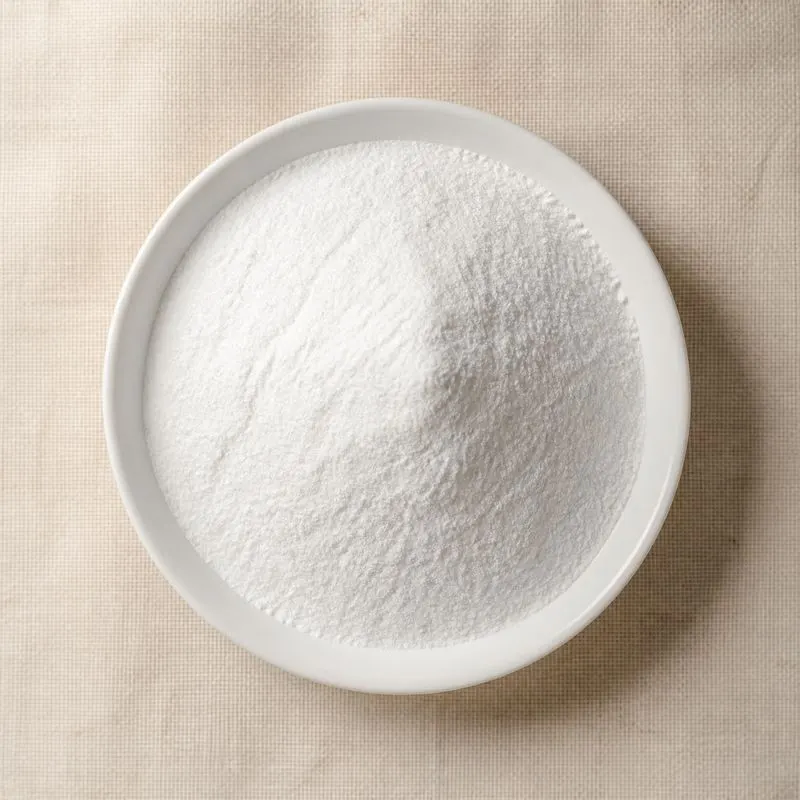
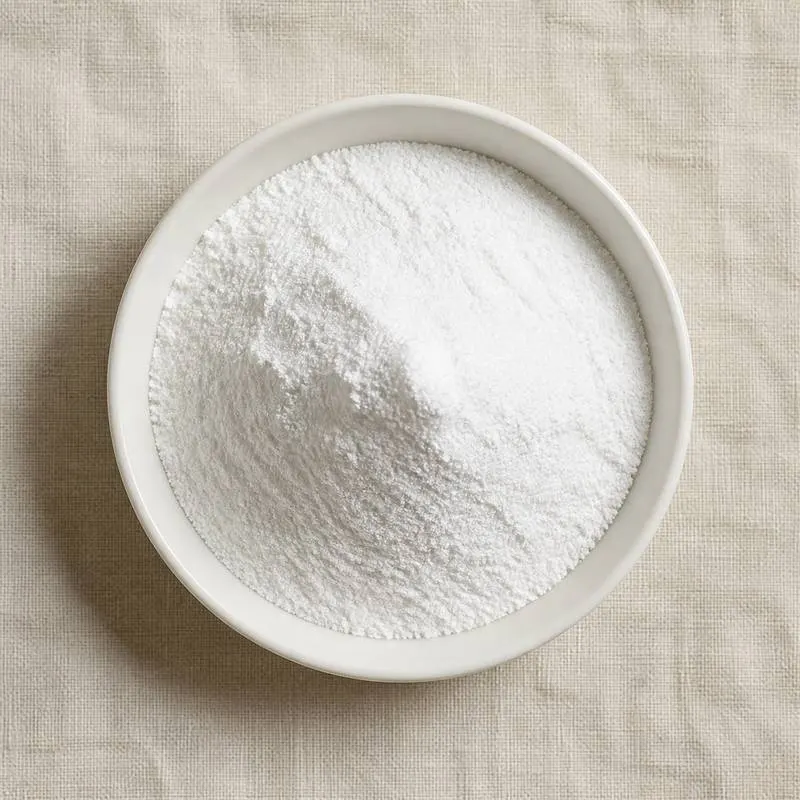
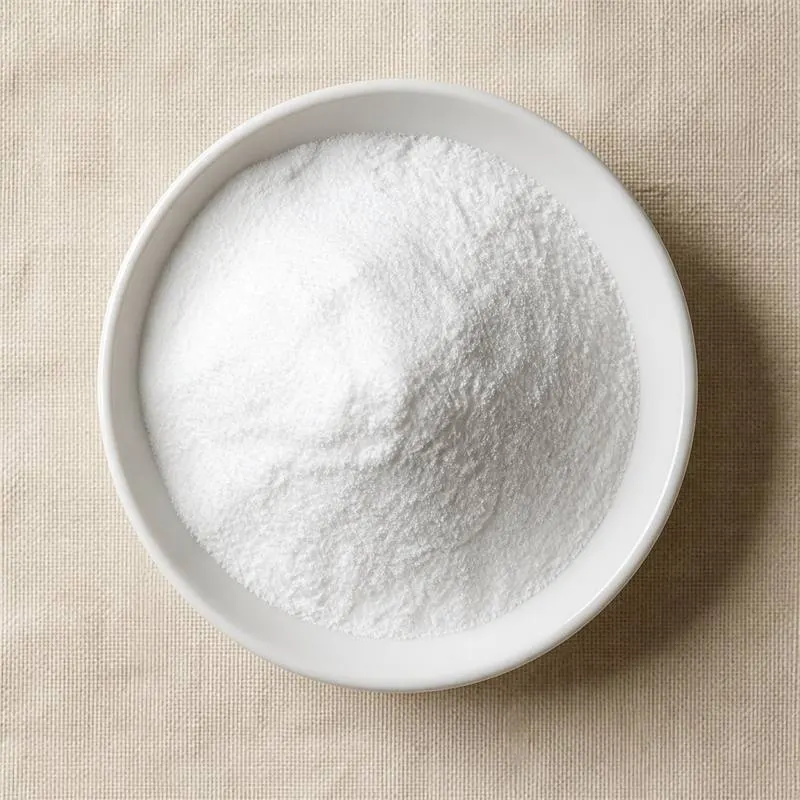
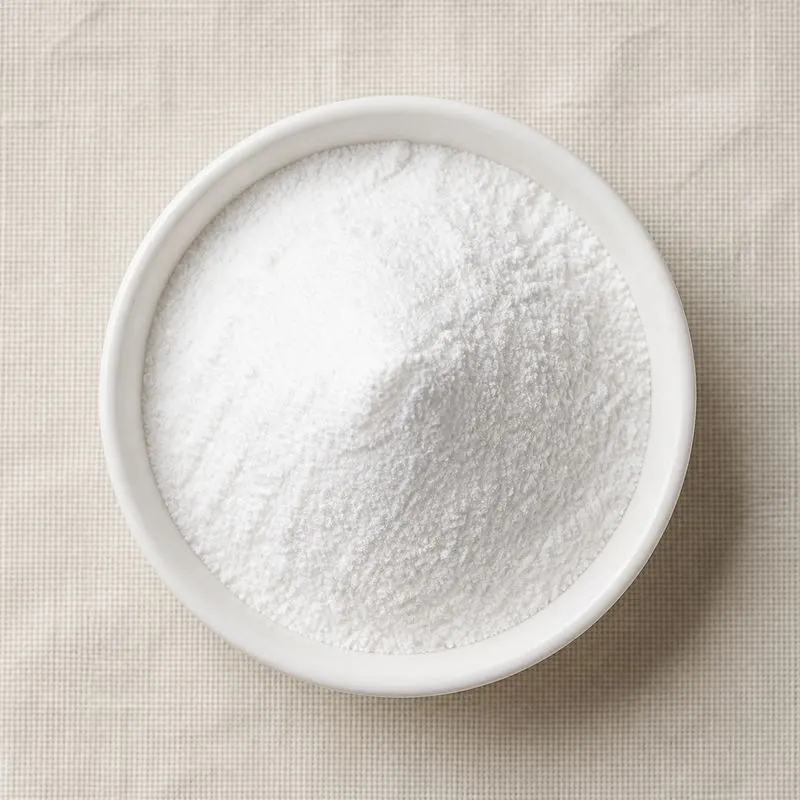
The material is a white to off white crystalline powder, still hygroscopic in the complexed form, freely soluble in water and soluble in ethanol. It is acidic in solution because of the hydrochloride, and it takes up enough water to go wet if left open, so it is packed in sealed aluminium foil laminate with desiccant and is handled in a humidity controlled room.
We source bulk Glycine Propionyil-Carnitine Hcl from top China manufacturers for our partners. The manufacturer is in Liaoning. A smaller requirement can ship in a combined container with other ingredients.
Please send the grade you need, the volume and your destination port, and we will come back with a solution and a price.
or call +86-21-6858 0751
- Function
- Amino acid
Specifications
| Item | Specification |
|---|---|
| Appearance | White to off white hygroscopic crystalline powder |
| Identification | Infrared and chromatographic identity conform to reference standard |
| Assay of complex, dried basis | Not less than 97.0% |
| Propionyl-L-carnitine hydrochloride content | 76.0 to 82.0% |
| Glycine content | 18.0 to 22.0% |
| Optical rotation | Conforms to reference standard for the L configuration |
| Free L-carnitine | Not more than 1.0% |
| Related substances, total | Not more than 1.0% |
| pH, 1% aqueous solution | 3.0 to 5.0 |
| Loss on drying | Not more than 1.0% |
| Lead, as Pb | Not more than 1 mg/kg |
| Arsenic, as As | Not more than 1 mg/kg |
| Total plate count | Not more than 1,000 cfu/g |
| Salmonella | Absent in 25 g |
Common Markets Grades
The substance is traded to a single functional specification, at an assay of around 97 percent minimum for the complex, with the propionyl-L-carnitine hydrochloride and glycine contents each declared separately on the certificate so that a buyer can confirm the ratio rather than assume it. The optical purity of the carnitine moiety is part of the specification, since only the L form is biologically active and the D form is treated as an impurity.
Physical grades are limited to powder for capsule filling and stick packs and granulated grades for tabletting, since the hygroscopicity makes direct compression difficult without either granulation or a moisture protective coating. The related articles most often confused with it are L-carnitine base, L-carnitine L-tartrate, acetyl-L-carnitine hydrochloride and propionyl-L-carnitine hydrochloride on its own; these are separate products with different carnitine contents and are not interchangeable on a weight basis. Pharmaceutical grade propionyl-L-carnitine is made to the pharmacopoeial requirements for medicinal use and is documented separately from the nutritional complex.
Applications
- Pre workout and nitric oxide formulations, where it is dosed for its reported effect on blood flow during resistance exercise
- Endurance and cycling supplements, aimed at exercise tolerance and at reducing perceived exertion
- Carnitine supplement blends, where it is used alongside L-carnitine tartrate to supply a differently distributed acyl form
- Cardiovascular and circulation support products sold as food supplements
- Capsule and tablet presentations, using granulated grades that tolerate compression despite the hygroscopicity
- Combination products with arginine, citrulline or beetroot extract in the nitric oxide category
- Clinical and convalescent nutrition aimed at fatigue and peripheral circulation
- Equine performance supplements, where carnitine esters are used in the same metabolic role
China Manufacturers of Glycine Propionyil-Carnitine Hcl
Top Glycine Propionyil-Carnitine Hcl manufacturers in China.

Company names and logos are the property of the manufacturers themselves. They are listed here because our own directory records them as producing this ingredient. A listing is not an endorsement by them, and we do not represent them or speak on their behalf.
Regulatory Status
In the United States the complex is sold as a dietary ingredient in food supplements under the Dietary Supplement Health and Education Act, with its market position resting on new dietary ingredient notification for the specific substance rather than on any food additive listing. L-carnitine itself has generally recognised as safe status for certain food uses, but that does not extend automatically to acyl esters or to the glycine complex, so use in conventional food is not supported on the same basis. Claims are limited to structure and function statements, and the label declares the complex as supplied.
In the European Union the substance is not an authorised food additive and has no E number. L-carnitine and L-carnitine L-tartrate are permitted sources in food supplements and in foods for specific groups under the relevant annexes, but propionyl-L-carnitine and its glycine complex are not covered by those entries, and a substance without a demonstrated history of significant consumption in the Union before the novel food cut off date falls under Regulation (EU) 2015/2283 and requires authorisation before being placed on the market. National rules on substances with a nutritional or physiological effect apply in addition, and several member states treat carnitine esters as medicinal. Neither Codex nor JECFA has established specifications for the substance.
Manufacturing Process
Production starts from L-carnitine, which is made either by chemical synthesis followed by resolution of the racemate, or, in the route now dominant, by biotransformation, in which a microorganism such as an engineered Escherichia coli or an Agrobacterium strain hydroxylates gamma-butyrobetaine stereospecifically to the L isomer. The carnitine is recovered by ion exchange, decolourisation and crystallisation, and its optical purity is confirmed before it is carried forward, because the resolution or biotransformation step is the only place in the sequence where stereochemistry is set.
L-carnitine is then esterified on its hydroxyl group with a propionyl donor, propionic anhydride or propionyl chloride, under acidic conditions, and the reaction is worked up with hydrochloric acid to give propionyl-L-carnitine hydrochloride. The crude ester salt is purified by ion exchange and by crystallisation from an alcoholic solvent, with residual free carnitine and the diacylated by-product controlled as specified impurities. The purified ester salt is then combined with food grade glycine in solution at the target ratio in a jacketed reactor, held with agitation while the complex forms, polish filtered and crystallised or spray dried under low humidity. The dried solid is milled and sieved to the target cut, passed through a metal detector and packed immediately into foil laminate with desiccant, since the powder will pick up moisture within minutes in an open room.