Halal Edible Gelatin
Halal edible gelatin is gelatin whose raw material, production and supply chain satisfy Islamic dietary requirements and have been certified accordingly by a recognised halal authority. The protein itself is the same partially hydrolysed collagen as any other gelatin; what distinguishes the product is the provenance of the hide, bone or skin it came from and the auditability of everything that happened to it afterwards.
In practice three raw materials qualify. Bovine hide and bone from cattle slaughtered according to Islamic rite is the largest source. Fish skin gelatin qualifies without a slaughter requirement and is the route chosen where a species-neutral declaration is wanted, though it sets and melts at lower temperatures than mammalian gelatin because of its lower proline and hydroxyproline content. Poultry gelatin from chicken skin and bone is a smaller third source. Porcine gelatin is excluded absolutely, which rules out most type A material.
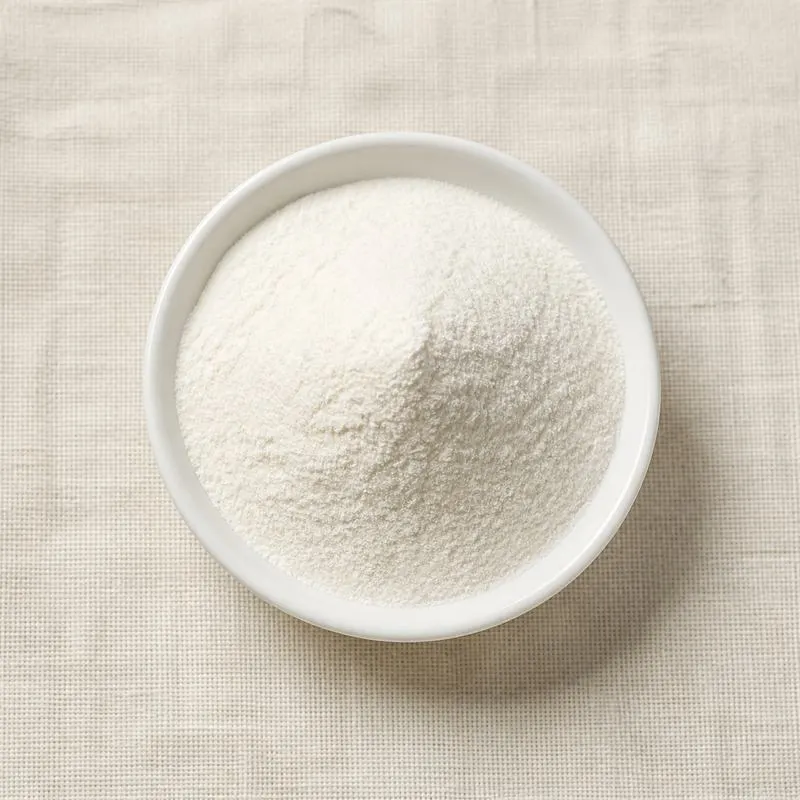
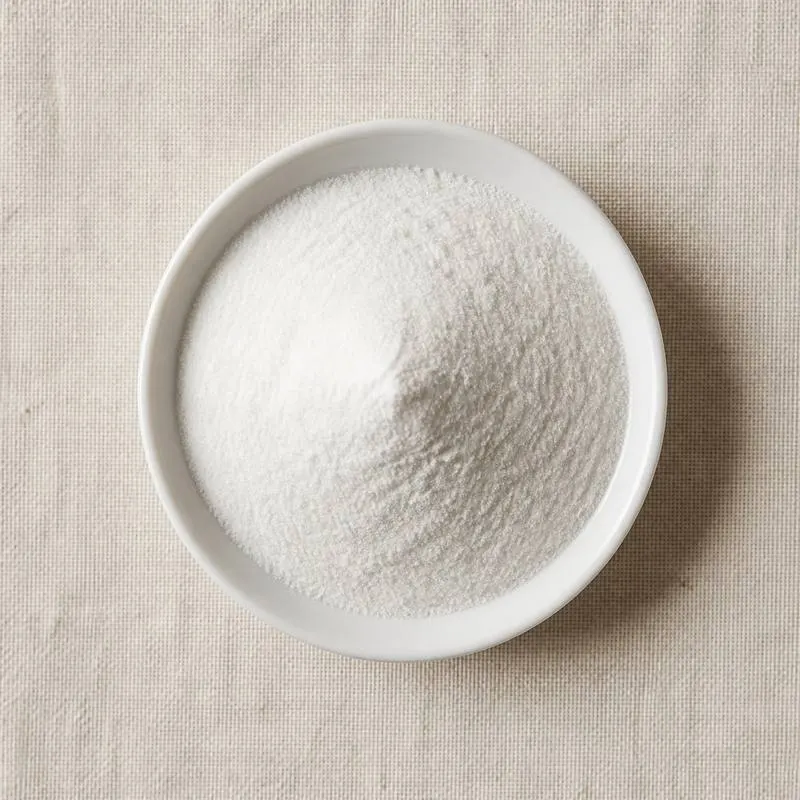
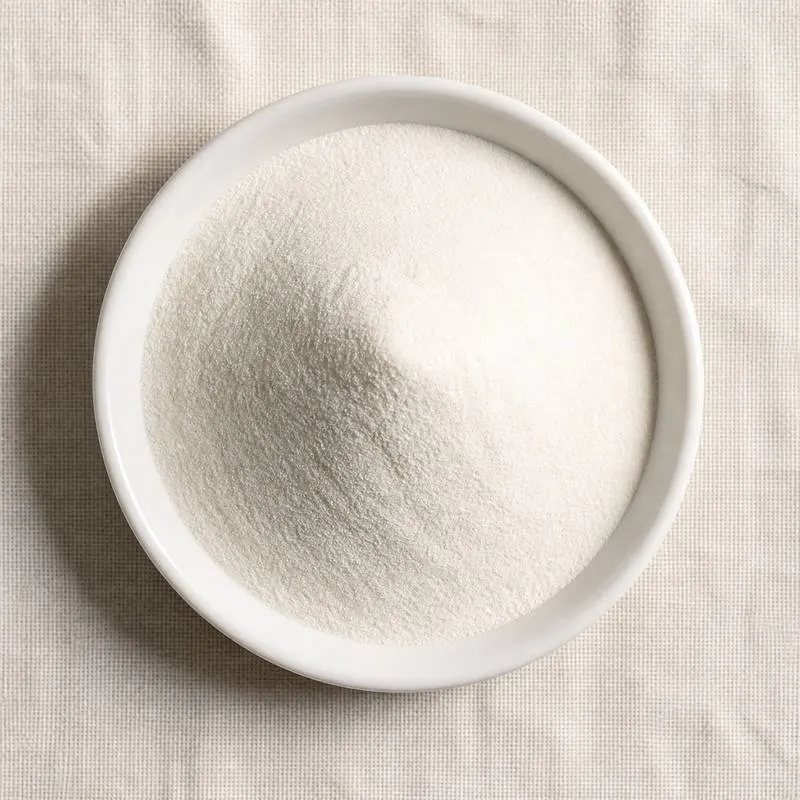
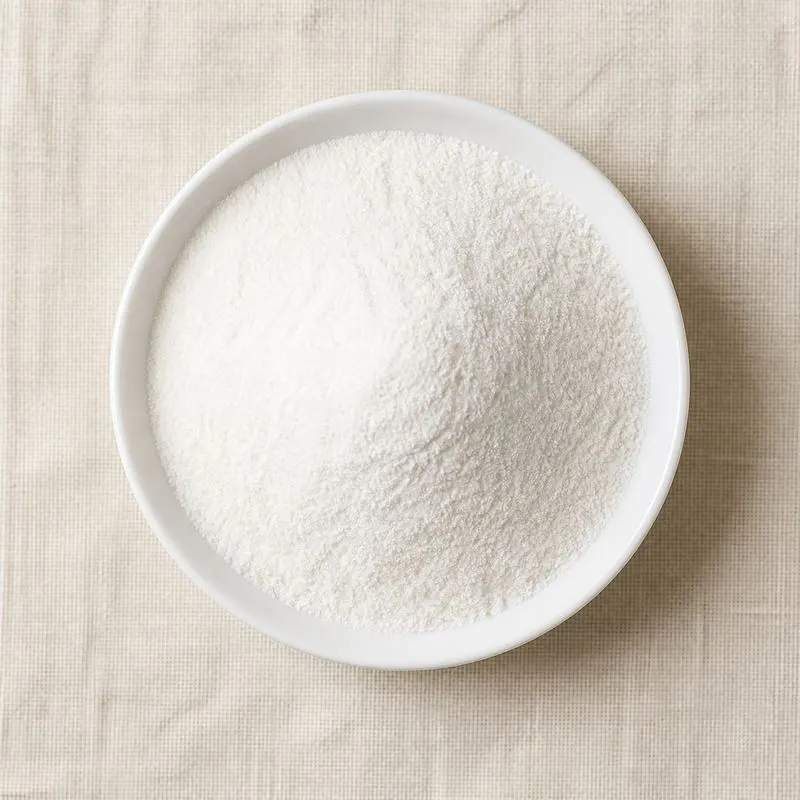
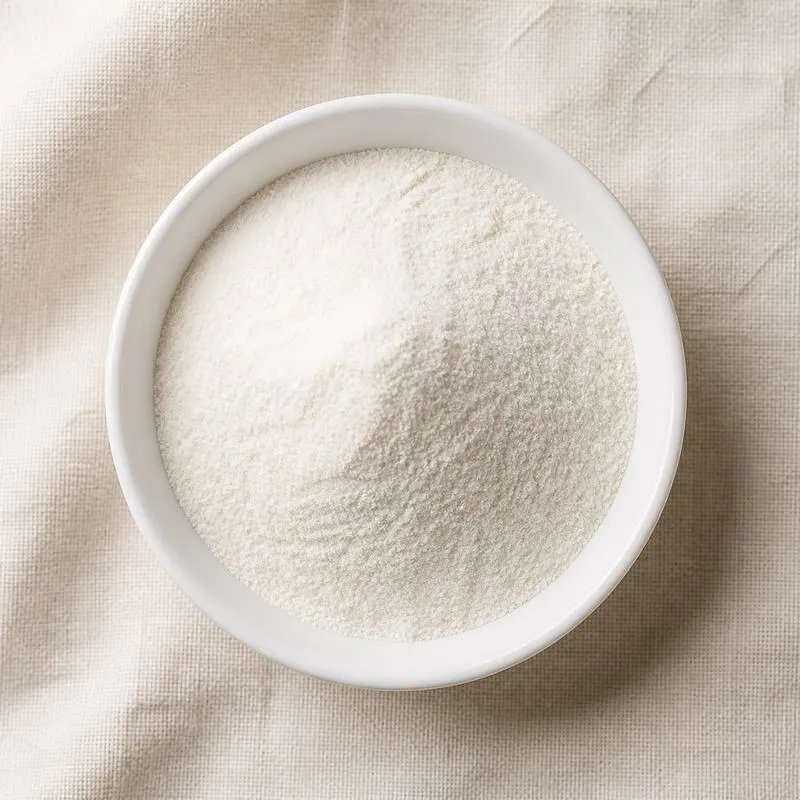
Functionally the product behaves according to its type. Bovine hide and bone gelatin is normally alkali processed type B with an isoelectric point around pH 5, while fish gelatin is acid processed type A with a high isoelectric point. All forms gel thermoreversibly, forming triple helical junctions on cooling and melting near body temperature, and come as pale yellow granules, powder or sheet that swell in cold water and dissolve above about 40 degrees Celsius.
We source bulk Halal Edible Gelatin from top China manufacturers for our partners. The manufacturer is in Gansu. A smaller requirement can ship in a combined container with other ingredients.
Please send the grade you need, the volume and your destination port, and we will come back with a solution and a price.
or call +86-21-6858 0751
- Function
- Thickener / Hydrocolloid
Specifications
| Item | Specification |
|---|---|
| Appearance | Pale yellow granules or powder, free of foreign matter |
| Odour and Taste | Bland, free of foreign odour |
| Origin | Bovine hide and bone, halal slaughtered, certificate referenced per lot |
| Porcine DNA | Not detected |
| Bloom Strength | 200 to 240 g |
| Viscosity, 6.67% at 60 degrees Celsius | 3.5 to 4.8 mPa s |
| Protein, dry basis | Not less than 86.0% |
| Moisture | Not more than 12.0% |
| Ash | Not more than 2.0% |
| pH, 1% solution | 5.0 to 7.0 |
| Transmittance at 620 nm | Not less than 80% |
| Sulphur Dioxide | Not more than 50 mg/kg |
| Chromium | Not more than 10 mg/kg |
| Lead | Not more than 1.5 mg/kg |
| Total Plate Count | Not more than 1,000 CFU/g |
| E. coli | Absent in 1 g |
| Salmonella | Absent in 25 g |
Common Markets Grades
Bloom, the gel strength on a standard 6.67 percent gel, is the primary specification, traded from about 80 Bloom for soft applications to around 260 Bloom for firm confectionery gels, with hot solution viscosity specified alongside because it controls depositing and film behaviour independently of set strength. Mesh is specified to control dissolution rate.
The certification itself is the other half of the specification and should be treated as such. Certificates are issued by particular bodies, and acceptance differs by market, so a certificate recognised in one importing country may not satisfy another. The scope matters as much as the existence of a certificate: it should cover the slaughterhouse, the raw material collection, the gelatin plant and the segregation controls, not merely the finished product. Species of origin is always stated. Fish gelatin grades are traded separately and buyers should note their lower gelling and melting temperatures, which usually require a formulation change rather than a straight substitution.
Applications
- Gummy sweets and jelly confectionery for markets requiring halal certification
- Hard and soft capsule shells for pharmaceuticals and supplements sold into Muslim majority markets
- Marshmallow and aerated confectionery, stabilising the foam as the whipped structure sets
- Table jellies and chilled desserts, giving a clear gel that melts at body temperature
- Yoghurt and fermented dairy, controlling body and preventing whey separation
- Meat products including aspic and canned hams, binding cook juices into a sliceable gel
- Reduced fat spreads and dairy analogues, giving a fat-like body from a protein network
- Micro-encapsulation of flavours and vitamins by coacervation
- Fining of fruit juice and non-alcoholic beverages, flocculating haze forming particles
- Nutritional and collagen peptide products where the hydrolysed form is used and the same certification chain applies
Brands Using Halal Edible Gelatin
Widely-distributed consumer products that list Halal Edible Gelatin on the ingredient label.
- Hearthy FoodsGrass-Fed Gelatin Marshmallows (Vanilla) ↗These vanilla marshmallows are set with grass-fed halal gelatin, which the product page names alongside non-GMO cane sugar.Label verified 2026-08-31
- Hearthy FoodsChocolate Dipped Grass-fed Marshmallows ↗The dark chocolate dipped marshmallow centres are made with grass-fed halal gelatin, stated on the product page.Label verified 2026-08-31
Brand names, product names and logos are the property of their owners. They appear here as published evidence that the ingredient is used, taken from the brand's own label or website. Their appearance is not an endorsement, and it does not mean the brand buys from us or from any manufacturer listed on this site.
China Manufacturers of Halal Edible Gelatin
Top Halal Edible Gelatin manufacturers in China.
Company names and logos are the property of the manufacturers themselves. They are listed here because our own directory records them as producing this ingredient. A listing is not an endorsement by them, and we do not represent them or speak on their behalf.
Regulatory Status
Gelatin is a food ingredient rather than a food additive in both the United States and the European Union, so it carries no E number and is declared simply as gelatin. Halal status is a certification matter rather than a food safety authorisation, and it sits alongside rather than inside the statutory framework.
In the European Union gelatin for human consumption is regulated as a product of animal origin under the hygiene rules for food of animal origin, which govern permitted raw materials, approved establishments and the treatments applied, with additional obligations for bovine material under the transmissible spongiform encephalopathy rules restricting the tissues that may be used. In the United States it is an established food ingredient under the general food framework, with the United States Pharmacopeia monograph applying to pharmaceutical grades. Halal certification itself is issued by accredited certification bodies against national or regional standards, and several importing countries recognise only certifiers they have accredited, so the acceptability of a given certificate should be confirmed for the destination market rather than assumed. Species verification by analytical methods is increasingly required by importers as a check on the documentary chain.
Manufacturing Process
Production follows the standard gelatin route, with the certification requirements bolted onto every stage rather than applied at the end. Raw material is collected only from slaughterhouses operating under halal supervision, and its identity is maintained by documentation from the point of slaughter onward. Bovine hide splits and bone, or fish skins, are sorted, washed, cut and degreased on lines that are either dedicated or cleaned and released between runs, since cross-contact with porcine material invalidates the status.
Bone stock is demineralised in dilute hydrochloric acid to leave ossein. Bovine stock is then limed in calcium hydroxide suspension for weeks, cleaving the mature collagen cross-links and deamidating the protein to give type B characteristics. Fish skin, whose collagen is less cross-linked, takes a short dilute acid conditioning instead and yields type A. Either way the conditioned stock is washed and neutralised, then extracted with hot water in a series of batches at rising temperature, the first extracts giving the highest Bloom.
The dilute extract is filtered, deionised on ion exchange resins, concentrated by evaporation and membrane filtration, sterilised by a short high temperature hold and chilled to a gel, which is extruded into noodles and dried on a belt dryer. The dried gelatin is ground, sieved and blended to the ordered Bloom and viscosity. Filter aids, resins and processing aids are themselves checked for compliance, and the certifying body audits the plant periodically rather than testing the finished powder, since the protein carries no analytical marker of its origin beyond species identification by DNA or peptide methods.